Where to Stay ·
Where to Stay in Istanbul: The Best Areas for Every Type of Trip
Every Istanbul neighbourhood a visitor would sensibly consider, compared on room price, travel time to the monuments, evening character and who each one is wrong for.
In this guide 18 sections
- Where to stay in Istanbul
- The one decision that actually matters
- Sultanahmet and the historic peninsula
- Beyoğlu
- Beşiktaş and the Bosphorus shore
- Şişli, Nişantaşı and Bomonti
- The Asian side
- Near the airports
- Three areas most guides leave out
- If you are here for a particular reason
- Head-to-heads people actually search for
- What a room actually costs
- Hotel types
- How to read an Istanbul hotel listing
- When to book
- What to avoid
- Where I would actually stay
- Frequently asked questions
A friend booked what looked like a bargain in Istanbul last spring: a smart room, good photographs, a fifth of the price of the equivalent in Sultanahmet. It was in Kurtköy, twenty minutes from Sabiha Gökçen airport and roughly an hour and forty minutes from Hagia Sophia in each direction. Over four days that hotel cost him eleven hours. The nightly rate was genuinely excellent and the booking was a disaster.
Deciding where to stay in Istanbul comes down to three areas for most visitors: Sultanahmet for a short first trip within walking distance of the monuments, Beyoğlu — Galata, Karaköy or Cihangir — for restaurants and nightlife with easy access to both, and Kadıköy on the Asian side for a longer, cheaper, more local stay.
What follows compares every area a visitor would sensibly consider, with what a room costs, how long it takes to reach the sights, what the neighbourhood is like at ten at night, and who each one is actually wrong for. Prices were checked on 10 September 2026. I have also been direct about the areas that look good on a booking site and are not, which is most of the value in a page like this.

Where to stay in Istanbul: the areas compared
Prices below are typical mid-range doubles in shoulder season, checked on 10 September 2026 at €1 ≈ 56 TL and $1 ≈ 48 TL. Peak summer adds roughly a third; January and February take about half off almost everywhere.
| Area | Best for | Typical double | To Hagia Sophia | Evening character | Main drawback |
|---|---|---|---|---|---|
| Sultanahmet | Short first trips, monuments on foot | $90–200 | 2–10 min walk | Quiet, empties after nine | Poor restaurants, no local life |
| Sirkeci / Eminönü | Transport, slightly better food | $80–160 | 10 min walk or 1 tram stop | Busy by day, dead at night | Traffic, noise, few good hotels |
| Fener / Balat | Character, photography, longer stays | $70–140 | 25 min by taxi or bus | Very quiet, residential | Awkward transport links |
| Galata | The best all-round base | $110–230 | 15 min walk + tram | Lively, cafés and bars | Steep hills, tourist pricing |
| Karaköy | Food, coffee, ferries, cruise arrivals | $110–220 | 15 min walk over the bridge | Busy, good bars | Construction, some noise |
| Cihangir | Residential feel with Beyoğlu on foot | $100–190 | 25 min via funicular + tram | Calm, neighbourhood bars | Hills, fewer hotels |
| Taksim | Airport buses, late nights, chains | $80–200 | 25–30 min | Loud until very late | Least attractive area of Beyoğlu |
| Beşiktaş | Bosphorus ferries, students, football | $90–180 | 30 min | Excellent, young, cheap | Nothing historic nearby |
| Ortaköy / Bebek | Waterfront, long stays, romance | $150–400 | 35–45 min | Smart, quiet, expensive | Far from everything you came for |
| Nişantaşı / Şişli | Shopping, business, metro | $100–250 | 30 min by metro + tram | Polished, unremarkable | Feels like anywhere |
| Kadıköy | Food, value, longer trips | $60–130 | 25 min ferry + tram | The best in the city | Ferry timetable after midnight |
| Moda | Quiet Asian-side stays | $70–140 | 35 min | Residential, seafront | Twenty minutes from a ferry |
| Üsküdar | Conservative, cheap, great views | $55–110 | 25 min ferry + tram | Quiet, little alcohol | Fewest visitor facilities |
| Near IST or SAW | Very early flights only | $60–120 | 60–100 min | None | You are not in Istanbul |
The one decision that actually matters
Istanbul is a city of three land masses separated by water: the historic peninsula south of the Golden Horn, Beyoğlu and the modern European city north of it, and the Asian side across the Bosphorus. Everything else about your hotel — the breakfast, the rooftop, the star rating — is secondary to which of those three you are on and how far you are from a tram stop, a metro station or a ferry pier.
The practical test I would apply to any booking: open a map, find the nearest T1 tram stop, M2 metro station or ferry pier, and measure the walk. Under five minutes and the whole city opens up. Over fifteen and you will spend an hour a day getting to the start of your day, in a city where the hills make every walk longer than it looks.
The second test is the hill. A hotel three hundred metres from Karaköy pier can be a hundred vertical metres above it. Booking sites do not show gradient, and Istanbul has a lot of it.
Sultanahmet and the historic peninsula

Sultanahmet
Stay here if your trip is three nights or fewer and you want to be inside Hagia Sophia before the coaches arrive. That advantage is real and consistently underrated — the first hour at every monument on the peninsula is the good one, and being able to walk there in pyjama-adjacent clothing changes what a short trip achieves.
Do not stay here if you care about dinner. The restaurant standard is the worst in Istanbul, for the structural reason that almost every customer is there once and will never return. There is no bar scene, no meaningful local population and very little open after nine.
Rooms start around $87 for a decent small hotel and run to $687 at the Four Seasons in the old prison building on Tevkifhane Sokak. The useful band is $120–200, where a lot of small hotels in converted Ottoman houses offer roof terraces with a genuine view of the domes at breakfast. Check whether the “sea view” is the Marmara or a car park, and whether the roof terrace is shared with a construction site — both are common.
Sirkeci and Eminönü
Ten minutes downhill from the monuments and one tram stop away, with the Marmaray station, the ferry piers and the Spice Bazaar all on your doorstep. The food is better than in Sultanahmet — Hocapaşa Sokak is a genuinely good lokanta street — and prices are slightly lower. The trade is noise and traffic: this is a working transport hub, and it does not stop.
Fener and Balat

The old Greek and Jewish quarters up the Golden Horn, full of painted timber houses, antique shops, cafés and the Orthodox Patriarchate. It has become fashionable and there are now a handful of small hotels and a lot of apartments.
Stay here if you are in Istanbul for a week or more and want to live somewhere rather than sleep somewhere. Do not if you have three days: the transport is the weak point, with buses and ferries rather than the tram, and the twenty-five minutes each way adds up fast. It is also a conservative neighbourhood; there is very little nightlife and not much alcohol.
Beyoğlu: Galata, Karaköy, Cihangir and Taksim
North of the Golden Horn, this is where most residents would tell you to stay, and where I stay on a trip of four nights or more.
Galata

The old Genoese quarter around the tower: steep lanes, music shops, small hotels in nineteenth-century apartment buildings, and a view over the Horn to the peninsula. Fifteen minutes on foot to the tram at Karaköy and then three stops to Sultanahmet, or a fifteen-minute walk over the bridge if you prefer.
This is the best single answer for most people on a four-to-seven-night trip. Rooms are $110–230 and the streets are alive at ten at night without being a nightlife district. The drawback is the gradient — some of these lanes are effectively staircases — and a certain amount of tourist pricing in the cafés directly under the tower. Walk two streets away and it corrects itself.
Karaköy
At the bottom of the Galata hill, on the water. Ferries to Kadıköy and Üsküdar leave from here, the T1 tram runs through it, Galataport puts cruise passengers directly into the neighbourhood, and the eating and drinking is as good as anywhere in Istanbul. If you want to be able to walk home from dinner and still reach Sultanahmet in fifteen minutes, this is the place.
It is a building site in places — the regeneration is ongoing — and rooms on the main road are noisy. Ask for something facing a courtyard.
Cihangir
Uphill and east of İstiklal: bookshops, cats, long breakfasts, a lot of people who moved here from somewhere else. It is the most liveable neighbourhood in central Istanbul and has fewer hotels than it should, which keeps prices reasonable at $100–190. Getting to the old city means the funicular from Kabataş or a walk down to Tophane for the tram, so budget twenty-five minutes. Excellent for a week, unnecessary for a weekend.
Taksim and Asmalımescit
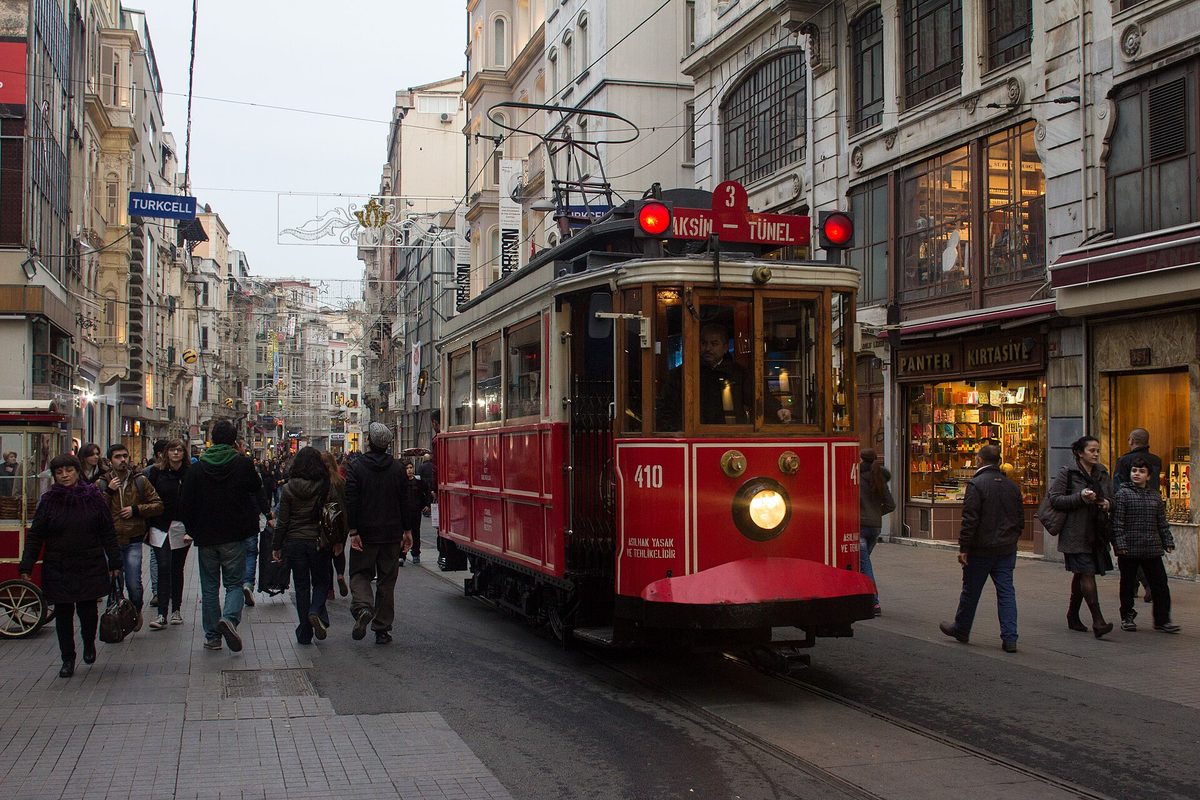
Taksim Square is where the airport buses terminate, where the M2 metro and the funicular meet, and where a great many chain hotels are. That is its case, and it is a reasonable one for a short stay or an early flight. Against it: the square itself is a traffic interchange rather than a place, the streets immediately around it are the least attractive part of Beyoğlu, and the noise on the side streets off İstiklal runs to three in the morning at weekends.
Asmalımescit, at the Tünel end of İstiklal, is the better half of the same area — meyhanes, live music, and a fifteen-minute walk down to Karaköy.
Tophane
Between Karaköy and Beşiktaş on the tram line, with the Istanbul Modern on the waterfront. Cheaper than Karaköy, well connected, and a reasonable compromise if the Karaköy rates have moved out of range.
Beşiktaş and the Bosphorus shore
Beşiktaş
A student and football neighbourhood with a market, a fish market, a lot of cheap bars and a ferry pier serving Kadıköy and Üsküdar. It is genuinely good value and genuinely fun, and it is thirty minutes from Sultanahmet by tram or ferry-and-tram. Dolmabahçe Palace is a ten-minute walk. There is no old city atmosphere here at all, which for some people is the point.
Ortaköy, Bebek and Arnavutköy

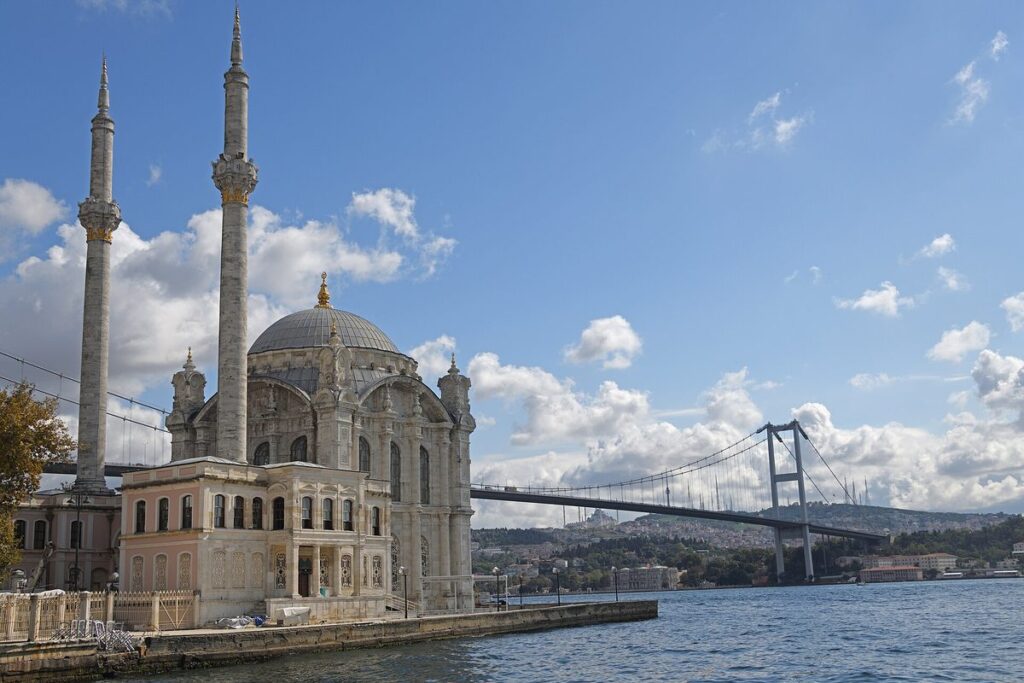
The waterfront villages north of Beşiktaş are the prettiest places to stay in Istanbul and the least practical. Bebek is where wealthy Istanbul lives; Arnavutköy has the wooden mansions; Ortaköy has the mosque under the bridge and a famous line of baked-potato stalls. Rooms run $150–400 and up.
Stay here if you have been to Istanbul before, are here for a week, or the point of the trip is the Bosphorus rather than the monuments. Do not on a first three-day visit — the coast road traffic is unpredictable in a way that will ruin at least one morning.
Şişli, Nişantaşı and Bomonti
North of Taksim on the M2 metro. Nişantaşı is the smart shopping district — designer shops, good restaurants, no sights — and Bomonti is a converted brewery quarter with a lot of new hotel stock. Both are well connected by metro, both are comfortable, and neither feels particularly like Istanbul. They make sense for business travel, for shopping trips, and for anyone who wants a large modern room at a price the historic quarters cannot match.
The Asian side: Kadıköy, Moda and Üsküdar
Kadıköy
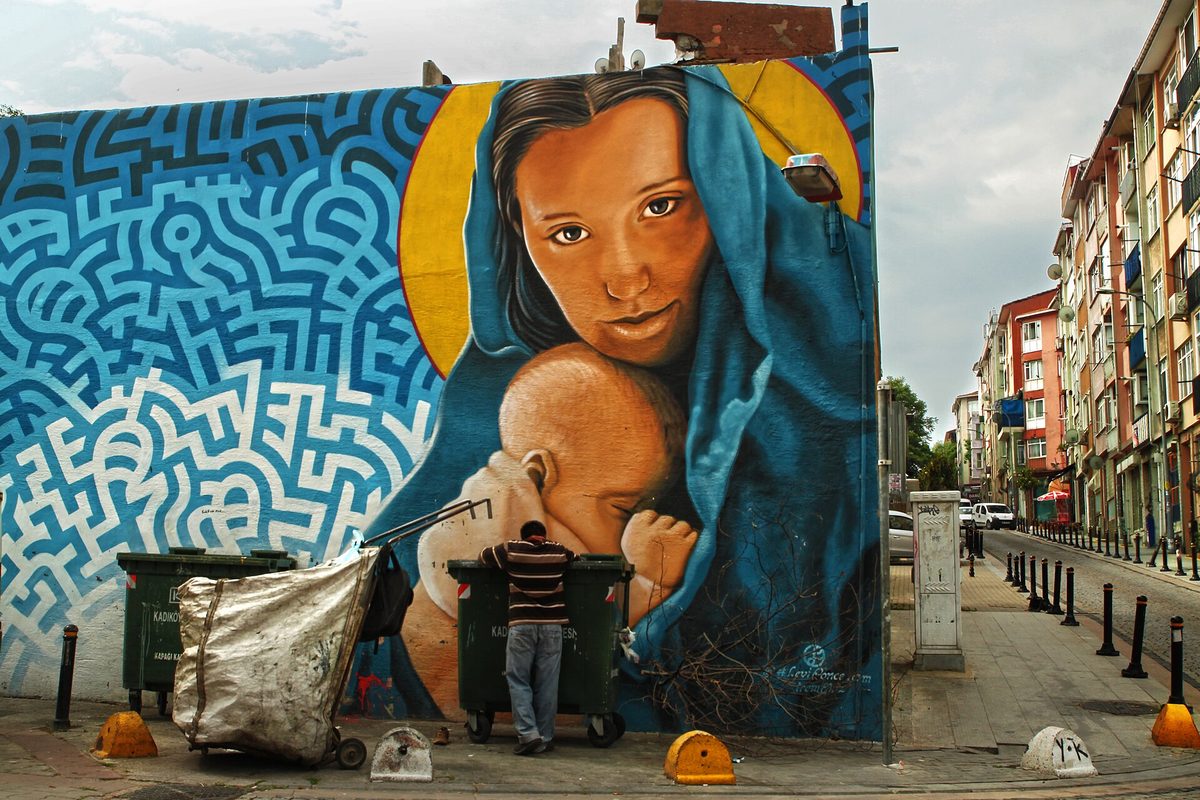
Two million people live on the Asian side and almost no visitors sleep there, which is why it is such good value. Kadıköy has the best food market in the city, the best casual restaurants, a serious bar and live-music scene around Kadife Sokak, and ferries to Eminönü, Karaköy, Beşiktaş and Kabataş running constantly from early morning until late.
Door to door, Kadıköy to Hagia Sophia is about twenty-five minutes: a twenty-minute ferry and a stop on the tram. That is quicker than a great many European-side hotels manage, and the twenty minutes are spent on the deck of a boat rather than in traffic. Rooms are $60–130.
Stay here if you have four nights or more, care about eating, and are not visiting Istanbul purely to photograph mosques. Do not if you are here for two nights, or if the idea of checking a ferry timetable at midnight irritates you.
Moda
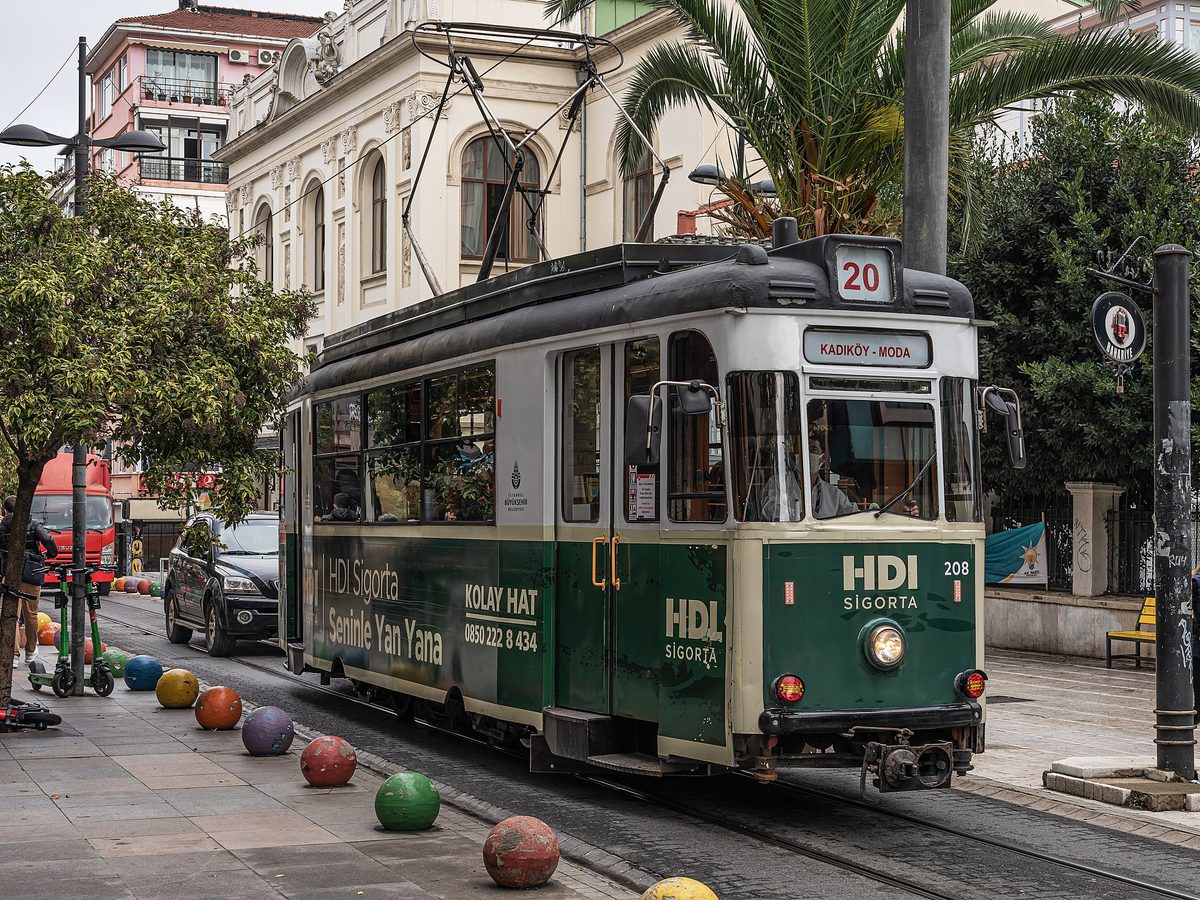
Twenty minutes’ walk south of Kadıköy centre, on a headland with a seafront promenade, tea gardens and a nostalgic tram loop. Quieter, greener, mostly residential, with a handful of small hotels and a lot of apartments. If you like the idea of Kadıköy but want to sleep somewhere calm, this is it.
Yeldeğirmeni
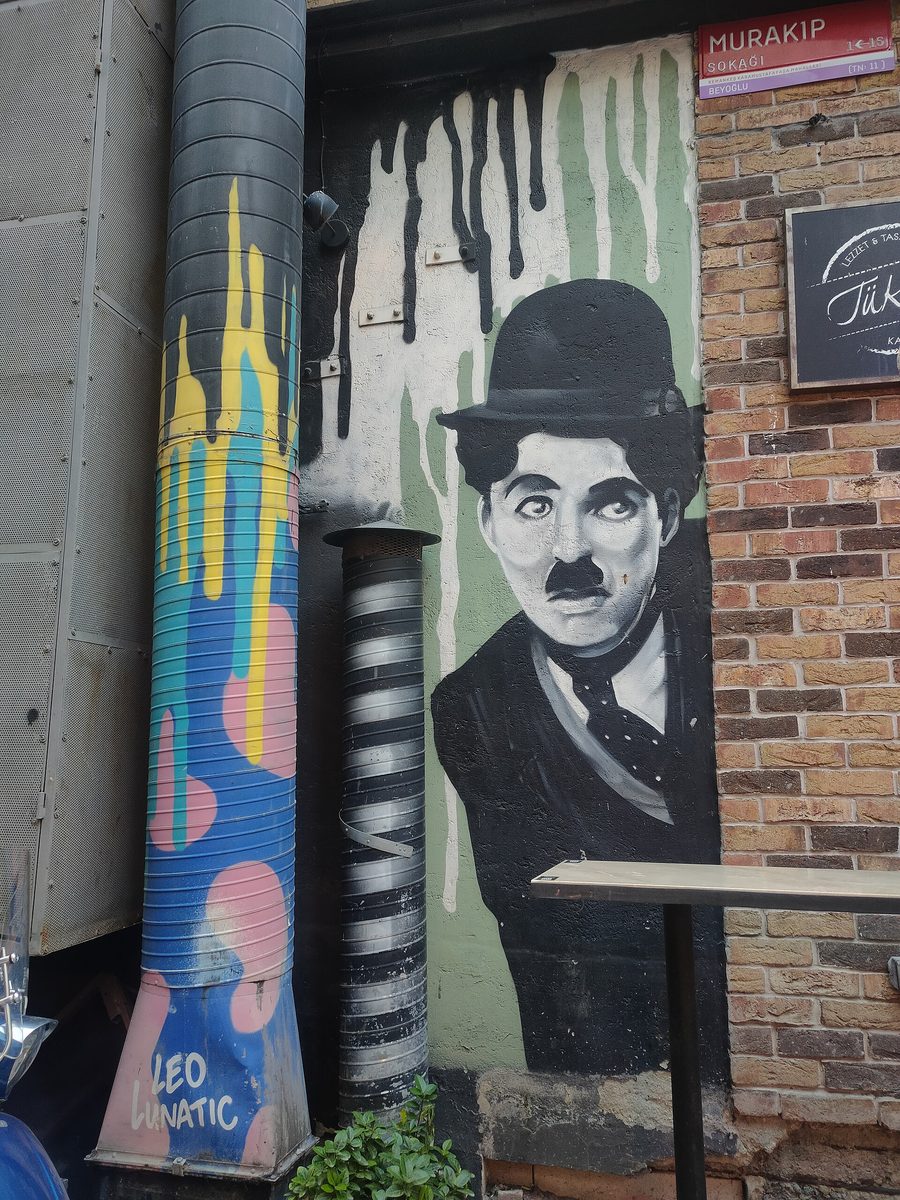
The old railway workers’ quarter just north of Kadıköy pier, now covered in large-scale murals and full of studios and small cafés. Convenient — five minutes to the ferry — and cheaper than Kadıköy proper.
Üsküdar

The most conservative of the areas listed here, and the cheapest at $55–110. Great Ottoman mosques, the Salacak waterfront looking back at the old city, and a ferry to Eminönü that takes twenty minutes. There is very little alcohol served and a limited choice of hotels; in exchange you get one of the best sunset views in the city on your doorstep, for nothing.
Near the airports
Only for a genuinely early departure or a very late arrival. Istanbul Airport is forty to fifty kilometres from the old city and the M11 metro plus a change puts you at about an hour and a quarter; Sabiha Gökçen on the Asian side is a similar distance from the centre and the M4 to Kadıköy takes fifty-two minutes before you have crossed any water.
If you must, stay at an airport hotel for the one night rather than basing a whole trip out there. The nightly saving on a Kurtköy or Arnavutköy hotel is real; the cost in hours is much larger, and it is paid every day.
Three areas most guides leave out
Süleymaniye and Zeyrek. The slope between the Grand Bazaar and the Golden Horn, around Sinan’s greatest mosque and the Byzantine Pantokrator church. Mostly student housing, Koran schools and old timber houses, with a small and growing number of guesthouses. It is ten minutes’ walk downhill to Eminönü and fifteen to the bazaar, it is dramatically cheaper than Sultanahmet, and the view from the Süleymaniye terrace is on your doorstep. It is also very quiet, largely dry, and the streets are poorly lit at night — fine, but know what you are choosing.
Eyüp and the upper Golden Horn. Beyond Balat, around one of the holiest mosques in Turkey and the Pierre Loti hill above it. This is a pilgrimage neighbourhood rather than a tourist one, prices are low, the ferry down the Horn to Eminönü is lovely, and you will be the only foreign visitor in the bakery. Not a first-trip base, and an excellent third-trip one.
Yeşilköy and Bakırköy. On the Marmara coast west of the old city, on the Marmaray line, with a seafront promenade and a genuinely pleasant small-town feel around Yeşilköy’s fish restaurants. It is about twenty-five minutes by rail to Sirkeci and reasonably close to the old Atatürk airport site, which is now a park. Worth knowing about if central prices have got away from you and you would rather be by the sea than in Laleli.
If you are here for a particular reason
Arriving by cruise ship. Ships dock at Galataport in Karaköy, in the middle of the city. If you are adding nights before or after the cruise, stay in Karaköy or Galata and walk to the terminal with your case; it is one of very few ports in the world where that works.
Business. The financial districts are Levent and Maslak, north up the M2 metro, and that is where the large business hotels are. Nişantaşı is the pleasanter compromise — twenty minutes from Levent, and somewhere you would actually want to eat dinner.
Medical travel. Istanbul is one of the world’s largest destinations for elective medical and dental treatment, and most of the private hospitals used by overseas patients are in Şişli, Nişantaşı and Beşiktaş rather than in the historic districts. If a clinic offers a hotel package, check where the hotel actually is before accepting: a room by the clinic in Şişli is sensible for the first days and a poor base for sightseeing afterwards.
A football match. Beşiktaş’s stadium is at Dolmabahçe, Galatasaray’s is out at Seyrantepe on the metro, Fenerbahçe’s is at Kadıköy. On match days the neighbourhood around the relevant ground is closed to traffic for hours and the ferries fill; if you are not going to the game, avoid staying there on the night.
A long stay or a working trip. Cihangir, Moda and Yeldeğirmeni are the three neighbourhoods where a month feels natural — cafés with power sockets, laundries, markets, and a population that is not on holiday. Monthly rates on licensed apartments in all three are a fraction of the nightly equivalent.
Head-to-heads people actually search for
Sultanahmet or Taksim?
Sultanahmet, unless you need the airport buses or intend to be out until three. Taksim’s advantages are transport and late-night noise; Sultanahmet’s is that you are inside the thing you came to see. On a first trip of three nights, Sultanahmet wins comfortably. On a fifth trip, neither — stay in Karaköy.
Sultanahmet or Beyoğlu?
Length of stay decides it. Up to three nights, Sultanahmet: the walking access to the monuments is worth more than the better dinners. Four nights or more, Beyoğlu, because by day four you will have finished the peninsula and will want to be where the city lives. On a five-night trip, split it — two nights in Sultanahmet and three in Galata or Karaköy costs one hotel change and gets you both.
European side or Asian side?
European for a first visit, Asian for a second. The monuments are all on the European side and the ferry, while pleasant, is an extra step you will take four times a day. On a return trip, Kadıköy is cheaper, livelier, better to eat in, and — genuinely — no less convenient than half the European-side neighbourhoods.
Karaköy or Cihangir?
Karaköy for transport, ferries and food; Cihangir for quiet and the feeling of living somewhere. Karaköy is fifteen minutes from Sultanahmet, Cihangir is twenty-five. If you are here for a week and plan to walk a lot, Cihangir; for anything shorter, Karaköy.
What a room actually costs
Broad bands, checked on 10 September 2026, for a double in shoulder season. Add about a third in July and August and over New Year; take about half off in January and February, which is the great secret of Istanbul hotel pricing.
- Hostel dorm bed: €10–15 a night across the city, with the largest concentration in Sultanahmet and Beyoğlu.
- Hostel private room: €55–100, which frequently undercuts a two-star hotel in the same street.
- Mid-range double: $90–200 in the central areas, $60–130 in Kadıköy and Üsküdar.
- Boutique with a rooftop and a view: $150–250 in Sultanahmet and Galata.
- Five-star city: $250–450.
- Bosphorus palace hotels: $400–700 and upwards, with the Four Seasons at Sultanahmet around $687 at the top of the old-city range.
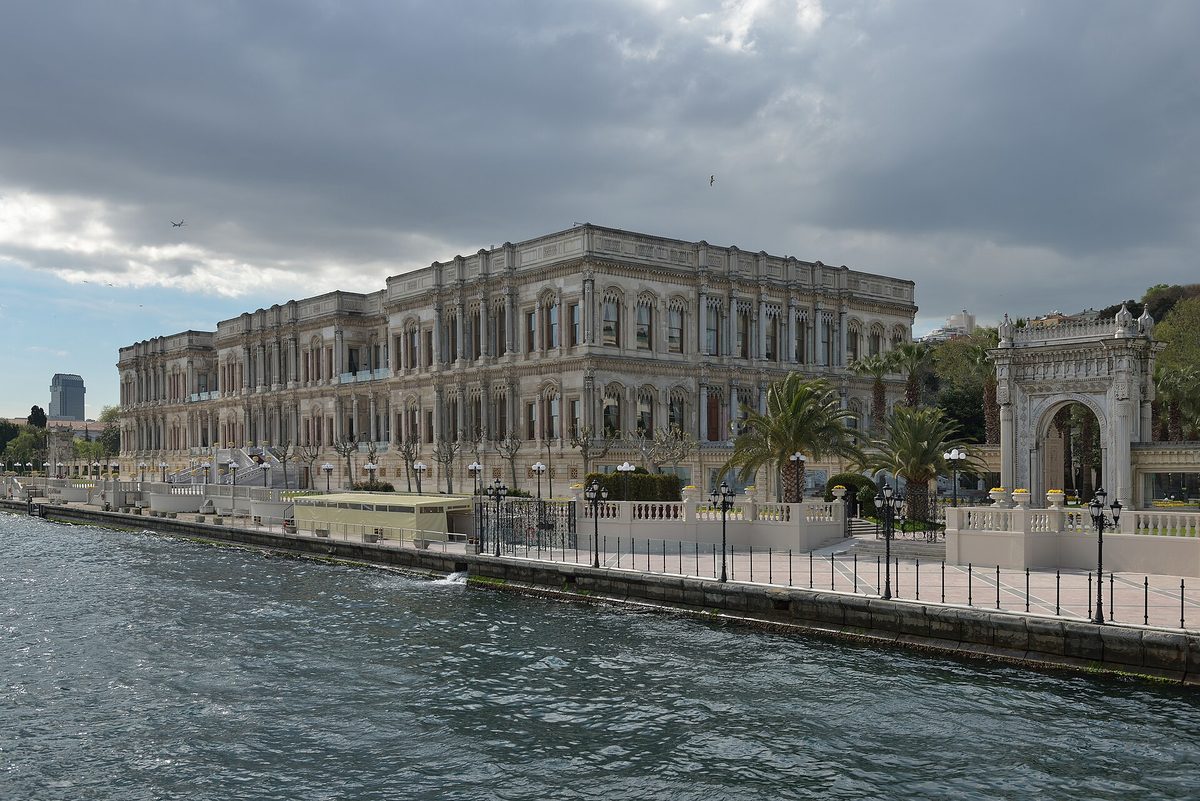
One number worth knowing before you spend at the top end: TripAdvisor ranks the Çırağan Palace Kempinski — the most famous luxury hotel in the city, in an actual Ottoman palace — 213th of some 2,628 Istanbul hotels, on a 4.0 average from nearly 2,900 reviews. That is not a bad hotel, but it is a useful corrective to the idea that price and satisfaction track each other here. They do not, and several $150 boutique places on the peninsula review better.
Hotel types, and the apartment rule
Converted Ottoman houses are the characteristic Sultanahmet and Balat product: eight to twenty rooms, a roof terrace, breakfast included, wildly variable soundproofing. Good ones are excellent value at $120–180. Ask about the stairs — many have no lift, by law as much as by choice, because the buildings are listed.
International chains cluster in Taksim, Şişli and along the Bosphorus. Predictable, larger rooms, and mostly in the least interesting neighbourhoods.
Hostels in Istanbul are unusually good and unusually social, and several have the best rooftop terraces in Sultanahmet.
Apartments need care. Short-term rentals in Turkey have required a Tourism Residence Certificate since Law 7464 came into force on 1 January 2024. This is regulation rather than prohibition — licensed short lets are perfectly legal and there are plenty of them — but unlicensed flats do get shut down, sometimes at very short notice, and a cancelled booking on arrival is a bad way to start. Ask the host directly for the certificate before you pay.
How to read an Istanbul hotel listing
A handful of claims recur on booking sites here and mean less than they appear to. Reading them properly is worth more than another hour of comparing prices.
“Rooftop terrace with panoramic views.” Common, frequently true, and worth having in Sultanahmet and Galata, where the domes and the water genuinely are visible from four floors up. Two checks: whether the terrace is where breakfast is served or a locked door with a padlock, and whether the neighbouring plot is under construction. Istanbul’s old-city hotels are in a permanent state of mutual scaffolding, and the recent reviews will tell you before the photographs do.
“Five minutes to Hagia Sophia.” Measure it. In Sultanahmet this is often literally true. Elsewhere it usually means five minutes to a bus stop that goes there, or five minutes downhill and twenty back up.
“Traditional Ottoman house.” Usually genuine, and it means listed-building constraints: often no lift, sometimes narrow stairs, and floors and walls that carry sound. Wonderful buildings, poor soundproofing. If you are a light sleeper, ask for a top floor.
“Turkish bath in the hotel.” Almost always a small heated marble room rather than a hamam in any meaningful sense. The historic bathhouses — Çemberlitaş at €57, Cağaloğlu from €95, or a neighbourhood hamam at €35–50 — are a different experience entirely.
Breakfast. Turkish hotel breakfast is a serious business and usually included: cheeses, olives, tomatoes, eggs, honeycomb, several breads. A room rate that excludes it is worse value than it looks, because you will not find that spread in a café for less than 400 TL a head.
Payment and currency. Many hotels quote in euros or dollars and charge in lira at their own rate. Pay in lira on a card where you can, and always decline the machine’s offer to convert for you — dynamic currency conversion costs three to six per cent every time. Turkey also levies a 2% accommodation tax, which is normally inside the quoted rate; check whether yours is.
When to book, and what changes by season
Istanbul’s hotel market is more seasonal than its weather is, which creates opportunities.
April to early June and September to October are the best months to visit and the busiest for hotels. Book six to eight weeks ahead for anything specific, especially in Galata and Karaköy, where the good small hotels have twenty rooms and sell out.
July and August add roughly a third to rates and take away the pleasure of walking between one and four in the afternoon. If you are coming then, prioritise air conditioning that has been mentioned favourably in a recent review, and a room that does not face west.
January and February are the value months: grey, cold, occasionally snowy, and roughly half price. The monuments are close to empty, which changes Hagia Sophia and Topkapı more than you would expect. If the weather does not put you off, this is the best time to book something you could not otherwise afford.
New Year is a spike, particularly along the Bosphorus and in Taksim, where hotels sell packages rather than rooms. Ramadan — 8 February to 8 March in 2027 — does not raise prices much, but the character of the old city in the evenings changes completely, and the two Bayram holidays that bracket the religious calendar fill domestic hotels and empty the Grand Bazaar.
One more timing note: Istanbul hosts large conferences and football matches that can take an entire district’s hotel stock overnight. If the rates in one neighbourhood look inexplicably high on your dates, look one neighbourhood over rather than assuming the whole city is expensive.
What to avoid
Laleli and Aksaray. Cheap hotels, and the search results push them hard on price. This is a wholesale textile trading district: functional, not unsafe, and an entirely joyless place to come back to at the end of a day. The saving is not worth it.
Anywhere advertising a “Bosphorus view” that is not on the Bosphorus. A great many Sultanahmet hotels are looking at the Sea of Marmara, which is a different body of water with a different view, and some are looking at a gap between two buildings. Check the map coordinates, not the photographs.
The bargain that is forty minutes from a tram. The single most common Istanbul booking mistake, and the one my friend made in Kurtköy. Measure the walk to the nearest station before you look at the price.
Rooms directly on İstiklal or the streets immediately off it, unless you are certain about the double glazing. The avenue does not go quiet.
Booking the whole trip in one place if you are here five nights or more. One hotel change costs you an hour and buys you two completely different cities.
Where I would actually stay
Two nights, first visit: Sultanahmet, as close to the tram as the budget allows, and eat across the bridge.
Three or four nights, first visit: Galata or Karaköy, using the tram for the old city. The extra fifteen minutes each morning buys you better food and a neighbourhood that is awake in the evening.
Five nights or more, first visit: two nights Sultanahmet, three nights Galata or Karaköy.
Second visit: Kadıköy, without hesitation. Cheaper, better fed, and the commute is a boat.
With small children: Kadıköy or Moda for the space and the seafront, or Sultanahmet if the trip is short and you need everything within pram distance.
On a tight budget: a hostel private room in Beyoğlu, or a small hotel in Üsküdar, where $55–110 buys more than twice as much room as the same money in Sultanahmet.
Frequently asked questions
What is the best area to stay in Istanbul for a first visit?
Sultanahmet for three nights or fewer, because you can walk to Hagia Sophia, Topkapı and the Blue Mosque and be inside them before the crowds. Four nights or more, Galata or Karaköy, which give you the same access by tram plus a neighbourhood worth spending an evening in.
Is Sultanahmet a good place to stay?
For a short trip, yes — the proximity to the monuments genuinely changes what you can see. Its weaknesses are real, though: the restaurants are the poorest in the city, there is no bar scene and it empties after nine. Plan to eat elsewhere.
Is it safe to stay on the Asian side of Istanbul?
Yes. Kadıköy, Moda and Üsküdar are ordinary residential neighbourhoods where two million people live, and Kadıköy in particular is busy and well lit until very late. The ferries run frequently from early morning until around midnight, with the Marmaray rail tunnel and buses covering the gap afterwards.
How far is Kadıköy from the old city?
About twenty-five minutes door to door: a twenty-minute ferry to Eminönü and one stop on the T1 tram, or a similar time via Karaköy. That is faster than a good number of European-side hotels, and the journey itself is the best commute in Europe.
Should I stay in Taksim?
Only if you need the airport buses, want a large chain room, or intend to be out very late. The square is a transport interchange, the immediate streets are the weakest part of Beyoğlu, and Galata or Karaköy are better in every respect except late-night convenience.
Are Airbnbs legal in Istanbul?
Licensed ones are. Since Law 7464 took effect on 1 January 2024, short-term rentals need a Tourism Residence Certificate. Plenty of hosts have one; some do not, and unlicensed flats are occasionally closed down with no notice. Ask for the certificate before paying.
How much should I budget for a hotel in Istanbul?
$90–200 a night for a comfortable mid-range double in a central European-side neighbourhood, $60–130 for the equivalent in Kadıköy or Üsküdar, €10–15 for a hostel dorm bed and €55–100 for a hostel private. Add a third in July, August and over New Year; subtract roughly half in January and February.
Which area has the best food?
Kadıköy, comfortably, followed by Karaköy and Beyoğlu. Sultanahmet is the weakest area in the city to eat in, and this is the single strongest argument against staying there for more than a few nights.
Is it worth paying for a Bosphorus view?
Occasionally. A genuine Bosphorus room in Ortaköy, Bebek or Üsküdar is a real pleasure and you will use it. A “Bosphorus view” in Sultanahmet is usually the Sea of Marmara, and a “sea view” on a booking site frequently means a sliver between two roofs. Look at the coordinates on a map, and read the most recent reviews rather than the photographs.
Should I split my stay between two neighbourhoods?
On five nights or more, yes. Two nights in the old city and three across the Golden Horn costs one taxi and about an hour of your time, and it removes the main weakness of each area. It is the arrangement I would book for almost anyone visiting for the first time with the better part of a week.
Since the seasonal swing in room rates here is larger than the difference between most neighbourhoods, it is worth setting these prices against our month-by-month guide to the best time to visit Istanbul, which covers weather, crowds and where the genuine price breaks fall.
Which airport you fly into should also feed into the choice, since Sabiha Gökçen is fifty-two minutes from Kadıköy and a long haul from Beyoğlu. Our guide to getting from Istanbul airport to the city centre compares every route from both airports on price and time.
Food is doing a lot of the work in those verdicts, so if you want the detail behind them, our guide to what to eat in Istanbul runs through forty dishes with September 2026 prices and names the neighbourhoods and shops that do each one properly.
"Taksim" on a booking site covers about two square kilometres and four completely different experiences, and the differences that decide your week are noise, gradient and the walk to a metro. Our Beyoglu guide breaks the district down street by street — Karaköy, Galata, Cihangir, Asmalımescit and Taksim itself — alongside what each one is actually for.
Once you have picked an area, the next question is which specific hotel in it. Our best hotels in Istanbul guide names thirty of them by area and budget, from the Bosphorus palace hotels to the honest Sultanahmet hostels, with September 2026 prices.
Related Istanbul guides
- How the days themselves fit together, and which base suits which length of trip, is in our Istanbul itineraries for one to seven days.
- If you are staying on the peninsula, our guide to Sultanahmet and the historic peninsula covers everything within walking distance of the hotel.
- For what to fill the days with, see the best things to do in Istanbul.