Day Trips & Beyond ·
Beyond Istanbul: Cappadocia, Ephesus, Pamukkale & How to Get Around Turkey From Istanbul
Cappadocia, Ephesus and Pamukkale from Istanbul compared honestly: flight times, night buses, the Ankara YHT train, and why a Cappadocia day trip is a mistake.
In this guide 12 sections
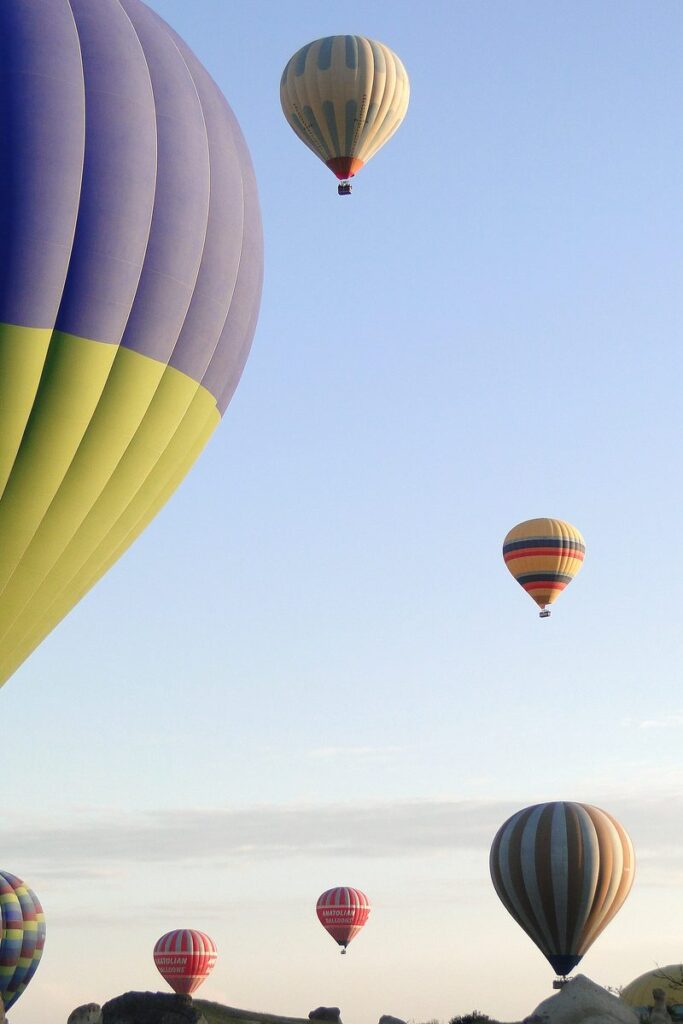
A couple I met in a Sultanahmet breakfast queue told me they had booked a Cappadocia “day trip”: 04:00 pickup, a 6 a.m. flight, a full day of sightseeing on no sleep, a red-eye flight back landing at midnight. They saw the balloons from the ground, at 1 p.m., because nobody flies at lunchtime. It is technically possible to do it in a day. It is not a good idea.
Getting from Istanbul to Cappadocia properly takes a flight of 70–85 minutes to Kayseri or Nevşehir, or an overnight bus of 10–12 hours if you would rather sleep through the distance; there is no direct train. Ephesus and Pamukkale are each roughly the same flying distance again, in the other direction, and both suffer from the same day-trip temptation that Cappadocia does. This guide covers the honest transport reality for all three, plus Antalya, Izmir, Bodrum and the high-speed rail line to Ankara — everything “beyond Istanbul” that a first Turkey trip actually needs, without straying into being a Cappadocia or Ephesus destination guide, which belongs on a different kind of site entirely.
Beyond Istanbul at a glance: times, prices and the honest verdict
| Destination | Best way there | Time | Price (2026) | Verdict |
|---|---|---|---|---|
| Cappadocia (Göreme) | Flight to Kayseri (ASR) or Nevşehir (NAV) | 75–85 min flight + 40–75 min transfer | €30–70 booked 2–4 weeks out | Needs 2 nights minimum, not a day trip |
| Cappadocia (Göreme) | Overnight bus from Esenler/Alibeyköy | 10–12 hours | €25–35 | Fine if you sleep on buses; saves a hotel night |
| Ephesus (via Selçuk) | Fly-in day tour, IST/SAW to Adnan Menderes (ADB) | ~1 h flight, ~15-hour day | from ~$324 pp | Long but genuinely doable in a day |
| Pamukkale | Fly to Denizli (DNZ) | ~1h15 flight | Similar band to Ephesus tours, ~$300+ pp on a tour | Better as an overnight than a day trip |
| Pamukkale | YHT to Eskişehir + Pamukkale Ekspresi | ~3.5 h + onward regional connection | Train fares from ~400 TL one leg | Interesting if you enjoy trains; slower than flying |
| Antalya | Flight | ~1h15 | Similar to Cappadocia fares | Coastal add-on, not a day trip |
| Izmir / Ephesus coast | Flight, or Bandırma ferry + train | ~1h05 flight; ferry route much longer | Flight comparable to other domestic routes | Flight is the practical choice |
| Ankara | YHT high-speed train | 4–4.5 hours | ~350–1,100 TL depending on date and class | A genuinely pleasant way to see the interior |
Flight prices assume booking two to four weeks ahead; inside a week, expect roughly double. Checked against research current to September 2026 — domestic Turkish airfares move with fuel prices and season, so treat these as the right order of magnitude rather than a quote.
Istanbul to Cappadocia: flight, night bus or train
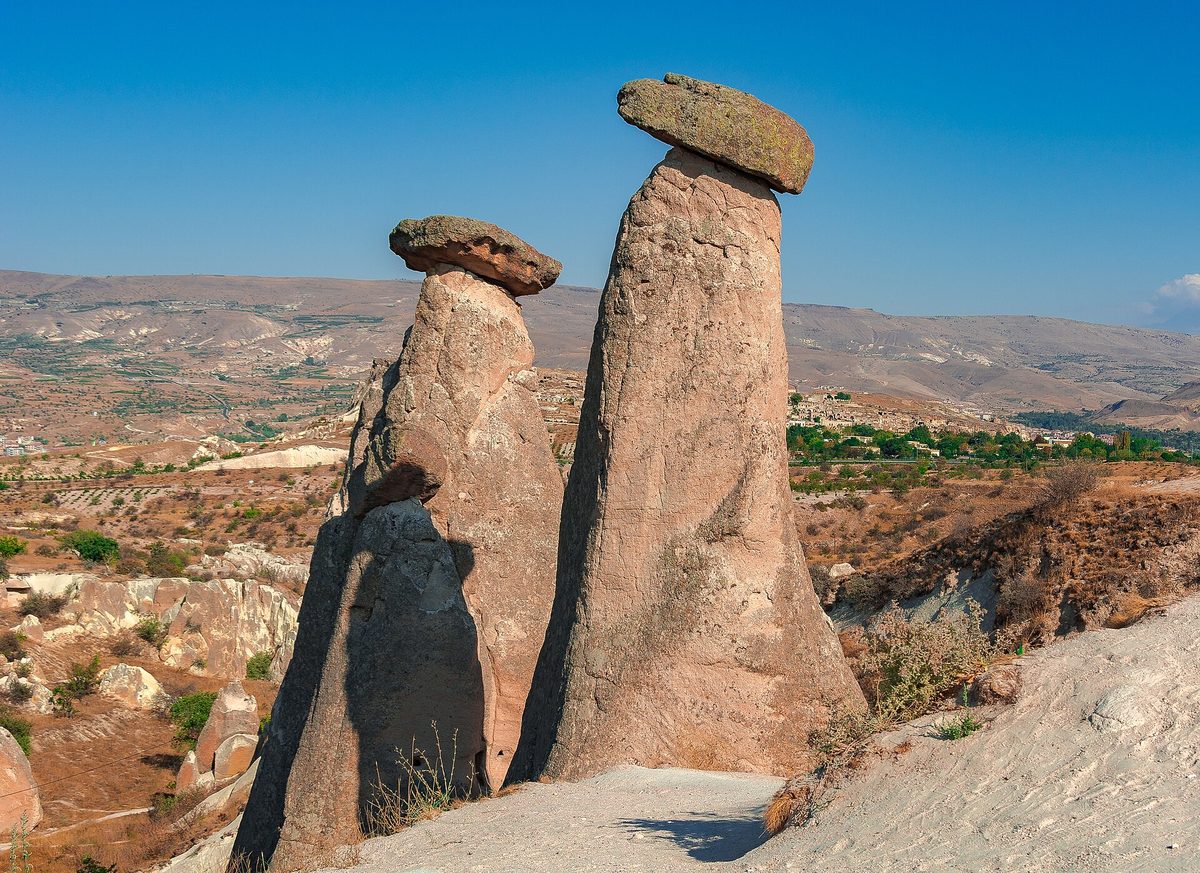
Fifteen to twenty flights a day connect Istanbul with Cappadocia’s two airports, split between Turkish Airlines from Istanbul Airport (IST) and Pegasus or AJet from Sabiha Gökçen (SAW). Kayseri (ASR) is the busier of the two airports and sits about an hour from Göreme by shuttle or transfer; Nevşehir (NAV) is smaller, quieter, and only around 40 minutes from Göreme, which makes it the better arrival point when a flight serves it directly. The flight itself takes 70 to 85 minutes; book two to four weeks ahead and expect roughly €30–70, or close to double that inside a week of departure. Airport shuttles into Göreme and the surrounding villages run about €10 per person and are usually arranged through your accommodation or a transfer company rather than booked independently.
The overnight bus is the honest budget alternative, not a downgrade to be avoided. Kamil Koç, Metro Turizm, Nevşehir Seyahat and Süha all run services from Esenler or the smaller Alibeyköy terminal, departing roughly between 20:00 and midnight and arriving in Cappadocia between 06:00 and 11:00 the next morning, for €25–35. The 730 km covers in ten to twelve hours on a reasonably comfortable coach with reclining seats, and you save a hotel night by sleeping through the distance — a real consideration if your budget is doing the planning. Bring earplugs and something to prop against the window; Turkish long-distance coaches run an attendant serving tea and small snacks partway through the journey, which is a pleasant surprise the first time and not something to plan a meal around. There is no direct train: the rail route runs Istanbul to Ankara on the YHT high-speed line in four to four and a half hours, and then a further three and a half to four hours by bus from Ankara to Cappadocia, which comes to longer and more complicated than either the flight or the direct overnight bus, and is not something I would recommend unless the Ankara leg is itself part of your plan.
Baggage policy is worth checking regardless of which flight you book. Turkish Airlines’ domestic fares generally include a checked bag; Pegasus and AJet’s headline fares often do not, and add it back as a paid extra at booking or, more expensively, at the airport — factor that into the true price comparison rather than reading the advertised fare alone. Weather is the other variable nobody puts in a price table: Cappadocia’s balloon flights operate at the pilot’s discretion based on wind and visibility, and a cancelled morning is common enough, particularly outside the calmer late-spring and autumn windows, that booking a single night with no buffer day risks paying for a flight you never take.
Can you do Cappadocia as a day trip from Istanbul?
Technically, yes, and I would not do it. A same-day round trip means a pre-dawn flight out, a full day on the ground with no rest, and a late flight back — and it structurally excludes the one thing most people are actually flying to Cappadocia for, since hot air balloons only fly at first light in calm conditions and a day-trip itinerary has you either still in the air yourself or only just landing when the balloons are already down. The honest minimum is two nights: fly or bus in one evening, get up before dawn the next morning for a balloon flight (weather permitting — operators cancel for wind more often than marketing photos suggest), spend the day around Göreme’s open-air museum and the underground cities at Derinkuyu or Kaymaklı, and fly or bus back on the third day. Five, seven and ten-day Istanbul-plus-Cappadocia itineraries are common and sensible for a first Turkey trip; treat two nights as the floor, not the target.
Ephesus from Istanbul: fly-in tour versus doing it yourself
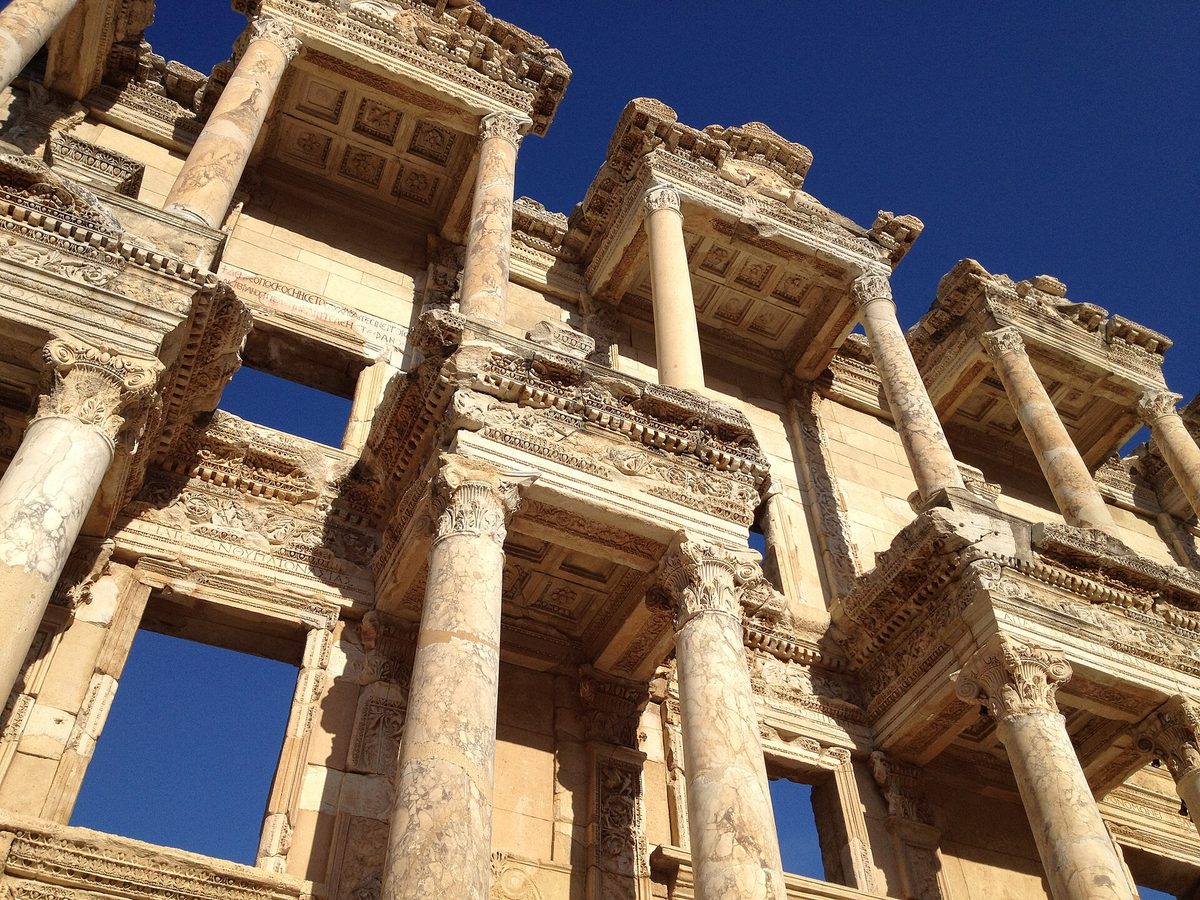
Ephesus works differently from Cappadocia because there genuinely is a viable one-day version, at a cost. Fly-in day tours run from Istanbul Airport or Sabiha Gökçen to Adnan Menderes Airport (ADB) near Izmir, roughly an hour in the air, with a coach transfer on to Ephesus itself, the House of the Virgin Mary, the Temple of Artemis site and the Isa Bey Mosque, plus lunch, all bundled into a single ticketed day from around $324 per person as of September 2026 research. The catch is the schedule: a 04:00 pickup and a return well into the evening, roughly fifteen hours door to door, which is a demanding single day rather than a relaxed one.
Doing it yourself costs less and takes about the same total time, once you account for booking your own flight to Izmir, then a local train or dolmuş onward to Selçuk, the town Ephesus sits beside, then walking or taxiing the short distance to the ruins themselves. The saving is real if you are already comfortable navigating Turkish regional transport on the fly; the tour’s advantage is that someone else handles four separate handoffs so you can simply show up, which matters more on a trip with only one spare day than it does on a longer one. Either way, treat this as a long single day or, better, an overnight in Selçuk if your schedule allows it — the ruins deserve more than the hurried afternoon slot a fly-in day tour gives them, and Selçuk itself, with the Basilica of St John and a genuinely good Saturday market, rewards the extra half-day.
Ephesus itself is largely uncovered and shade-free, which matters more than most tour descriptions mention: a midday visit in July or August is genuinely gruelling, and the site is considerably more pleasant at opening time or in the last two hours before closing, when both the light and the temperature are kinder. A fly-in tour built around a midday arrival window cannot avoid this; an independent overnight stay in Selçuk can, by walking to the site for the first or last opening hours of the day.
Pamukkale from Istanbul: flights to Denizli, or the slow train
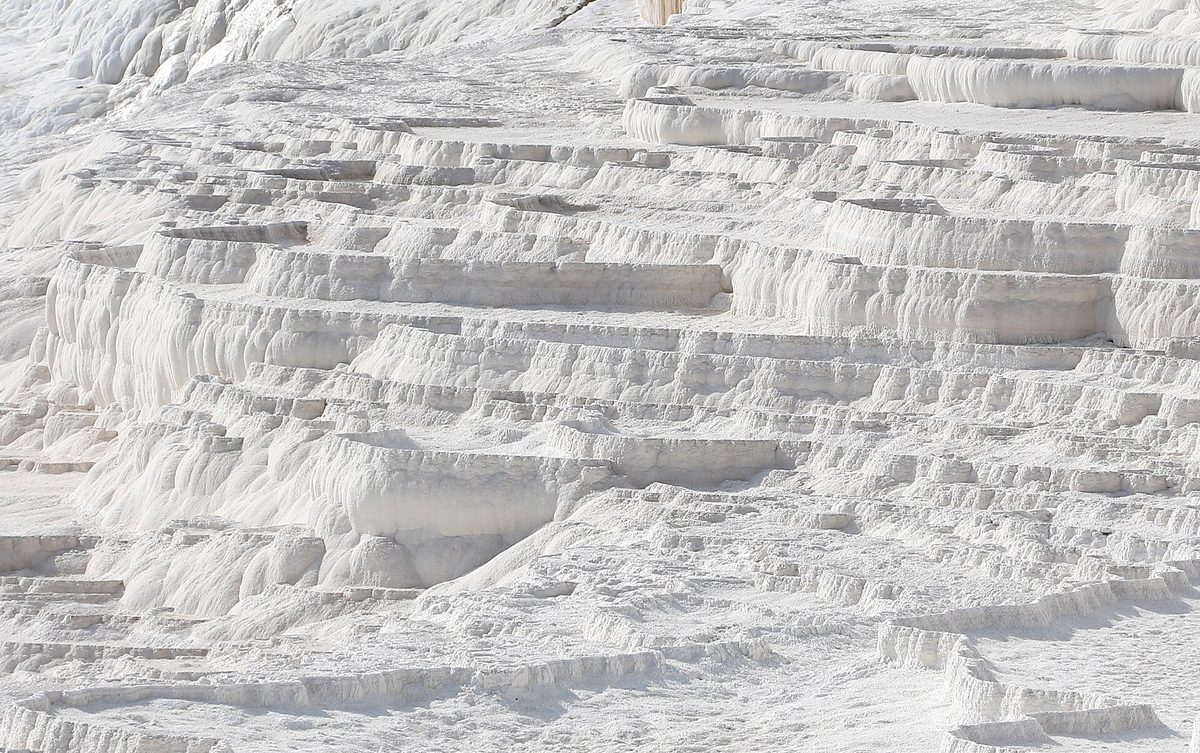
Pamukkale’s white travertine terraces and the Roman ruins of Hierapolis above them sit near Denizli, reached by a roughly 1h15 flight from Istanbul, in the same €30–70-ish band as the Cappadocia routes once booked a few weeks ahead. Fly-in day tours exist at a similar price point to the Ephesus ones, from roughly $300 per person, with the same structural problem: a very long single day built around two flights and a coach transfer either side of the sightseeing itself.
The rail alternative is more of a curiosity than a practical shortcut: take the YHT high-speed line from Istanbul to Eskişehir, around three and a half hours, then change to the slower Pamukkale Ekspresi regional service onward toward Denizli. It is a genuinely pleasant way to see the interior of Anatolia if you like trains for their own sake, and it costs less than flying, but it takes the better part of a day in transit alone before you have seen a single terrace. For most visitors on a first trip, fly, and treat Pamukkale — like Cappadocia — as worth an overnight rather than a rushed same-day round trip; the terraces are genuinely best seen in the low light of early morning or late afternoon, which a fly-in-fly-out day tour built around midday sightseeing does not give you.
One practical note that catches visitors out: parts of the travertine terraces are open for walking barefoot — shoes are not permitted on the calcium formations themselves, to protect them — while the adjoining Hierapolis ruins and museum require normal footwear. Bring sandals you do not mind getting wet and are happy to carry, and budget more time than a rushed itinerary suggests for the barefoot sections, since the surface is uneven and slower going than it looks in photographs.
Antalya, Izmir, Bodrum and the rest of the coast
Antalya is the gateway to Turkey’s Turquoise Coast resort belt — Kemer, Side, Belek and the beaches further west — and sits about a 1h15 flight from Istanbul, priced similarly to the Cappadocia and Pamukkale routes once booked a few weeks out. An overland bus exists, running eleven to twelve hours down the Mediterranean coast road, and only makes sense if you are deliberately stopping somewhere along the way rather than trying to save money on a route where the time cost is simply too high for most itineraries.
Izmir is the practical base for Ephesus and the wider Aegean coast, and the shortest of the three flights at roughly 1h05. A slower alternative exists via a Bandırma ferry crossing followed by a connecting train, which takes considerably longer door to door and mainly appeals if the sea crossing itself is something you want as part of the trip rather than a route to be endured. Izmir itself, a large modern port city with its own seafront promenade and a genuinely good food scene independent of Ephesus, is worth a night if your schedule allows rather than treating it purely as a transfer point.
Bodrum, further south on the coast, is around a 1h10 flight to Milas–Bodrum Airport (BJV), and functions as its own resort and sailing destination rather than a base for other sights — think of it as a beach-and-marina add-on rather than a touring stop. None of these three coastal destinations make sense as day trips from Istanbul; they are separate legs of a longer Turkey itinerary, best treated as a few days each rather than a rushed add-on squeezed around an Istanbul-based holiday.
Ankara by YHT: the high-speed rail gateway
The Yüksek Hızlı Tren service between Istanbul and Ankara is the one genuinely excellent piece of rail infrastructure on this whole list, and the one route here I would actively recommend over flying if your schedule allows it. Around fifteen trains run daily, taking four to four and a half hours, with economy fares running roughly 350 to 1,100 TL depending on date and class and business class offering a 2+1 seating layout with more room. Istanbul-side departures run from Halkalı, Bakırköy, Söğütlüçeşme or Pendik — Haydarpaşa, the beautiful old terminus on the Asian shore, has been closed for years and is not a working station, whatever an older blog post might tell you. Tickets are released roughly two weeks to a month ahead of travel through TCDD’s own booking system and sell out on popular dates, so book earlier rather than later if Ankara is a firm part of your plan. The line also serves Eskişehir en route, which is the connection point for the slower rail option toward Pamukkale described above.
Ankara itself rarely appears on a first-timer’s Istanbul-based itinerary, and that is a mistake worth reconsidering if you have a spare two or three days: the Anıtkabir mausoleum, the Museum of Anatolian Civilizations — regularly ranked among the best archaeological museums in the world for its Hittite collection — and the old citadel quarter are a genuinely different Turkey from Istanbul’s Ottoman-and-Byzantine layering, worth seeing in their own right rather than treated purely as a transit stop en route to somewhere else. The four-hour train ride there and back is comfortable enough to make an Ankara side trip a realistic addition rather than a chore.
Domestic flights: Turkish Airlines, Pegasus and AJet, and which airport to use
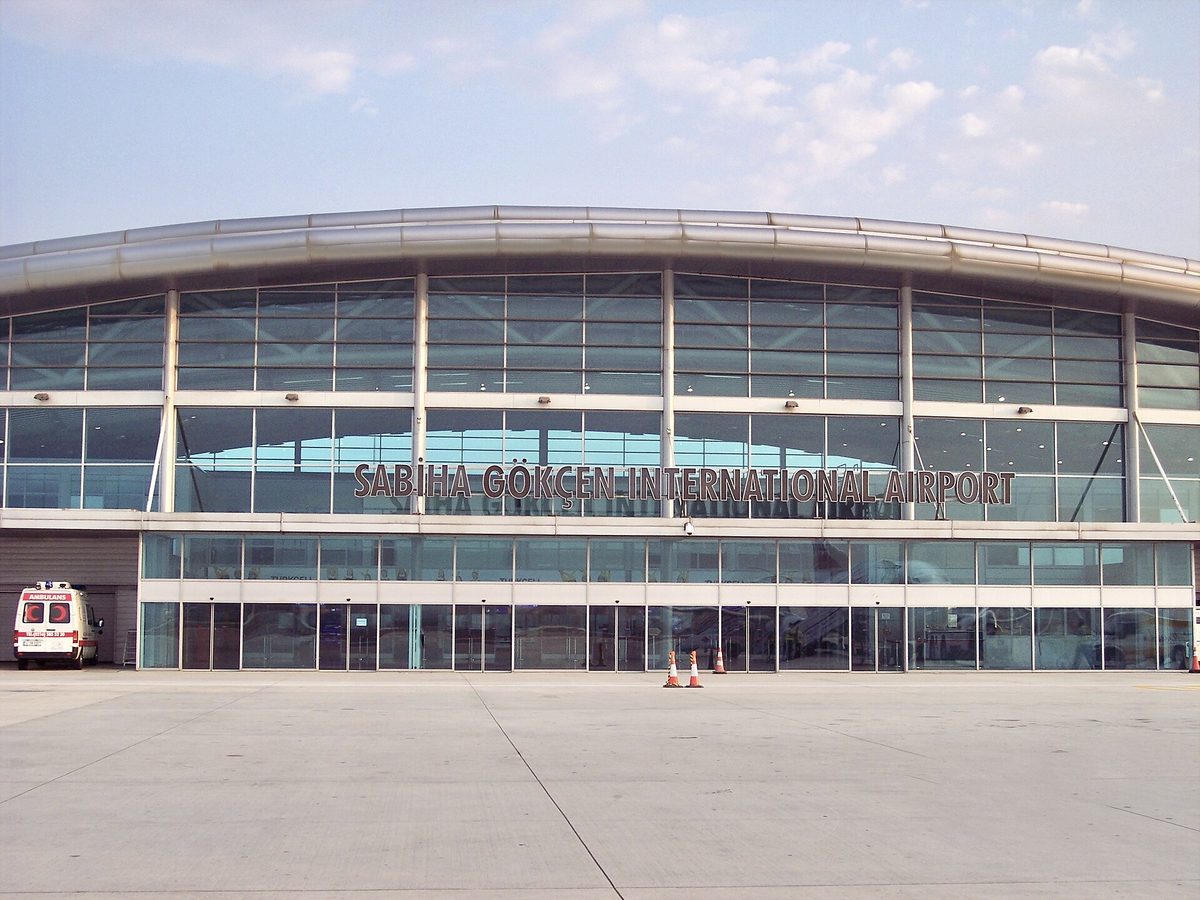
Three carriers dominate the domestic network relevant to a Turkey trip that starts in Istanbul. Turkish Airlines, the full-service national carrier, flies primarily from Istanbul Airport (IST) and tends to sit at the upper end of the price range with the widest schedule and the most reliable rebooking if something goes wrong. Pegasus and AJet are the budget carriers, flying mainly from Sabiha Gökçen (SAW) on the Asian side, usually cheaper on a like-for-like route but with the stricter baggage and change-fee terms typical of low-cost carriers everywhere. In practice this means the airport you fly from is partly decided by which carrier has the better fare and schedule for your specific date, which argues for checking both IST and SAW departures rather than assuming one airport covers all of Turkey’s domestic network. For the fuller comparison of getting between the two airports and the city, see our Istanbul Airport to city centre guide.
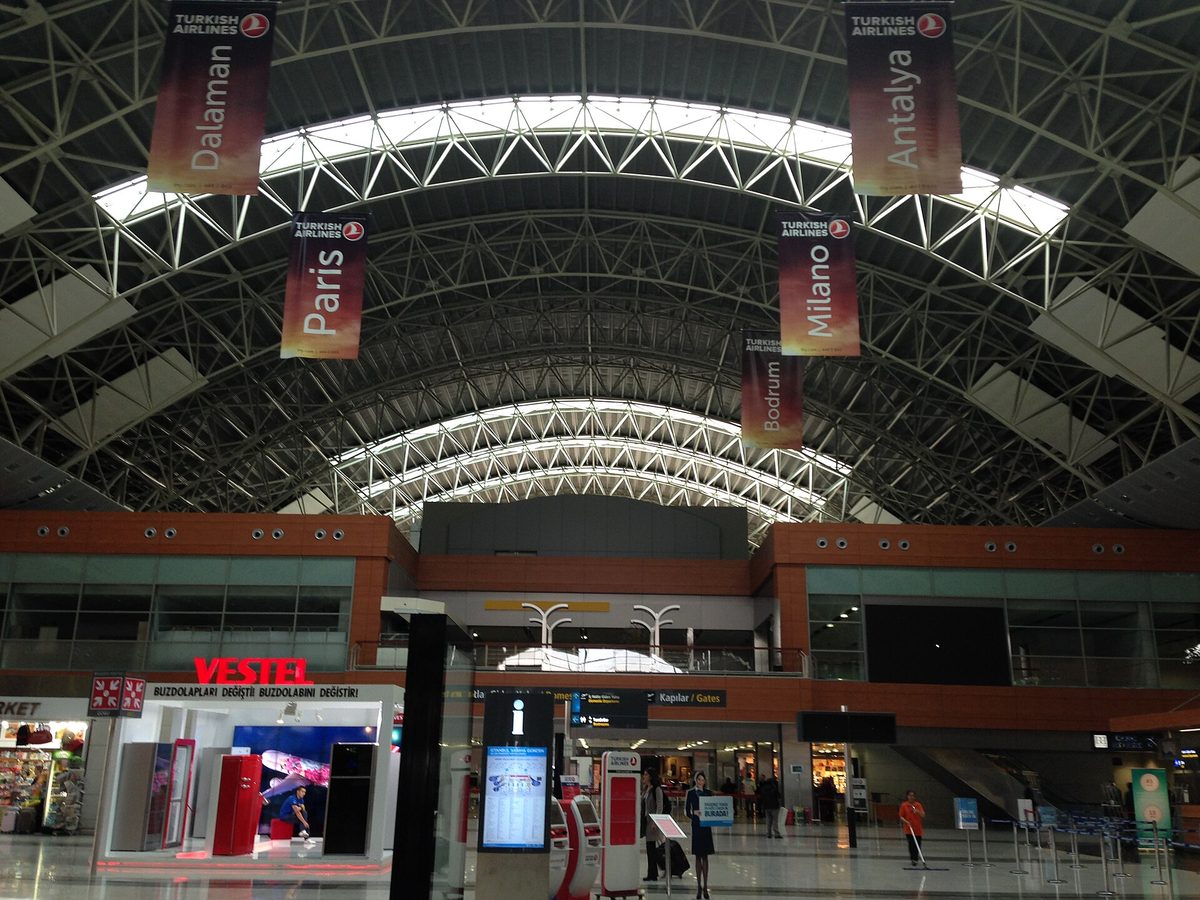
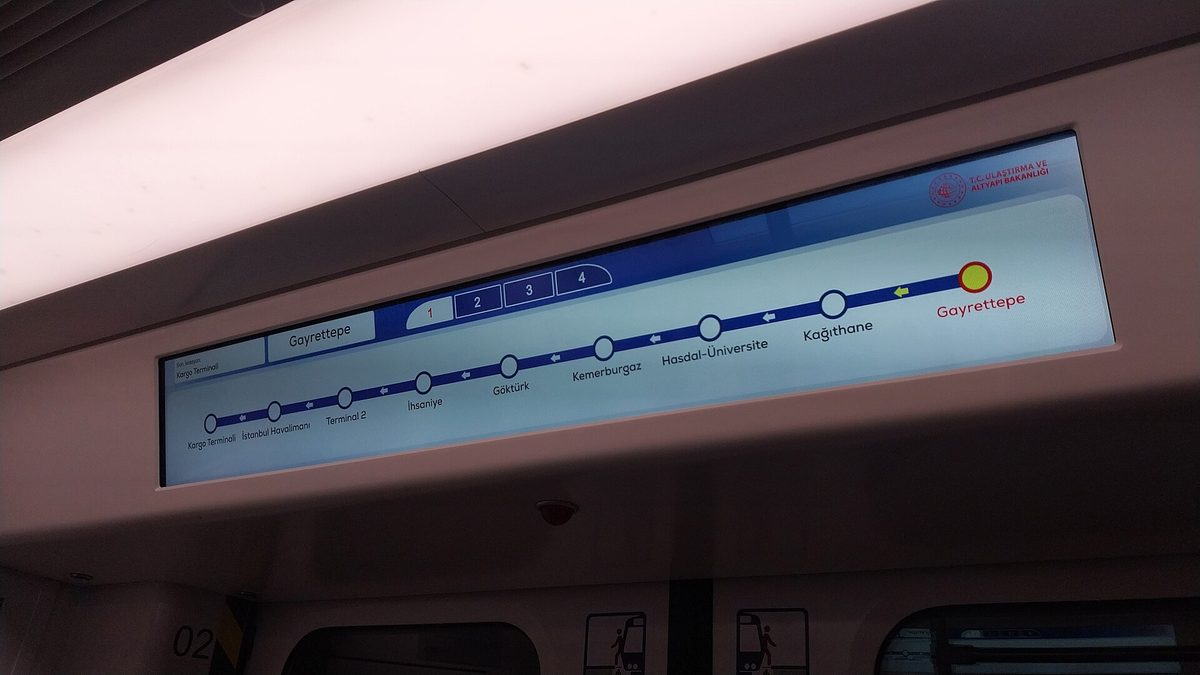
Whichever airport your domestic flight leaves from, factor in the transfer time from central Istanbul honestly: Sabiha Gökçen sits well out on the Asian side and can take over an hour from Sultanahmet or Beyoğlu in traffic, while Istanbul Airport’s M11 metro link makes the European-side departure more predictable if you are not checking a bag through on a connecting international flight. Arrive with more buffer than the airline’s own recommended check-in window suggests, particularly for an early-morning domestic departure timed against a Cappadocia balloon flight the same evening.
Booking Turkish train tickets: TCDD’s e-Bilet system
TCDD Taşımacılık, the state rail operator, sells YHT and regional tickets through its own e-Bilet website and app rather than through a third-party aggregator, and tickets typically go on sale somewhere between two and four weeks before departure — the exact window has been reported differently across sources, so check the live release date on the site itself rather than assuming a fixed rule. International cards generally work for payment, though the interface and confirmation emails are in Turkish by default with an English option available; screenshot your confirmation and be ready to show a passport that matches the name on the booking, since conductors do check ID against the ticket on Turkish long-distance trains more often than on many European systems.
Istanbul’s bus terminals: Esenler, Alibeyköy and Harem
Esenler, officially Büyük İstanbul Otogarı, is the city’s main intercity bus station, a genuinely enormous complex of 324 platforms reachable directly by the M1A or M1B metro to the “Otogar” stop — nearly every long-distance coach company, including the ones running to Cappadocia, operates from here. Alibeyköy is a smaller, newer terminal on the T5 tram line used by some of the same companies for a subset of departures, worth checking specifically when booking since it is not interchangeable with Esenler for every route. On the Asian side, Harem, near Üsküdar, along with newer terminals at Ataşehir and Dudullu, serves departures that do not require crossing back to the European side first — useful if your hotel is already on the Asian shore and your bus company operates from there.
Sample itineraries: fitting Cappadocia into a wider Turkey trip
Most first-time visitors underestimate how much dead time a Turkey trip spends in transit if it is not planned around these numbers, and overestimate how much they can add on top of Istanbul without the trip starting to feel like a checklist. Three shapes work well.
Five days: three full days in Istanbul, then fly to Cappadocia on the evening of day three, giving you a dawn balloon flight on day four, a full day of sightseeing, and a flight back on the morning of day five. Tight, but genuinely workable, and it is the version most “Istanbul and Cappadocia in five days” itineraries online are quietly describing without stating the arrival-time logic explicitly.
Seven days: four days in Istanbul — enough for the old city, the Bosphorus and the Asian side without rushing — then three full days and two nights in Cappadocia, which gives you a buffer day if the first balloon flight is weathered off, since operators do cancel for wind more often than the marketing photography suggests. This is the shape I would recommend for most people reading this as their first Turkey trip.
Ten days or more: the seven-day plan above, plus either a coastal add-on (Ephesus via Izmir, or a few days on the Turquoise Coast around Antalya or Bodrum) or the Ankara YHT leg if you specifically want to see the interior by rail rather than just fly over it. Do not try to fit Cappadocia, Ephesus and Pamukkale all into one ten-day trip alongside Istanbul — that is the itinerary that turns into three airports, two overnight buses and no actual rest, and it is worth resisting even when a tour operator’s package makes it look seamless on a single map graphic.
What to skip, and what to reconsider
A literal Cappadocia day trip. Covered above in detail: it is possible, it excludes the balloon flights that are the main reason people go, and it turns what should be a highlight of a Turkey trip into an exhausting single day. Give it two nights minimum.
Booking a fly-in tour without checking the actual flight times. Some Ephesus and Pamukkale tour operators build their day around whichever flight happened to be cheapest to charter that season, which can mean a genuinely brutal pre-dawn start. Ask specifically what time the outbound flight departs before booking, not just what the tour includes once you land.
Assuming a train exists where one does not. There is no direct Istanbul–Cappadocia train, and the Istanbul–Bursa route has no working direct rail line either — both routes are sometimes described inaccurately by older or AI-generated content that has never actually checked a current timetable. Verify the specific route on TCDD’s own site or a current, dated source before building a plan around a train connection, particularly if an itinerary you found online states a travel time that seems suspiciously convenient.
Treating Antalya, Izmir or Bodrum as an Istanbul day trip. All three are separate legs of a longer Turkey itinerary, each an hour or more away by air with a different climate and character from the city. If your trip is genuinely Istanbul-only, these three destinations do not belong on your list at all; if you have the days for them, budget several each, not an afternoon squeezed between museum visits.
Buying an overnight bus ticket without checking the seat type. “2+1” seating with a genuine recline is standard on the major operators (Kamil Koç, Metro Turizm) for the Cappadocia route; cheaper unnamed operators sometimes run older 2+2 coaches with less room. The price difference is small; the comfort difference over ten to twelve hours is not.
Packing for one climate when you are visiting two. Cappadocia’s high-altitude interior runs noticeably cooler at night than coastal Istanbul, even in summer, and considerably colder in winter than the city’s own mild-by-comparison chill — a jacket that felt unnecessary at sea level earns its place in the bag once you are stepping into a pre-dawn balloon basket at altitude. Check the specific week’s forecast for wherever you are heading beyond Istanbul rather than packing purely for the city itself.
Frequently asked questions
How do you get from Istanbul to Cappadocia?
Fly to Kayseri (ASR) or Nevşehir (NAV) in 70–85 minutes, from around €30–70 booked a few weeks ahead, or take an overnight bus from Esenler or Alibeyköy in 10–12 hours for €25–35. There is no direct train.
Can you do Cappadocia as a day trip from Istanbul?
Technically, but it means a pre-dawn flight, a full day with no rest, and a late return — and it usually rules out the balloon flights, which only operate at first light. Two nights is the realistic minimum.
Is Ephesus worth a day trip from Istanbul?
Yes, more than Cappadocia or Pamukkale, because a fly-in day tour genuinely works logistically at around $324 per person and 15 hours door to door. It is a long day, not an impossible one.
How do you get to Pamukkale from Istanbul?
Fly to Denizli (DNZ) in about 1h15, or take the YHT high-speed train to Eskişehir and change to a slower regional service onward — the flight is faster and the more practical choice for most visitors.
Is there a direct train from Istanbul to Cappadocia or Pamukkale?
No direct train exists to either. For Cappadocia, the rail alternative means Istanbul–Ankara by YHT plus a further bus leg, which takes longer than flying or the direct overnight bus. For Pamukkale, YHT to Eskişehir connects to a regional train onward. Neither is a genuine time-saver over flying; both are worth doing only if you specifically enjoy train travel for its own sake.
Is it worth visiting Ankara on the way to or from Cappadocia?
If you have a spare two or three days, yes — the Museum of Anatolian Civilizations and the Anıtkabir mausoleum are genuinely worth the detour, and the four-hour YHT ride there is comfortable enough to make it a realistic add-on rather than a chore. On a tight schedule, skip it and go straight to Cappadocia by air.
Which airport should I fly from for domestic Turkish flights?
Turkish Airlines flies primarily from Istanbul Airport (IST); Pegasus and AJet, the budget carriers, fly mainly from Sabiha Gökçen (SAW). Check fares from both airports for your date rather than assuming one covers the whole domestic network.
How far in advance should I book Turkish high-speed train tickets?
Tickets for the Ankara YHT service typically go on sale two to four weeks ahead through TCDD’s own e-Bilet system; the exact window has been reported inconsistently, so check the live release date rather than assuming a fixed rule, and book as soon as tickets appear for popular dates.
Where do intercity buses leave from in Istanbul?
Most long-distance coaches, including Cappadocia services, depart from Esenler (Büyük İstanbul Otogarı), reachable by the M1 metro. Alibeyköy on the T5 tram handles some of the same companies’ departures, and Harem on the Asian side serves routes that do not need a crossing first.
How many days should I spend in Cappadocia?
Two nights is the realistic floor, giving you one dawn balloon flight and a full day of sightseeing with a buffer if the first morning is weathered off. Three nights is more comfortable and lets a cancelled balloon flight simply move to the next morning rather than being lost entirely.
Can I combine Cappadocia, Ephesus and Pamukkale in one trip from Istanbul?
You can, but not comfortably inside ten days alongside a proper Istanbul stay — each destination needs its own flight or long journey there and back, and stacking all three turns the trip into transit days with sightseeing squeezed between them. Pick one or two beyond Istanbul for a first visit and save the rest for a return trip.
What should I pack for Cappadocia if I am also visiting Istanbul?
Layers, regardless of season. Cappadocia’s high, dry interior swings between a warm day and a genuinely cold night more sharply than coastal Istanbul does, and a pre-dawn balloon flight in particular is colder than the daytime forecast for the region would suggest. A jacket that feels surplus to requirements walking around Sultanahmet earns its place once you are standing in a basket before sunrise.
If you are still weighing up how to split a first Turkey trip, start with the city. Our guide to whether Istanbul is worth visiting covers who it suits, who might skip it, and how many days to give it before you head to Cappadocia.