Before You Go ·
Do I Need a Visa for Turkey? Entry Rules by Passport, Lira, SIMs & What to Pack for Istanbul
Turkey's entry rules passport by passport as of September 2026, the 150-day validity rule and where official sources disagree, how to avoid e-visa agent sites, and the money, SIM and packing essentials.
In this guide 15 sections
The most expensive mistake I see on Istanbul forums is not a taxi scam or a carpet. It is an American paying $60 to a website with a Turkish flag on it for an e-visa they have not needed since December 2023. The site looks official, the confirmation email looks official, and the money is simply gone.
So, do i need a visa for turkey? If you hold a US, Canadian, UK, Australian, New Zealand, Irish or EU passport, no: you can stay 90 days in any 180 for tourism without one. India and South Africa still need an e-visa, bought only at evisa.gov.tr. Your passport needs at least 150 days’ validity on arrival.
This page covers the entry rules passport by passport as they stood on 10 September 2026, the validity rule and the one place official sources disagree about it, how to apply for an e-visa without paying an agent, and then everything else that belongs in the week before you fly: lira versus cards, ATMs, SIMs and eSIMs, insurance, customs, and what to pack for mosques. Rules change — Australia went visa-free in April 2026 and China in January — so check the official sources linked here before you book.
Do I need a visa for Turkey? The answer by passport
| Passport | Visa for tourism? | Stay allowed | Since / notes |
|---|---|---|---|
| United States | No | 90 days in any 180 | Visa-free since 23 December 2023. Pages telling you to buy an e-visa are out of date |
| Canada | No | 90 days in any 180 | Visa-free since 23 December 2023 |
| United Kingdom (British citizen) | No | 90 days in any 180 | Business or tourism. Other British nationality types need a visa |
| Australia | No | 90 days in any 180 | Visa-free from 17 April 2026, tourism and transit; ordinary passports only |
| New Zealand | No | 90 days in any 180 | Long-standing exemption |
| Ireland and most EU states | No | 90 days in any 180 | Fourteen EU nationalities can enter on a national ID card (see below) |
| Japan, South Korea, Singapore | No | 90 days in any 180 | Long-standing exemptions |
| China | No | 90 days in any 180 | Reported visa-exempt from 2 January 2026; confirm on the MFA site |
| Mexico | Check | — | Sources conflict: listed both as exempt and as a conditional e-visa nationality. Use the official checker |
| India | Yes — e-visa | Per visa | Conditional e-visa: needs a valid Schengen, UK, US or Irish visa or residence permit, plus conditions |
| South Africa | Yes — e-visa | Per visa | Apply at evisa.gov.tr |
Sources: the UK Foreign Office’s Turkey entry page for British citizens, the Turkish Consulate-General in Melbourne’s information note of 19 May 2026 for Australians, and the Turkish Ministry of Foreign Affairs’ published exemption list as summarised in current secondary sources for the rest. All checked 10 September 2026. If your passport is not in this table, or you are travelling for work, study or a long stay, use the Ministry of Foreign Affairs’ visa checker — do not rely on this page or any other unofficial one.
What “90 days in any 180” actually means
It is a rolling window, not a calendar allowance. On any day you are in Turkey, look back 180 days; the number of days you have spent in the country in that window must not exceed 90. Two 45-day trips six weeks apart are fine. Three 40-day trips in five months are not. The exemption is for tourism and, for most nationalities, short business visits — it does not permit paid work, and it does not permit you to study or settle.
Overstaying is taken seriously. Expect a fine on departure, and depending on the length of the overstay, an entry ban that can run from months to years. If there is any risk you will go over, apply for a residence permit through the proper channel before your 90 days run out rather than hoping the border officer is relaxed.
Passport validity: the 150-day rule, and the one conflict
The general rule, stated by the Turkish Ministry of Foreign Affairs, is that your passport must be valid for at least 60 days beyond the end of your permitted stay. For a 90-day visa-free visit, that works out as 150 days from the date you arrive. The UK government’s advice for British citizens matches it exactly: an expiry date at least 150 days after arrival, and at least one blank page.
The conflict: the Turkish consulate’s information note for Australian passport holders, published in May 2026, advises a passport valid for at least six months from arrival. Six months is stricter than 150 days, and airlines — who can refuse to board you if they think you will be turned away — sometimes apply the stricter figure. My advice is simple: if your passport has between five and six months left, renew it before you go, or at minimum check with your airline in writing. Losing a trip over a thirty-day discrepancy between two official documents would be a very stupid way to spend a holiday.
If you are planning to live in Turkey rather than visit, the requirement is six months for everyone.
The e-visa: who needs one, and how not to overpay
Turkey’s electronic visa replaced the old sticker visa on arrival for most nationalities, and the visa-on-arrival desks at the airports have been largely phased out. If your nationality needs one, you apply online, pay by card, and receive a PDF you print or show on your phone at passport control.
The only official site
The official e-visa portal is evisa.gov.tr. That is the only address. Search for “Turkey e-visa” and you will find, above and around it, a crowd of agent sites with names built from the words “turkey”, “evisa”, “online” and “official”, often with the Turkish flag, often with a price two or three times the government fee, and occasionally with nothing at the end at all. Some are legitimate agents who do forward your application for a mark-up; some are not. None is necessary.
The fee itself varies by nationality and is shown on evisa.gov.tr during the application. I am deliberately not printing a figure here, because it has changed several times, and any number on a third-party page — including this one — could be the thing that costs you.
Conditional e-visas
For a group of nationalities — including India, Pakistan, Bangladesh, Egypt, the Philippines and several others — the e-visa is conditional. Applicants typically need to hold a valid visa or residence permit from a Schengen country, the UK, the US or Ireland; to arrive by air on Turkish Airlines or Pegasus; and to carry a return ticket, a hotel booking, proof of funds (a figure of around $50 a day is commonly cited) and travel medical insurance. The exact conditions are shown on evisa.gov.tr for your nationality and are enforced at the border. If you cannot meet them, you need a sticker visa from a Turkish consulate before you travel.
How long it takes
Most straightforward e-visa applications are approved within minutes to a few hours. Apply at least a few days before you fly anyway, in case of a problem with your card or your details, and check that the name and passport number on the PDF match your passport exactly. A typo in the passport number is the commonest reason travellers get stopped.
At the border: what actually happens
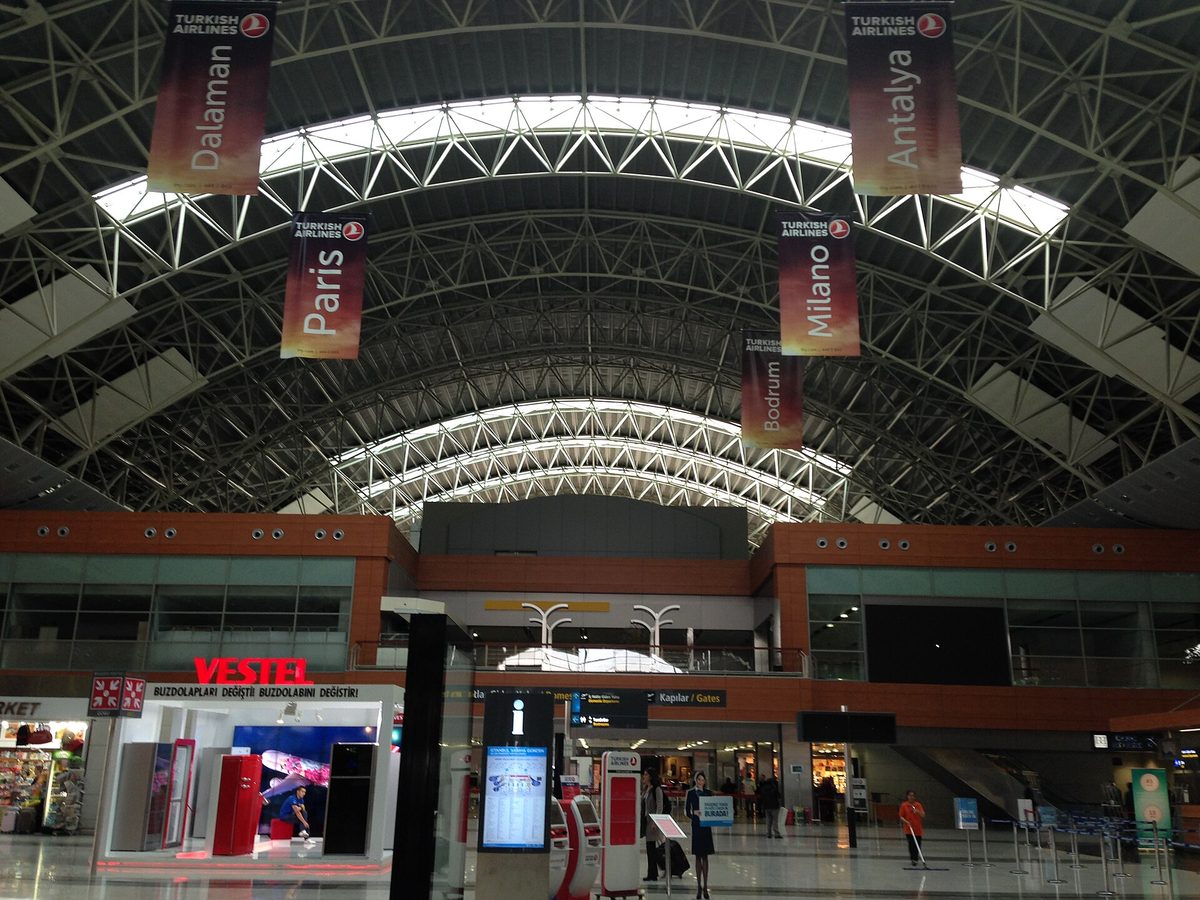
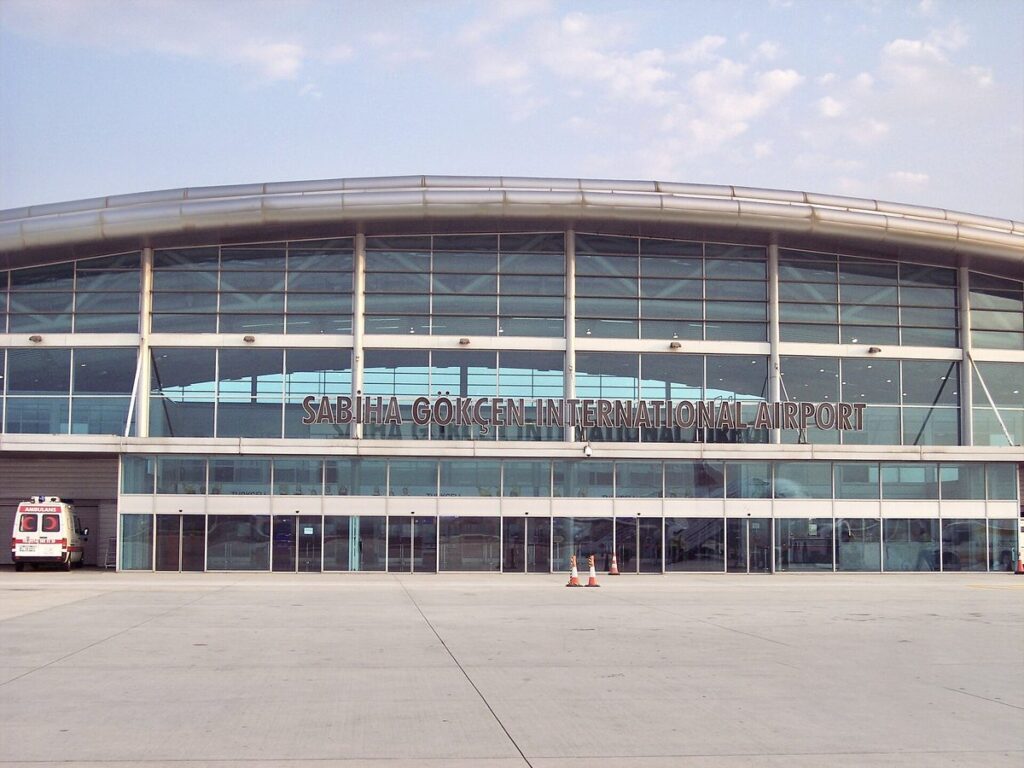
Nearly every visitor arrives at Istanbul Airport (IST) on the European side or Sabiha Gökçen (SAW) on the Asian side, and passport control at both is fast by the standards of big hubs — the queue is usually the longest wait of the arrival, not the check itself. Visa-exempt travellers present a passport and get a stamp. There is no arrival form to complete.
Officers can ask where you are staying and when you are leaving, and occasionally do. Have your hotel’s name and your onward or return flight to hand. For conditional e-visa holders, expect the conditions to be checked properly.
National ID cards
Citizens of Belgium, Bulgaria, France, Germany, Greece, Hungary, Italy, Luxembourg, Malta, the Netherlands, Poland, Portugal, Romania and Spain can enter on a valid national identity card for up to 90 days, as can citizens of Switzerland, Liechtenstein, Georgia, Moldova, Ukraine and Azerbaijan. Irish citizens need a passport. If you are relying on an ID card, check with your airline, which may have its own policy on travel documents.
Transit
If you are connecting airside at IST without passing through passport control, you do not need a visa at all. If you want to leave the airport on a layover — for the old city, say, which needs about ten hours to be worthwhile — you need whatever entry permission your passport requires. Visa-exempt passengers simply walk through. The time and transport arithmetic for leaving the airport is in the airport transfer guide.
After passport control: the first two hours
Once the stamp is in your passport, the next ninety minutes decide how much the rest of the trip costs you, and almost all of it is avoidable friction.
- Withdraw lira from a bank ATM in the arrivals hall — a few thousand lira, declining the conversion offer. This is the one thing to do before anything else.
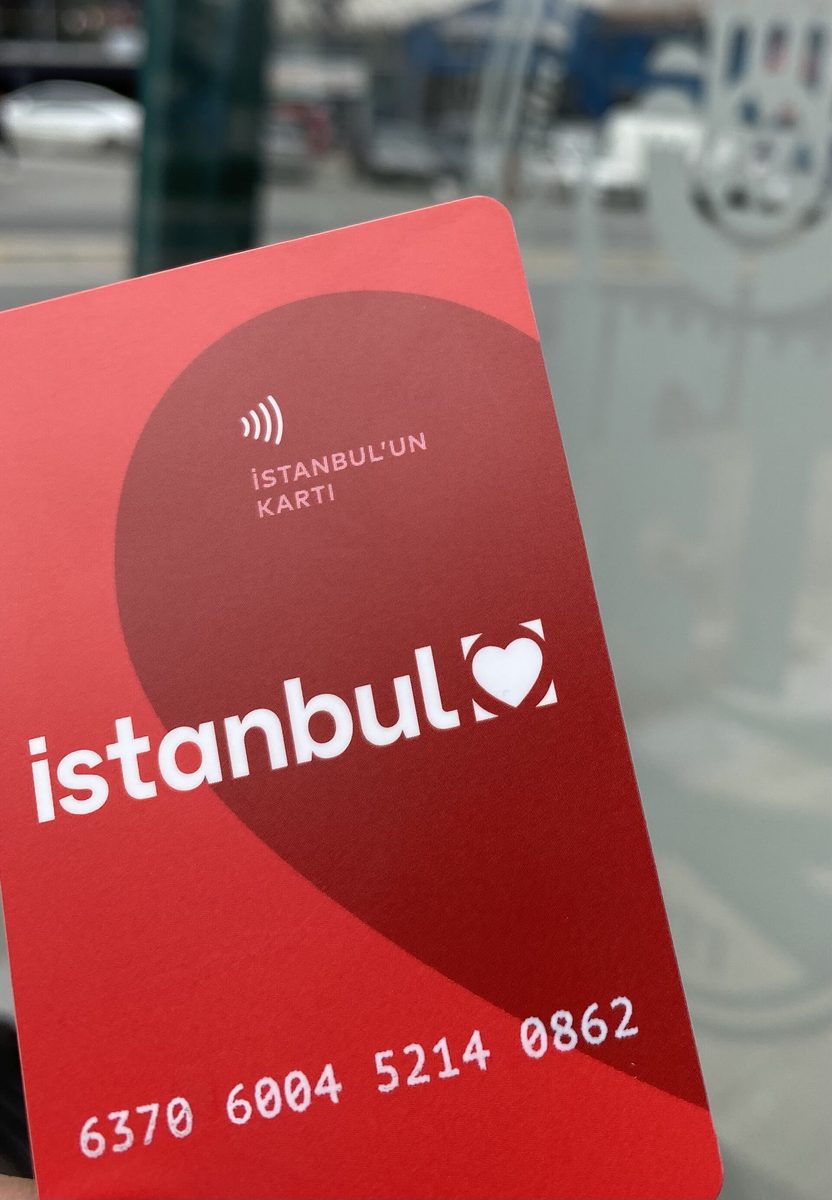
- Buy an Istanbulkart at the metro station: 165 TL for the card, then load it. One card covers up to five people, tapped once each.
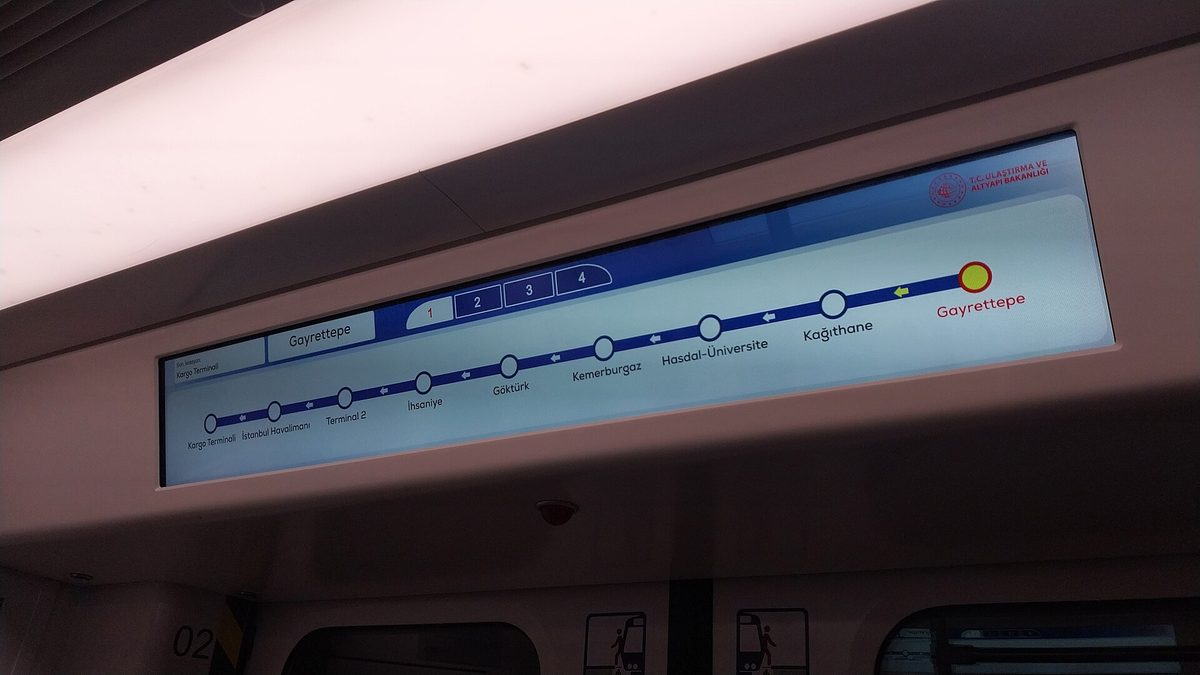
- Choose your route in. From Istanbul Airport, the M11 metro, the Havaist coach (470 TL to Taksim) or a fixed-price taxi. From Sabiha Gökçen, the M4 metro to Kadıköy in 52 minutes at a standard fare is the best-value airport connection in the city.
- Sort data, if you did not install an eSIM before you flew. The airport SIM desks are convenient and dearer than the same operators’ shops in town.
- Allow ninety minutes from landing to anywhere central, and more at rush hour. Istanbul Airport is about 40 km out.
Every route, with its times of day and luggage caveats, is in the guide to getting from the airport to the city centre.
Staying longer: residence permits, work and study
The visa-free allowance is for visiting. If you want to stay beyond 90 days in any 180, work, study or settle, you are in a different system, and the rule that matters is that you apply before your 90 days run out rather than after.
- Short-term residence permits are issued by Turkey’s Presidency of Migration Management, applied for online and then completed with an appointment and documents — typically proof of accommodation, health insurance valid in Turkey, and funds. Processing takes weeks and the requirements, particularly around which Istanbul districts accept new foreign residents, have tightened in recent years. Start early and check the current rules on the Presidency’s own site.
- Work needs a work permit arranged through an employer. The visa-free allowance does not permit paid work, including remote work for a Turkish client.
- Study needs a student visa from a consulate before you travel, followed by a student residence permit.
- Digital nomads: Turkey announced a digital nomad visa scheme in 2024, run through the culture and tourism ministry’s GoTürkiye programme, with age and income criteria. Its operation has been patchy in reporting; confirm that it is accepting applications, and on what terms, before you plan around it.
For short-stay rental accommodation, note that Turkish law since 2024 requires short-term lets to hold a tourism residence certificate. That is the landlord’s problem, not yours, but a listing that cannot show one is a listing that may disappear.
Turkey, Schengen and onward travel
Turkey is not in the European Union and not in the Schengen area. That has three practical consequences for anyone combining Istanbul with Europe.
First, days in Turkey do not count towards your Schengen 90-in-180 allowance, and days in Schengen do not count towards your Turkish one. The two clocks run separately. A traveller who has used most of their Schengen allowance can spend weeks in Istanbul without affecting it.
Second, you pass through full passport control when you fly between Istanbul and any EU country, in both directions, and the EU’s own entry requirements apply to you when you land there. Check those separately; they are not Turkey’s rules.
Third, a Turkish e-visa does not let you into anywhere else, and a Schengen visa does not let you into Turkey — though, for the conditional e-visa nationalities, holding a valid Schengen, UK, US or Irish visa is what makes you eligible for the Turkish e-visa in the first place.
If your trip continues into the rest of Turkey — Cappadocia, Ephesus, the coast — nothing changes: the same entry permission covers the whole country, and domestic flights need only your passport. The onward connections from Istanbul are covered in the day trips guide.
Money: lira, euros, cards and the rules that save the most
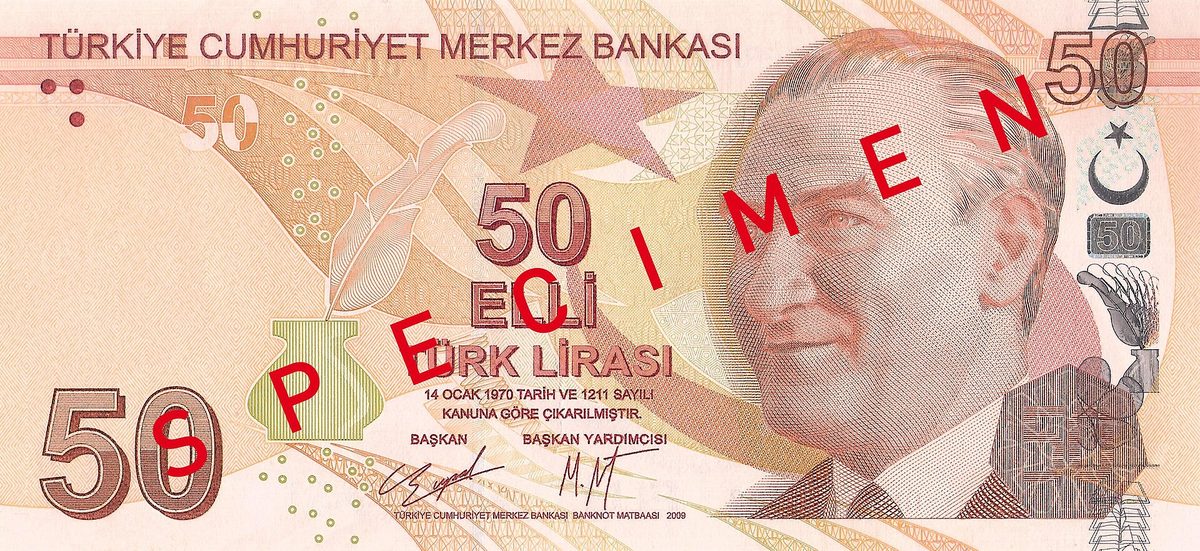
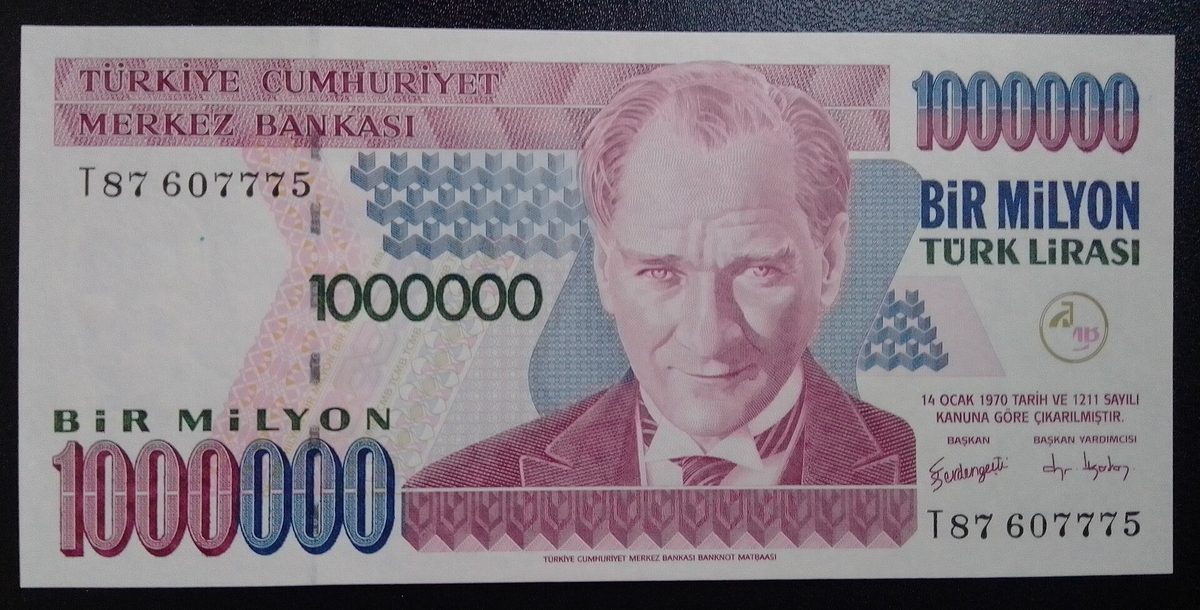
Turkey has run annual inflation somewhere between 30% and 50% for several years, with a central bank policy rate in the same territory, and the lira hit a record low against the dollar in the week I checked these figures: €1 ≈ 56 TL, $1 ≈ 48 TL, £1 ≈ 65 TL. That background explains every money rule below.
Should you bring lira, euros or dollars?
Bring a card, and withdraw lira when you land. Bringing lira from home means buying it at a poor rate from a currency that is falling in value while you hold it. Bringing euros or dollars as a backup is sensible — €100–200 in cash covers an ATM failure or a lost card — but paying in euros on the street gets you a worse deal almost every time, because the shopkeeper sets the exchange rate.
The one twist worth understanding: state museums price foreign visitors in euros (Hagia Sophia €25, the Archaeology Museums €15, Galata Tower €30) while municipal sites and the palaces price in lira (Topkapı 2,750 TL, the Basilica Cistern 1,950 TL, Dolmabahçe 2,000 TL). You still pay in lira, by card, at the rate of the day. The euro prices are stable; the lira ones rise every few months.
Cards
Visa and Mastercard are accepted almost everywhere with a roof — hotels, restaurants, museums, supermarkets, the ferry gates, and most shops. American Express is patchier. The Basilica Cistern takes cards only and refuses cash. What still wants cash: street food, tips, taxis if the driver insists the machine is broken, small hamams, market stalls, dolmuş minibuses and the island bike-hire shops. A card with no foreign-transaction fee saves a few per cent on everything.
ATMs and the mistake that costs the most
Use a bank ATM — Ziraat, Halkbank, VakıfBank, İş Bankası, Garanti BBVA, Yapı Kredi — rather than the standalone machines in tourist streets. Some Turkish bank ATMs charge foreign cards a substantial fee on top of your own bank’s; figures of 7–14% have been reported across different banks, with some state banks reported as cheaper on certain cards. The machine shows you the fee before you confirm, so read the screen and cancel if it is absurd.
Then, the rule that matters more than any other: always decline the offer to be charged in your home currency. That is dynamic currency conversion, the rate is set by the machine’s operator, and it typically costs a further 4–8%. Choose lira, every time, at ATMs and card terminals alike.
Exchange offices
Döviz offices are everywhere, and the ones in the Grand Bazaar area and on the side streets of Sultanahmet and Beyoğlu offer genuinely competitive rates — often better than a card for anyone whose bank charges foreign fees. The ones at the airport and inside hotels do not. Change enough at the airport for a taxi or a transport card and do the rest in town. Always count the money at the counter.
How much cash to carry, and what to declare
Between 1,500 and 3,000 TL covers an ordinary day of street food, tips, taxis and small purchases. On arrival or departure, any foreign currency worth more than $5,000 must be declared to customs, and you should not leave the country with Turkish lira worth more than about $5,000, according to the UK government’s entry guidance. Neither limit affects a normal holiday.
For a sense of daily budgets — careful, normal and comfortable — the figures are in the Istanbul travel tips, and the fares for getting around are kept up to date in the transport guide.
Phones: SIM, eSIM and the 120-day rule
Your home phone will work in Turkey, but Turkey is outside EU roaming arrangements, so check your plan before you fly — many European tariffs that include roaming in the EU charge heavily here. Three options:
| Option | Cost (2026) | Pros | Cons |
|---|---|---|---|
| International eSIM | From about $4 for 1 GB to $21–31 for 20–50 GB | Set up before you fly; working the moment you land | Data only on most plans; no Turkish number |
| Turkish tourist SIM, city shop | Roughly 1,300–3,200 TL by operator | Local number, calls, generous data | Passport registration in the shop; takes 20 minutes |
| Turkish tourist SIM, airport | Around 1,900 TL for 20 GB at IST, and generally dearer | Immediate | City shops are reported to be up to half the price |
| Home roaming | Depends entirely on your plan | No setup | Can be very expensive; check first |
The operators are Turkcell, Vodafone and Türk Telekom. Buy a physical SIM in a branded shop — not a kiosk — with your passport, and ask the staff to set it up in the shop. The prices quoted above come from a 2026 comparison and vary by package; treat them as a range.
The 120-day rule: Turkey requires foreign handsets used on Turkish networks to be registered, and a phone running a Turkish SIM for more than about 120 days without registration (which carries a fee) gets blocked. It is irrelevant for a holiday and relevant if you plan to stay for months.
Insurance and health
Travel insurance is not a condition of entry for visa-exempt nationalities, and it is a condition for several conditional e-visa nationalities. Buy it anyway. Turkish private hospitals are good, and in Istanbul very good, and they bill in full; public hospitals will treat emergencies, and anything beyond that is a conversation about payment. Make sure your policy covers medical evacuation and any activities you intend to do.
No vaccinations are required for entry from the UK, Europe, North America or Australasia. Pharmacies — eczane — are excellent, pharmacists give real advice, and a rota of duty pharmacies open overnight is posted in every pharmacy window. Tap water is treated but almost nobody drinks it; bottled water is 10–20 TL for half a litre. Turkey’s single emergency number is 112.
If you are bringing prescription medication, carry it in its original packaging with a copy of the prescription, and check your own government’s travel advice for any restricted substances before you fly — a handful of medicines that are routine elsewhere are controlled here.
What to pack for Istanbul
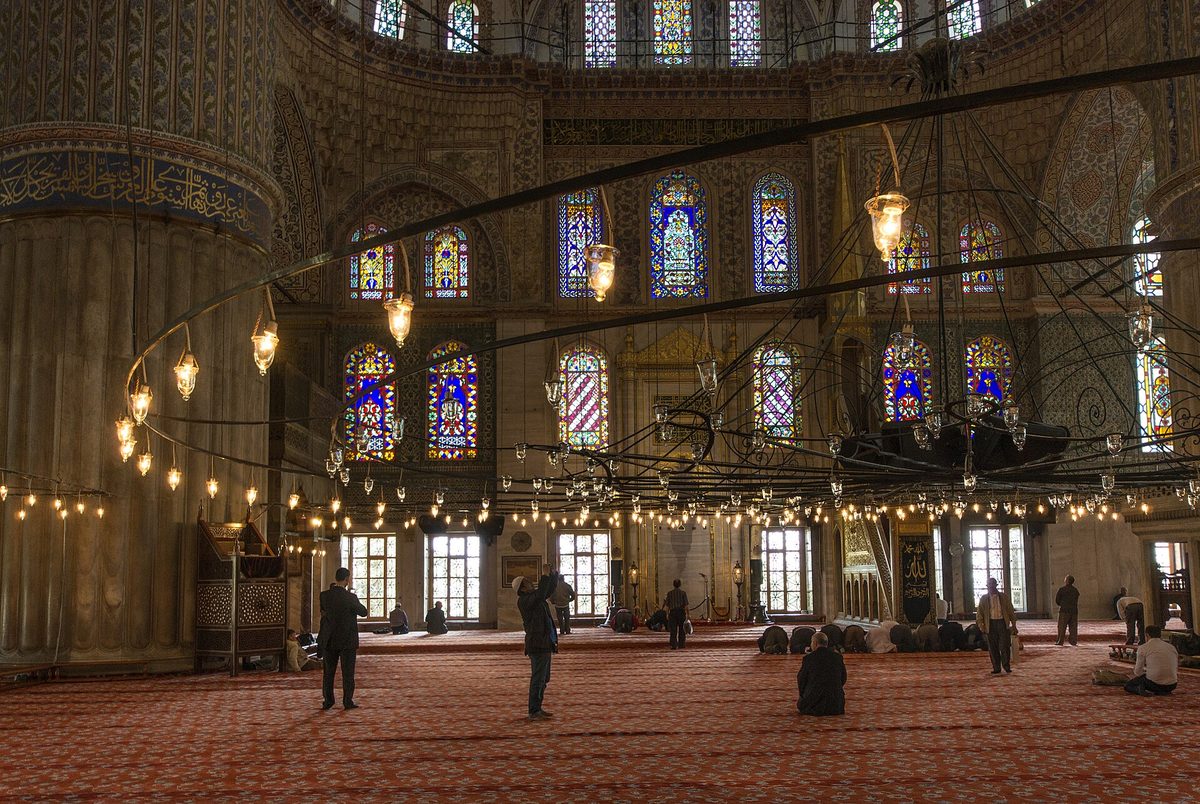
- A light scarf, whatever your gender — for mosques, for the wind on ferries, for the sun. It solves three problems.
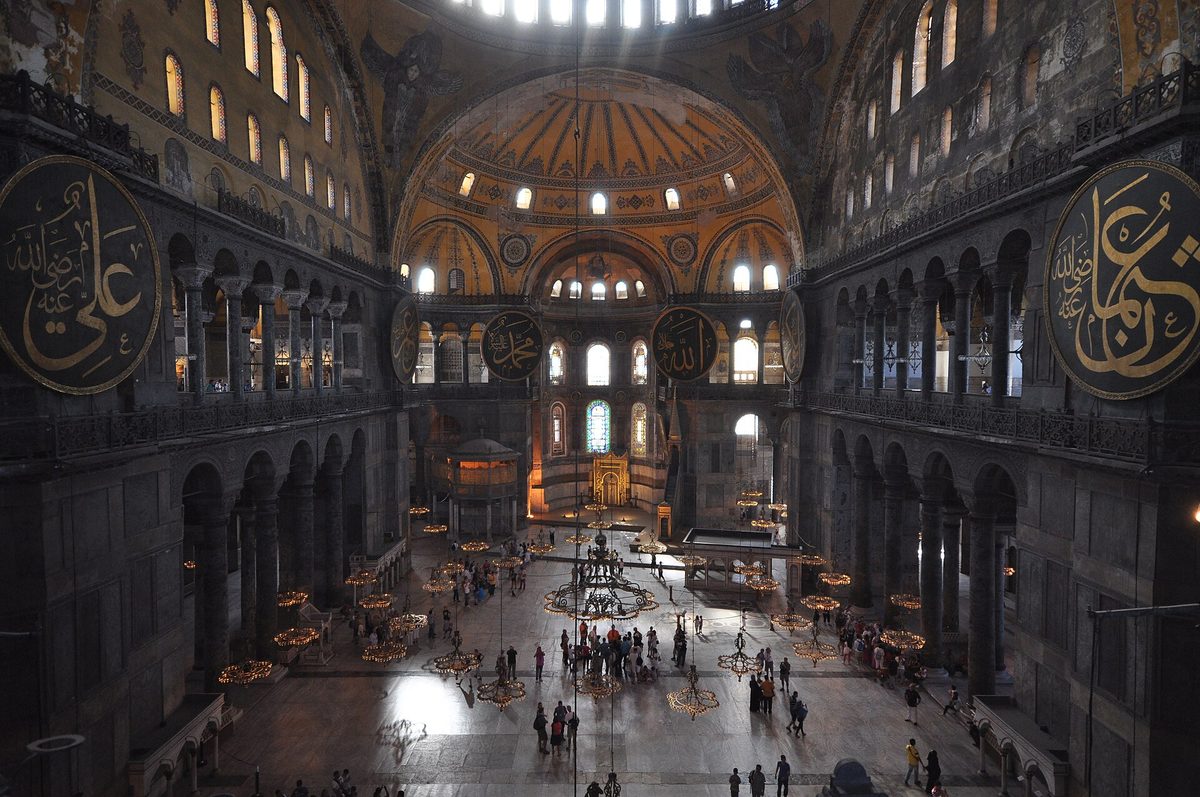
- Clothes that cover shoulders and knees for at least one day, for Hagia Sophia, the Blue Mosque, Süleymaniye and Eyüp. In Beyoğlu and Kadıköy anything goes.
- Walking shoes you have already broken in. Seven hills, cobbles, broken marble and stairs. This matters more than anything else on the list.
- Layers. September runs 26 °C afternoons into cool, windy evenings on the water; December averages 105 mm of rain. The month-by-month detail is in the best time to visit guide.
- A Type F plug adapter if you are coming from the UK, US or Australia: Turkey uses the standard European two round pins at 230 V.
- Tissues and coins, for public toilets that charge 5–10 TL and do not always supply paper.
- Swimwear between June and September, and for a hamam at any time — see the Turkish bath guide for exactly what to wear.
Customs: what you can bring in and take out
- Currency: declare foreign currency over $5,000 equivalent; do not take out more than about $5,000 equivalent in lira.
- Antiques: Turkey restricts the export of cultural property. Anything genuinely old — roughly a century or more — can need a certificate from a museum authority to leave the country. A reputable dealer will arrange the paperwork; a shrug is an answer in itself. Carpets sold as new need an invoice. The Grand Bazaar guide covers what to ask before you buy.
- Tax refunds: non-residents can reclaim VAT on qualifying purchases above a threshold from participating shops. Ask for the form at the point of sale — it cannot be issued later — and allow time at the airport for the customs stamp before check-in.
- Duty-free allowances for tobacco and alcohol apply on arrival and are enforced; check the current figures before you load up at your departure airport.
A before-you-go checklist
- Two months out: check your passport has at least 150 days — preferably six months — of validity from your arrival date, and at least one blank page. Renew if in doubt.
- Two months out: check your nationality against the Ministry of Foreign Affairs’ list. If you need an e-visa, note that the only official site is evisa.gov.tr.
- One month out: buy travel insurance. Book timed entries for Hagia Sophia and Topkapı on their official sites.
- One week out: apply for the e-visa if you need one, and check the name and passport number on the PDF. Tell your bank you are travelling and check its foreign-fee policy.
- Before you fly: buy and install an eSIM if you are using one. Download an offline map and a prayer-time app. Pack a scarf and walking shoes.
- On landing: withdraw lira from a bank ATM, declining conversion. Buy an Istanbulkart at the airport station.
What to skip
- Any e-visa site that is not evisa.gov.tr. The single most avoidable expense on this page.
- An e-visa at all, if you are American, Canadian, British, Australian, a New Zealander or an EU citizen. You have not needed one for years, or in Australia’s case since April 2026.
- Buying lira before you leave home. Poor rate, falling currency.
- Airport and hotel exchange desks, beyond the amount you need to reach town.
- Accepting “your currency” at any card machine. Always lira.
- The SIM kiosk in arrivals, if you can wait until you reach a branded shop in the city, or sort an eSIM before you fly.
- Prepaid travel-money cards with poor lira rates. Compare the rate against a no-fee bank card before loading one.
Frequently asked questions about Turkey visas and entry
Do US citizens need a visa for Turkey?
No. US passport holders have been visa-exempt for tourism since 23 December 2023, for up to 90 days in any 180-day period. Any website still selling Americans a Turkish e-visa is out of date or selling you nothing. Your passport needs at least 150 days’ validity on arrival.
Do UK citizens need a visa for Turkey?
No. British citizen passport holders can visit for up to 90 days in any 180 for tourism or business without a visa, according to the UK government. The passport must be valid for at least 150 days after arrival with at least one blank page. Other types of British nationality need a visa.
Do Australians need a visa for Turkey?
Not since 17 April 2026. Holders of ordinary Australian passports can visit for tourism or transit for 90 days in any 180 without a visa. Official and diplomatic passports still need a sticker visa. The Turkish consulate advises a passport valid for six months from arrival — stricter than the general 150-day rule — so carry six months to be safe.
Do Canadians need a visa for Turkey?
No. Canadian citizens have been visa-exempt since 23 December 2023 for stays of up to 90 days in any 180 days, for tourism. The standard passport-validity rules apply.
How much is the Turkey e-visa?
It depends on your nationality, and the current fee is shown during the application at evisa.gov.tr — the only official site. Agent sites add a substantial mark-up. Many of the most common visiting nationalities, including US, UK, Canadian, Australian and EU citizens, do not need an e-visa at all.
How long can I stay in Turkey without a visa?
Up to 90 days in any rolling 180-day period, for most visa-exempt nationalities. Look back 180 days from any date you are in the country; you must not have spent more than 90 of them in Turkey. Overstaying brings fines and can bring an entry ban.
How long must my passport be valid for Turkey?
At least 150 days from your arrival date under the general rule — 60 days beyond a 90-day stay — with at least one blank page. Some official guidance, including the Turkish consulate’s note for Australians, says six months. Airlines may apply the stricter figure, so six months is the safe answer.
Can I get a visa on arrival in Istanbul?
For most nationalities, no — visa-on-arrival has been largely replaced by the e-visa system. If your nationality needs a visa, get the e-visa at evisa.gov.tr before you travel, or a sticker visa from a consulate if you do not meet the e-visa conditions.
Can EU citizens enter Turkey with an ID card?
Citizens of fourteen EU states — Belgium, Bulgaria, France, Germany, Greece, Hungary, Italy, Luxembourg, Malta, the Netherlands, Poland, Portugal, Romania and Spain — can enter on a valid national ID card for up to 90 days, as can Swiss citizens. Irish citizens need a passport. Check your airline’s own document policy too.
Do I need proof of a return flight or hotel?
Visa-exempt travellers are rarely asked, but border officers are entitled to ask where you are staying and when you are leaving, and airlines sometimes check onward travel at check-in. Have your hotel’s name and your return or onward booking on your phone. For conditional e-visa nationalities, a return ticket and hotel booking are formal conditions and are checked.
Do children need their own passport?
Yes. Every traveller, including babies, needs their own valid passport meeting the same validity rule, and children follow the entry rules of their own nationality. Carry a birth certificate or consent letter if a child is travelling with only one parent — airlines and border officers can ask for one.
Should I take euros or lira to Istanbul?
Neither in bulk. Bring a no-fee bank card and withdraw lira from a bank ATM on arrival, always declining the conversion offer. Carry €100–200 as a backup. Paying in euros on the street usually gets you a worse rate than paying in lira.
Once your visa is sorted, the next practical decision is where you are actually sleeping. Our best hotels in Istanbul guide covers thirty stays by area and budget, including which listings borrow the Sultanahmet name without the location.
Once your entry paperwork is sorted, the same visa covers you for any onward leg within Turkey. Our guide to Cappadocia, Ephesus and Pamukkale from Istanbul covers the flights, buses and trains for extending your trip beyond the city.
Once the paperwork is sorted, the next question is usually money. Our is Istanbul expensive guide breaks down real September 2026 prices into three daily budget tiers, with worked totals for a 3, 5 or 7-day trip.
Whether you can step out of the airport on a layover comes down to the same visa rules as any other arrival. Our Istanbul layover guide covers what Touristanbul and an independent trip both require.
Related Istanbul guides
- Istanbul travel tips — the scams, closed days and daily budgets.
- Istanbul airport to the city centre — every route from IST and SAW.
- The best time to visit Istanbul — weather, Ramadan and what to pack by month.
- Getting around Istanbul — the Istanbulkart and current fares.
- Where to stay in Istanbul — neighbourhoods and prices.
- Things to do in Istanbul — forty sights with dated prices.
- Hagia Sophia — tickets, dress code and the restoration.
- The Grand Bazaar — including exporting antiques and carpets.
- Turkish baths in Istanbul — what to wear and what to tip.
- Istanbul itineraries — once you are through passport control.