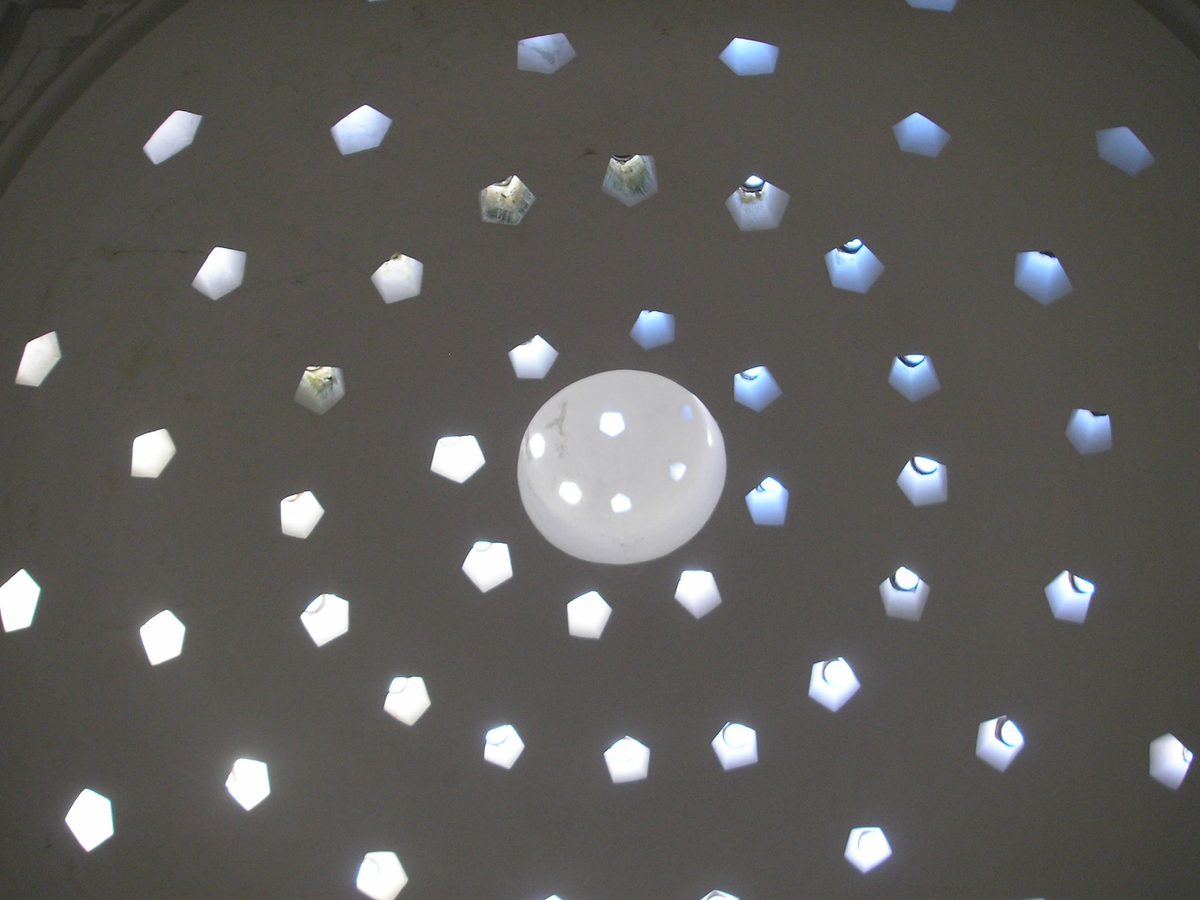
The moment that decides whether you enjoy a hamam happens about twelve minutes in, when a stranger in wet cotton shorts takes hold of your arm, turns you over like a piece of meat and begins removing your skin with a rough mitt. If you have braced for that, everything after it is wonderful. If you have not, you will spend the whole thing wondering when it stops.
A turkish bath istanbul visitors can actually book falls into three brackets: the historic Sinan-era baths at €57 to €110, the luxury packages at Cağaloğlu running from €95 to €400, and the neighbourhood hamams locals use at 400 to 1,200 lira. All three do the same thing to you. What differs is the room you do it in and how many people are in it.
This guide covers every venue worth considering with a dated price, what actually happens step by step, what to wear and whether you get naked, how the men’s and women’s hours work, and — because they belong in the same evening — the whirling dervish ceremonies, the dinner shows and the workshops that fill the other half of a “signature experience” list. Prices checked 10 September 2026 at about €1 = 56 TL.
Turkish bath istanbul prices, compared
| Hamam | Built | Where | Price | Hours | Best for |
|---|---|---|---|---|---|
| Çemberlitaş Hamamı | 1584, Sinan | By the Grand Bazaar | €57 classic · €72 scrub & wash · €92 luxury | Daily 06:00–00:00 | The best-value historic bath |
| Cağaloğlu Hamamı | 1741 | Sultanahmet | €95 to €400 by package | Mon–Thu 09:00–22:00, Fri–Sun to 23:00; winter 11:00–21:00 | The grandest room, at a price |
| Kılıç Ali Paşa Hamamı | 1580s, Sinan | Tophane / Karaköy | ~3,400 TL (~€61) | Women 08:00–16:00 · men 16:45–23:30 | The one people recommend most |
| Hürrem Sultan Hamamı | 1556, Sinan | Between Hagia Sophia and the Blue Mosque | From €110; €170–220 with oil massage | Timed slots, book ahead | The luxury end, and the location |
| Ağa Hamamı | Claims 1454 | Taksim | 3,100–3,600 TL traditional; up to 6,200 TL with extras | Daily 10:00–22:00 | The central mixed-gender option |
| Tarihi Galatasaray Hamamı | 1481 | Off İstiklal | 1,200–3,000 TL | Separate sections | Historic, mid-priced, less polished |
| Süleymaniye, Gedikpaşa, Çeşme (Kadıköy) | Various | Residential districts | 400–1,200 TL | Long hours, local rhythms | Where people actually bathe |
A note on those figures. The historic baths quote foreign visitors in euros, and those euro prices are relatively stable. Çemberlitaş’s own site carries lira prices alongside the euro ones that have clearly not been updated as often, so the euro figure is the one to trust. The neighbourhood hamams quote lira only, and those numbers move with inflation — treat the 400–1,200 TL band as a shape rather than a quote.
What actually happens, step by step
Every traditional hamam runs the same sequence. Knowing it removes about ninety per cent of the anxiety.
- You pay and choose a package. The base option is entry plus a scrub and a foam wash. Add-ons are oil massage, clay or face mask, and longer sessions. Buy the base one first time.
- You get a cubicle. A private changing room with a lock, in the camekân — the domed entrance hall. You are given a peştemal (a thin checked cotton wrap), wooden or rubber slippers, and usually disposable underwear.
- You undress and wrap the peştemal round you. In a single-sex hamam most people wear nothing underneath; you may keep underwear or a bikini bottom on and nobody will comment. In a mixed hamam, swimwear.
- The warm room. A transitional space to acclimatise. Two minutes.
- The hot room — the sıcaklık — with the göbektaşı, a large heated marble platform in the middle. You lie on it and sweat for fifteen or twenty minutes. This is the part that looks like the photographs and it is genuinely lovely.
- The kese. An attendant of your own gender takes you and scrubs you all over with a coarse mitt. Grey rolls of dead skin come off you in quantities that are frankly upsetting. It is not gentle and it is not painful; it is somewhere in between, and it is the whole point.
- The foam wash. Soap is whipped through a cloth bag into an enormous cloud of foam and poured over you, then worked in. This is the famous bit. It is very good.
- Rinsing with bowls of warm water from the marble basins around the walls, then a cool room, a dry peştemal, and tea or a sherbet in the entrance hall.
Total, sixty to ninety minutes for a standard package. Add thirty for an oil massage. You come out with skin that feels like somebody else’s and an inability to make decisions for about two hours, so do not schedule anything demanding afterwards.
What to wear, and the naked question
The most-asked question and the source of most of the hesitation, so plainly:
- Men and women bathe separately at almost every hamam in Istanbul — either in two entirely different sections of the building, or at different times of day. Attendants are always the same gender as the bathers.
- Women: many Turkish women wear nothing at all, or bottoms only. Visitors overwhelmingly keep bikini bottoms on. Both are completely normal and nobody looks. Bring your own bottoms; disposables are provided but they are disposables.
- Men: the peştemal stays on throughout, including during the scrub, and is manoeuvred around you by the attendant. Full nudity is not the convention in the men’s section.
- Mixed hamams — Ağa Hamamı in Taksim is the main central one, and some hotel spas — require swimwear for everyone.
- What to bring: swimwear if you want it, a hairbrush, and cash for the tip. Everything else is provided. Do not bring valuables; the cubicles lock but the lockers are basic.
- Phones and cameras are not permitted in the wet areas, at any venue. Most will let you photograph the empty entrance hall. Do not try to sneak a picture in the hot room.
Tipping: 10–15% of the package price, in cash, handed directly to the person who washed you rather than left at reception. This is not optional in the way tipping elsewhere in Istanbul is — it is a real part of how the job is paid.
Two practical notes people ask about and few pages answer. Women can and do use hamams during a period; wear bottoms and use whatever you normally would. And the heat is genuine — if you are pregnant, have cardiovascular problems or are unused to steam rooms, the göbektaşı stage is the part to shorten.
The historic hamams, one by one
Çemberlitaş Hamamı — the one I would book first
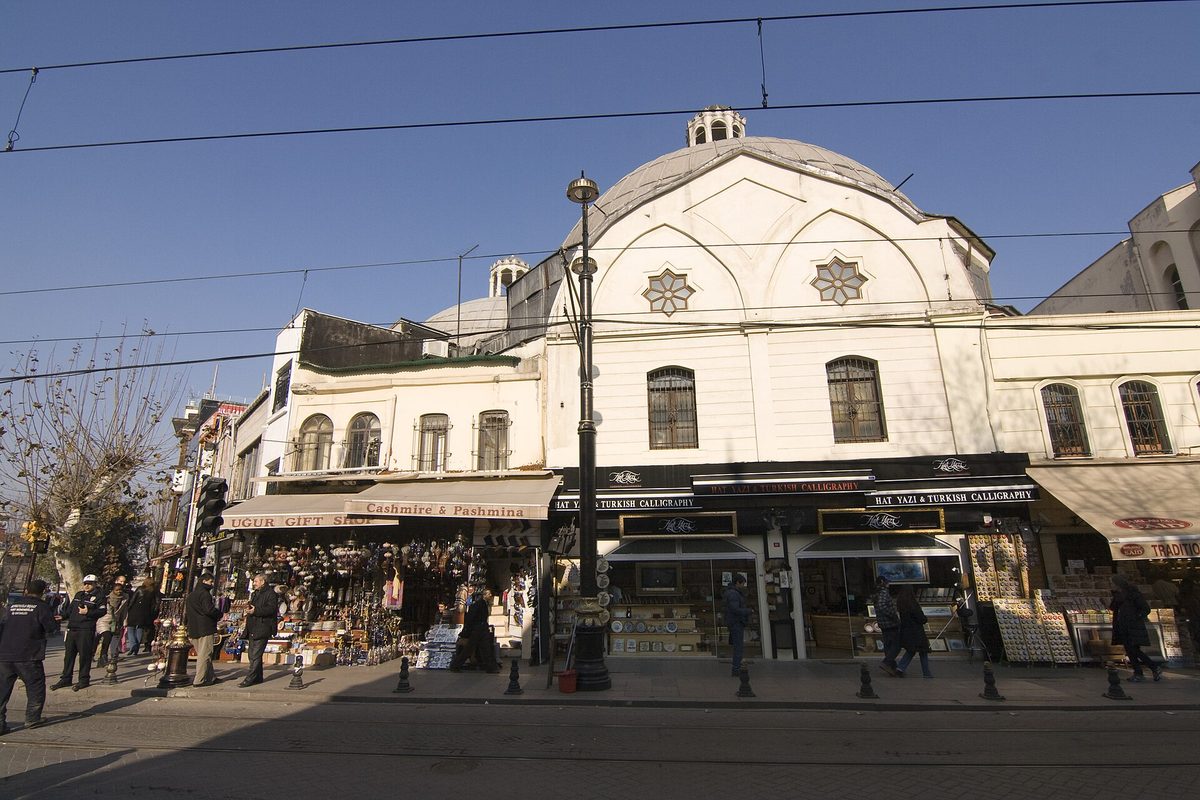
Sinan built it in 1584 for Nurbanu Sultan, mother of Murad III, as a double bath with identical men’s and women’s sections, and it has been working continuously since. The hot room is a proper Ottoman domed chamber with the star-cut skylights, the marble is original, and at €57 for the classic service it is the cheapest way into a genuinely historic building of this quality.
The scrub-and-bubble-wash package is €72 and the luxury version with an oil massage is €92. It opens at 06:00 and runs to midnight, which is unusually generous and means you can go very early or very late and have the place close to yourself. Its position two minutes from the Grand Bazaar makes it the obvious end to a bazaar afternoon.
The criticism, which is fair: it is busy, it is efficient, and the service can feel processed. You are one of a great many people going through that day. If you want unhurried, go at seven in the morning or pay more elsewhere.
Cağaloğlu Hamamı — the grandest, and the most expensive
Built in 1741 and generally described as the last great Ottoman hamam, because a subsequent sultan banned the construction of new ones. The men’s hot room is the single most beautiful bathing space in the city: a high dome on marble columns with the whole thing in one clear volume.
The pricing is a ladder, and it starts high. From its own site: The Istanbul Dream €95, Tip to Toe €135, Cağaloğlu Hammam €170, Ottoman Luxury €240, Sultan Mahmud the First €300 and Elixir €400, with a bridal package on request. Hours are Monday to Thursday 09:00–22:00, Friday to Sunday 09:00–23:00, and 11:00–21:00 in winter.
Be aware that a lot of third-party sites still advertise Cağaloğlu “from €70” or “from €90”. Those figures are stale; check the official site before budgeting. My honest verdict: the €95 entry package in that room is worth it once. The €400 one is a spa treatment in a historic building, and the historic building is the part you are actually paying for.
Kılıç Ali Paşa Hamamı — the one everyone recommends
Sinan again, in the 1580s, built for the admiral of the Ottoman fleet — a Calabrian former galley slave who converted, rose to command the navy, and endowed a mosque and bath in Tophane. The building was restored over seven years and reopened in the 2010s to a standard that is genuinely exceptional.
Around 3,400 TL for the traditional service. The critical detail is the timetable: women 08:00 to 16:00, men 16:45 to 23:30, every day, in the same single room. If you are a couple, you cannot go together here. Book ahead — one or two days on a weekday, three to five for a weekend; it fills.
It is the one I would send a friend to. The room is beautiful, the service is unhurried in a way Çemberlitaş’s is not, and Karaköy afterwards is the best neighbourhood in the city to be blissed out in. The Beyoğlu and Karaköy guide covers what to do with the rest of that afternoon.
Hürrem Sultan Hamamı — the location premium
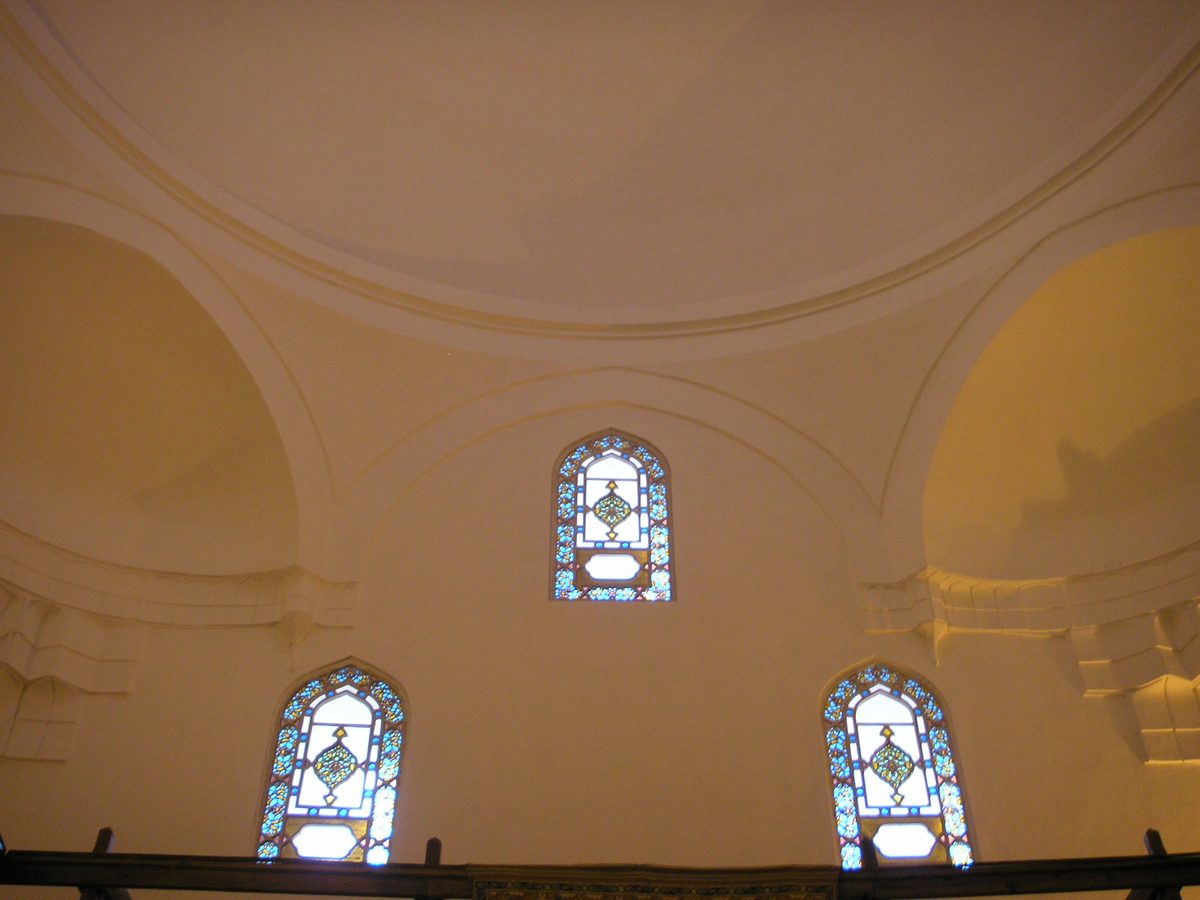
Sinan’s 1556 double bath for Hürrem Sultan — Roxelana — stands on the strip of ground directly between Hagia Sophia and the Blue Mosque, on the site of the Byzantine Baths of Zeuxippus. It is the most spectacular setting of any hamam anywhere and it is priced accordingly.
The entry-level Pir-u Pak package is 45 minutes from €110. Reviewers in 2026 report the standard packages running €120–160 and the versions with an oil massage €170–220. There are four tiers — Pir-u Pak, Keyf-i Hamam, Zevk-i Sefa and Âb-ı Hayat — and a timed-slot booking system.
Is it worth double Çemberlitaş? For the building and the service, arguably. For a first hamam, no — you are paying a premium for a location you are standing in anyway. Go here if you want the experience to be the day’s centrepiece rather than an item in it.
Ağa Hamamı — for couples
In Taksim, claiming a foundation date of 1454, and the main central hamam that admits men and women together. Packages run 3,100–3,600 TL for the traditional service, 5,100–5,600 TL with massage and 5,700–6,200 TL with a face mask, with a cash-versus-card price difference. Open daily 10:00–22:00, swimwear required.
It is smaller and less architecturally impressive than the great baths, and the service is aimed squarely at visitors. If you specifically want to do this with a partner, this is the practical answer — the alternatives are private rooms at Cağaloğlu or Hürrem Sultan, at considerably more, or a hotel spa.
The cheap option: neighbourhood hamams
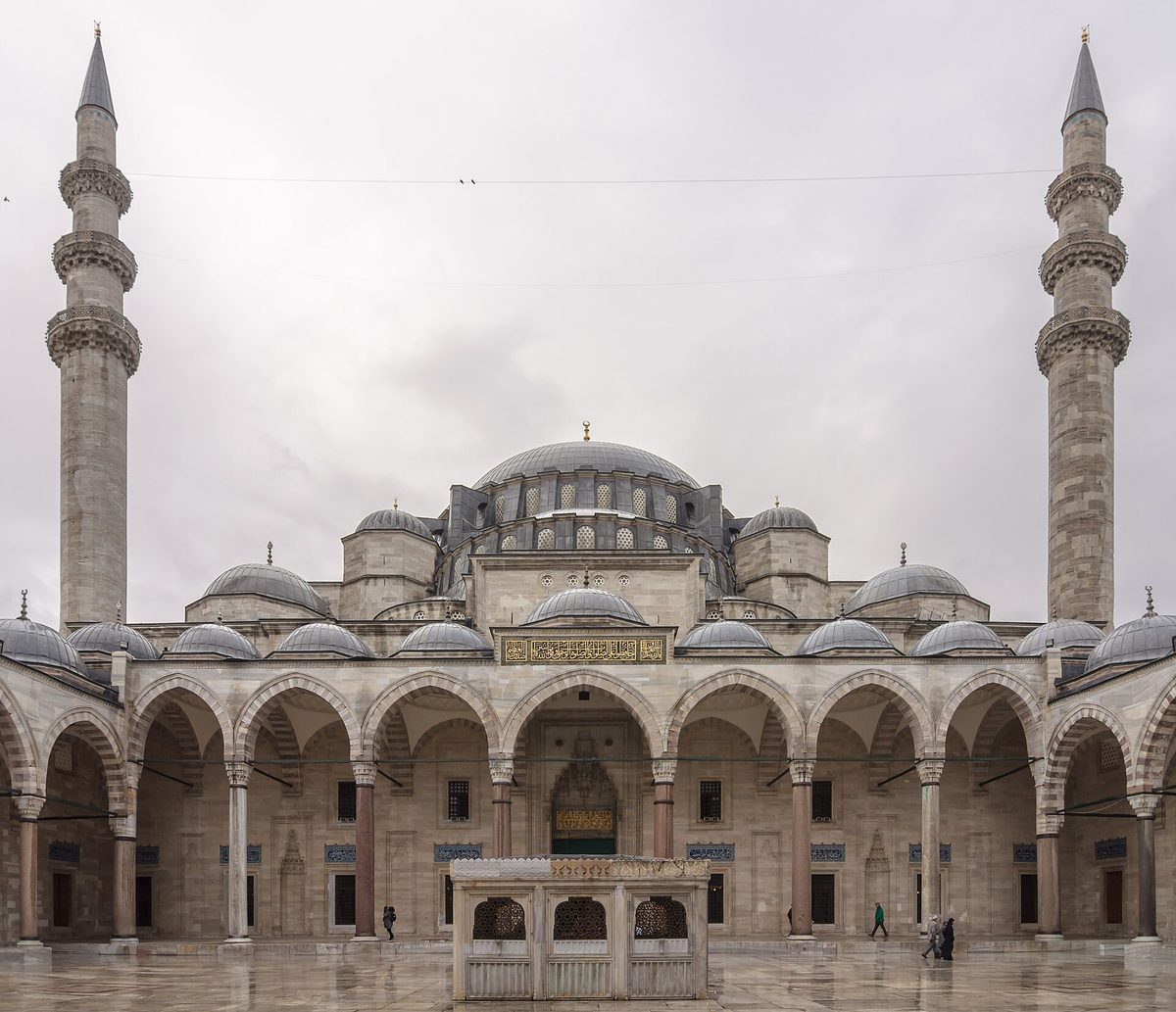
Every Ottoman mosque complex was endowed with a hamam, and a good number of them still function as ordinary neighbourhood baths, used by residents, priced for residents, and almost entirely unvisited by tourists. Expect 400 to 1,200 TL for entry with a scrub and wash.
- Süleymaniye Hamamı, attached to Sinan’s great mosque complex in Fatih.
- Gedikpaşa Hamamı, near the Grand Bazaar, one of the oldest working baths in the city.
- Çeşme Hamamı in Kadıköy, on the Asian side, in a district that sees very few foreign visitors.
- Tarihi Galatasaray Hamamı, off İstiklal, dating from 1481, at 1,200–3,000 TL and sitting between the two categories.
What you trade for the saving: no English, no marble-lobby polish, no complimentary sherbet, and a room that is functional rather than restored. What you gain: the actual thing, done the way it is done, for a fifth of the money, surrounded by people who are here to get clean rather than to have an experience. Take cash, take your own bottoms, and expect to be looked after perfectly well.
Where the hamam came from, and why the buildings look like that
The Ottoman hamam is a direct descendant of the Roman bath, inherited through Byzantium and then reshaped by an Islamic requirement that ritual washing be done in running water rather than a shared pool. That single rule explains the architecture: no plunge baths, no communal tanks, but a hot domed room with individual marble basins — kurna — around the walls, each with its own hot and cold taps, and a heated central platform to lie on.
The dome is pierced with small star- and hexagon-shaped skylights glazed with thick glass, which let daylight in without letting heat out and produce the shafts of light through steam that every photograph of a hamam is trying to capture. Underneath the marble floor runs a hypocaust — a Roman underfloor heating system, fed by a furnace at one end, warming the slab you are lying on. The technology in Çemberlitaş has not fundamentally changed since 1584.
Hamams were built as vakıf endowments, attached to mosque complexes, and their revenue funded the mosque, the soup kitchen and the school. That is why Sinan built so many of them, and why the great ones carry the names of the imperial women who paid — Nurbanu at Çemberlitaş, Hürrem at Ayasofya. They were also, for centuries, the principal social institution available to Ottoman women, who had few other reasons to leave the house unaccompanied: bathing days ran for hours, food came in, marriages were arranged.
The decline came with domestic plumbing. Istanbul had well over a hundred working hamams in the nineteenth century and the number fell steadily through the twentieth as apartments got bathrooms. What saved the great ones was tourism, which is worth sitting with for a moment — the restored splendour of Kılıç Ali Paşa and Cağaloğlu exists because visitors pay for it, and the neighbourhood baths that survive on local trade are the ones with peeling paint and no website. Both are the real thing. They are just funded differently.
Which one should you book?
| If you want | Book | Roughly |
|---|---|---|
| The best balance of history and price | Çemberlitaş, classic package | €57 |
| The single most beautiful room | Cağaloğlu, entry package | €95 |
| Unhurried service in a superb restoration | Kılıç Ali Paşa | ~3,400 TL |
| The location and the luxury | Hürrem Sultan | From €110 |
| To go as a couple | Ağa Hamamı, Taksim | 3,100–3,600 TL |
| The real thing, cheaply | Gedikpaşa, Süleymaniye or Çeşme | 400–1,200 TL |
| To go very early or very late | Çemberlitaş, open 06:00–00:00 | €57 |
| A hamam near the Grand Bazaar | Çemberlitaş or Gedikpaşa | €57 or ~800 TL |
| A hamam near Taksim | Ağa or Tarihi Galatasaray | 1,200–3,600 TL |

Whirling dervishes: the ceremony, the show, and the difference
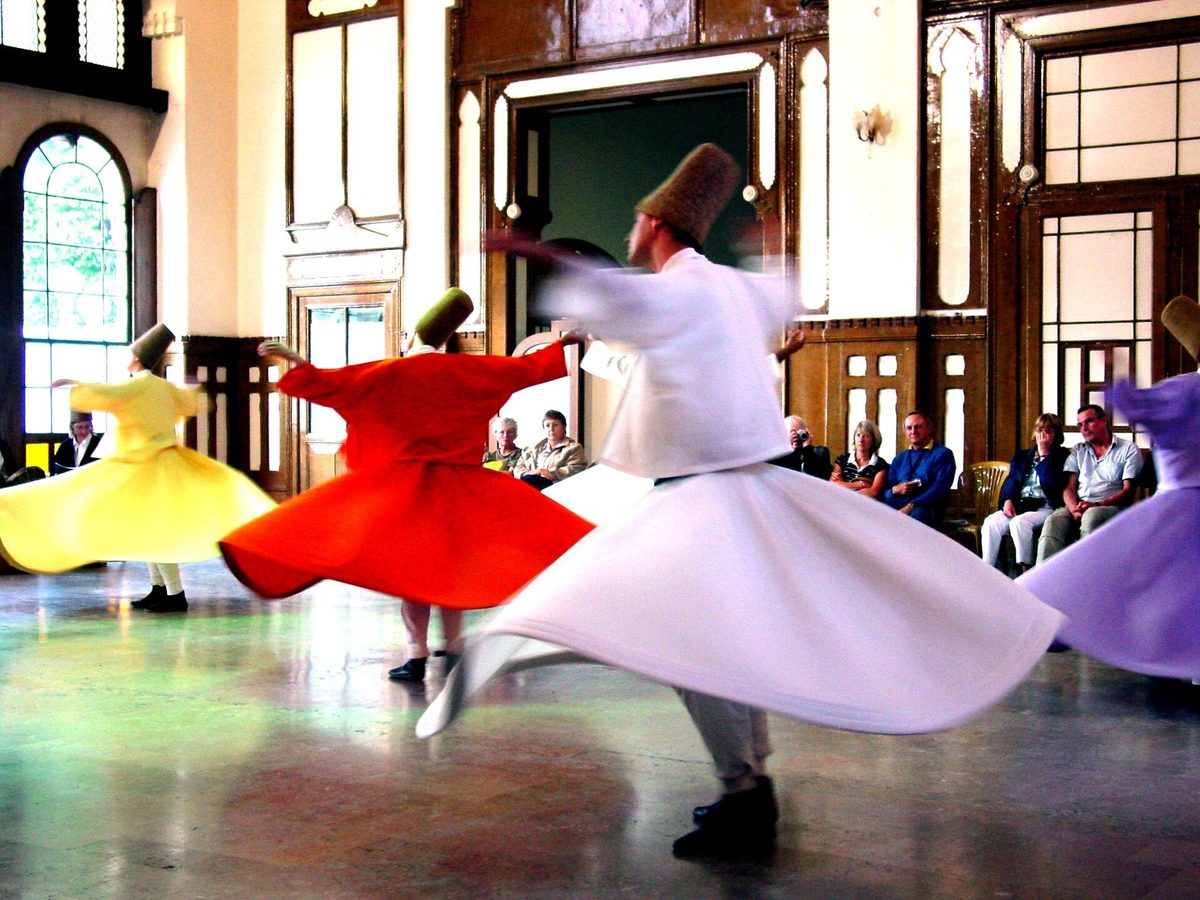
The sema is the ritual of the Mevlevi order, founded by the followers of Rumi in thirteenth-century Konya: a structured ceremony in which dervishes turn on their left heel, right palm up to receive, left palm down to give, in a form that represents the soul’s journey. It is a religious act. Some of what is sold to visitors in Istanbul is a religious act performed for an audience, and some of it is a floor show. Both exist and the difference matters.
Galata Mevlevi House — the real one
The seventeenth-century Mevlevi lodge at the Tünel end of İstiklal is a museum by day — €7, open 09:00 to 18:30 with the box office closing at 17:30, closed Mondays — with an octagonal wooden sema floor, Mevlevi instruments and manuscripts.
On Sunday evenings it holds an actual ceremony in that hall. The museum’s own listing gives it as 18:00, one hour, tickets 30 TL through Biletinial, 150 unreserved seats. Established guide sites still quote 17:00 and 150 TL, which is a genuine and unresolved discrepancy — check the museum’s own page before you go, and buy the ticket the moment it is released, because it sells out.
This is the one to try for. It is a fraction of the price of the shows, it is in the building the order actually used, and the atmosphere is entirely different when the audience is small and mostly Turkish.
Hodjapasha Cultural Centre — the accessible one
A converted fifteenth-century hamam in Sirkeci, with genuinely good acoustics because of the dome. The sema runs at €36 for adults and €20 for children under 12, daily except Tuesday in season, with gates at 18:30 and the ceremony at 19:00, lasting an hour including a ten-minute Sufi music prelude. No photography during the ceremony.
The same venue runs a separate folk and belly-dance show, “Rhythm of the Dance”, usually later in the evening. That is a different product entirely and should not be confused with the sema.
Hodjapasha is presented respectfully and performed well, and it is a ticketed event held for visitors. If the Galata Sunday ceremony does not fit your dates, this is the sensible fallback. Kızlarağası Medrese in the old city runs a daily sema at around €21 and is the budget alternative.
What to avoid
Sema segments inserted into dinner cruises and Turkish-night shows, between the belly dancing and the dessert. Purists object, and they are right to: it is a devotional rite being used as a variety act. If you want the whirling, buy a ticket to a ceremony; if you want a night out on a boat, buy that and let it be that.
Turkish night shows, dinner cruises and workshops
The dinner cruise, honestly
Three hours on the Bosphorus with a set menu, usually unlimited local drinks, belly dance, folk dance and often a dervish segment, departing between about 19:30 and 20:00 from Kabataş, Karaköy or Eminönü. Prices run €30–90 per person, with the show versions from about €70.
The verdict: the food is average, the windows stay shut, and the entertainment is broad. What you are buying is a night on the water with everything arranged, which for some trips is exactly the right purchase, particularly with a group or in bad weather. What you are not buying is the Bosphorus — for that, take the daytime public ferry at 640 TL return, which is covered properly in the Bosphorus cruise guide.
Turkish night shows on land
Belly dance, folk dance from several regions, a singer, dinner and a lot of rakı, in dedicated venues around Sultanahmet and Beyoğlu. It is unashamedly a tourist show and is enjoyed as such by most people who go. It is not where Turkish people go for an evening out; that is a meyhane with fasıl musicians, which costs less and is better, and which the food guide covers.
Workshops worth doing
- Ebru — Turkish paper marbling, floating pigment on thickened water and lifting it onto paper. Two hours, you take your work home, and it is genuinely absorbing.
- Ceramics and İznik tile painting, usually a half day, with your piece fired and either posted or collected later. Ask about the firing timeline before you book if you are leaving soon.
- Cooking classes, typically a market visit followed by four or five dishes. The good ones start in the Kadıköy market rather than a hotel kitchen.
- Calligraphy, taught in a handful of studios in Beyoğlu and around the old city.
These are all bookable through the usual platforms and cost broadly what a mid-range hamam does. They are the best wet-weather option in the city, and they are what I would do on the fourth day of a trip when the monuments have run out.
Booking, timing and the practical details
When to go
Early morning and late evening are the quiet slots at every venue that offers them — Çemberlitaş from 06:00 and Kılıç Ali Paşa’s men’s session running to 23:30 are both far calmer than the middle of the afternoon. The busiest windows are between about 13:00 and 18:00, when the tour groups and the day’s walkers arrive at once.
Winter is hamam season. A domed hot room on a grey January afternoon when it is 9 °C outside and raining is one of the genuine pleasures of visiting Istanbul out of season, and the baths are far emptier. In July and August, when the city is already at 30 °C, the appeal is considerably reduced — go in the evening if you go at all.
How far ahead to book
Kılıç Ali Paşa needs one or two days on a weekday and three to five for a weekend, because it has one room and splits the day by gender. Hürrem Sultan operates timed slots and should be booked ahead. Cağaloğlu takes bookings and rarely turns people away. Çemberlitaş, with eighteen hours of opening a day and two sections, is the one you can generally walk into. Neighbourhood hamams do not take bookings at all — you turn up.
Book on the venue’s own website. Every one of the historic baths has one, they all take cards, and the third-party resellers charge more for exactly the same slot.
Accessibility, and who should think twice
These are four-hundred-year-old buildings with wet marble floors, steps, and thresholds. Almost none is genuinely step-free, the floors are slippery, and the heat is real. If mobility is a concern, ring the venue rather than relying on a booking page — several will make arrangements if they know you are coming. If you have cardiovascular problems, are pregnant, or simply do not tolerate heat well, the göbektaşı stage is the one to cut short; the scrub and foam wash are done at a normal temperature and are the better half anyway.
Children
Turkish families take children to hamams routinely and nobody will blink. Most venues have a minimum age for the full service and will let younger children in with a parent for a reduced or free entry. Check when you book; the policies differ.
What is overrated
- The €400 hamam package. The scrub is the same scrub. Above about €150 you are buying spa treatments in a historic building rather than more hamam.
- Hotel spa “hamams”. Modern rooms with heated marble slabs and a menu. Perfectly nice, entirely missing the point of a four-hundred-year-old domed chamber.
- Sema on a dinner cruise. See above. Buy the ceremony or buy the boat, not the hybrid.
- Booking a hamam for your last evening. You will be soft, sleepy and useless afterwards, which is a poor state in which to pack. Book it mid-trip, on the afternoon of a long walking day.
- Assuming any hamam takes couples. Almost none do. Check before you build an evening around it.
- Third-party ticket sites for the historic baths. Every one of these has its own site and takes bookings directly, usually cheaper. The resellers are the same problem as with Hagia Sophia tickets.
Frequently asked questions about Turkish baths in Istanbul
Is a Turkish bath worth it?
Yes, once, and for most people more than once. It is one of the few things you can do in Istanbul that is a living institution rather than a monument — the building is four hundred years old and it is being used for exactly what it was built for. Do it in a historic bath rather than a hotel spa, take the entry-level package rather than the expensive one, and put it mid-trip on the afternoon of a hard walking day.
How much does a Turkish bath cost in Istanbul?
€57 for the classic package at Çemberlitaş, around 3,400 TL at Kılıç Ali Paşa, from €95 at Cağaloğlu and from €110 at Hürrem Sultan. Neighbourhood hamams used by residents run 400–1,200 TL. Add 10–15% in cash as a tip to the attendant who washes you. Prices checked September 2026.
What do you wear in a Turkish bath?
A peştemal — a thin cotton wrap — provided at the door, plus slippers and usually disposable underwear. Men keep the wrap on throughout. Women commonly wear bikini bottoms; some wear nothing, and both are normal in a single-sex bath. Mixed hamams like Ağa Hamamı require swimwear.
Are men and women separated in a hamam?
Almost always. Either the building has two identical sections, as at Çemberlitaş and Cağaloğlu, or it splits the day — Kılıç Ali Paşa runs women 08:00–16:00 and men 16:45–23:30. Attendants are the same gender as the bathers. Ağa Hamamı in Taksim is the main central mixed option.
Do you get naked in a Turkish bath?
You do not have to, anywhere. The peştemal covers you and the attendant works around it. In the women’s section many Turkish bathers do go topless or fully undressed; visitors mostly keep bottoms on. Nobody looks and nobody minds either way.
How long does a Turkish bath take?
Sixty to ninety minutes for entry, sauna time on the göbektaşı, a kese scrub and a foam wash, plus tea afterwards. An oil massage adds about thirty minutes. Allow two hours from the door, and do not schedule anything demanding for the rest of the afternoon.
Do you tip at a Turkish bath?
Yes — 10 to 15% of the package price, in cash, given directly to the person who scrubbed and washed you rather than left at reception. It is a genuine part of how attendants are paid and it is the one tip in Istanbul I would never skip.
Which is the best hamam in Istanbul?
Kılıç Ali Paşa for the balance of a beautiful restored room and unhurried service; Çemberlitaş for the best value in a genuine Sinan building at €57; Cağaloğlu for the single most impressive chamber, from €95. Avoid picking on price alone — the difference between them is the room and the pace, not the treatment.
Can couples go to a Turkish bath together in Istanbul?
Rarely. Ağa Hamamı in Taksim is the main mixed-gender option, at 3,100–3,600 TL for the traditional service with swimwear required. Cağaloğlu and Hürrem Sultan offer private-room packages at considerably higher prices. The historic single-sex baths cannot accommodate it.
Where can I see whirling dervishes in Istanbul?
The Galata Mevlevi House holds a real Sunday ceremony — listed at 18:00, one hour, 30 TL through Biletinial, with 150 unreserved seats that sell out; note that some guide sites still quote 17:00 and 150 TL, so check the museum’s own page. Hodjapasha in Sirkeci runs a nightly sema except Tuesdays at €36 adults, gates 18:30. Kızlarağası Medrese is around €21.
Is the whirling dervish show worth it?
The ceremony at Galata is, unreservedly — it is the real ritual in the order’s own building for a few pounds. Hodjapasha is a well-presented ticketed version in a converted hamam with good acoustics and is worth €36 if the Sunday does not fit. The dervish segment inserted into a dinner cruise is not.
Which hamam is closest to Sultanahmet?
Hürrem Sultan, which is literally between Hagia Sophia and the Blue Mosque, and Cağaloğlu, five minutes away. Çemberlitaş is a ten-minute walk towards the Grand Bazaar and Gedikpaşa a little beyond it, both considerably cheaper.
Çemberlitaş sits two minutes from the Grand Bazaar’s Nuruosmaniye gate, which makes a bath the natural end to an afternoon of haggling. Our guide to the Grand Bazaar covers the gates, the hidden hans and what things should actually cost before you get there.
A hamam visit is one of the bigger optional costs in a day here, and the gap between a showpiece and a neighbourhood one is real. Our is Istanbul expensive guide prices both, alongside every other daily cost.
Related Istanbul guides
- Things to do in Istanbul — where a hamam fits among the other forty.
- Sultanahmet and the old city — Cağaloğlu and Hürrem Sultan are both here.
- Beyoğlu, Galata and Karaköy — Kılıç Ali Paşa, Ağa Hamamı and the Mevlevi lodge.
- Bosphorus cruises — the daytime ferry against the dinner-cruise show.
- What to eat in Istanbul — meyhane and fasıl instead of a Turkish night show.
- Istanbul travel tips — tipping, cash and the etiquette behind all of this.
- The Asian side of Istanbul — the Çeşme hamam in Kadıköy.
- Istanbul itineraries — which afternoon to give to a bath.
- Hagia Sophia — and why to buy tickets from the official site.
- The best time to visit Istanbul — a hamam is a winter trip’s best afternoon.
Photo credits
- Star-shaped skylights in a hamam dome — photo by Gryffindor, Wikimedia Commons, public domain.
- The interior of the Hürrem Sultan hamam — photo by Gryffindor, Wikimedia Commons, public domain.
- Çemberlitaş Hamamı from the street — photo by Maksym Kozlenko, Wikimedia Commons, CC BY-SA 4.0.
- Whirling dervishes during a sema — photo by Vladimer Shioshvili, Wikimedia Commons, CC BY-SA 2.0.
Prices, packages and opening hours checked on 10 September 2026, at roughly €1 = 56 TL. The historic hamams quote foreign visitors in euros and those figures are relatively stable; lira prices at the neighbourhood baths drift with inflation. Several venues’ own lira listings lag their euro ones, and the Galata Mevlevi sema time and ticket price are quoted differently by the museum and by established guide sites — check the operator’s own page before you book.