Before You Go ·
Is Istanbul Expensive? Real 2026 Prices, Daily Budgets & What a Trip Costs
Real September 2026 Istanbul prices: three daily budget tiers, worked 3/5/7-day totals, a cost comparison with Athens and Rome, and 25 ways to spend less.
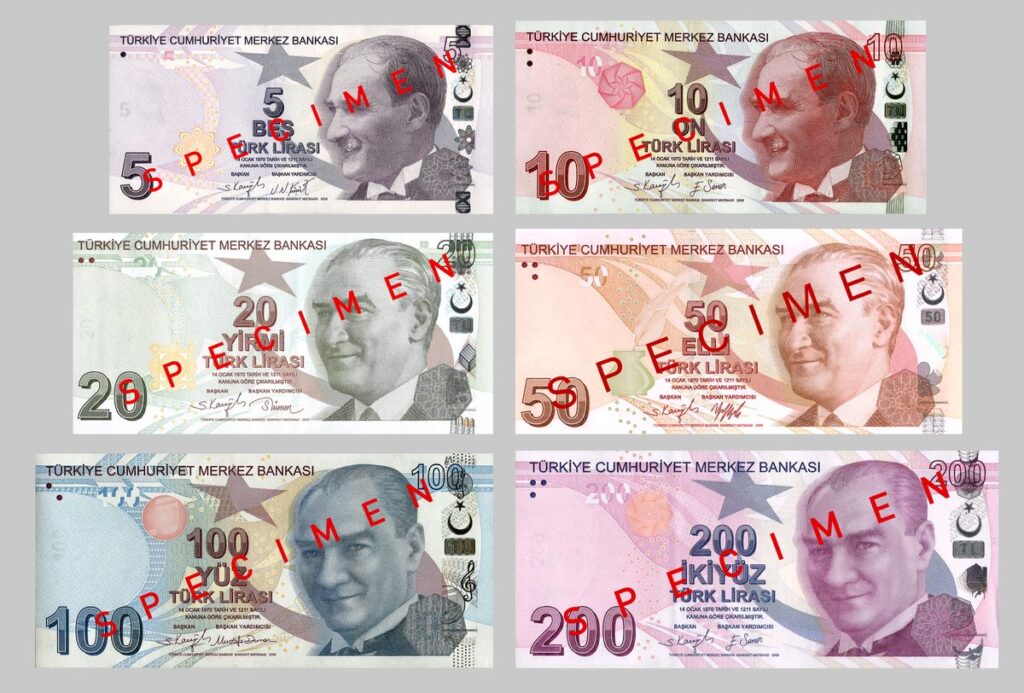
In this guide 12 sections
- Is Istanbul expensive?
- What things actually cost in Istanbul, September 2026
- Worked totals
- How season changes the cost of an Istanbul trip
- Two myths worth correcting before you budget
- Is Istanbul cheap or expensive compared with Athens and Rome?
- Twenty-five ways to spend less without missing anything
- Backpacking Istanbul
- What to skip
- Family and group budgets
- Costs before you even land
- Frequently asked questions
I watched a couple at a table on the Sultanahmet tourist strip pay 2,400 TL for two kebabs, two Cokes and a service charge nobody mentioned until the bill arrived — about €43. Twenty minutes’ walk away in Kadıköy, the same meal, made better, costs a third of that. Istanbul is not one price. It is at least three, depending entirely on which Istanbul you choose to buy.
So, is Istanbul expensive? No, for the things that fill most of a day: a ferry crossing is under €1, a proper meal away from the tourist strips is €5–10, and a hotel night in a good boutique runs €90–150. Yes, for the headline sights: Hagia Sophia, Topkapı, the Basilica Cistern and Galata Tower together run over €100 a head, and a five-star Bosphorus view starts around €450 a night. Budget roughly €50–70 a day per person for a comfortable mid-range trip excluding hotel and flights, checked September 2026 at €1 ≈ 56 TL.
Below is what things actually cost this month, three honest daily budget tiers with worked totals for 3, 5 and 7 days, how the numbers change for a solo traveller, a family or a larger group, how Istanbul compares with Athens and Rome, and twenty-five specific ways to spend less without cutting anything that actually matters to the trip.
Is Istanbul expensive? Three daily budget tiers for September 2026
| Tier | Per day, per person | Covers |
|---|---|---|
| Backpacker | $45–80 (roughly 2,150–3,850 TL) | Hostel dorm or budget guesthouse, street food and lokanta meals, public transport, free and low-cost sights |
| Mid-range | $95–185 (roughly 4,550–8,900 TL) | Boutique hotel double (split two ways), sit-down meals, a paid attraction or two a day, occasional taxi |
| Comfort | $220–450+ (roughly 10,600–21,600 TL+) | Four- or five-star hotel, restaurant dining, private transfers, tours and multiple paid sights daily |
These bands sit between two dated third-party guides that disagree with each other by a wide margin: istanbeautiful.com (updated 1 May 2026) puts the tiers at roughly $35–55 / $75–105 / $135–195, while myturkeyadventure.com (updated 3 September 2026) puts them at $45–78 / $95–185 / $220–445+. Part of the gap is real lira depreciation between May and September; part of it is that the higher-end guide’s own attraction prices — it quotes Topkapı at 1,000–1,200 TL and the Museum Pass at 3,000–4,000 TL — do not match current ministry pricing (Topkapı’s combined ticket is 2,750 TL; the Museum Pass runs closer to €105 or 6,500 TL). Treat any single-source Istanbul budget figure with some scepticism, this one included, and re-check the specific prices that matter to your trip below.
What things actually cost in Istanbul, September 2026
Transport
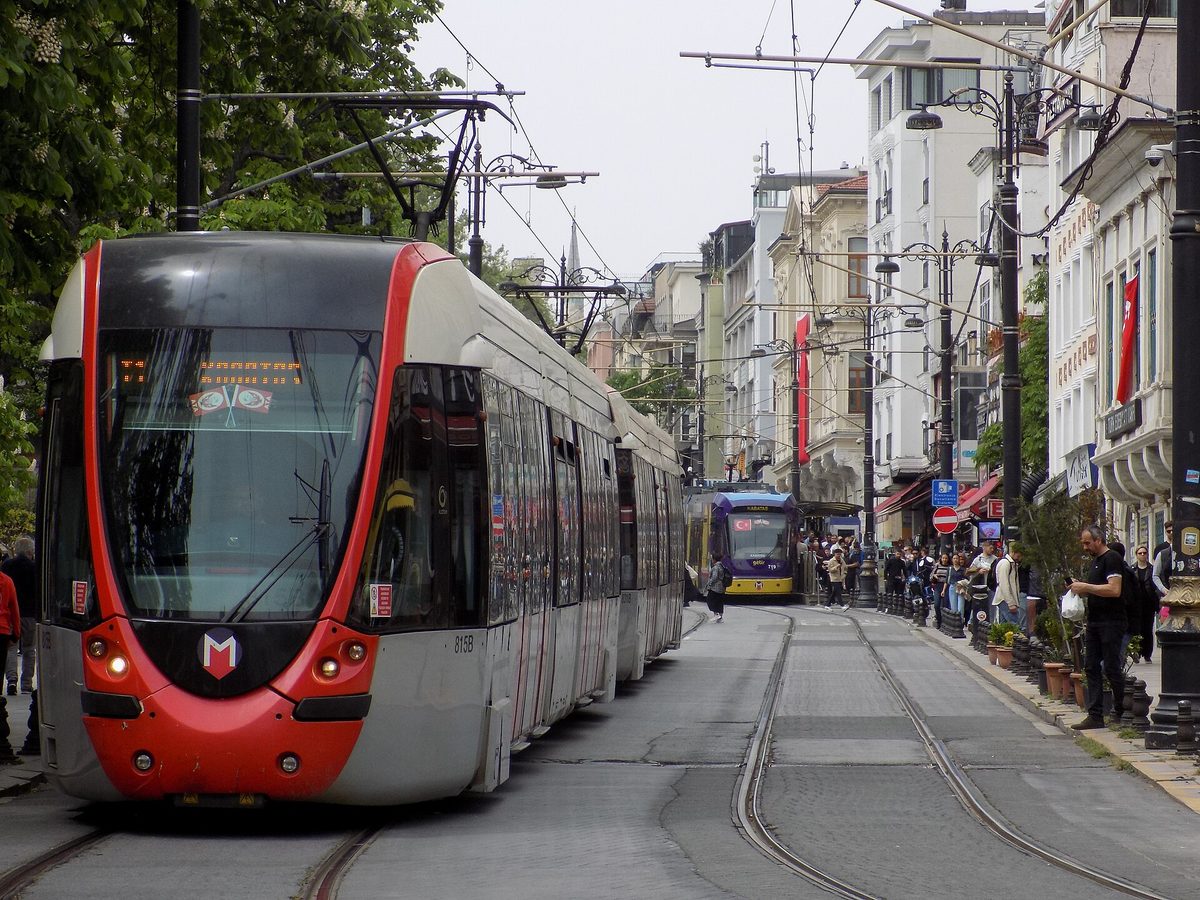
This is where Istanbul is least expensive relative to a European visitor’s home city. An Istanbulkart costs 165 TL to buy, and a standard ride is 46.20 TL — under €1 — with a discounted transfer fare of 34.40 TL on a connecting journey. A Bosphorus commuter ferry crossing, arguably the best single experience in the city, costs 53–60 TL, also under €1. Taxis are metered from a 71.94 TL flag fall plus 47.92 TL per kilometre as of the 20 July 2026 tariff, with a 230 TL minimum fare — a typical Sultanahmet-to-Taksim run costs around 312 TL, call it €5.50. See our full Istanbulkart guide and getting around Istanbul guide for the complete fare tables.
Food
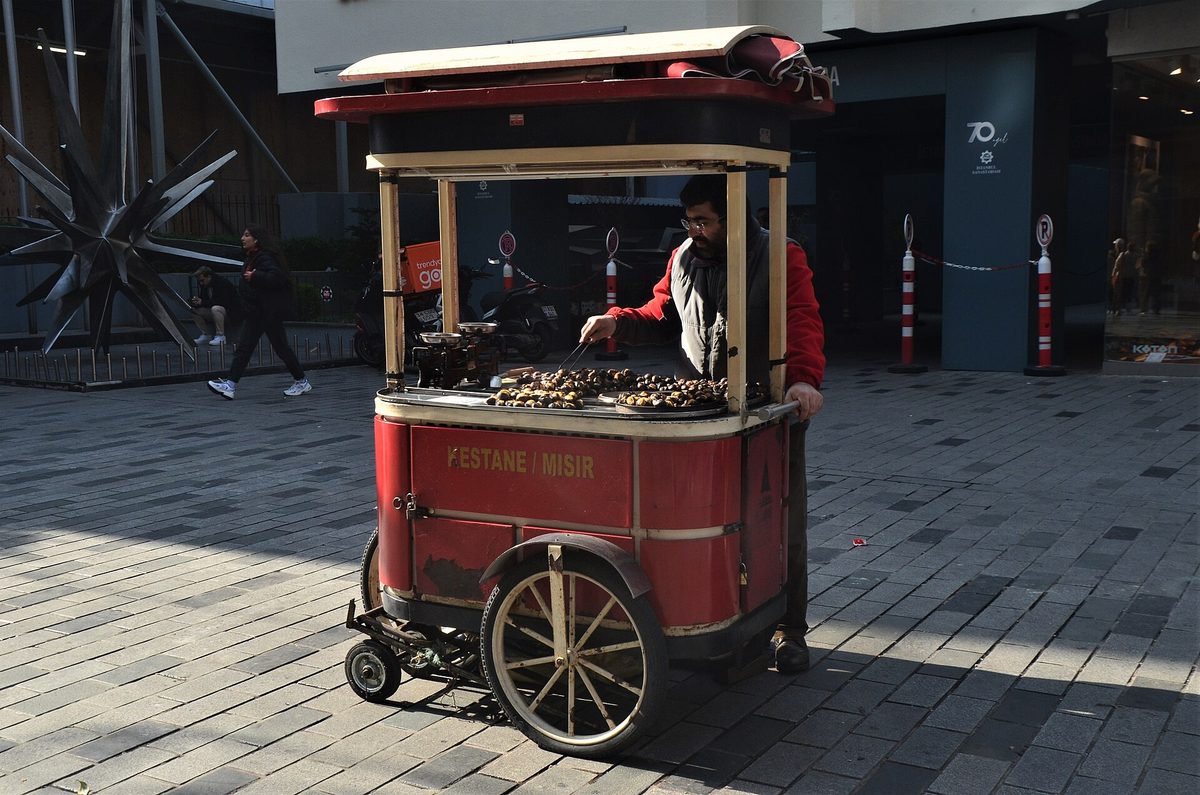
Street food runs 20–80 TL per item; a balık ekmek fish sandwich at Eminönü is 150–200 TL; a full Kadıköy market breakfast for two is 780–900 TL. A meyhane dinner for two with a bottle of rakı and a proper meze spread runs 2,000 TL and up, call it €35 each. At the very top, Michelin-listed tasting menus run considerably more: Mikla’s seven-course tasting is 10,500 TL, Nicole’s is 7,500 TL, both checked against the restaurants’ own menus in September 2026. The gap between a street lunch and a tasting menu in the same city, on the same day, is enormous, and it is the single fact that makes “is Istanbul expensive” impossible to answer with one number.
Attractions
Hagia Sophia’s gallery route is €25; Topkapı Palace with the Harem and Hagia Irene is a combined 2,750 TL (roughly €49); the Basilica Cistern is 1,950 TL by day; Galata Tower is €30. Do all four in one day and you have spent over €100 a head before lunch. Set against that, the Blue Mosque, Süleymaniye Mosque, the Hippodrome, the Grand and Spice Bazaars and the Golden Horn’s Balat district are all free to walk through. Istanbul’s cost, more than almost any city I can think of, is concentrated in a small number of ticketed headline sights rather than spread evenly across the day.
Hotels
Budget guesthouses in Sultanahmet run from roughly €46–87 a night; a genuinely good boutique hotel runs €90–150; a proper five-star sits at €250–500; the Bosphorus palace hotels start around €450. Hostel dorms run $10–15 a night, private hostel rooms €55–100. Our best hotels in Istanbul guide breaks these down by area with specific named properties.
Nightlife and tipping
A meyhane evening — cold and hot meze, a main, a shared bottle of rakı — runs 2,000 TL and up for two, roughly €35 each, and stretches over three or four unhurried hours rather than being a quick dinner. Rooftop bars in Karaköy and Beyoğlu charge closer to European city prices for cocktails than the rest of the city’s food and drink does, since imported spirits and a view both carry a premium here the same way they would anywhere else. Tipping is a flat 10% in cash at most restaurants regardless of what a printed “service” line on the bill claims to already include, and hamam attendants expect 10–15% in cash directly, separate from the treatment price paid at the desk.
Hamams and extras
A historic showpiece hamam like Çemberlitaş starts around €57 for the basic wash and climbs past €90 for the full package; a neighbourhood hamam like Gedikpaşa or Çeşme in Kadıköy does the same thing for about €35. Tip 10–15% in cash to the person who scrubs you, on top of the quoted price.
Shopping and souvenirs
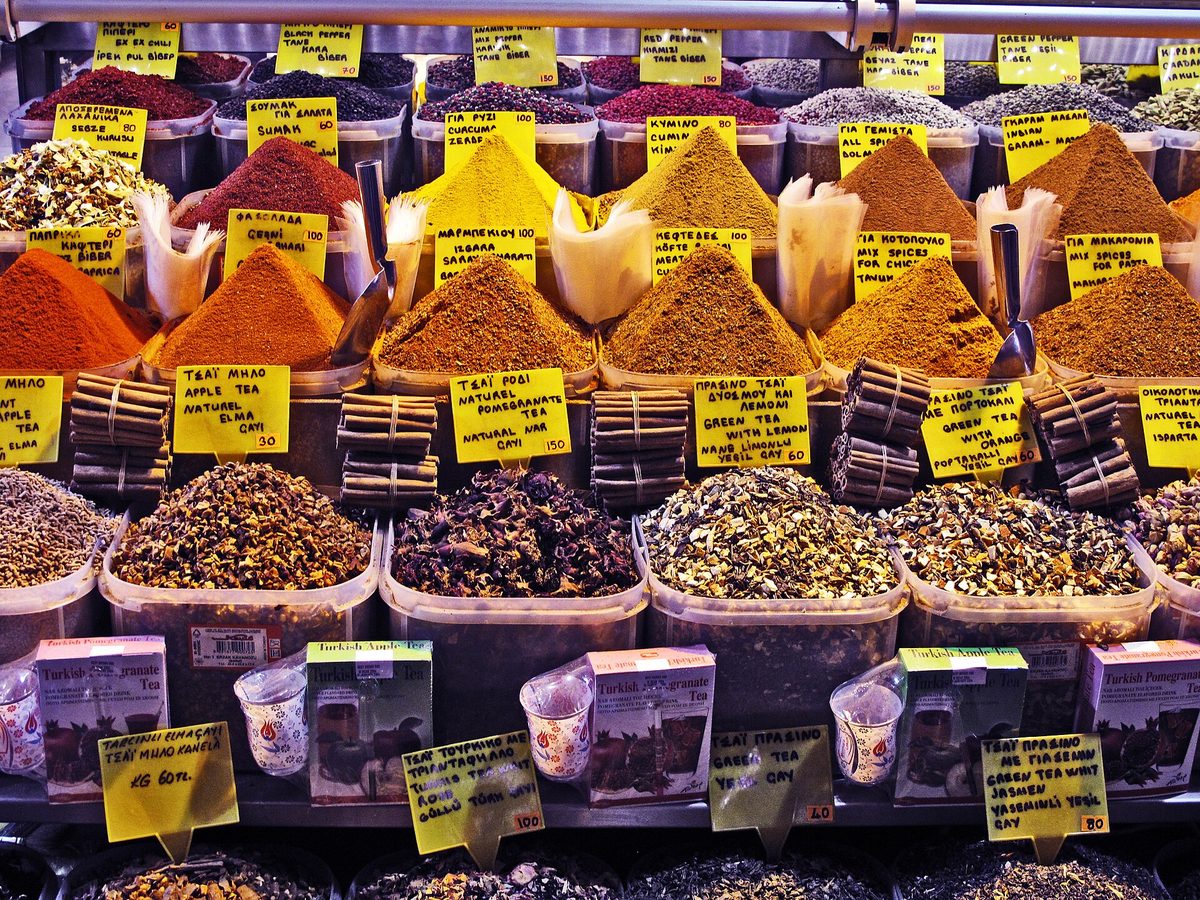
Spices, dried fruit and Turkish delight in the shops behind the Spice Bazaar are priced by weight with the rate marked on a small sign in front of each pile, and are considerably cheaper than the equivalent bought inside the bazaar’s main tourist-facing hall. A generous bag of mixed spices or lokum for a group of friends back home typically runs a few hundred lira rather than the thousands a pre-packed gift box in a tourist-strip shop can reach for the same weight. Carpets, leather and jewellery in the Grand Bazaar are the one category where haggling is genuinely expected and can meaningfully move the price; everywhere else, a price tag on the item means the price is the price, and attempting to bargain over it mostly just wastes both parties’ time.
Worked totals: what a 3, 5 and 7-day trip actually costs
These are per-person totals for a couple travelling together and splitting a room, mid-range tier, excluding international flights, checked September 2026.
| Trip length | Hotel (split) | Food + transport + one attraction/day | Total per person |
|---|---|---|---|
| 3 days | ~€150 (3 nights at €100 double, split) | ~€150 | ~€300 |
| 5 days | ~€250 | ~€270 | ~€520 |
| 7 days | ~€350 | ~€400 | ~€750 |
Add the Museum Pass or a couple of the pricier headline sights, a hamam visit and a Bosphorus tour, and a comfortable 5-day mid-range trip for two people, excluding flights, lands somewhere around €1,300–1,600 total — considerably less than the same length of trip in most Western European capitals, and considerably more than the cheapest backpacker version of the same days.
A solo traveller doing the same 5-day mid-range trip should expect the per-person figure to sit closer to €650–800 rather than the couple’s €520, since the hotel line does not halve — a genuinely useful number to have in mind before comparing your own trip cost against a couple’s total you have seen quoted somewhere else and wondering why the maths does not match.
How season changes the cost of an Istanbul trip
Season moves the hotel line of your budget more than any other single factor. Hotel prices run 25–35% below the averages in this guide across January to March, when the sights are quiet and the weather is genuinely cold and grey rather than merely cool — a real trade-off, not a free discount. July and August, and the week around New Year, run the other way: 30–50% above average, on top of being the most crowded and, in summer, the most physically draining months to be walking around outdoor sights. April to early June and September to October sit in the middle on both price and comfort, which is why they are consistently recommended as the best months to visit independent of budget. Food, transport and attraction prices barely move with season at all — it is almost entirely a hotel-and-flight effect, which means a shoulder-season trip captures most of the saving without giving up much else.
Two myths worth correcting before you budget
The first myth is that the lira’s crash makes Istanbul almost free for foreign visitors. It makes lira-priced things — food, transport, hamams, most hotels — genuinely cheap by European standards, but it does nothing to the euro-priced state museum tickets, which are pegged to protect their value against exactly this kind of currency movement. A visitor who assumes “everything is cheap because of the exchange rate” and then budgets loosely for Hagia Sophia, Topkapı, the Cistern and Galata Tower is the person most likely to be surprised by a genuinely large single-day bill.
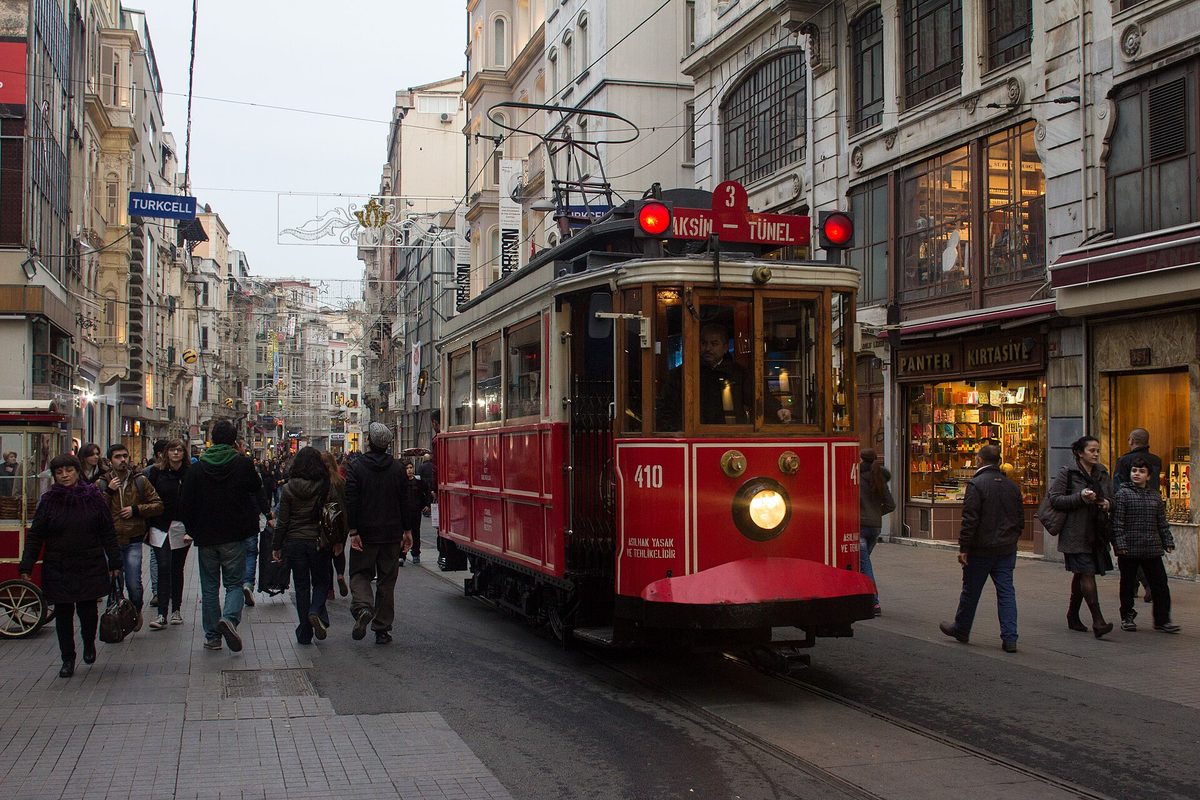
The second myth is the opposite: that Istanbul is a tourist-trap city where you will be overcharged constantly. In practice, the overcharging is concentrated in a small, identifiable category — restaurants with a tout and no visible prices, mainly on the main tourist strips of Sultanahmet and İstiklal — and is close to a non-issue everywhere else, including the bazaars, public transport and the vast majority of restaurants that simply print a menu with prices on it. Learn the one rule about menus and taxis using the meter, and the rest of the city behaves like any other well-run capital.
Is Istanbul cheap or expensive compared with Athens and Rome?
By reputation among 2026 travel-cost sources, Istanbul runs roughly half Athens’ daily cost and 30–40% cheaper than Rome, a gap driven mostly by the lira’s weakness against the euro rather than by Turkish wages or genuinely lower prices for imported goods. That comparison holds best for street food, public transport and mid-range hotels; it holds much less well for the state museum tickets priced in euros, which track European museum pricing directly rather than moving with the lira. The honest version: Istanbul is cheap to move around and eat well in, and no cheaper than Athens or Rome for its equivalent of the Acropolis or the Colosseum.
Twenty-five ways to spend less without missing anything
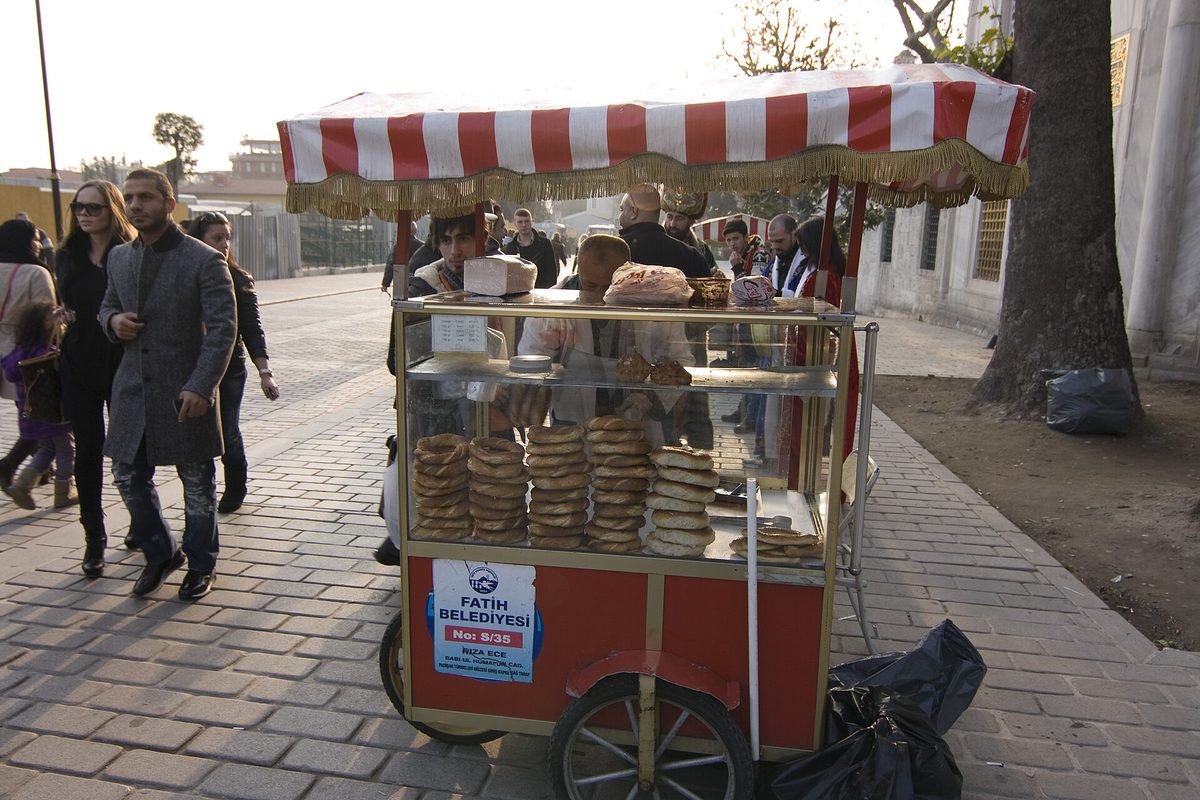
- Buy an Istanbulkart on day one — see our complete guide — rather than paying the no-card single-ticket price of 65 TL every ride.
- Take the ferry instead of a taxi whenever the route allows it; same or better experience, a fraction of the cost.
- Eat where the queue is Turkish, not where the tout is English-speaking. A menu with no prices printed on it is a menu written for tourists.
- Walk the Grand Bazaar for the architecture, buy spices and textiles from the ordinary shops behind the Spice Bazaar instead, where locals actually shop.
- Skip the Bosphorus dinner cruise (€55–95) for a commuter ferry crossing (under €1) plus dinner somewhere with an actual kitchen.
- Book Hagia Sophia, Topkapı and other must-see paid sights in advance online where possible to skip queue-side reseller markups.
- Choose a neighbourhood hamam over a historic showpiece one if the marble does not need to be photogenic.
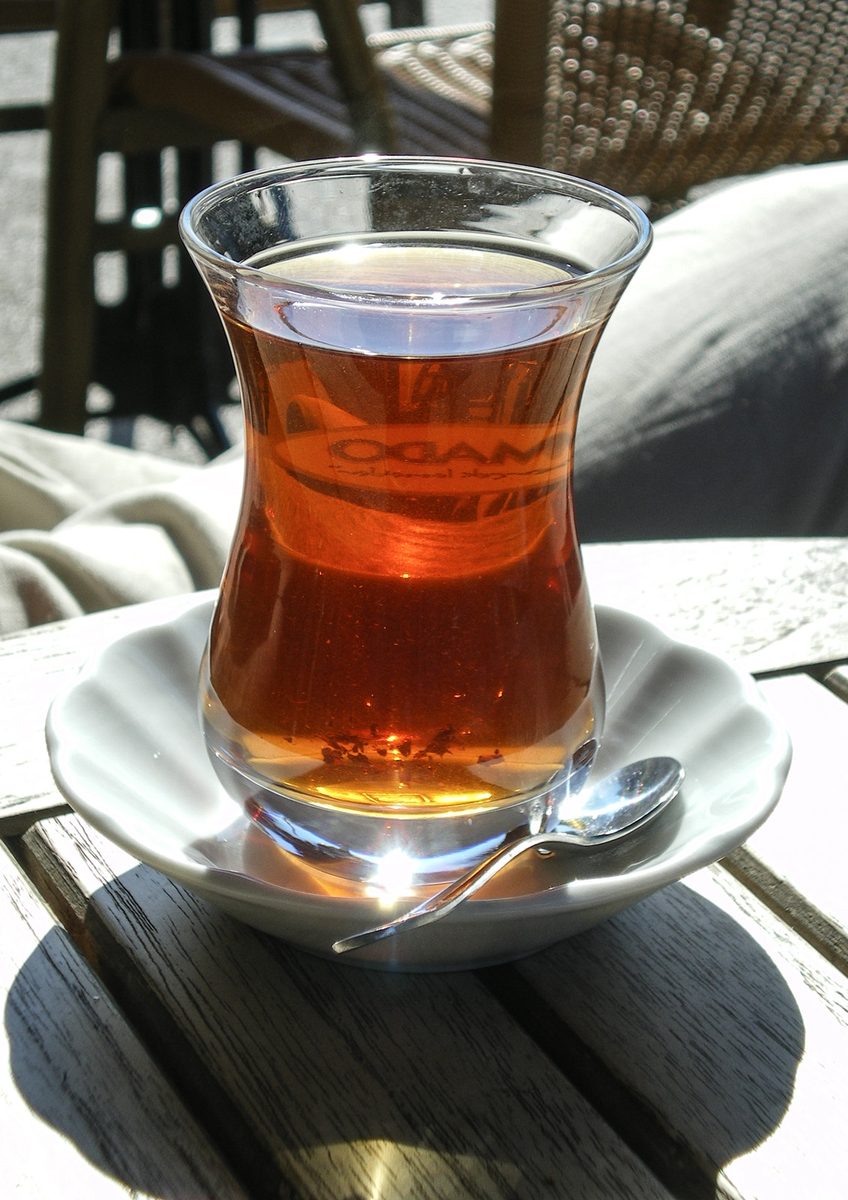
- Drink çay (tea) instead of imported soft drinks or coffee-chain coffee; it costs a fraction and is what everyone around you is drinking anyway.
- Stay in Sultanahmet or Kadıköy rather than a business-district five-star if walking distance to sights matters more to you than a pool.
- Buy a simit or a street-food lunch instead of a sit-down tourist-strip meal at least every other day.
- Withdraw cash from a bank ATM, not an airport currency-exchange booth, and always decline the machine’s “convert for me” offer.
- Work out whether the Museum Pass genuinely pays back for your specific list before buying it — see our transport and forthcoming museum pass guides.
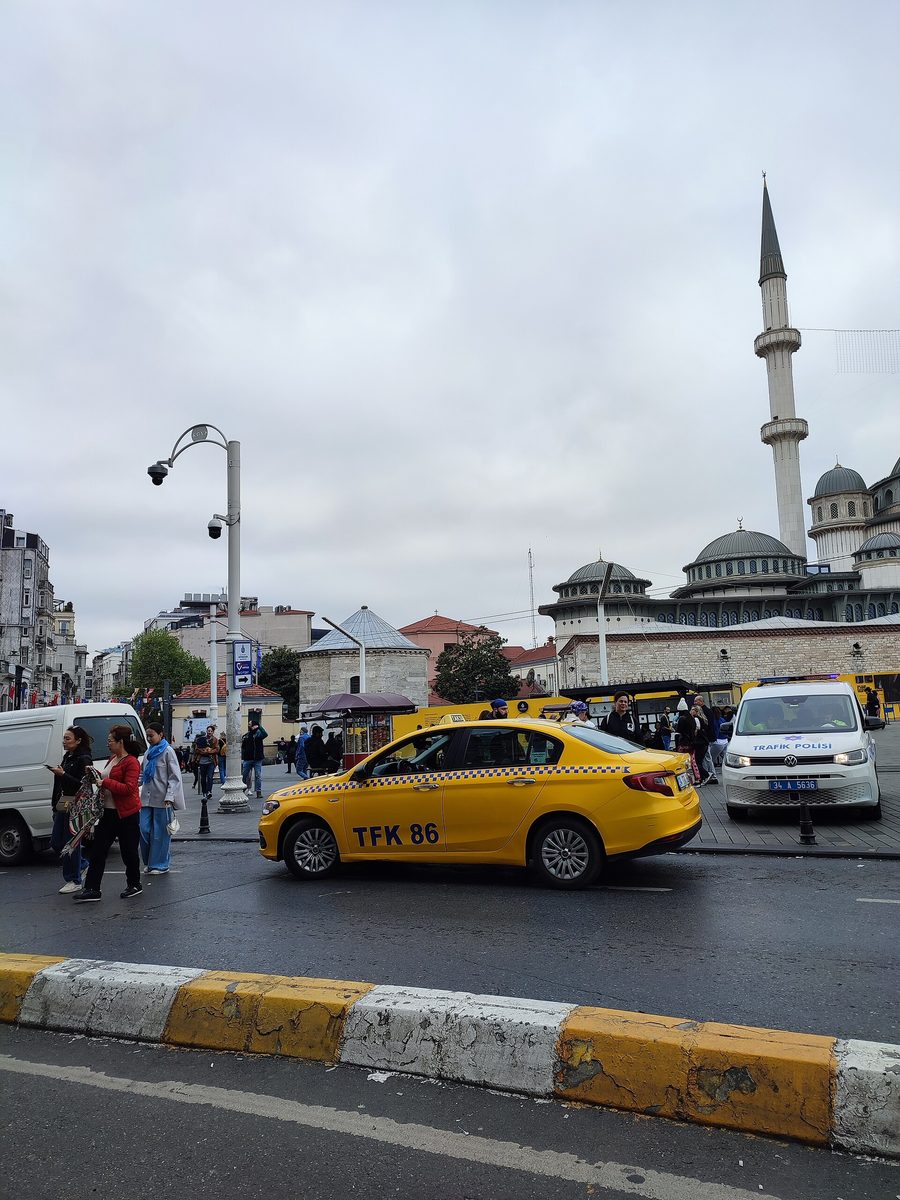
- Use BiTaksi or Uber to have the fare agreed before the ride rather than relying on a street-hailed meter you cannot verify.
- Visit free sights back to back on the same day — the Blue Mosque, the Hippodrome, Süleymaniye — and save the paid tickets for a different day.
- Buy Turkish delight and spices from a shop with visible weight-and-price signage, not a stall offering “free samples” with no prices shown.
- Travel outside July–August and New Year, when hotel prices run 30–50% above the rest-of-year average.
- Split a full Turkish breakfast between two people rather than each ordering separately — it is designed to be shared and is genuinely too much for one.
- Take the metro or Havaist bus from the airport rather than a fixed-fare taxi if you are travelling light.
- Buy a museum ticket directly at muze.gov.tr or the gate, never from a “skip the line” reseller site that is not the official one.
- Ask the price before you sit down at any restaurant with a photo menu and a greeter on the pavement — the two are correlated more often than not.
- Choose a guesthouse breakfast-included rate over a breakfast-excluded five-star rate if your mornings do not need marble floors.
- Buy a single Istanbulkart for the whole travelling party rather than one each — up to five taps per card.
- Bargain in the Grand Bazaar’s carpet, leather and jewellery shops; do not bother anywhere with a price tag already on the item.
- Time the Basilica Cistern or Galata Tower for opening hour rather than a “skip the line” paid add-on — both are quiet enough at opening that the add-on buys you nothing.
- Read the Photo Credits and dated-price notes on every page of this site before you book, since a figure quoted even six months ago may already be stale.
Backpacking Istanbul: the realistic cheap version
A genuine backpacker week is possible at $45–80 a day: a dorm bed at a well-reviewed Sultanahmet hostel like Cheers Midtown runs around $25, private rooms from about $65; street food and lokanta meals keep daily eating under 500 TL; an Istanbulkart covers every ride; and free sights — the Blue Mosque, Süleymaniye, the Hippodrome, the bazaars’ exteriors, Balat, the Salacak sunset — fill most days without a ticket. Budget separately for two or three paid must-sees (Hagia Sophia, Topkapı, the Cistern) rather than trying to see everything on a backpacker’s daily rate; that is where even the leanest trip has to spend real money.
Solo travel costs more per person than travelling as a couple almost everywhere in this guide, because the hotel line does not halve the way it does when a room is shared — a solo backpacker doing a private room rather than a dorm should budget toward the upper end of the backpacker tier, or accept a dorm bed if the saving matters more than privacy. A solo mid-range traveller similarly sits closer to $150–200 a day than the couple-splitting $95–185 band, since a double room booked for one person rarely costs half of what it costs for two. Travelling with a companion is one of the more effective ways to bring the mid-range tier down without changing anything else about the trip.
What to skip, and where the real cost traps are
The combined-ticket “skip the line” resellers. Several sites that are not muze.gov.tr sell Hagia Sophia and Topkapı tickets at a markup while implying official status. The real queue at the gate is rarely as long as the marketing suggests.
Restaurants with a tout on the pavement and no prices on the menu. Covered elsewhere on this site repeatedly because it is the single most common way visitors overpay in Istanbul — a bill that arrives with items nobody ordered, at prices nobody was quoted.
The Bosphorus dinner cruise. €55–95 for a mediocre buffet and a boat that does a fraction of the strait, when the same water is under €1 on a commuter ferry or 640 TL on the full-day Şehir Hatları tour.
Assuming a five-star hotel automatically means a better trip. A well-run Sultanahmet boutique at a third of a generic international five-star’s price frequently delivers a better location and more character. See our hotels guide for specific picks.
Currency exchange booths at the airport. Rates there are consistently worse than a bank ATM withdrawal in the city, and the “0% commission” signage in exchange-booth windows almost always means the markup is baked into the rate instead.
Paying for a private guide before checking a free alternative exists. Several of the best experiences in the city — a sunset at Salacak, a walk through Balat, the view from Süleymaniye’s terrace — need nothing but your own two feet and this site’s directions. Save a private guide’s fee for somewhere it genuinely adds value, like a museum with dense historical context such as the Archaeology Museums, rather than a viewpoint.
Family and group budgets: what actually changes
A family of four does not need to multiply every line in this guide by four. Children under six travel free on public transport and are typically free or heavily discounted at paid attractions; check each site’s specific policy, since the cut-off age and the discount both vary. Hotel rooms priced for two often accommodate a family of four with an extra bed or a connecting room at a smaller per-person premium than booking two separate rooms would cost, and several of the Sultanahmet guesthouses and boutique hotels specifically market family rooms at a rate well below double the standard double. Food scales more predictably than lodging: a family sharing a Turkish breakfast spread or splitting several meze dishes at a meyhane genuinely eats for less per head than four people ordering four separate full-price mains, since Turkish dining culture is built around shared plates rather than individual courses to begin with.
A group of friends splitting a private tour, a Bosphorus boat charter or a larger hotel suite sees the per-person cost fall the same way a couple’s hotel cost does — the fixed cost of the boat, the guide or the suite is what it is regardless of headcount, so a group of six splits it far more favourably than a solo traveller or a couple ever can. If your trip includes people who would enjoy a private half-day tour or a chartered sunset cruise, a larger group is the point in the trip planning where that kind of splurge stops being an extravagance and starts being genuinely reasonable per head.
Costs before you even land: visas, currency and cards
British, American, Canadian and Australian passport holders currently travel visa-free for tourism (90 days in any 180 for the first three; Australia’s exemption dates from 17 April 2026), so an e-visa fee is not a line item for most visitors on this site, whatever an outdated blog might suggest — see our visa guide for exact rules by nationality, since not every passport qualifies for the exemption. Where a visa is required, book only through evisa.gov.tr directly; a cluster of near-identical agent domains charges a mark-up for the same document.
On currency, withdraw lira from a bank-branded ATM rather than an independent exchange booth or a airport currency counter, and always select “no conversion” or decline the machine’s offer to charge you in your home currency — that “convenience” is a poor exchange rate wearing a friendly button. Most sit-down restaurants, hotels and shops take card without issue; carry cash mainly for small hamams, street food, tips and the odd stall that is genuinely cash-only. A no-foreign-transaction-fee card is worth arranging before you travel if your bank offers one, since the saving compounds across a week of daily spending in a way that is easy to underestimate in advance and obvious in the statement afterward.
Frequently asked questions
Is Istanbul expensive to visit?
Not for food, transport or a boutique hotel by European standards — those are genuinely cheap. It is expensive for the headline paid sights, which together can run over €100 a head in a single day, and for anything priced in euros rather than lira.
How much money do I need per day in Istanbul?
Roughly $45–80 for a lean backpacker budget, $95–185 for a comfortable mid-range trip, and $220 or more for a comfort-tier trip with restaurant dining and private transfers, per person, excluding your hotel and international flights.
Is Istanbul cheaper than Athens or Rome?
By most current cost comparisons, yes — roughly half Athens’ daily cost and 30–40% cheaper than Rome, mainly because of the lira’s weakness against the euro. The gap narrows sharply for anything priced directly in euros, like the state museum tickets.
What is the biggest hidden cost in Istanbul?
Restaurants on the main tourist strips that seat you without showing prices, then present a bill with extra items and an unrequested service charge. Walking one street further away from the sight in question usually solves it.
Can you visit Istanbul on a budget?
Yes — a genuine backpacker week runs $45–80 a day using hostels, street food and an Istanbulkart, with a separate allowance for two or three paid must-see sights that a lean daily rate cannot absorb.
Why do Istanbul price guides disagree with each other so much?
Mostly the lira’s fast depreciation against major currencies, which makes any guide more than a few months old under-quote lira prices while its euro-denominated figures stay roughly accurate. Always check the date a source was last updated before trusting its numbers.
Is it worth buying the Museum Pass to save money?
Only if you will genuinely visit at least four of the sites it covers within five days — it excludes Hagia Sophia, the Basilica Cistern, Dolmabahçe and Chora, which surprises a lot of visitors who buy it assuming it covers everything.
Does travelling solo cost more than travelling as a couple in Istanbul?
Per person, yes, mainly through the hotel line — a double room rarely costs half as much for one traveller as it does split between two. Food, transport and attraction costs are largely the same per head regardless of group size.
Do I need cash or can I use cards everywhere in Istanbul?
Cards work at the large majority of restaurants, hotels and shops. Carry some lira for small hamams, street food stalls, tips and the Basilica Cistern, which is card-only in the opposite direction and takes no cash at all — check the specific payment method before you arrive at any single venue you are relying on.
Is it cheaper to visit Istanbul in winter?
For hotels, yes — 25–35% below the rest-of-year average from January to March. Food, transport and attraction prices barely change with season, so the saving is real but concentrated almost entirely in accommodation.
Shopping is where a trip’s budget can swing hardest in either direction, from a $2 evil eye charm to a carpet bought at four times its worth. Our what to buy in Istanbul guide prices 25 souvenirs and names the scams that account for most of the overpaying.
Museum and city passes are sold as a money-saver, and most visitors who buy one do not actually break even on it. Our Museum Pass guide does the maths against what each site costs at the gate.
Cost is only one part of the decision. For the full picture, including crowds, safety, the hills and how the city suits families, solo travellers and seniors, see our verdict on whether Istanbul is worth visiting.
The easiest way to cut the daily budget is to lean on what costs nothing. Our list of 40 free things to do in Istanbul covers the great mosques, the bazaars, the open-air monuments, the best neighbourhood walks and the free sunset spots, plus the commuter-ferry trick.