Itineraries ·
Istanbul Layover Guide: Touristanbul, the Free Stopover Hotel & How to See the City Between Flights
How an Istanbul layover actually works: Touristanbul's free guided tour, the Turkish Airlines stopover hotel, and layover itineraries by how many hours you have.
In this guide 13 sections
- Istanbul layover options at a glance
- Can you leave Istanbul Airport on a layover?
- Touristanbul
- What the Touristanbul tours actually cover
- The Turkish Airlines stopover hotel
- What if you’re not flying Turkish Airlines?
- Is a layover trip actually worth it?
- Layover itineraries by how many hours you have
- If you’d rather not leave the airport
- Packing and practical logistics for a layover trip
- Luggage, SIM cards and other layover practicalities
- What to skip
- Frequently asked questions
A Turkish Airlines connection once left me nine hours at Istanbul Airport with nothing planned, expecting to spend it in a lounge chair. Instead I registered at a desk I nearly walked past, and three hours later I was standing under Hagia Sophia’s dome, for free, on the airline’s own coach. Most long-haul travellers connecting through Istanbul never find that desk.
An Istanbul layover of six hours or more on a Turkish Airlines international-to-international connection qualifies you for Touristanbul, a genuinely free guided city tour with transport included, registered at a desk in the arrivals hall rather than booked online. Layovers of 20 hours to a week can instead claim a free hotel night through Turkish Airlines’ stopover programme. Shorter connections, or layovers on other airlines, still leave the M11 metro as a fast, cheap way into the old city on your own — as long as your visa status allows it and you leave enough buffer to get back through security.
Below: whether you can actually leave the airport, how Touristanbul and the stopover hotel programme work, layover itineraries by how many hours you have, what changes if you are not flying Turkish Airlines, and what to do with the time if you would rather not leave the terminal at all.
Istanbul layover options at a glance
| Layover length | Realistic option | Notes |
|---|---|---|
| Under 6 hours | Stay airside; lounge, shower, nap zone | Not enough buffer to clear immigration and return safely |
| 6–24 hours, TK international-to-international | Touristanbul (free) or independent M11 trip | Register at the Arrivals-floor desk; ticket must start 235 |
| 8–12 hours | Independent trip to Sultanahmet via M11 | Comfortable round trip with 3–5 hours in the old city |
| 20 hours–7 days | Turkish Airlines stopover hotel (free night) | Apply 72+ hours ahead; cannot combine with Touristanbul |
| 24 hours or overnight | Independent overnight in Sultanahmet or Beyoğlu | Full day in the city, back for an early flight |
Can you leave Istanbul Airport on a layover?
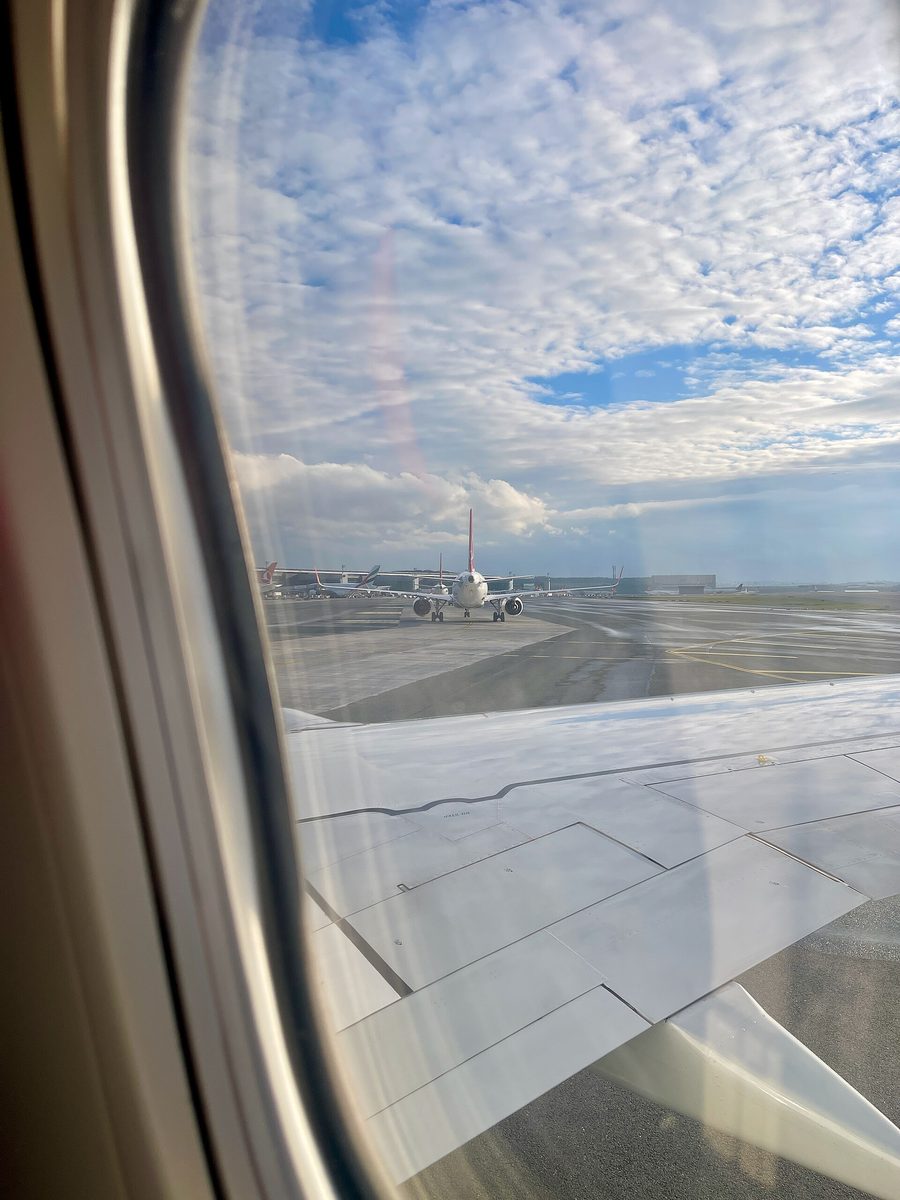
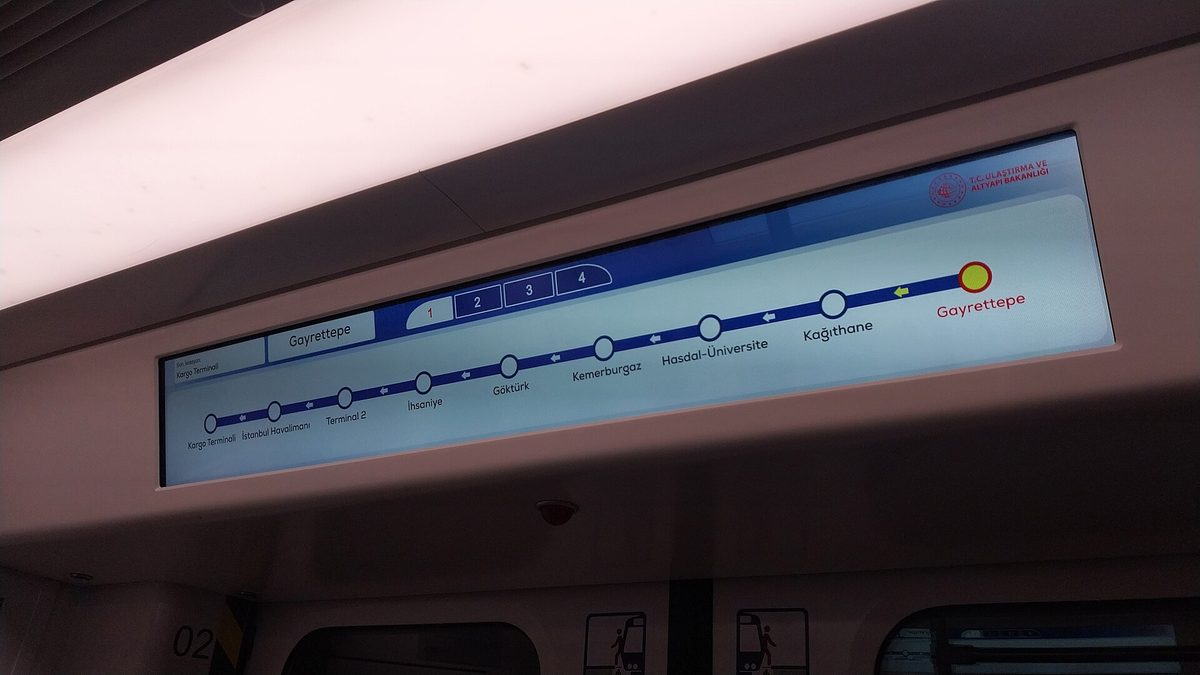
Yes, provided your passport and visa status allow entry to Turkey at all — the same rules as any other arrival apply on a layover, so check our visa guide for your specific nationality before assuming you can walk out. Most UK, EU, US, Canadian and Australian passport holders travel visa-free or with a straightforward e-visa for a short stay, which covers a layover the same way it covers a full trip. The other requirement is time: Istanbul Airport’s own immigration and security queues, plus the M11 metro’s roughly 30 minutes each way to Gayrettepe, mean a realistic minimum layover for leaving the airport is around six hours, and considerably more comfortable at eight or above.
Touristanbul: Turkish Airlines’ free layover tour
Touristanbul is a free guided city tour, including transport, run specifically for passengers connecting between two international flights on Turkish Airlines with a layover of six to twenty-four hours. Your ticket needs to be issued on Turkish Airlines stock — the ticket number starts with 235 — and you need a valid visa or visa-free status to leave the airport, the same requirement as any independent trip. Tours run from a roughly 3.5-hour morning sightseeing route up to an 11.5-hour full-day version, and the schedule was revised as recently as 1 May 2026, so treat the specific route names and timings as subject to change and confirm them at the desk on the day rather than from an old blog post.
There are two Touristanbul desks: one in the transfer area, where any passenger can ask whether they qualify, and one on the Arrivals floor, where eligible passengers actually register. It is not bookable online or in advance — you find out you qualify, and register, on the day, in person. Keep a buffer of at least 1 hour 25 minutes between the tour’s scheduled end and your connecting flight’s departure to clear security again; this is the airline’s own stated minimum, and building in extra beyond it is sensible rather than cutting it exactly to that figure.

What the Touristanbul tours actually cover
The programme runs several distinct routes rather than one fixed tour, and which one you get depends on your specific layover window and the time of day you land. The shortest, roughly 3.5-hour morning route typically covers a condensed version of Sultanahmet — Hagia Sophia and the Blue Mosque’s exterior, with a guide moving the group along briskly to fit the timing. The longest, an 11.5-hour full-day version, has room for Topkapı Palace, the Grand Bazaar and a proper lunch stop alongside the same headline sights, at a pace closer to what an independent visitor would set for themselves. Some routes include a meal; check at the desk on the day, since this detail — like the specific stops on each route — has changed with the programme’s own revisions and is not something worth memorising from an old travel blog.
The transport, a coach between the airport and the sights, is genuinely included and genuinely free, which is the single biggest practical advantage Touristanbul has over doing the same trip yourself: no working out the M11 and M2 connection, no buying an Istanbulkart, and a guide managing the group’s timing back to the airport rather than you watching the clock yourself. The trade-off is pace and flexibility — a guided group moves as a group, on the operator’s schedule, rather than lingering wherever you personally want to linger.
The Turkish Airlines stopover hotel: a free night in Istanbul
Separately from Touristanbul, Turkish Airlines runs a stopover programme for passengers with a genuine break in their journey of 20 hours up to seven days, offering a free hotel night — one night at a four-star hotel in economy class, two nights at a five-star in business class. Passengers from an “enhanced” list of countries — including the US, Canada, Australia, New Zealand, Japan, South Korea, China, Taiwan, Singapore, Malaysia, Indonesia, Mexico, Chile and Brazil as of current research — receive two or three nights rather than one or two. Applications need to go in at least 72 hours before travel, through Turkish Airlines’ own stopover booking channel, and the offer is limited to one stopover per round trip, excludes certain restricted or non-refundable fare classes, and cannot be combined with Touristanbul on the same trip — you choose one or the other for a given connection, not both.
This is a genuinely different product from Touristanbul and worth planning for separately if your layover is long enough to qualify: a 20-hour-plus stopover turns a connection into something closer to a short, free mini-break in Istanbul, hotel included, rather than a few hours squeezed between flights.
Applying is done through Turkish Airlines’ own stopover booking tool or by contacting the airline directly, and the 72-hour minimum notice is a hard requirement rather than a suggestion — a request submitted the day before travel is routinely too late, regardless of how much availability the hotel itself might have. Once approved, the airline handles the hotel booking and, on most routes, the transfer between the airport and the hotel, which removes one more thing you would otherwise have to arrange yourself on what is already a tightly timed trip. Because the programme is limited to one stopover per round trip, think about which direction of your journey benefits more from the extra time — an outbound stopover lets you arrive at your final destination less jet-lagged; a return stopover breaks up a long trip home instead.
What if you’re not flying Turkish Airlines?
Both Touristanbul and the stopover hotel are Turkish Airlines programmes specifically, tied to a ticket issued on the airline’s own stock — a Pegasus, AJet, or foreign-carrier connection through either Istanbul airport does not qualify for either, no matter how long the layover runs. That does not mean the airport is off-limits for a city trip; it means you are doing the independent version rather than the free guided one, at your own cost and on your own schedule. The visa and timing logic is identical either way: check your nationality’s entry requirement, and count your available hours against immigration, the M11 or M4 metro connection, and a comfortable security buffer for the return.
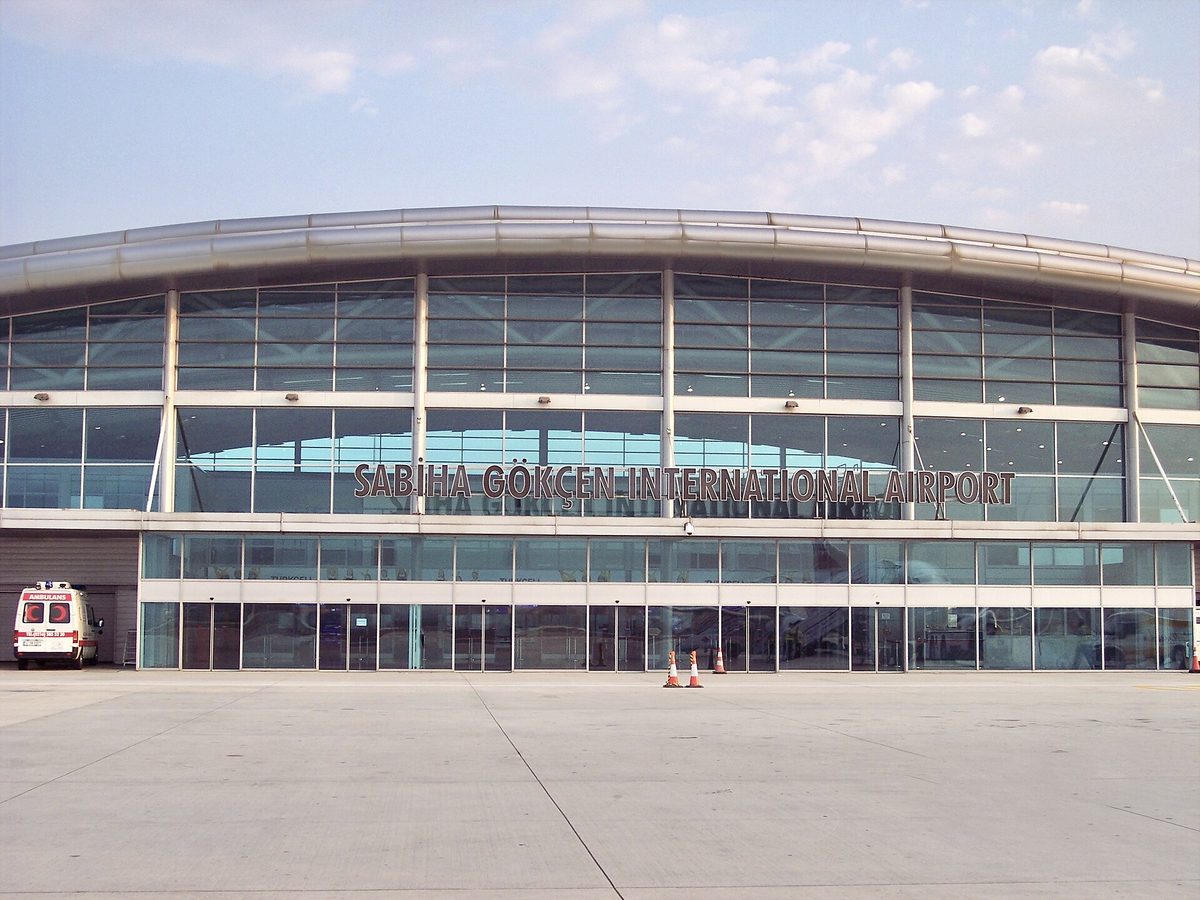
The other genuine difference is the airport itself. Sabiha Gökçen (SAW), on the Asian side, serves a large share of Pegasus and AJet’s network and sits further from Sultanahmet than Istanbul Airport does — the M4 metro connects to Kadıköy rather than directly toward the old city, so a SAW layover trip more naturally becomes an Asian-side excursion (Kadıköy’s market, Moda’s seafront) than a Sultanahmet sightseeing run, unless you specifically budget the extra ferry or Marmaray leg across the water. Build that difference into your timing before assuming a SAW layover behaves like an IST one.
Is a layover trip actually worth it?
The honest answer depends entirely on how much sleep and buffer you are trading away. A long-haul traveller already running on minimal rest, connecting onward to another long flight, may genuinely do better resting in an airport lounge or a landside YOTEL room than pushing through immigration, a metro ride and a few hours of sightseeing on no sleep — jet lag does not care that Hagia Sophia is free to look at. Where a layover trip earns its place is on a well-rested outbound leg, or specifically because Istanbul is a destination you are unlikely to visit properly any time soon and a few hours of it, however rushed, beats none at all. Be honest with yourself about which category your specific layover falls into before committing to a plan built around leaving the airport.
Layover itineraries by how many hours you have
6–8 hours: the old city, briefly
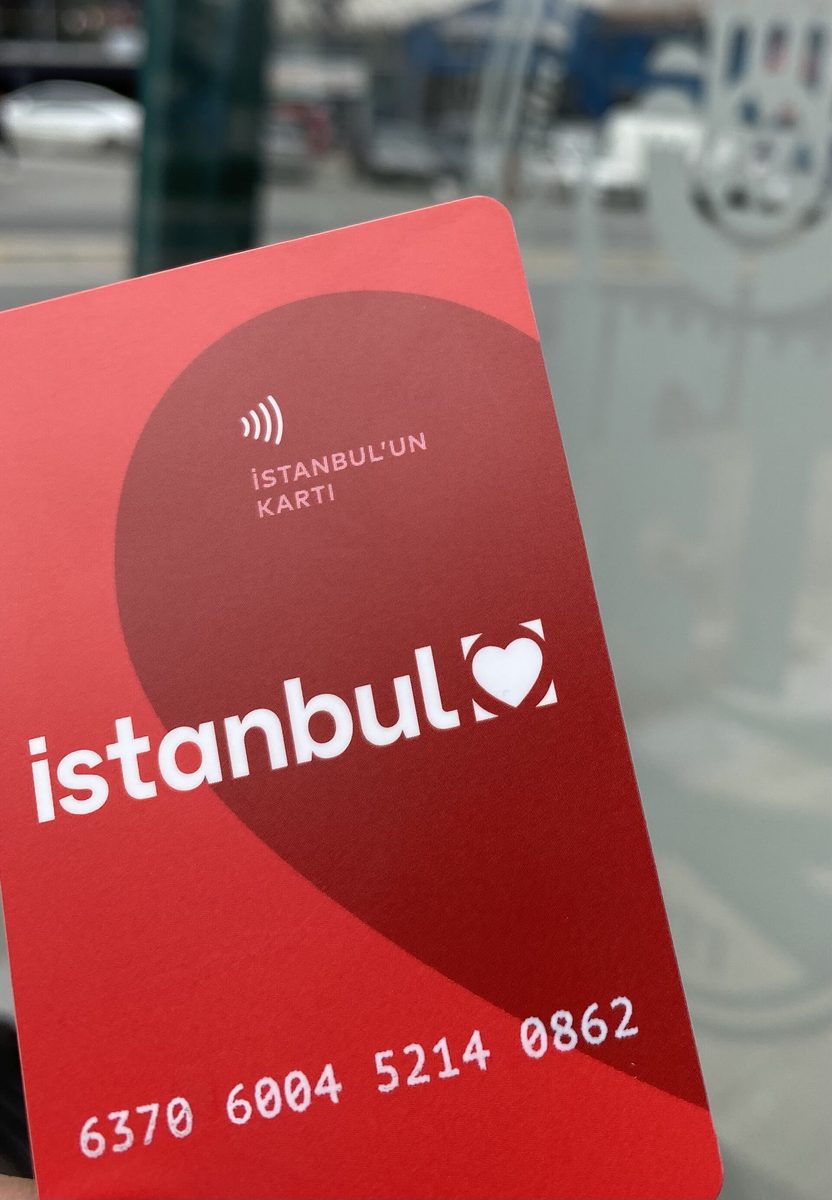
Take the M11 metro to Gayrettepe (about 30 minutes), change to the M2 towards Vezneciler or Şişhane, and you can be at Hagia Sophia or the Blue Mosque within roughly an hour and a quarter of leaving the terminal. This gives you two to three hours actually in Sultanahmet before you need to start the return journey, which is enough for Hagia Sophia and a walk around the Hippodrome and the Blue Mosque’s exterior, but not enough for Topkapı Palace’s three-hour visit as well. Buy an Istanbulkart at the airport metro entrance before you go — see our Istanbulkart guide — since it covers the metro fare and any connecting tram.
Sequence matters more than it seems on a layover this tight: go to Hagia Sophia first, since it is the single sight most worth protecting time for if something runs late, and treat the Blue Mosque and Hippodrome as the flexible remainder you either fit in or trim depending on how the morning has gone. Do not attempt the Basilica Cistern or the Grand Bazaar on a 6-hour window specifically — both are worthwhile but neither is essential enough to risk the return journey for, and a missed connecting flight is a considerably worse outcome than a skipped cistern.
8–12 hours: a proper half-day
The same route, with more breathing room: three to five hours in Sultanahmet is enough for Hagia Sophia, the Blue Mosque, the Hippodrome and either the Basilica Cistern or a walk through the Grand Bazaar, plus a proper Turkish meal rather than a rushed one. This is the range where Touristanbul’s longer routes and an independent trip start to look similar in what they can cover, and where registering for Touristanbul specifically — for the included transport and a guide who knows the timing cold — starts to be worth the desk visit over doing it yourself.
If you would rather go independent at this length, add Topkapı Palace’s first and fourth courtyards rather than the full three-hour visit — the free first courtyard and the fourth courtyard’s Bosphorus-facing terraces give a genuine sense of the palace without the ninety-minute treasury queue that eats most visitors’ time on a normal day. A meal at a proper lokanta near the tram line rather than a tourist-strip restaurant with a tout outside keeps both the cost and the time closer to what a local lunch actually takes, rather than the extended, menu-heavy affair a strip restaurant will try to stretch it into.
24 hours or an overnight layover
With a genuine overnight break, treat it as a very short trip rather than a layover: check into a hotel near Sultanahmet for a few hours’ proper sleep, see the old city’s headline sights at a normal pace rather than a sprint, and add a Bosphorus ferry crossing if the schedule allows — see our full Istanbul itinerary planner for how to sequence a single day properly. This is also the range where the Turkish Airlines stopover hotel, if your ticket qualifies, turns the whole thing into a funded mini-trip rather than something you pay for out of pocket.
A realistic 24-hour shape: arrive in the afternoon or evening, check in and sleep properly rather than fighting jet lag with sightseeing on no rest, then give the whole of the next morning and early afternoon to Sultanahmet before heading back to the airport with a comfortable buffer. Resist the temptation to also squeeze in Beyoğlu, the Bosphorus and the Asian side on the same rotation — a 24-hour stopover is long enough for one neighbourhood done properly, not the whole city done at a sprint, and trying to do all of it tends to produce a trip remembered mainly for the rushing rather than for what was actually seen.

If you’d rather not leave the airport
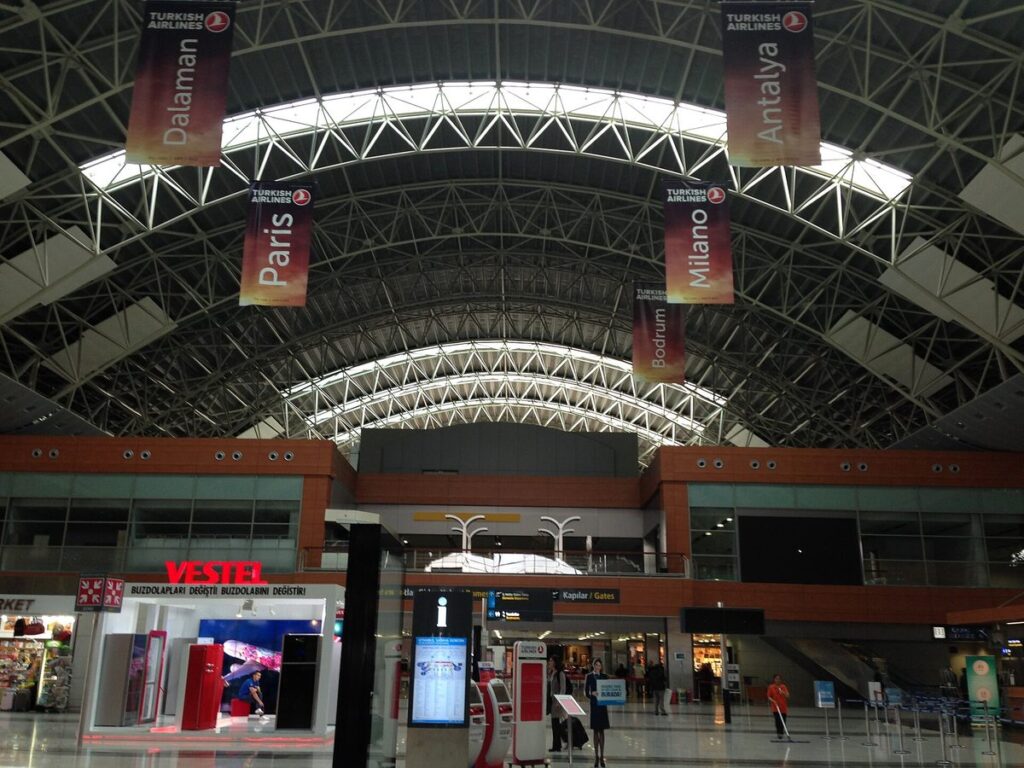
Istanbul Airport has a genuinely good set of options for a layover spent entirely airside. The IGA Lounge is open 24 hours, pay-at-the-door if you do not have lounge access through your ticket or a membership, and accepts Priority Pass; showers run around 15 EUR there or roughly 25 EUR at the separate Ambassador Spa. YOTEL runs two properties: YOTELAIR, airside within the duty-free zone, which requires a valid international boarding pass to access and offers day rooms with a typical four-hour minimum; and YOTEL itself, landside near the terminal entrance, which needs no boarding pass and is the better choice if your layover spans an overnight stretch and you would rather not deal with the airside access requirement. Free nap recliners cluster near Gates E1 and E2 for a shorter, no-cost rest, and Sleepod-style pods are available near the D gates for a paid, more private option. Wi-Fi throughout the terminal is free and unlimited.
Turkish Airlines’ own lounges, separate from the IGA Lounge, are accessible to business class passengers and Star Alliance Gold-equivalent frequent flyers, and are worth checking your specific ticket and status against before assuming you need to pay for the IGA Lounge instead — a surprising number of economy passengers on partner airlines do qualify for at least a basic tier of lounge access through an alliance status they already hold. Whichever lounge or rest option you use, the terminal itself is large enough that allowing extra walking time between a distant lounge and your departure gate is worth building into your plan the same way you would build in a buffer for a city trip.
Packing and practical logistics for a layover trip
Carry-on bags travel into the city with you without issue; checked luggage is a genuinely different problem, since it is generally checked through to your final destination and simply is not accessible during the layover at all — do not plan a city trip around anything packed in a checked bag, and keep valuables, a change of clothes and anything you need for the trip itself in your cabin bag specifically because of this. If Hagia Sophia or the Blue Mosque is on your route, women should carry a light scarf for covering hair at the mosque entrance, and everyone should wear something that covers shoulders and knees comfortably — the mosques provide coverings at the door, but carrying your own saves time you do not have to spare on a tight layover schedule.
Withdraw some Turkish lira from an ATM in the arrivals hall before you head into the city, using a bank-branded machine rather than an airport currency-exchange booth, and decline any machine’s offer to charge you in your home currency instead of lira — the same rule that applies on a full trip applies here, and a layover is exactly the wrong time to be losing money to a bad exchange rate on top of losing time to a tight schedule. An Istanbulkart, bought at the airport metro entrance, covers your transport into town and back for a fraction of what a taxi both ways would cost, and doubles as a useful souvenir of a trip you may remember more fondly than the flight that produced it.
Luggage, SIM cards and other layover practicalities
If you are leaving the airport and do not want to carry bags into the city, the official left-luggage offices charge roughly 90 to 375 lira per 24 hours depending on bag size — check current rates on istairport.com rather than assuming last year’s figure still applies. Buying a local SIM or eSIM at the airport carries a real markup over buying in the city or online in advance; if your layover is airport-only, the convenience may be worth it, but if you are stepping out into town anyway, a city SIM shop or an eSIM purchased before departure is meaningfully cheaper. Foreign phones used in Turkey beyond a short-term basis are also subject to an IMEI registration rule after roughly 120 days, which is not a practical concern for a layover but is worth knowing if a short Istanbul stopover turns into a longer stay.
None of this needs to be arranged in advance beyond the Turkish Airlines stopover hotel application, which does have the 72-hour deadline covered above. Everything else on this page — buying an Istanbulkart, finding the Touristanbul desk, withdrawing cash, deciding between a lounge and a city trip — is a same-day decision you can make once you have actually landed and can see how much time and energy you genuinely have left.
What to skip, and what to reconsider
Cutting the security buffer close. The 1 hour 25 minute minimum Turkish Airlines states for Touristanbul is a floor, not a comfortable target — build in noticeably more, especially if your return to the terminal coincides with a peak arrivals period at security.
Assuming Touristanbul is bookable in advance. It is not. You find out you qualify and register in person, on the day, at the Arrivals-floor desk — do not plan your whole layover around a “reservation” that does not exist, and do not let a third-party website that claims otherwise talk you into thinking you have secured a spot before you land.
Trying to combine the stopover hotel and Touristanbul. Turkish Airlines does not allow both on the same connection. Decide which suits your layover length and ticket type before you arrive, since the desk staff will not be able to offer you both.
Trying to fit Topkapı Palace into a 6–8 hour layover. The palace alone needs three hours done properly. On a short layover, Hagia Sophia, the Blue Mosque’s exterior and the Hippodrome are the realistic list; save Topkapı for a longer stopover or a return trip.
Skipping travel insurance because “it’s just a layover.” If you are leaving the airport, you are legally entering Turkey the same as any other visitor, and the usual travel-insurance and entry-requirement logic applies exactly as it would on a full trip.
Wearing yourself out chasing a photograph over actually resting. A layover trip is worth doing for the experience, not for proving you did it — if the pace of a guided tour or a rushed independent trip is leaving you more exhausted than the sightseeing was worth, it is entirely reasonable to cut a stop and head back early rather than treating the itinerary as fixed.
Frequently asked questions
Can I leave Istanbul Airport during a layover?
Yes, provided your passport and visa status allow entry to Turkey and you have enough time to clear immigration, travel into the city and back, and clear security again before your connecting flight — realistically six hours or more.
What is Touristanbul?
A free guided city tour with transport included, for passengers connecting between two international flights on Turkish Airlines with a 6–24 hour layover. Registration happens in person at the Arrivals-floor desk; it is not bookable online, and staff there will confirm on the spot whether your specific ticket and layover length qualify for that day’s available routes.
How do I get the free Turkish Airlines stopover hotel?
Apply at least 72 hours before travel through Turkish Airlines’ stopover booking channel if your layover runs 20 hours to 7 days. Economy tickets get one night at a four-star hotel; business class gets two nights at a five-star; passengers from a specific list of “enhanced” countries get one extra night.
How many hours do I need to leave Istanbul Airport safely?
Six hours is the realistic minimum, covering roughly 30 minutes each way on the M11 metro, immigration in both directions, and a comfortable security buffer. Eight hours or more gives you enough time to actually enjoy the trip rather than rush it.
Can I do both Touristanbul and the stopover hotel?
No — Turkish Airlines does not allow the two to be combined on the same connection. Choose whichever suits your layover length and fare class.
What can I see in Istanbul on an 8-hour layover?
Hagia Sophia, the Blue Mosque’s exterior, the Hippodrome, and either the Basilica Cistern or a walk through the Grand Bazaar, with time for a proper meal — a realistic and satisfying half-day itinerary via the M11 metro, and enough to come away feeling you have genuinely seen the old city rather than glimpsed it from a taxi window.
Is there a free lounge or nap area at Istanbul Airport?
Free nap recliners are available near Gates E1 and E2. The IGA Lounge is open 24 hours and accepts Priority Pass or a pay-at-the-door fee; paid Sleepod-style pods are available near the D gates for something more private.
Should I buy a SIM card at Istanbul Airport?
Only if your entire layover stays airside — airport SIM and eSIM prices carry a real markup over buying in the city or arranging an eSIM before you travel.
Do I need to worry about my checked luggage during a layover?
If your bag is checked through to your final destination, you cannot access it during the layover, so keep anything you need for a city trip — money, a light scarf, a change of clothes — in your carry-on instead.
Is Touristanbul available on Sabiha Gökçen (SAW) as well as Istanbul Airport (IST)?
No — Touristanbul and the stopover hotel are Istanbul Airport (IST) programmes tied to Turkish Airlines’ own international-to-international connections there. A layover through Sabiha Gökçen on Pegasus, AJet or another carrier means doing an independent trip rather than a Turkish Airlines programme.
Is a layover trip worth it if I’m exhausted from a long-haul flight?
Not always. If you are running on very little sleep before another long flight, resting in a lounge or a landside hotel room may serve you better than pushing through a rushed sightseeing trip — weigh the specific trade-off honestly rather than assuming a free tour is automatically worth taking.
With only a day in the city, you will not see everything. Our Istanbul top 10 ranks the essentials and says how long each one really takes, which makes it easier to choose the two or three that fit a layover.