Things to Do ·
Top 10 Must-See Attractions in Istanbul, Ranked (and How Long Each Takes)
Istanbul's ten essential sights ranked, from Hagia Sophia and Topkapı to a ferry and an evening in Kadıköy, with how long each takes, the best time to go and the closed days that trip people up.
In this guide 11 sections
- The top 10 things to do in Istanbul at a glance
- How this ranking works
- The top 10 things to do in Istanbul, ranked
- Five honourable mentions
- Famous, but not in the top ten
- How to fit the top 10 into two, three or four days
- The top 10 with children
- The top 10 in winter or in the rain
- Closed days and timing traps
- Tickets, passes and booking
- Frequently asked questions
The usual way to ruin a top-ten list in Istanbul is to treat it as a checklist for one weekend: Hagia Sophia, Topkapı, the cistern and the Blue Mosque before lunch, the Grand Bazaar after, a ferry at dusk if anyone can still stand. By three o’clock everyone is queuing, tired and arguing. The ranking matters less than the order and the days you put things on.
The top 10 things to do in Istanbul are Hagia Sophia, Topkapı Palace, a Bosphorus ferry, the Blue Mosque, the Süleymaniye Mosque, the Basilica Cistern, the Grand Bazaar, the Spice Bazaar and Eminönü, Galata Tower and Karaköy, and an evening in Kadıköy on the Asian side. Together they need three full days, not one.
Below, each one is ranked with the reason it is there, how long it really takes, the best time of day, what it costs in broad terms and how to get there. After the ten come five honourable mentions, a few famous things that did not make the cut, and a plan for fitting it all into two, three or four days. For the long version, by area, see our full guide to things to do in Istanbul.
The top 10 things to do in Istanbul at a glance
| # | Attraction | Area | Give it | Best time | Cost |
|---|---|---|---|---|---|
| 1 | Hagia Sophia | Sultanahmet | 1–1.5 hours | First thing | Paid (euros, foreign visitors) |
| 2 | Topkapı Palace | Sultanahmet | 3 hours with the Harem | Opening; not Tuesday | Paid |
| 3 | A Bosphorus ferry | Eminönü, Karaköy, Beşiktaş | 20 minutes to a full day | Late afternoon | Transport fare upwards |
| 4 | Blue Mosque | Sultanahmet | 30–45 minutes | Morning, between prayers | Free |
| 5 | Süleymaniye Mosque | Süleymaniye hill | 1 hour | Late afternoon | Free |
| 6 | Basilica Cistern | Sultanahmet | 45 minutes | Opening or evening | Paid |
| 7 | Grand Bazaar | Beyazıt | 2 hours | Weekday morning; closed Sunday | Free to enter |
| 8 | Spice Bazaar and Eminönü | Eminönü | 1.5 hours | Late morning | Free to enter |
| 9 | Galata Tower and Karaköy | Galata | 2 hours | Opening or after dark | Paid tower; free streets |
| 10 | Kadıköy | Asian side | Half a day or an evening | Evening | Free (bring an appetite) |
Ticket prices change often, and the state museums charge foreign visitors in euros while the palaces charge in lira, so the prices themselves are kept up to date in one place: our Museum Pass guide, which also explains which of these the pass covers.
How this ranking works
Every list of Istanbul’s must-sees contains roughly the same names, so the order is where the judgement lies. This one weighs four things: how much a place tells you about the city that you cannot get anywhere else; how good the experience is on an ordinary day, queues and all; value for the time and money it takes; and whether it still feels worth it on a third or fourth visit. That is why a public ferry ranks above the Blue Mosque, why the Süleymaniye is in the top five, and why Kadıköy, which has no single monument, makes the list at all.
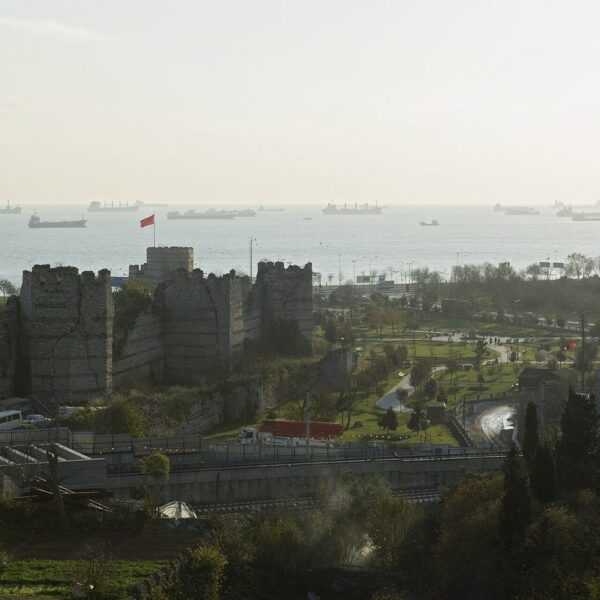
It is also a list for a first or second trip. Repeat visitors will want to swap in the Chora, the land walls, Balat or the Princes’ Islands, and the honourable mentions below are where to start.
The top 10 things to do in Istanbul, ranked
1. Hagia Sophia
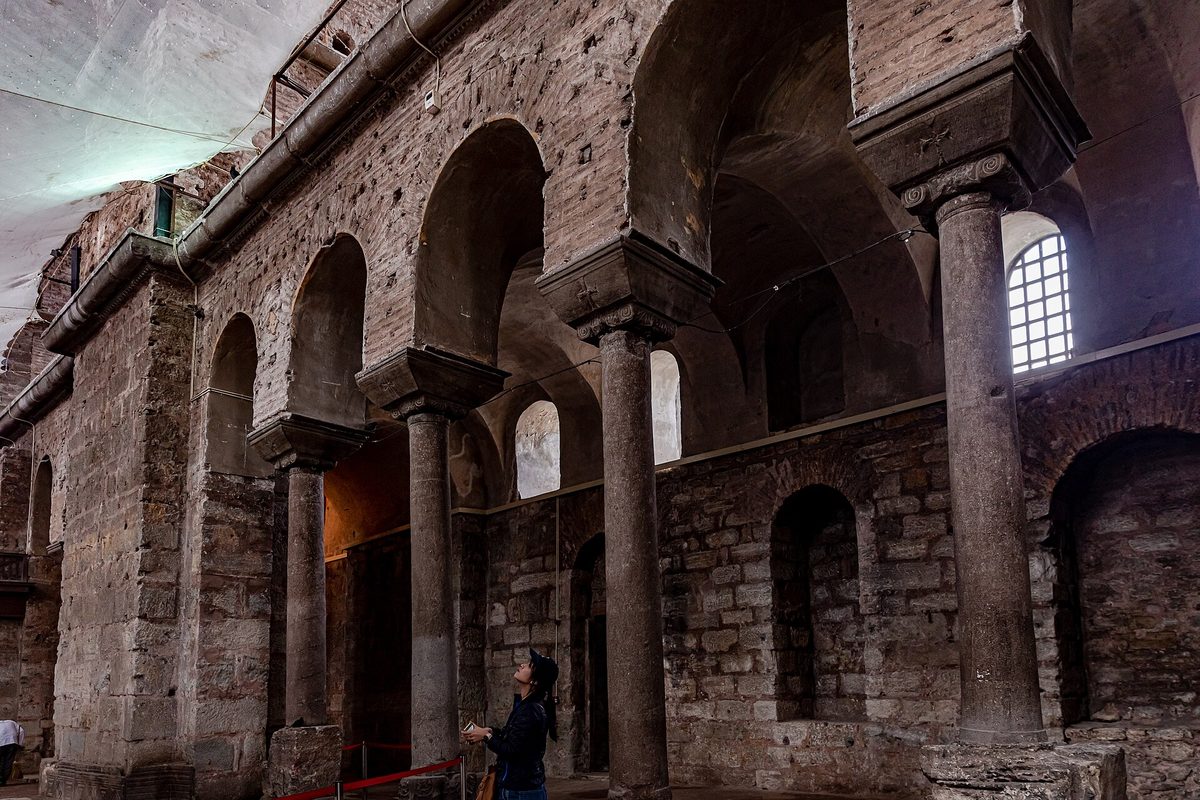
Nothing else in Istanbul, and very little anywhere, matches the moment you look up into Hagia Sophia’s dome. Built for Justinian between 532 and 537, it was the great church of Byzantium for over nine centuries, then a mosque, a museum, and since 2020 a mosque again. That last change shapes the visit: the ground floor is for worship, and foreign visitors pay for a separate route up to the galleries. Up there are some of the finest surviving Byzantine mosaics, including the Deesis, and you look down into the nave from the same level the empresses did.
How long: an hour to an hour and a half. When: be in line before opening, and avoid Friday midday, when the building is busy with prayers. Getting there: T1 tram to Sultanahmet. Know before you go: cover shoulders and knees, women cover hair, and expect visits to pause around prayer times. Our Hagia Sophia guide has the current ticket, the gallery route and the restoration work in detail.

Skip it if you are not interested in buildings at all. Almost nobody regrets it, even under the restoration scaffolding.
2. Topkapı Palace
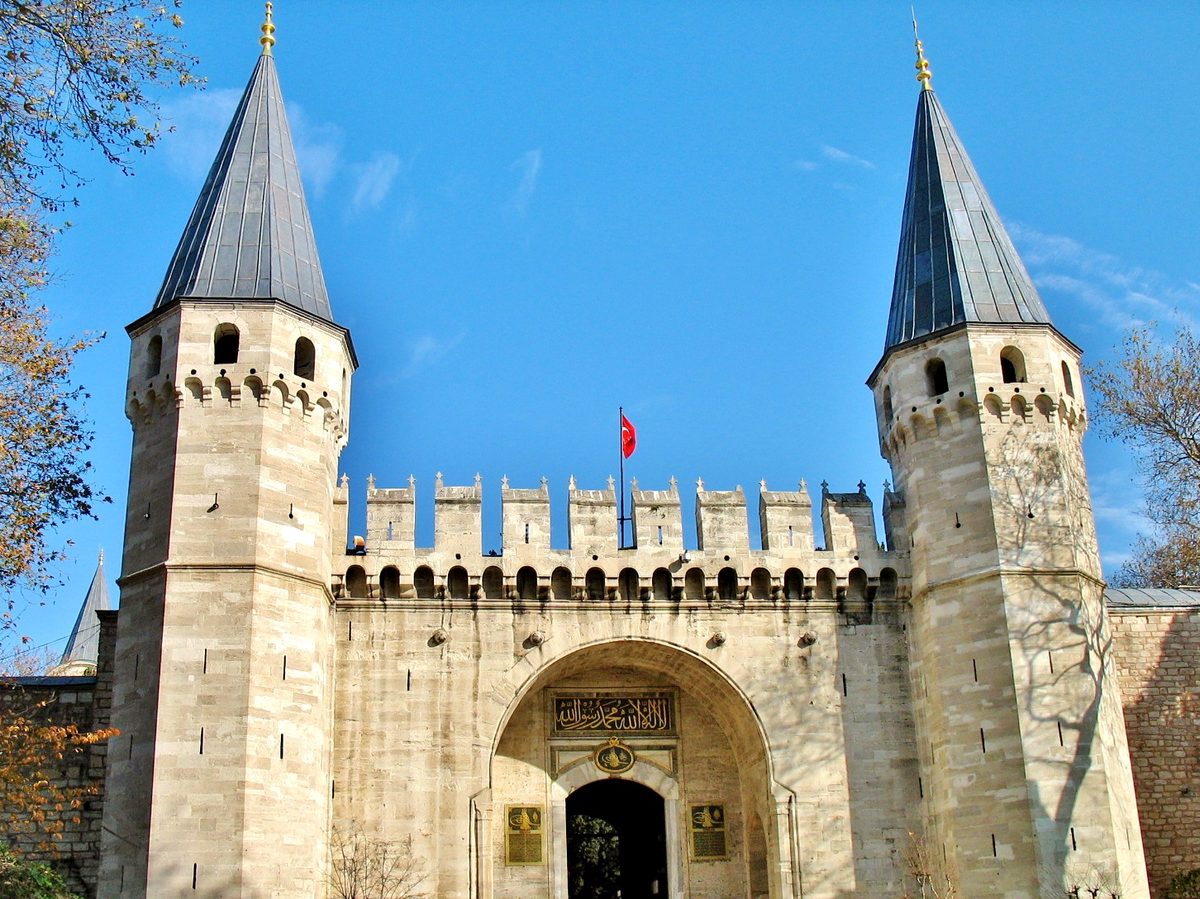
For about four centuries the Ottoman Empire was run from this hilltop, and the palace is laid out as a series of courtyards that get more private as you go in. The pavilions on the point look straight down the Bosphorus, the treasury holds some of the most extravagant objects you will ever see behind glass, and the Harem, which needs its own ticket or a combined one, is the part that makes the palace make sense: a warren of tiled rooms where the sultan’s family lived.
How long: three hours with the Harem, two without. When: at opening, and never on a Tuesday, when it is closed. The ticket offices open at 09:00 and close at 17:00. Getting there: T1 to Sultanahmet or Gülhane, then walk through the gate behind Hagia Sophia. Children aged six and under go free at the National Palaces. Our Topkapı Palace guide walks through it courtyard by courtyard.

Skip it if palaces bore you. The Harem is the essential part, so if time is short, do the Harem and the pavilions on the point and leave the rest.
3. The Bosphorus by ferry
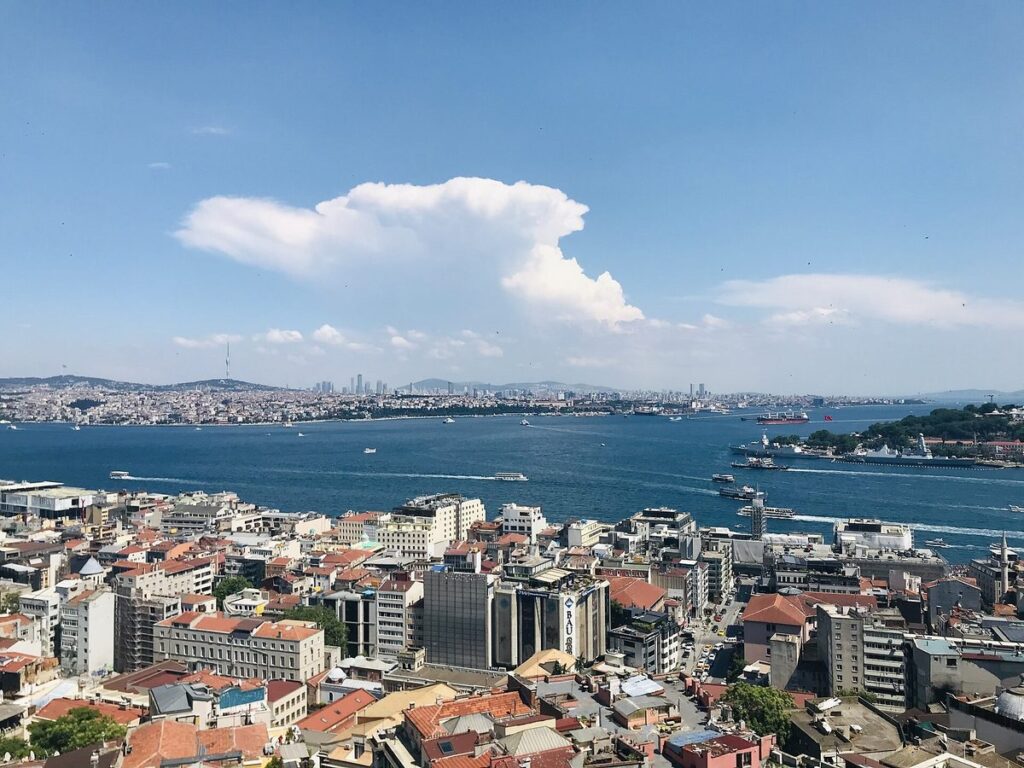
If you only did one thing in Istanbul, this might be the one to choose, which is why it ranks above some very famous buildings. The strait between Europe and Asia is the reason the city exists, and seeing it from the water, with yalıs, palaces, fortresses and the bridges sliding past, is the best way to understand the place. The trick is that it costs very little: the public ferries are commuter boats, not tours.
Three ways to do it. The quickest is a commuter ferry from Eminönü, Karaköy or Beşiktaş across to Kadıköy or Üsküdar, which is the cheapest sightseeing in Istanbul. The classic is the Şehir Hatları long Bosphorus tour, which leaves Eminönü in the morning, sails up to Anadolu Kavağı near the Black Sea, gives you a few hours ashore and brings you back in the afternoon; check sehirhatlari.istanbul for the current departure time and fare. And in between are the shorter tour boats from Eminönü and Kabataş, which turn round well before the Black Sea.
How long: twenty minutes to a full day. When: late afternoon for the light, or the morning for the long tour. Our Bosphorus cruise guide compares all the options.
Skip it if you are prone to seasickness; but the crossings within the city are short and the water in the strait is usually calm.
4. The Blue Mosque
The Sultan Ahmed Mosque faces Hagia Sophia across the gardens, and it was put there to answer it. Built between 1609 and 1617, it has six minarets, a vast courtyard and an interior covered in blue İznik tiles, lit by a low ring of lamps. It is a working mosque and free to visit, which is part of its appeal: you are walking into a place of prayer, not a museum.
How long: thirty to forty-five minutes. When: in the morning, between prayers; visits pause for each of the five daily prayers and the mosque is closed to visitors for much of Friday midday. Check the day’s prayer times on the Diyanet’s site or the board at the visitor entrance. Getting there: T1 to Sultanahmet.

Skip it if you are short of time and will see the Süleymaniye; the Blue Mosque’s queue is long, and the Süleymaniye is the better building.
5. The Süleymaniye Mosque
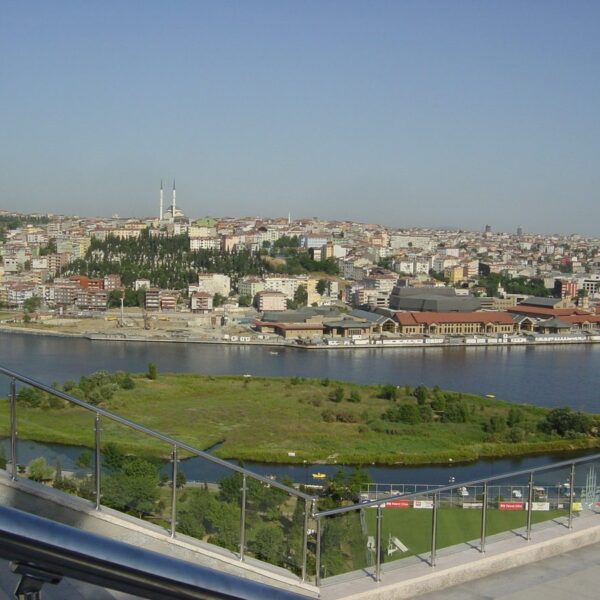
Ranked above the Blue Mosque by many who know the city well, and you can see why the moment you walk into the courtyard. Mimar Sinan built it for Süleyman the Magnificent between 1550 and 1557, and it is Sinan’s masterpiece in Istanbul: calm, light and enormous, without the crowds of Sultanahmet. Süleyman and his wife Hürrem are buried in the tombs in the garden behind the mosque, and Sinan’s own tomb is just outside the walls. The terrace at the back has one of the best free views in the city, over the Golden Horn to Galata.
How long: an hour, including the tombs and the terrace. When: late afternoon, when the light hits the courtyard and the view. Getting there: walk uphill from the Grand Bazaar or from Eminönü; it is a steep climb either way.
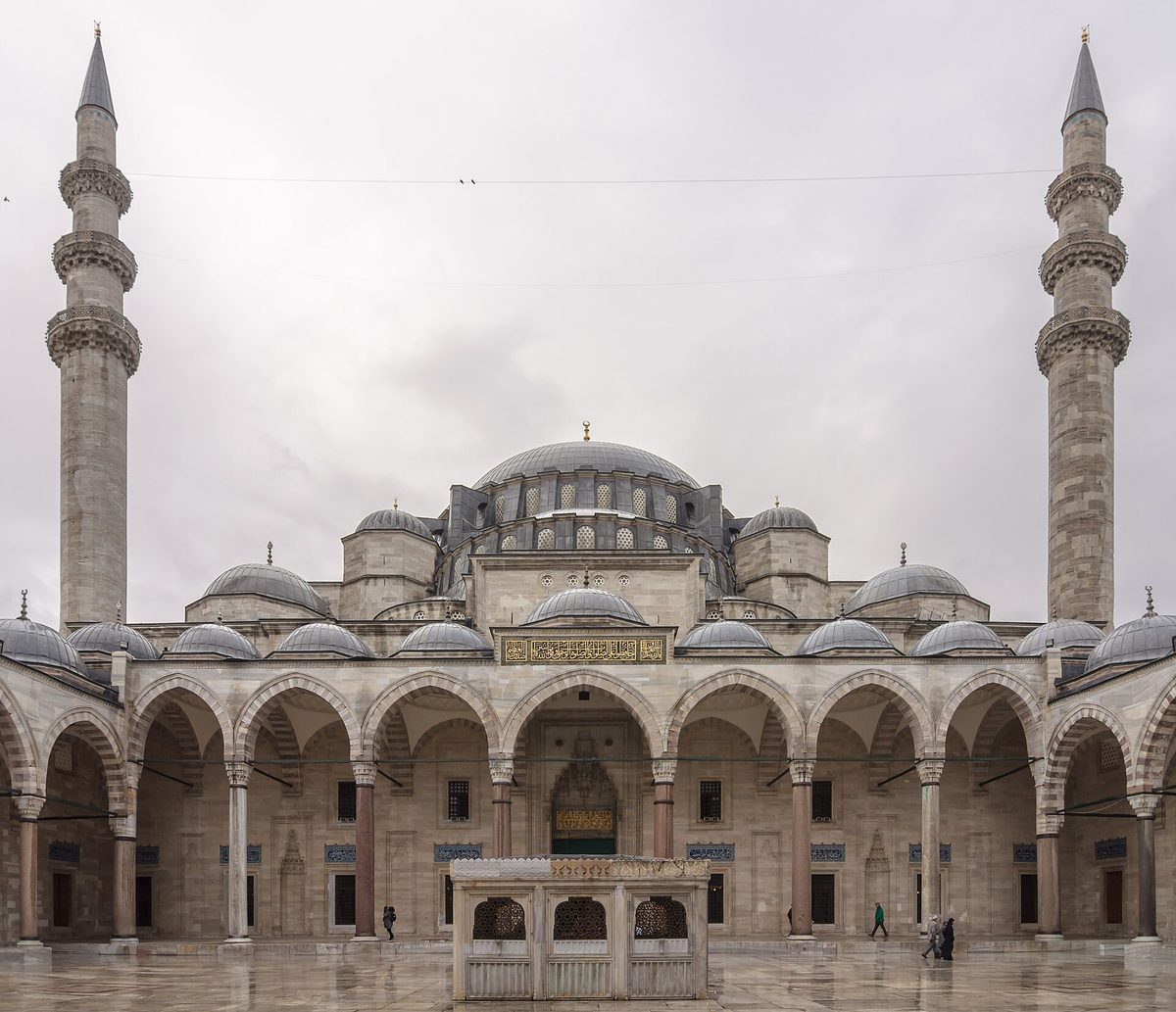
Skip it if you cannot manage the climb; the Süleymaniye sits at the top of steep streets from every direction.
6. The Basilica Cistern
Underneath Sultanahmet, Justinian’s sixth-century reservoir is a forest of columns standing in shallow water, lit in shifting colours. The two Medusa heads used as column bases at the far end are the famous photograph, and the place is properly atmospheric if you avoid the peak crowds. Management of the cistern is changing, so check its official channels for current hours and tickets before you go.
How long: forty-five minutes. When: first thing, or in the evening. Getting there: T1 to Sultanahmet; the entrance is across the road from Hagia Sophia.
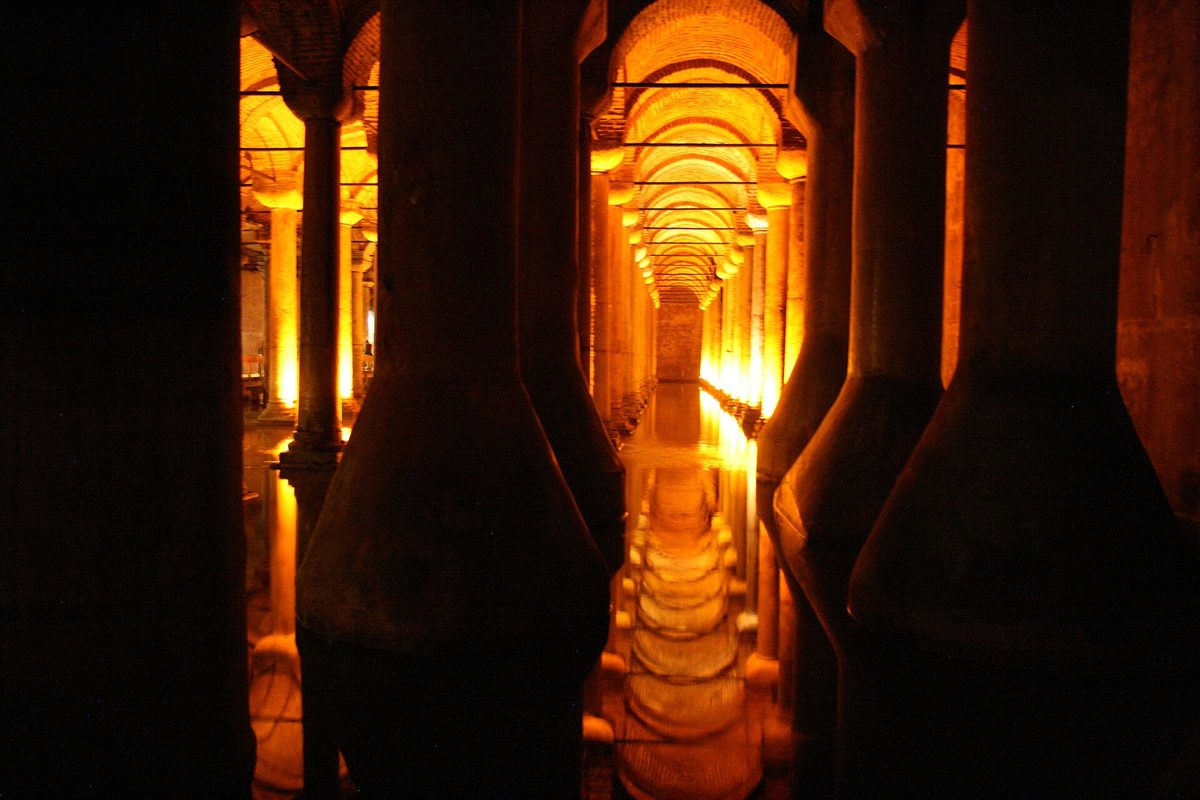
Skip it if you dislike crowds in enclosed spaces, or if the queue outside is long; come back at another time of day rather than wait an hour.
7. The Grand Bazaar
The Grand Bazaar began as a single domed hall for valuables in the 1450s and grew into a maze of streets, inns and workshops. It is a great place to get lost. It is also, in its main streets, a tourist market selling the same lamps and towels you see everywhere. The trick is to use the main streets to orient yourself and then turn off them, into the old hans where craftsmen still work and the smaller lanes where locals shop.
How long: two hours. When: a weekday morning; the bazaar is closed on Sundays and for religious holidays. Getting there: T1 to Beyazıt–Kapalıçarşı or Çemberlitaş. Our Grand Bazaar guide covers bargaining, the best gates and what is worth buying.

Skip it if you hate the hard sell. Walk through once for the architecture and buy your souvenirs elsewhere.
8. The Spice Bazaar and Eminönü
The Spice Bazaar, Mısır Çarşısı, is smaller and easier than the Grand Bazaar, a seventeenth-century L-shaped hall of spice, tea, dried fruit, nut and Turkish delight stalls next to the New Mosque in Eminönü. The real attraction is the area around it: the streets behind the bazaar where Istanbullus buy their coffee, cheese, kitchenware and olives, the ferry piers and the constant churn of people. Rüstem Paşa Mosque, with some of the finest İznik tiles in the city, is a short walk up the market streets.
How long: an hour and a half, more if you eat. When: late morning on a weekday, when the market streets are at their busiest. Getting there: T1 to Eminönü, or any ferry to Eminönü.
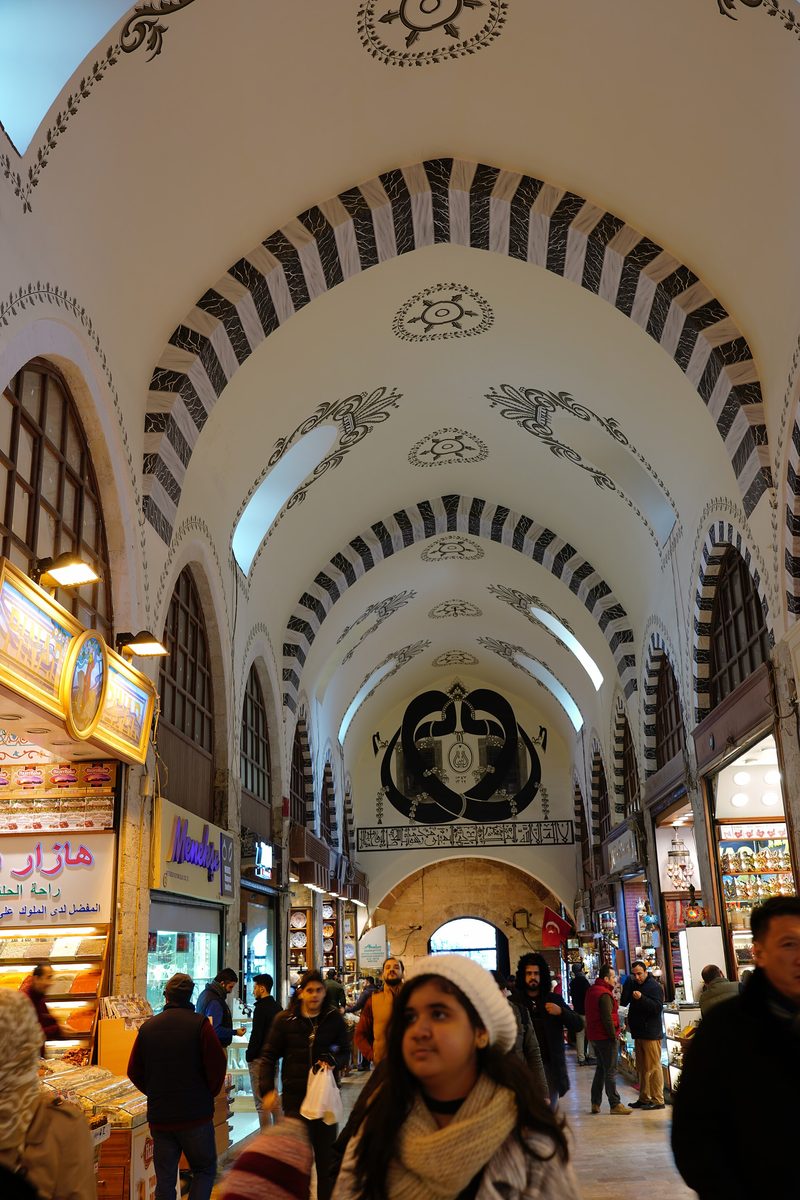
Skip it if you have already done the Grand Bazaar and are short of time; but the market streets around it are a better slice of daily life than either bazaar.
9. Galata Tower and Karaköy
The fourteenth-century Genoese tower on the hill above Karaköy is the landmark of the European side, and the view from its balcony takes in the old city, the Golden Horn and the Bosphorus all at once. The tower charged foreign visitors €30 in October 2026 and is open daily from 08:30 to 23:00, with last entry at 22:00; the Museum Pass is valid during the day only. The queue in high season can be long, so go at opening or after dark.
Then walk down. The steep lanes below the tower lead to Karaköy, a former port district of warehouses and banks turned into cafés, galleries and restaurants, with the Galataport waterfront and Istanbul Modern at the bottom. How long: two hours for the tower and the walk. Getting there: T1 to Karaköy, then uphill, or the historic Tünel funicular from Karaköy to the top of the hill. Our Beyoğlu and Galata guide covers the area.
Skip it if the queue is long and you have a rooftop café in mind instead: plenty of Galata’s terraces give you a similar view with a drink in hand.
10. An evening in Kadıköy
Kadıköy is not a sight; it is where you find out how Istanbul lives. A short ferry ride from the European side, its market streets are full of fishmongers, delis, meyhanes and some of the best cheap food in the city, and the streets uphill through Moda are lined with cafés, bars and record shops. Moda’s seafront at sunset, with the old city’s skyline across the water, is one of the great free views. It belongs in a top ten because it changes how you see the city.
How long: an evening, or half a day. When: from late afternoon. Getting there: ferry from Eminönü, Karaköy or Beşiktaş. Our Asian side guide has where to eat and what else to see.
Skip it if you are only in Istanbul for a day; but if you have three, it is the evening that people remember.
Five honourable mentions
These are the sights that missed the top ten by a whisker, and any of them could be in yours.
- The Chora (Kariye Mosque). Some of the finest late Byzantine mosaics and frescoes in the city, in Edirnekapı near the land walls. It is a working mosque again, so visits pause for prayers and Friday midday is for worship; check the visiting times before you go. If you love Byzantine art, put it in your top five.
- Dolmabahçe Palace. The Ottoman court’s grand nineteenth-century palace, all chandeliers and marble staircases on the Bosphorus shore at Beşiktaş. Closed on Mondays; the foreign ticket was 2,000 TL in October 2026. Our Beşiktaş guide covers it with the rest of the European shore.
- The Istanbul Archaeology Museums. The Alexander Sarcophagus alone is worth the ticket, and the museums sit just below Topkapı. Check the ministry’s museum pages (muze.gov.tr) for which sections are open before you plan around it.
- Fener and Balat. Colourful houses, the Greek Orthodox Patriarchate, churches, synagogues and cafés along the Golden Horn. See our Balat guide.
- The Princes’ Islands. A car-free day out by ferry, with old wooden mansions, pine woods and swimming in summer. Our Princes’ Islands guide explains which island to choose.
Famous, but not in the top ten
A few things appear on almost every Istanbul list and did not make this one.
- İstiklal Avenue. Worth walking once, between Taksim and Tünel, for the old arcades and the red tram, but on a weekend afternoon it is a crush of chain shops. The side streets are better.
- Taksim Square. A transport hub and a political landmark, not a sight.
- The Maiden’s Tower. Lovely from the shore at Üsküdar at sunset, for free. Paying to go out to it is optional.
- Dinner-and-show cruises. Sold hard in Sultanahmet; a public ferry at sunset and a good restaurant ashore are better and cheaper.
- The Hippodrome as a sight on its own. It is a long square with three ancient monuments, wonderful for ten minutes on the way past Hagia Sophia and the Blue Mosque, not a destination in itself. Our Istanbul history guide explains what you are looking at.
How to fit the top 10 into two, three or four days
Two days
Day one: Hagia Sophia at opening, the Blue Mosque, the Basilica Cistern, then lunch and the Grand Bazaar (not Sunday). Finish with the Süleymaniye’s terrace at sunset. Day two: Topkapı at opening (not Tuesday), the Spice Bazaar and Eminönü at lunch, a ferry to Kadıköy in the afternoon and dinner there. Galata Tower gets cut, or done after dark on day one if you still have legs.
Three days
Split the old city across two mornings: day one for Hagia Sophia, the Blue Mosque and the cistern; day two for Topkapı, then the Grand Bazaar and the Süleymaniye. Day three: the Spice Bazaar and Eminönü, then Galata Tower and Karaköy, then a ferry across to Kadıköy for the evening. Add the long Bosphorus tour to any morning if you swap something out.
Four days
Do the three-day plan and give the fourth day to the Bosphorus tour, or to the Chora and Balat, or to the Princes’ Islands. This is the length at which Istanbul starts to feel like a city rather than a list. Our Istanbul itinerary has full day-by-day plans with timings.
The top 10 with children
Most of the list works for children, with some editing. The ferry is the clear winner, followed by the Basilica Cistern, which is dark, watery and slightly spooky in the way children like, and Galata Tower, where the narrow balcony and the view win over most ages. Topkapı works if you keep it short and spend the time on the treasury and the gardens. The mosques are fine for short visits if children understand they need to be quiet. The bazaars are fun in small doses and exhausting in large ones. Two of the ten a day is plenty with young children, and a ferry counts as one.
The top 10 in winter or in the rain
Istanbul’s winters are grey, cool and wet, and that changes the order a little. The indoor sights move up: Hagia Sophia, Topkapı’s interiors and treasury, the cistern and the covered bazaars are all good on a wet day, and the queues are far shorter than in summer. The ferry still works, from inside the heated saloon with a glass of tea, and Kadıköy’s meyhanes and cafés are at their cosiest. What suffers is anything that depends on a view or a long outdoor walk: the Süleymaniye’s terrace, Galata’s balcony and the stroll between them. On a clear winter day, drop everything else and do those.
Closed days and timing traps
Most problems with a top-ten trip come from a handful of closures. Keep these in mind:
- Topkapı Palace is closed on Tuesdays.
- Dolmabahçe Palace is closed on Mondays.
- The Grand Bazaar is closed on Sundays and for religious holidays.
- Working mosques, including Hagia Sophia, the Blue Mosque, the Süleymaniye and the Chora, pause visits for each prayer and are busiest on Friday around midday.
- Religious holidays close or shorten hours at many sights, particularly on the first day; check the dates on our Istanbul events calendar.
The other trap is the queue. Between spring and autumn the big four in Sultanahmet can all have long lines by mid-morning. One big sight per morning, at opening, solves most of it.
Tickets, passes and booking
Of the ten, the Blue Mosque, the Süleymaniye, the bazaars, Kadıköy and the ferries cost little or nothing. Hagia Sophia, Topkapı, the Basilica Cistern and Galata Tower are paid, and the foreign-visitor tickets at the state sites are charged in euros. Whether the Museum Pass is worth it depends on the mix: it covers Topkapı and Galata Tower by day, but not Hagia Sophia, the Basilica Cistern or Dolmabahçe. Our Museum Pass guide does the sums.
Book online where the official site allows it, avoid resellers who add a mark-up for “skip the line” tickets that skip nothing, and remember that tours sold on the street in Sultanahmet usually cost more than doing the same thing yourself.
Frequently asked questions
What are the top 10 things to do in Istanbul?
Hagia Sophia, Topkapı Palace, a Bosphorus ferry, the Blue Mosque, the Süleymaniye Mosque, the Basilica Cistern, the Grand Bazaar, the Spice Bazaar and Eminönü, Galata Tower and Karaköy, and an evening in Kadıköy on the Asian side.
What is the number one attraction in Istanbul?
Hagia Sophia. Built in the sixth century, it has been a cathedral, a mosque, a museum and a mosque again, and its dome is one of the great sights of the world. Foreign visitors use a paid gallery route.
Can you see Istanbul’s top attractions in one day?
You can see the outside of most of the Sultanahmet ones, but not properly. In one day, choose Hagia Sophia, the Blue Mosque and either Topkapı or the Grand Bazaar, and finish with a ferry. Three days is the realistic minimum for the full top ten.
Which of Istanbul’s top attractions are free?
The Blue Mosque and the Süleymaniye Mosque are free outside prayer times, the Grand Bazaar and Spice Bazaar are free to enter, and Kadıköy costs only the ferry fare. Hagia Sophia’s gallery route, Topkapı, the Basilica Cistern and Galata Tower are paid.
Which attractions in Istanbul are closed on Mondays or Tuesdays?
Topkapı Palace is closed on Tuesdays and Dolmabahçe Palace on Mondays. The Grand Bazaar is closed on Sundays, and mosques pause visits for prayers, especially on Friday around midday.
Do I need to book Hagia Sophia or Topkapı in advance?
Not usually, but arriving at opening matters more than any booking. In high season, buy from the official channels where possible and avoid resellers’ “skip the line” mark-ups.
Is the Museum Pass worth it for the top 10?
Only partly. It covers Topkapı and Galata Tower during the day, but not Hagia Sophia, the Basilica Cistern or Dolmabahçe, so it pays off mainly if you add other museums, such as the Archaeology Museums.