Neighbourhoods ·
Besiktas, Ortakoy, Bebek & Nisantasi: Istanbul’s European Shore Beyond Beyoglu
Beşiktaş, Ortaköy, Arnavutköy, Bebek and Nişantaşı in one guide: the fish market, Dolmabahçe and Yıldız, the mosque under the bridge, the shore walk to Bebek, and where to eat and stay.
In this guide 18 sections
- Besiktas Istanbul at a glance
- How the European shore fits together
- A short history of the shore
- Beşiktaş
- The palaces of Beşiktaş
- Ortaköy
- Arnavutköy and Bebek
- Walking the shore from Ortaköy to Bebek
- Seeing the shore from the water
- Nişantaşı, Teşvikiye and Maçka
- Where to eat and drink in Beşiktaş
- Beşiktaş with children
- When to go
- Staying in Beşiktaş
- Getting to and around Beşiktaş
- What to skip in Beşiktaş
- A day in Beşiktaş and along the shore
- Frequently asked questions
Most visitors see Beşiktaş twice: once from the deck of a Bosphorus boat, as a blur of palace façades and ferry piers, and once from the queue outside Dolmabahçe. Then they go back to Sultanahmet, and miss the stretch of Istanbul where the city’s own residents eat fish, watch football, walk the shore and spend their Sunday mornings.
Besiktas Istanbul (Beşiktaş in Turkish) is the district on the European shore of the Bosphorus just north of Beyoğlu, running from Dolmabahçe Palace past Ortaköy, Arnavutköy and Bebek to Rumeli Hisarı, with Nişantaşı’s shopping streets on the hill behind. Go for the palaces, the fish market, the ferries and the waterfront villages.
This guide takes it in the order you would walk or ride it, from Beşiktaş’s market streets and ferry piers to the palaces, then up the shore to Ortaköy, Arnavutköy and Bebek, and finally inland to Nişantaşı and Maçka. Along the way: what to eat, where to stay, how to get around, and the parts that are not worth your time.
Besiktas Istanbul at a glance
| Area | Go for | Getting there | Give it |
|---|---|---|---|
| Beşiktaş Çarşı | Fish market, cheap eats, ferries, football bars | Ferry to Beşiktaş pier, or walk from Kabataş | Half a day |
| Dolmabahçe Palace | The empire’s last great palace | Walk from Kabataş (T1 tram terminus) | 2–3 hours |
| Yıldız Park and Palace | Shade, pavilions, Abdülhamid II’s palace museum | Uphill walk from Beşiktaş or Çırağan | 2 hours |
| Ortaköy | The mosque under the bridge, waterfront square | Bus along the shore, or walk from Beşiktaş | 1–2 hours |
| Arnavutköy | Wooden houses, fish restaurants | Bus along the shore | 1–2 hours |
| Bebek | Bay, cafés, Bosphorus breakfast, Rumeli Hisarı nearby | Bus along the shore | Half a day |
| Nişantaşı and Maçka | Designer shopping, cafés, Maçka Park | M2 metro to Osmanbey | Half a day |
How the European shore fits together
Beşiktaş is both a neighbourhood and a much bigger municipal district, and the two get confused. The neighbourhood is the busy market area around the ferry piers. The district runs north along the Bosphorus through Ortaköy, Kuruçeşme, Arnavutköy and Bebek as far as Rumeli Hisarı, and inland up the hills to Levent and Etiler. Nişantaşı and Maçka, which most visitors think of as part of the same trip, sit uphill in the neighbouring district of Şişli, but they are a short walk or one cable-car hop away.
The easiest way to understand it is as a line along the water. Start at Kabataş, where the T1 tram from Sultanahmet ends. Walk north and you pass Dolmabahçe Palace, then the football stadium, then Beşiktaş’s ferry piers and market streets. Keep going and the shore road passes Çırağan Palace and the gate to Yıldız Park, reaches Ortaköy under the first Bosphorus bridge, and continues through Kuruçeşme and Arnavutköy to Bebek. Behind all of it the hills climb steeply, which is why most people travel this stretch along the shore and not over the top.
If you have only one day, do Dolmabahçe and Beşiktaş in the morning, Ortaköy at lunch, and Bebek by late afternoon, then ferry or bus back. If you have more, give Nişantaşı and Yıldız a separate half-day.
A short history of the shore
For most of Ottoman history the European shore of the Bosphorus was where the court and the wealthy came to escape the crowded old city. Sultans built summer palaces and pavilions along the water, and pashas and merchant families built yalıs, the wooden waterside mansions you still see from the ferries. Beşiktaş had a naval connection from early on: Barbaros Hayreddin, the admiral who commanded Süleyman the Magnificent’s fleet, chose to be buried here in a tomb designed by Sinan, looking out at the water.
The shore’s big moment came in the nineteenth century, when the sultans moved out of Topkapı. Dolmabahçe, then Çırağan and Yıldız, made Beşiktaş the seat of the empire for its final decades, and the ministries, barracks and mansions of the court spread along the shore and up the hills behind. Nişantaşı and Teşvikiye grew into smart residential quarters for officials and the new professional classes, and they kept that character after the Republic.
The twentieth century brought the first Bosphorus bridge, which lands at Ortaköy, and the shore road that now carries traffic all the way to Sarıyer. The villages have changed, but much of their old shape survives: Arnavutköy’s wooden houses, Bebek’s bay, the fishermen’s piers and the tea gardens where people have watched the ships for generations. Our Istanbul history guide has the wider story.
Beşiktaş: fish, football and the ferries
Çarşı, the market streets
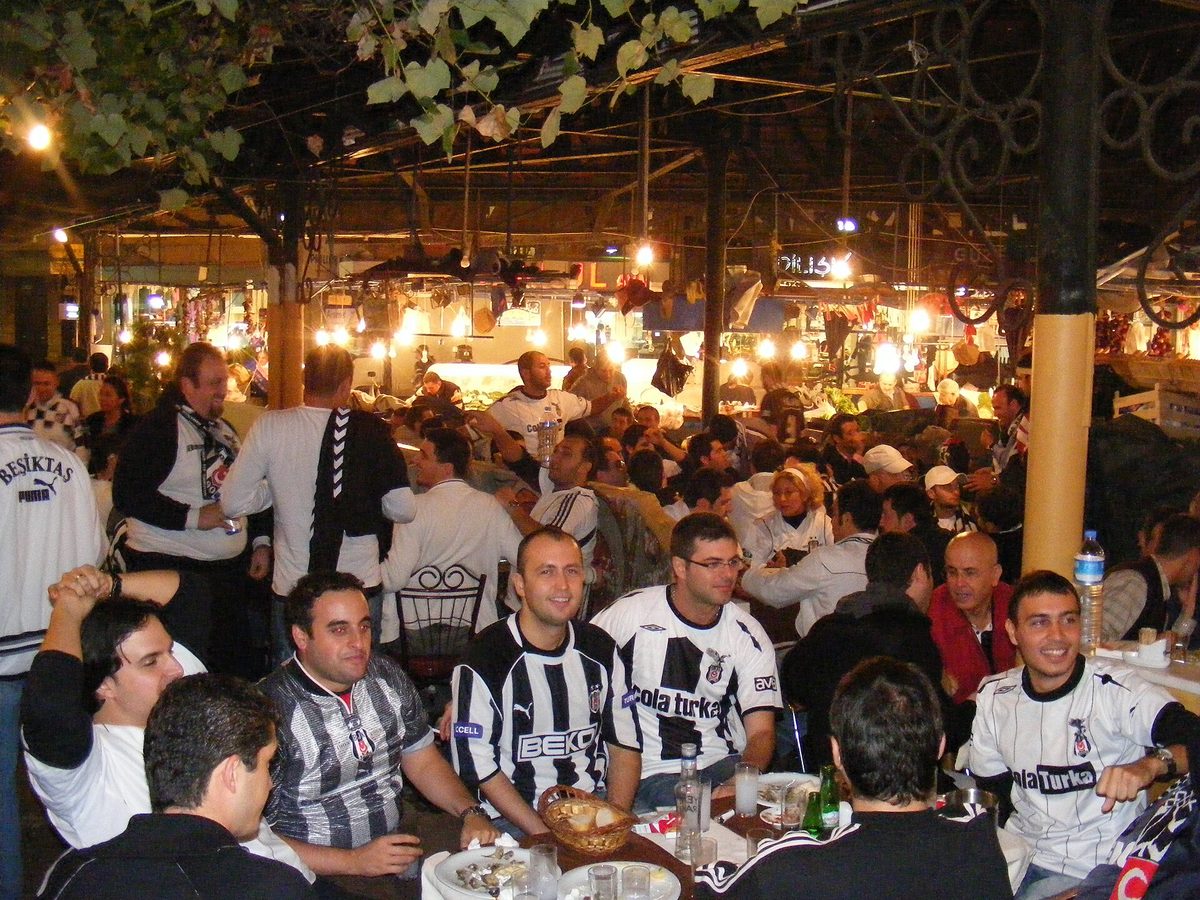
Çarşı is the old commercial heart of Beşiktaş, a grid of narrow streets behind the piers packed with fishmongers, greengrocers, delis, meyhanes, cheap kebab and kokoreç counters, tea gardens and bars. It is noisy, cheerful and very local, a student and office-worker neighbourhood rather than a tourist one, and it is one of the best places on the European side to eat well for little money. Wander in from the waterfront with no plan and follow the crowds.
Çarşı is also the name of the famous supporters’ group of Beşiktaş JK, the football club founded in 1903, and on match days the streets fill with fans in black and white. If you want the atmosphere without the crush, come a few hours before kick-off and eat in Çarşı with everyone else; if you want a quiet dinner, check the fixture list and avoid match nights.
The fish market
The Beşiktaş fish market, Balık Pazarı, sits in the middle of Çarşı. The stalls lay out whatever is in season, from sea bream and bluefish to hamsi, the Black Sea anchovy, in winter. Around them are small restaurants that will cook what you buy or serve their own grilled fish, midye (stuffed mussels) and meze. It is a working market, not a show, so the best time to see it is late morning or early evening, when both the stalls and the restaurants are busy.
Barbaros Square and the Naval Museum
On the waterfront by the piers stands the statue of Barbaros Hayreddin Paşa, the sixteenth-century Ottoman admiral Europeans called Barbarossa, and behind it his tomb, designed by Mimar Sinan in 1541. It is small and easy to miss, but it is a Sinan building right on the waterfront.
Next to it, the Istanbul Naval Museum (Deniz Müzesi) holds the Ottoman imperial caïques, the long rowing barges that carried sultans along the Bosphorus, which are the reason to go. It is closed on Mondays; check the Ministry of Culture’s museum site, muze.gov.tr, for current opening hours and ticket prices before you go.
The ferry piers
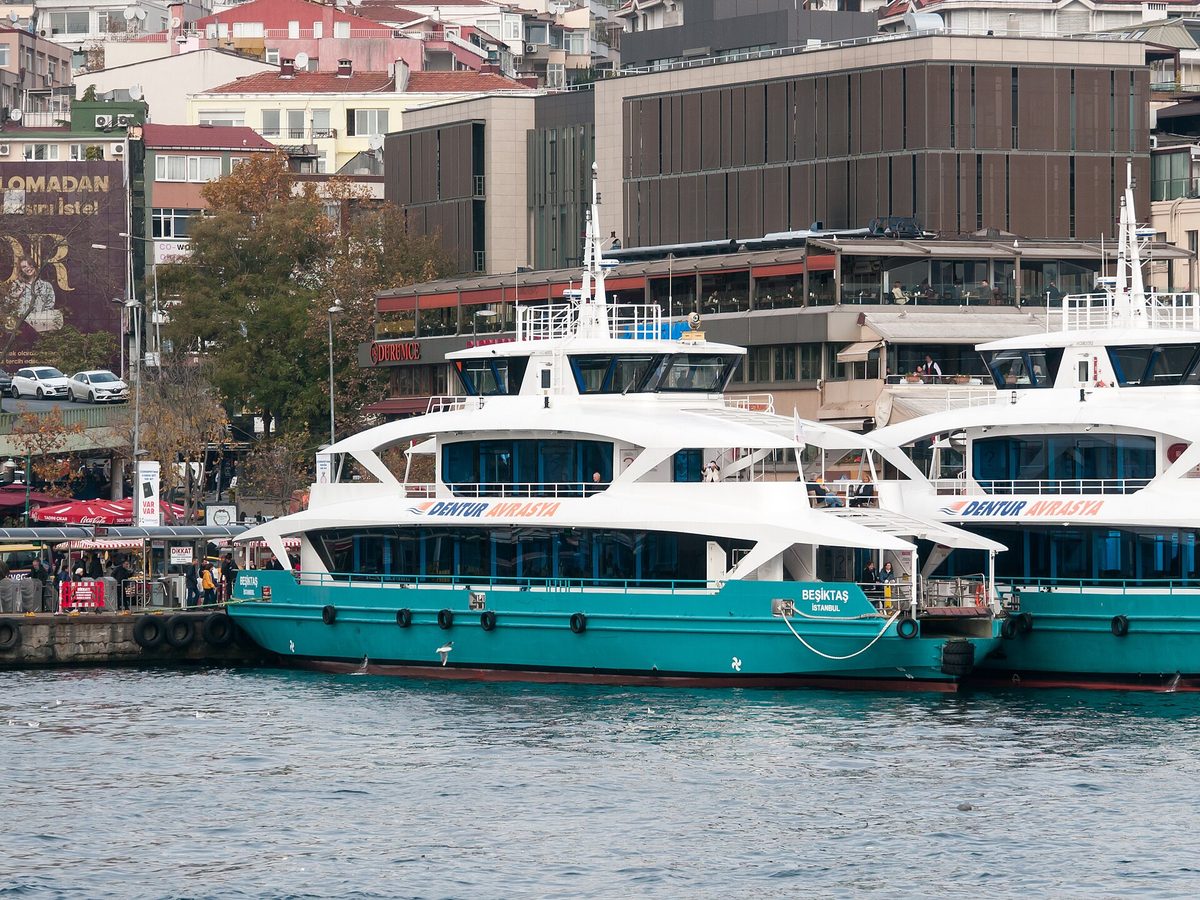
Beşiktaş is one of the city’s main ferry hubs, and for many visitors that is its most useful feature. Şehir Hatları’s commuter ferries cross from here to Kadıköy on the Asian side, and private operators such as Dentur Avrasya run boats to the Asian shore as well. All of them take the Istanbulkart; see our Istanbulkart guide for current fares. Check the timetables on sehirhatlari.istanbul and dentur.com.tr, because frequencies change between summer and winter.
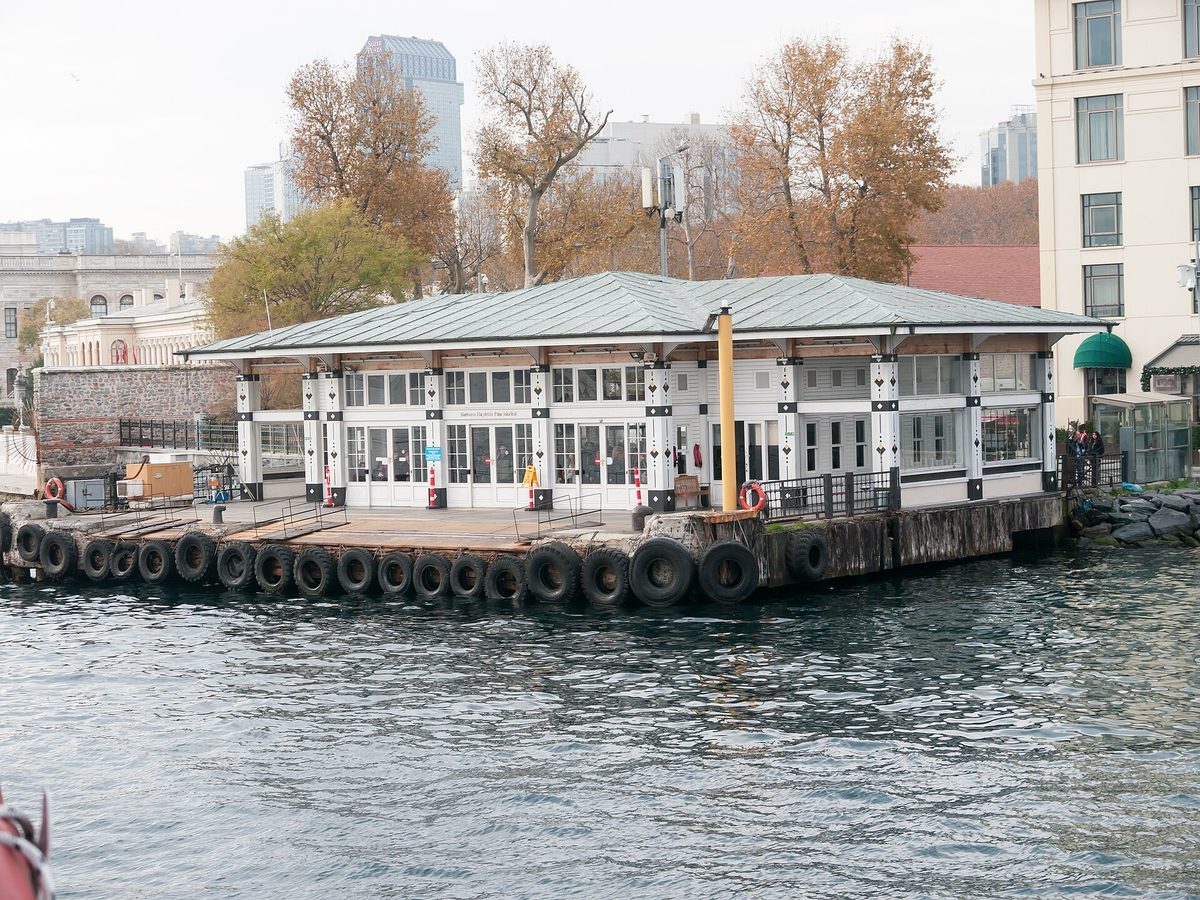
The Bosphorus tour boats also stop here: the long Şehir Hatları Bosphorus cruise from Eminönü calls at Beşiktaş on its way north, so you can board here instead of fighting the crowds in Eminönü. Our Bosphorus cruise guide explains the options.
Akaretler and the stadium
Between Çarşı and Dolmabahçe, the Akaretler row houses climb the hill from the shore road: a terrace of nineteenth-century houses built for palace staff, now restored and full of shops, restaurants and a hotel. It is a pleasant five minutes’ detour on the way to or from Dolmabahçe. Below it, between Dolmabahçe and the piers, is Beşiktaş’s stadium, currently called the Tüpraş Stadyumu under a sponsorship deal, which holds roughly 40,000 people and hosted the 2026 UEFA Europa League final in May.
The palaces of Beşiktaş
Dolmabahçe Palace
Dolmabahçe was built between 1843 and 1856 for Sultan Abdülmecid I by the Balyan family of architects, and it was where the Ottoman court moved when it left Topkapı. It is everything Topkapı is not: one huge European-style palace of marble staircases, chandeliers and gilded ceilings, with 285 rooms and 44 halls, set along the water. It became a museum in 1984. It is also where Atatürk died, on 10 November 1938, and the room is part of the tour.
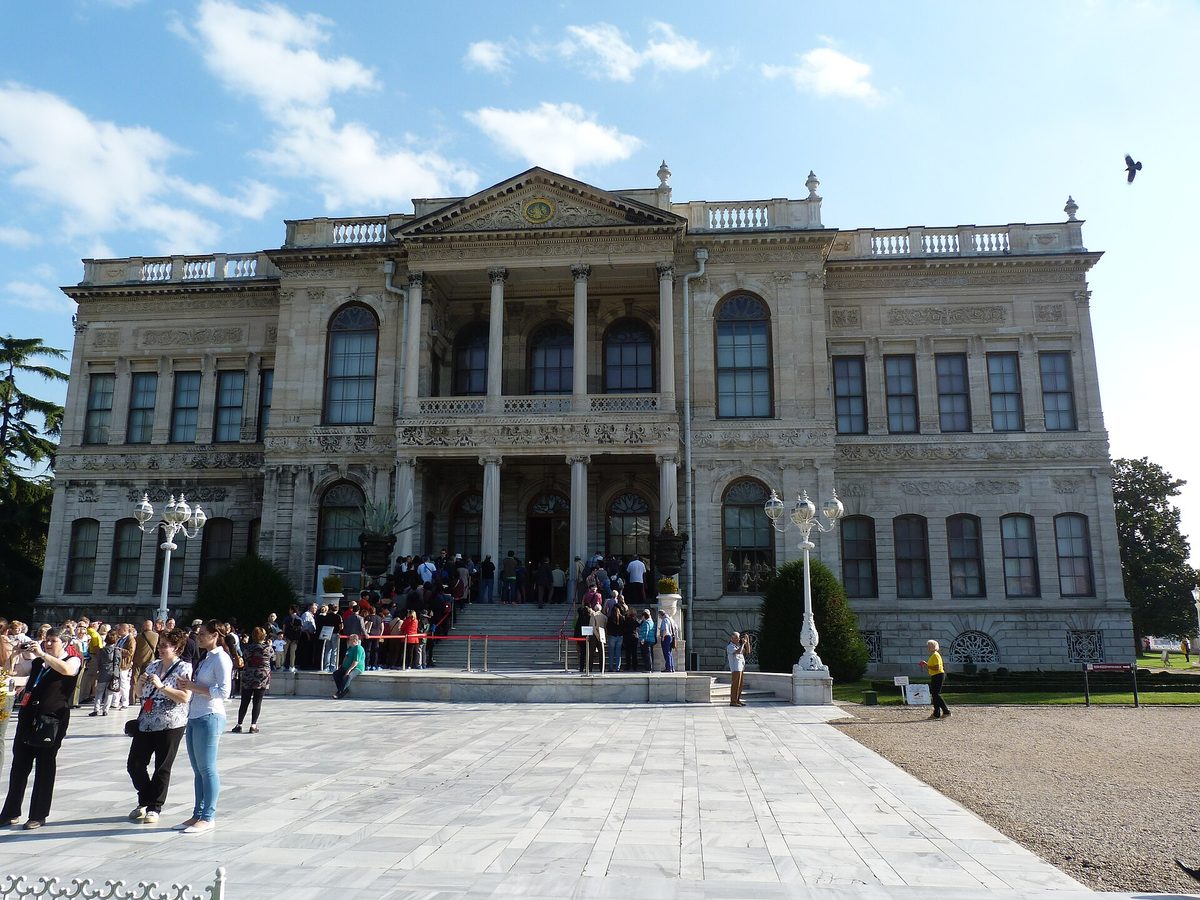
Practicalities: it is closed on Mondays, and the combined ticket for the Selamlık, the Harem and the painting collection cost 2,000 TL for foreign visitors in October 2026 (checked on the National Palaces site, millisaraylar.gov.tr). Visits inside follow a set route, and queues build quickly in summer, so arrive at opening. Our Topkapı Palace guide explains how the two palaces compare, and the Museum Pass guide explains why the pass does not cover Dolmabahçe.
Yıldız Park and Yıldız Palace
Uphill from the shore road between Beşiktaş and Ortaköy, Yıldız Park is one of the largest green spaces on this side of the city: steep wooded paths, lawns, ponds, and several nineteenth-century pavilions, including the Malta and Çadır pavilions and the Chalet. It is free and open to the public, and on a hot day it is the best shade anywhere near the Bosphorus.
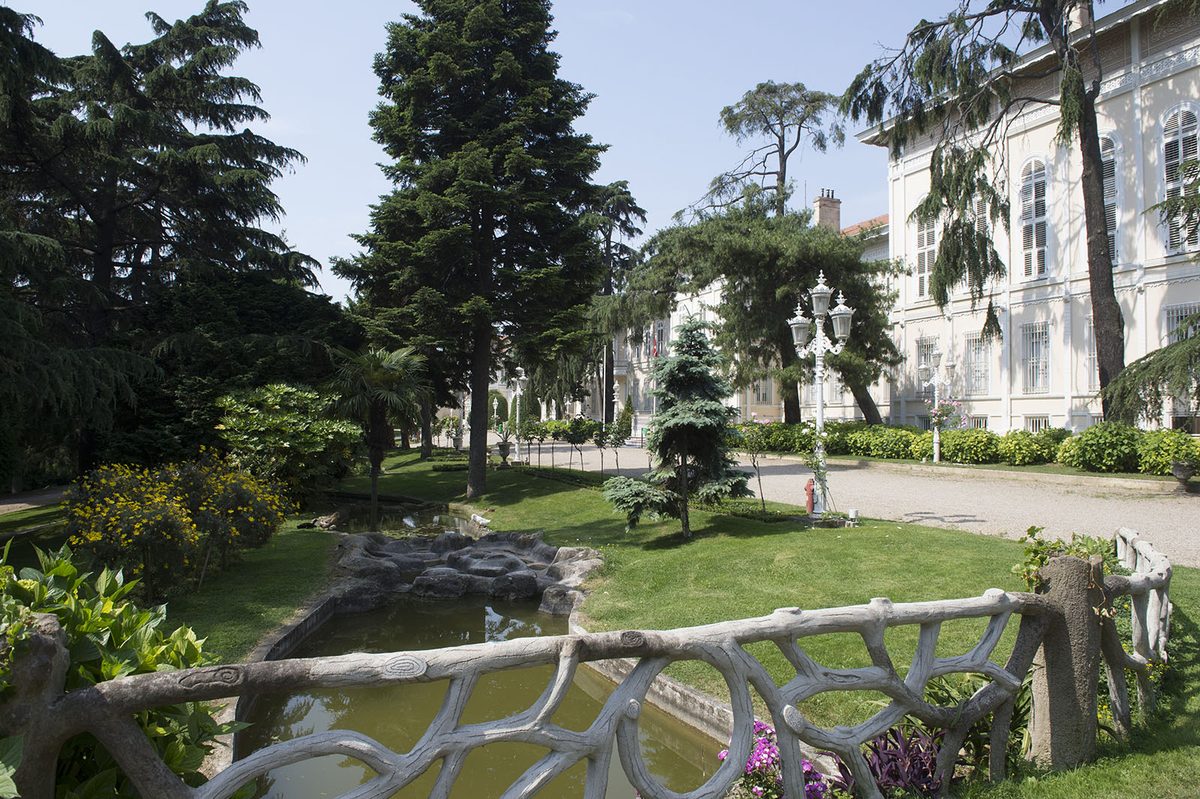
Above the park, Yıldız Palace was the walled residence of Sultan Abdülhamid II, who preferred its seclusion to Dolmabahçe on the water. It is open as a museum under the National Palaces administration, closed on Wednesdays, and the foreign ticket was 900 TL in October 2026. Older guidebooks and blogs still describe it as closed; it is worth checking the National Palaces site for current opening, since sections of the complex can close for works.
Ihlamur Pavilions
Inland, in the valley between Beşiktaş and Nişantaşı, the Ihlamur Pavilions are two small nineteenth-century royal pavilions in a garden of linden trees: a quiet half-hour for anyone who has already done the big palaces. They are closed on Mondays, and the foreign ticket was 280 TL in October 2026.
Çırağan Palace
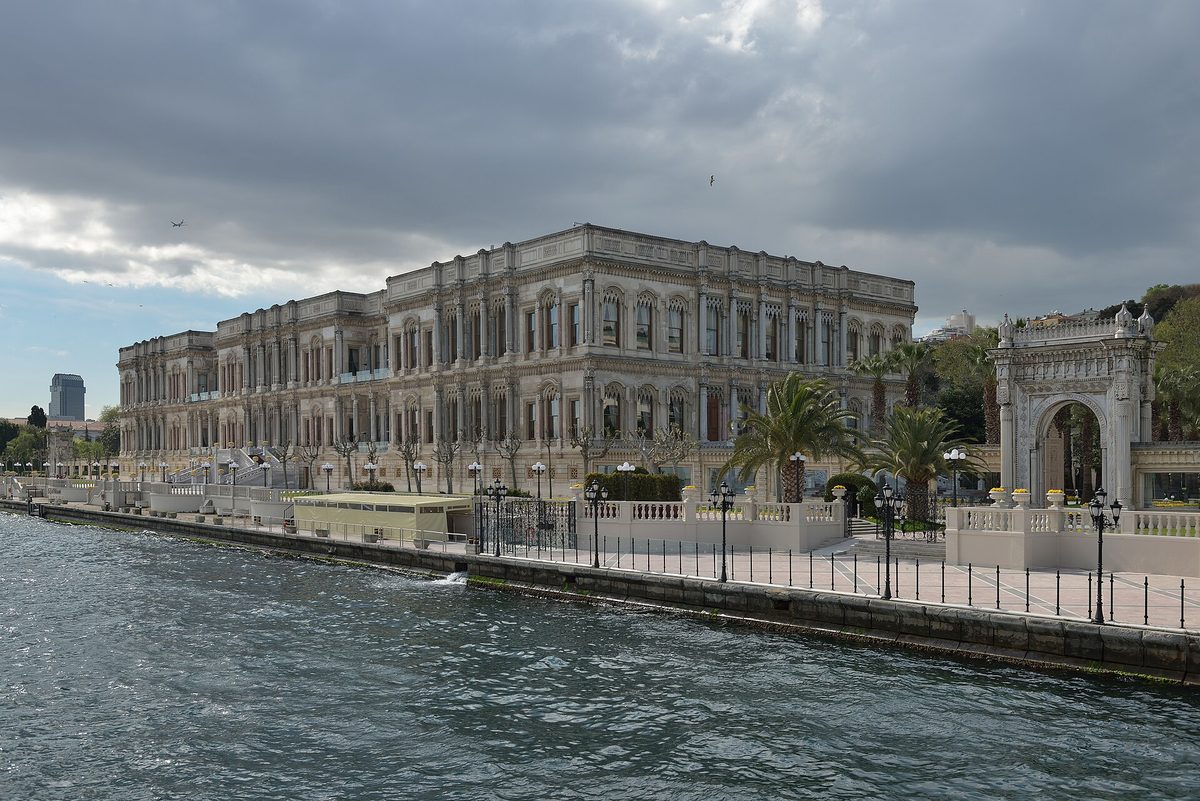
The long white palace on the water between Beşiktaş and Ortaköy is Çırağan, another nineteenth-century Ottoman palace, now the Çırağan Palace Kempinski hotel. You cannot tour it as a museum, but you see it best from the water anyway, and a drink on the hotel’s terrace is one way to get inside the gates.
Ortaköy: the mosque under the bridge
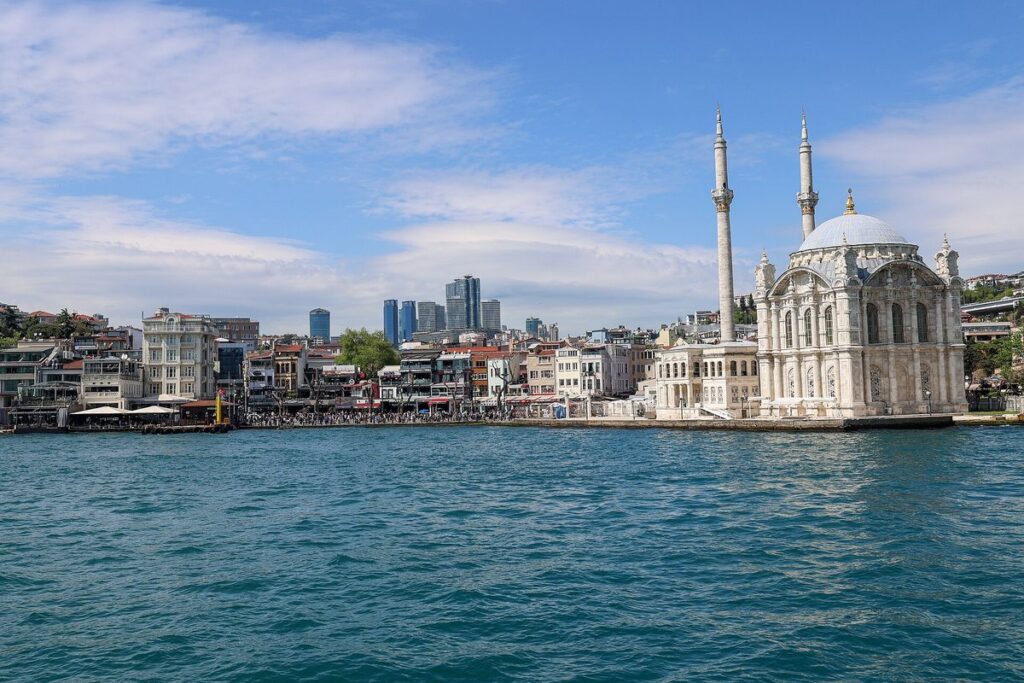
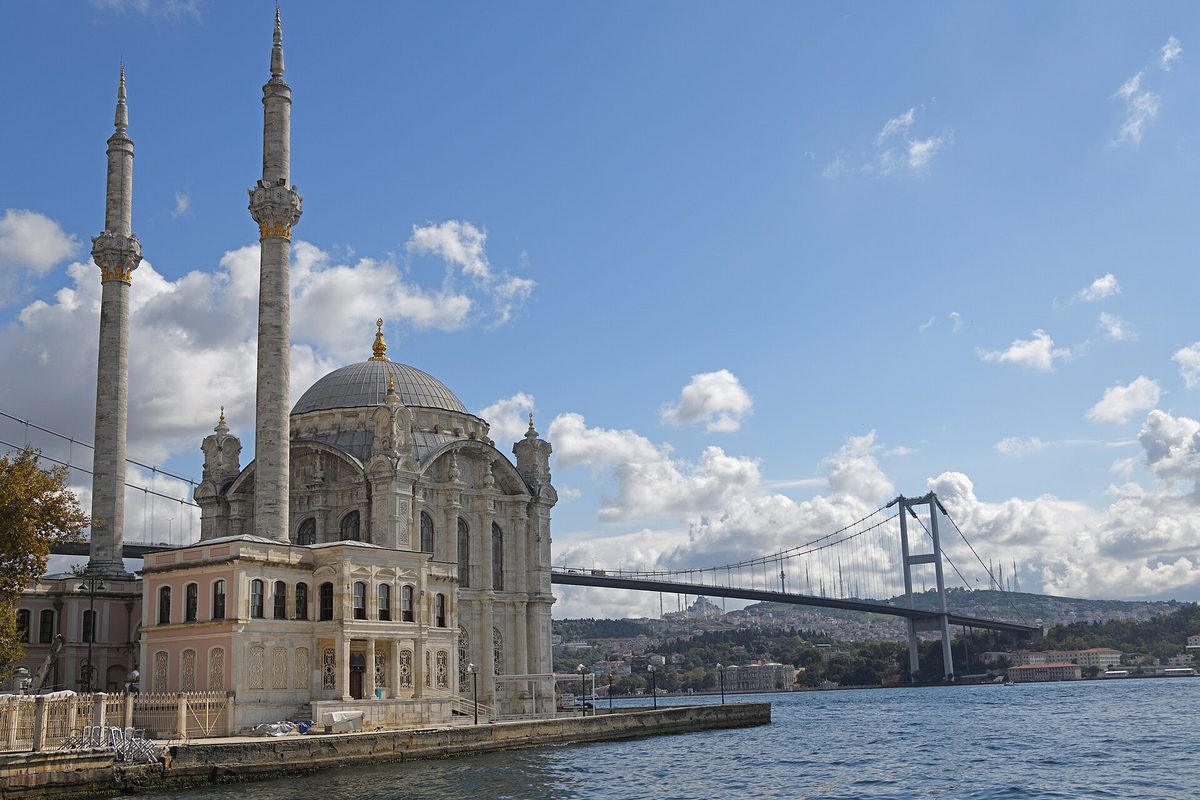
Ortaköy is the picture everyone knows: a small, ornate mosque on the edge of the water with the Bosphorus Bridge soaring behind it. The Ortaköy Mosque, officially the Büyük Mecidiye Mosque, was built for Abdülmecid I by the architects Garabet and Nikoğos Balyan, completed around 1854–56. It is a working mosque, so visit outside prayer times and follow the usual mosque etiquette, covered in our Istanbul history and culture guide.
Around the mosque, the waterfront square has tea gardens, cafés, souvenir stalls and, most famously, a row of kumpir stands: huge baked potatoes split open and loaded with butter, cheese and a long list of toppings. On weekends stalls selling crafts and jewellery often set up in the lanes behind the square; check on the day rather than planning around them.
Ortaköy is busiest on weekend afternoons, when it can be hard to move on the square. Come on a weekday morning for the mosque and the photograph, or at sunset when the bridge lights come on.
Arnavutköy and Bebek
Kuruçeşme
Between Ortaköy and Arnavutköy, Kuruçeşme is the stretch most people pass through without stopping. By day it is a narrow strip between the hill and the water, with a small park, a few cafés and some of the grand waterside mansions. By night it is where the big Bosphorus clubs and terrace restaurants are, the kind of places with a velvet rope and a view of the bridge lights. If that is not your scene, treat it as part of the walk to Arnavutköy.
Arnavutköy
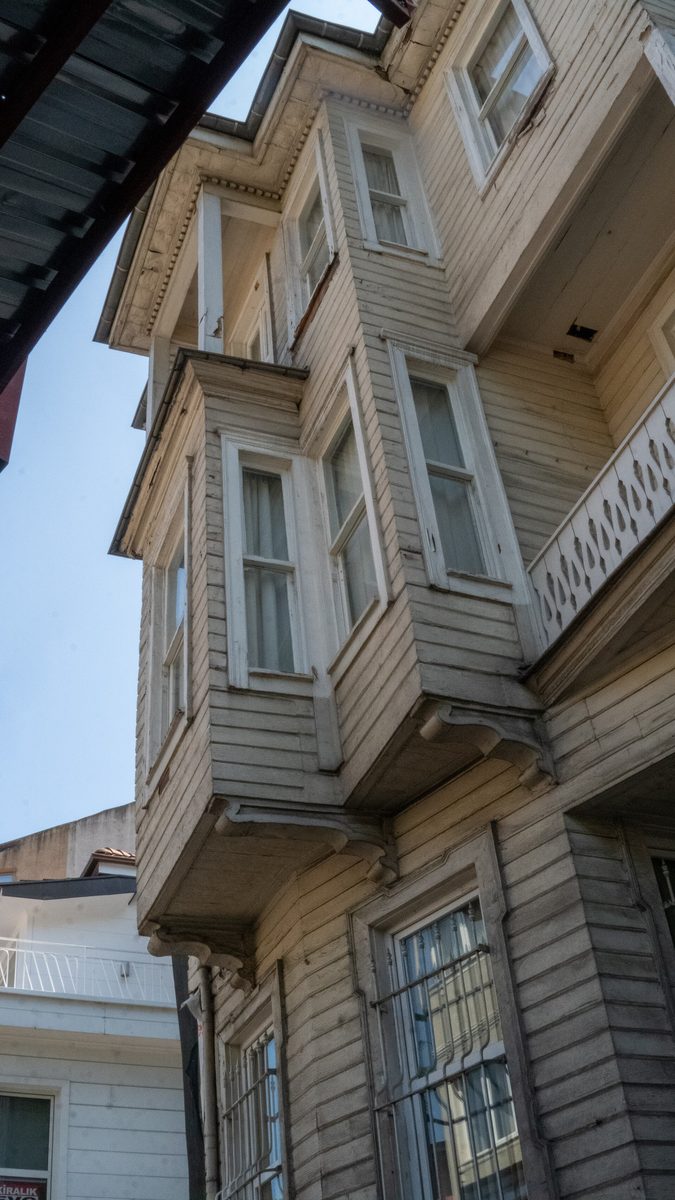
North of Ortaköy and Kuruçeşme, Arnavutköy is one of the best-preserved of the old Bosphorus villages on the European shore, with rows of tall wooden houses along the water and up the lanes behind it. It was historically a Greek village, and the houses, the churches and the fish restaurants along the front all show it. It is small, so an hour’s wander and a fish lunch is about right.
Bebek
Bebek, round the next headland, is Istanbul’s well-to-do Bosphorus village: a curving bay full of moored boats, a small park and mosque on the water, and a main street of cafés, patisseries and restaurants where the city’s wealthier residents come for breakfast, coffee and people-watching. Prices are higher than in Beşiktaş, and the atmosphere is more polished, but sitting by the bay on a sunny morning is one of the great pleasures of this shore.
Above Bebek sits the campus of Boğaziçi University, one of Turkey’s best-known universities, on the hill with views down over the strait. Treat it as a landmark rather than a sight.
Rumeli Hisarı
Just north of Bebek, the fortress of Rumeli Hisarı was built by Mehmed II in 1451–52 to close the Bosphorus before the conquest of Constantinople. Its walls and towers climb the hillside above the narrowest point of the strait, and from the water it is one of the most dramatic sights on the whole Bosphorus. It is a museum, but parts of it have been closed for restoration, and published opening days differ between sources, so check the Ministry of Culture’s museum site, muze.gov.tr, before you make the trip.
Walking the shore from Ortaköy to Bebek
One of the best things to do in Beşiktaş costs nothing: walk the shore. The route from Ortaköy north through Kuruçeşme and Arnavutköy to Bebek follows the Bosphorus the whole way, with fishermen on the sea wall, ferries and tankers passing close by, and the Asian shore across the water. Parts of it are a proper waterside promenade; in other stretches you walk on the pavement of the shore road, which is busy with traffic. Go in the morning or late afternoon, when the light is softer and the heat less, and finish with a coffee or a meal in Bebek.
If you would rather not walk it all, buses run along the shore road between Beşiktaş, Ortaköy, Arnavutköy and Bebek, and you can hop on and off. The İETT journey planner gives the current routes.
Seeing the shore from the water
The European shore looks its best from a boat, and you have three ways to do it. The cheapest is to use the ferries as transport: a Beşiktaş–Kadıköy crossing gives you Dolmabahçe, the old city skyline and the Maiden’s Tower. The classic is the long Şehir Hatları Bosphorus tour, which calls at Beşiktaş on its way north and passes Çırağan, Ortaköy, Arnavutköy, Bebek and Rumeli Hisarı in turn. And the shortest is one of the shorter tour boats from Eminönü or Kabataş, which turn round before the second bridge.
A good plan is to see the shore from the water first and then walk the parts you liked best. The Bosphorus cruise guide linked above compares the boats, prices and timings.
Nişantaşı, Teşvikiye and Maçka
Uphill from Beşiktaş, Nişantaşı is Istanbul’s smartest shopping district, a grid of tree-lined streets with designer boutiques, Turkish fashion labels, cafés and restaurants, and some of the city’s most handsome late-Ottoman and early-Republican apartment buildings. Abdi İpekçi Caddesi is the luxury street; the side streets are where the Turkish designers, bookshops and cafés are.
The name means “target stone”, after the small obelisks that once marked archers’ records; Sultan Abdülmecid I laid out the quarter in the mid-nineteenth century and also built the Teşvikiye Mosque on its main street. Nişantaşı is also Orhan Pamuk’s neighbourhood: the novelist lived here for many years and set several of his books in it, and our guide to museums in Istanbul covers his Museum of Innocence over in Çukurcuma.
Below Nişantaşı, Maçka Park runs down a long green valley towards Beşiktaş, and the Maçka–Taşkışla cable car crosses it on a short hop that you pay for with an Istanbulkart. Check Metro İstanbul’s site for its hours; it is stopped in high winds.
For shopping, see our guide to what to buy in Istanbul. For lunch, Nişantaşı’s restaurants run from smart brasseries to traditional lokantas; Hünkar, a family lokanta founded in Fatih in 1950 and in Nişantaşı since 2000, is the classic choice for Ottoman home cooking.
Where to eat and drink in Beşiktaş
This is one of the best eating districts in the city, and it suits every budget.
- Cheap and cheerful: Çarşı’s kebab, kokoreç and döner counters, its breakfast places, and the fish sandwiches and midye from vendors near the water.
- Fish: the restaurants around the Beşiktaş fish market for a casual meal, and Arnavutköy’s waterfront for a slower, more expensive one.
- Meyhane evenings: Çarşı has several meyhanes where meze, grilled fish and rakı last all evening; book on weekends.
- Breakfast and coffee: Bebek’s bay and Arnavutköy’s front for a long Bosphorus breakfast; Nişantaşı for coffee and pastry.
- Kumpir and waffles: Ortaköy’s stands, for the experience rather than the food (see below).
Our guides to what to eat in Istanbul and the best restaurants in Istanbul cover what to order and where across the city. Beşiktaş’s bars, and the clubs along the shore in Kuruçeşme and Ortaköy, are in our Istanbul nightlife guide.
Beşiktaş with children
This is one of the easier parts of Istanbul to do with children, because so much of it is outdoors and on the water. The Naval Museum’s imperial barges impress most ages, and the museum is a manageable size. Yıldız Park has space to run, ponds and shade, and Maçka Park and its short cable-car ride are a good hour for younger children. The ferry from Beşiktaş to Kadıköy is a cheap short ride on deck with the gulls, which many children rate above any museum. The shore walk to Bebek is flat but long and partly beside traffic, so do a short section with small children and take the bus for the rest.
When to go
Weekdays are calmer everywhere on this shore. Weekends are livelier but crowded: Ortaköy’s square is packed on Saturday and Sunday afternoons, and Bebek’s cafés fill with the city’s Sunday breakfast crowd from mid-morning. If you want the atmosphere, join them; if you want space, come early or on a weekday.
By time of day, mornings are best for Dolmabahçe and the shore walk, lunchtime for the fish market, and late afternoon to sunset for Ortaköy and Bebek, when the light turns gold on the water and the bridge lights come on. By season, spring and early autumn are the best time to walk the shore; summer evenings are lovely by the water but the days are hot; and winter is hamsi season at the fish market, when the shore is quieter and the tea gardens empty out. Check the Beşiktaş fixture list before you choose an evening in Çarşı: match nights are a spectacle, but not a quiet dinner.
Staying in Beşiktaş: is it a good base?
For many travellers, yes. Beşiktaş puts you between the old city and the Bosphorus villages, with direct ferries to the Asian side, a short walk to the Kabataş tram for Sultanahmet, and a big choice of restaurants on the doorstep. It feels more like a real neighbourhood than Sultanahmet, and evenings are livelier.
The downsides: few big sights within walking distance except Dolmabahçe; noise around Çarşı late at night and on match days; and traffic on the shore road at rush hour. Ortaköy and Bebek have a handful of boutique and luxury hotels on the water, and Nişantaşı suits shoppers and anyone who wants quiet, smart streets. Compare the areas in our where to stay in Istanbul guide.
Getting to and around Beşiktaş
- From Sultanahmet: take the T1 tram to its terminus at Kabataş, then walk north along the shore past Dolmabahçe to Beşiktaş.
- From the Asian side: ferries from Kadıköy and Üsküdar to Beşiktaş are the quickest and most pleasant way across.
- To Nişantaşı: the M2 metro to Osmanbey, then walk; or walk uphill from Beşiktaş or Maçka.
- Metro: the M7 line currently reaches Yıldız, above the park; its planned stations at Beşiktaş and Kabataş were not in service in October 2026, so check metro.istanbul before planning around them.
- Along the shore: buses run from Beşiktaş and Kabataş through Ortaköy, Arnavutköy and Bebek; check the İETT journey planner for routes.
- Taxis: useful for the steep climbs to Nişantaşı and Yıldız, less so on the shore road at rush hour.
For the whole network, see our getting around Istanbul guide.
What to skip in Beşiktaş, and what is overrated
- Ortaköy kumpir as a meal. It is fun once, but it is a baked potato with a lot of toppings at a waterfront price. Eat it as a snack and have a proper meal in Beşiktaş or Arnavutköy.
- The Ortaköy square on a weekend afternoon. Crowded, hard to photograph, and the souvenir stalls are the same as everywhere else. Weekday mornings and sunsets are far better.
- Nişantaşı if you are not shopping. It is pleasant to walk, but there are no major sights, and the luxury boutiques are the same brands you have at home. Go for the cafés and Maçka Park, or skip it.
- The clubs on the Kuruçeşme waterfront unless you are dressed for them and ready for strict door policies and high drink prices.
- Driving the shore road at rush hour. The bus or a taxi can crawl. Walk, or take a boat.
A day in Beşiktaş and along the shore
Morning: Dolmabahçe at opening (not Monday), then walk to Beşiktaş for a look at the fish market, the Naval Museum’s caïques and Barbaros’s tomb. Lunch in Çarşı. Early afternoon: walk or bus to Ortaköy for the mosque and a tea by the water. Late afternoon: walk the shore through Arnavutköy to Bebek, and end with dinner on the bay or back in Beşiktaş. Take the ferry from Beşiktaş to Kadıköy in the evening if you want to end the day on the Asian side; our Asian side guide covers what to do there.
Frequently asked questions
What is Beşiktaş known for?
Its football club, founded in 1903; its fish market and the cheap, lively restaurants of Çarşı; Dolmabahçe Palace; and its ferry piers, with boats to the Asian side and the Bosphorus tour.
Is Beşiktaş a good area to stay in Istanbul?
Yes, especially if you want a lively local neighbourhood with good food, direct ferries to Kadıköy and Üsküdar, and easy access to the Bosphorus. It is noisier than Sultanahmet around Çarşı, and the old city’s sights are a tram ride away.
How do I get from Beşiktaş to Kadıköy?
By ferry. Şehir Hatları boats cross from Beşiktaş to Kadıköy, and you pay with an Istanbulkart or a contactless bank card. Check sehirhatlari.istanbul for the timetable.
Is the Beşiktaş fish market worth visiting?
Yes, for a cheap and very local fish meal or just to see what is in season. Go late morning or early evening, and eat in one of the small restaurants around the stalls.
Is Ortaköy worth visiting?
Yes, for the mosque by the water with the Bosphorus Bridge behind it, a tea on the square, and the start of the shore walk to Bebek. Avoid weekend afternoons, when it is very crowded.
What is Bebek known for?
Its bay full of boats, its waterfront cafés and breakfast spots, and its prosperous, polished atmosphere. Boğaziçi University sits on the hill above, and Rumeli Hisarı is just to the north.
Is Nişantaşı expensive?
For shopping, yes: it is Istanbul’s designer district. Cafés and restaurants cost more than in Beşiktaş, but there are still traditional lokantas and ordinary cafés on the side streets.
Can you walk from Beşiktaş to Ortaköy?
Yes. Follow the shore road north past Çırağan Palace and the gate to Yıldız Park. It is a fairly flat walk, and you can carry on along the shore to Arnavutköy and Bebek.
Is Yıldız Palace open to visitors?
Yes. Yıldız Palace is open as a museum under the National Palaces administration and closed on Wednesdays. Yıldız Park, around and below it, is free and open to everyone.