Things to Do ·
Best Museums in Istanbul: 25 Worth Your Time Beyond Hagia Sophia & Topkapi (Prices, Hours & Which to Skip)
Istanbul's best museums beyond Hagia Sophia and Topkapi: Istanbul Modern, Pera, Rahmi M. Koc, the Museum of Innocence and more, with September 2026 prices and closed days.
In this guide 14 sections
- Best museums in Istanbul at a glance
- Modern and contemporary art
- History, antiquities and Ottoman arts
- Military and maritime history
- Family and industrial museums
- Literary and personal museums
- Private foundation and blockbuster shows
- Photography, accessibility and practical visiting notes
- Small museums worth a special mention
- Building a museum-focused day or two
- Buying tickets and avoiding the worst queues
- What the Museum Pass covers
- What to skip
- Frequently asked questions
Most visitors do Hagia Sophia, Topkapı and the Basilica Cistern, run out of energy, and never find out that Istanbul has one of the best submarine-you-can-actually-walk-through museums in Europe, a private collection with genuinely major touring shows alongside its permanent Ottoman calligraphy, and a novelist’s actual apartment of objects turned into a museum you can only enter with a ticket printed inside his novel.
The best museums in Istanbul beyond the two everyone already knows are Istanbul Modern for contemporary art in a Renzo Piano building on the water, the Pera Museum for Orientalist painting and the most reproduced canvas in Turkey, Rahmi M. Koç for transport and industrial history that genuinely works for children, the Museum of Innocence for Orhan Pamuk’s object-based novel made real, and the Sakıp Sabancı Museum for calligraphy and the occasional genuine international blockbuster show. Below are twenty-five worth knowing about, what each one costs and when it closes, and which of them the Museum Pass actually covers.
Best museums in Istanbul at a glance
| Museum | Area | Price (Sep 2026) | Closed | Museum Pass? |
|---|---|---|---|---|
| Istanbul Archaeology Museums | Sultanahmet | €15 | — | Yes |
| Turkish and Islamic Arts Museum | Sultanahmet | €17 | — | Yes |
| Istanbul Modern | Karaköy / Galataport | ~900 TL | Mondays | No |
| Pera Museum | Beyoğlu | ~300 TL | Mondays | No |
| Rahmi M. Koç Museum | Hasköy, Golden Horn | Paid, family-priced | Mondays | No |
| Sakıp Sabancı Museum | Emirgan | Paid, varies by exhibition | Mondays | No |
| Museum of Innocence | Çukurcuma, Beyoğlu | Paid (free with the novel’s ticket) | Mondays | No |
| Panorama 1453 History Museum | Topkapı district, city walls | Paid | — | No |
| Military Museum (Askeri Müze) | Harbiye | Paid | Mon–Tue | No |
| Naval Museum (Deniz Müzesi) | Beşiktaş | Paid | Mondays | No |
| Miniatürk | Golden Horn | 900 TL | Mondays | No |
| Rumeli Hisarı | Bosphorus shore | €6 | One weekday, sources disagree | Yes |
| Sadberk Hanım Museum | Sarıyer, Bosphorus | Paid | Wednesdays | No |
Prices checked September 2026 against current guide research and museum-specific sources where available; several private museums revise ticket prices without much notice, so treat these as the right order of magnitude and confirm on the day, particularly for special exhibitions that carry their own separate pricing.
Modern and contemporary art
1. Istanbul Modern
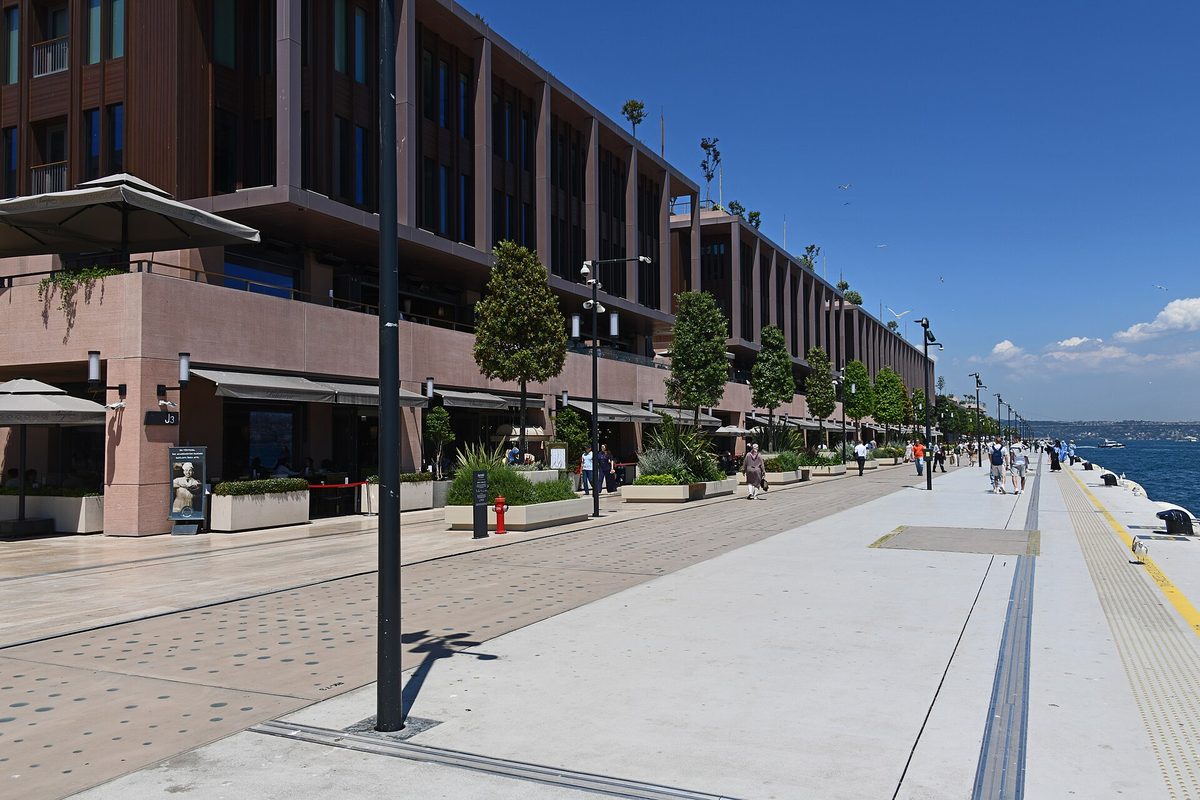
Renzo Piano’s purpose-built waterfront gallery at Galataport reopened in 2023 after years in a temporary home, and it is now genuinely one of the best contemporary art spaces in the eastern Mediterranean — Turkish modern and contemporary art across several floors, a sculpture terrace looking straight across the Bosphorus at the old city skyline, and a programme of major touring exhibitions alongside the permanent collection. Tickets run around 900 TL as of current research, closed Mondays. This is the single best “I did not expect this in Istanbul” museum on the whole list.
Allow at least two hours, more if a major touring exhibition is running alongside the permanent collection — the two are usually ticketed and viewed together rather than as separate visits. The terrace café is worth a stop in its own right even if you are not planning a full museum visit that day, since the view of the old city across the water rivals several paid rooftop bars a short walk away in Karaköy, at café rather than cocktail prices.
2. Pera Museum
Housed in a converted 1893 hotel building in Beyoğlu, Pera’s headline holding is Osman Hamdi Bey’s The Tortoise Trainer, the single most reproduced painting in Turkey and worth the visit on its own, alongside a strong Orientalist painting collection and rotating contemporary exhibitions. Tickets run around 300 TL, closed Mondays; the museum has historically run a free “Long Friday” late-opening session from 18:00 to 22:00 and free entry for students on Wednesdays, though confirm both are still current before building an evening around either.
The permanent collection alone takes about ninety minutes at a comfortable pace; the ground-floor café and gift shop are both genuinely good rather than an afterthought, and the shop in particular stocks a better selection of art books on Ottoman and Turkish visual culture than almost anywhere else in the city. The building’s own history as a grand hotel is worth a moment’s attention too — some of the original architectural detailing survives in the stairwells and public spaces, a reminder that the museum itself sits inside a genuine piece of nineteenth-century Beyoğlu.
3. SALT Galata
Free, in the beautifully restored former Ottoman Bank headquarters on Bankalar Caddesi, with a library and reading room under a glass roof that is one of the loveliest interior spaces in the city and a genuinely good café attached. The exhibitions rotate and are hit-or-miss, but the building alone justifies the (free) visit. Bankalar Caddesi itself, the old banking street running below Galata Tower, is worth a slow walk either side of the visit — a handful of former bank headquarters from the same late-Ottoman era survive along it, most now repurposed rather than derelict, and SALT’s own building is the best-restored of the row.
4. Arter
A large, purpose-built contemporary art space in Dolapdere, funded by the Vehbi Koç Foundation, showing serious rotating exhibitions of Turkish and international contemporary art in a building with genuine institutional ambition behind it. Less central than the other names on this list, and worth the detour specifically if contemporary art is a priority rather than a side interest on your trip.
History, antiquities and Ottoman arts
5. Istanbul Archaeology Museums
€15, under-twelves free, Museum Pass valid, and entered through Topkapı’s first courtyard so it combines naturally with a palace visit. The Alexander Sarcophagus is the headline piece and earns the reputation; several galleries were renovated across 2024–25, so check current opening status of specific wings before planning your visit around one exhibit.
6. Turkish and Islamic Arts Museum
€17, Museum Pass valid, in İbrahim Paşa’s palace on the Hippodrome, and consistently the most under-visited genuinely good museum in Sultanahmet — a carpet collection that would justify a special trip in most other cities, alongside calligraphy, ceramics and an ethnography wing. Go here instead of queueing for a second cistern.
7. Sadberk Hanım Museum
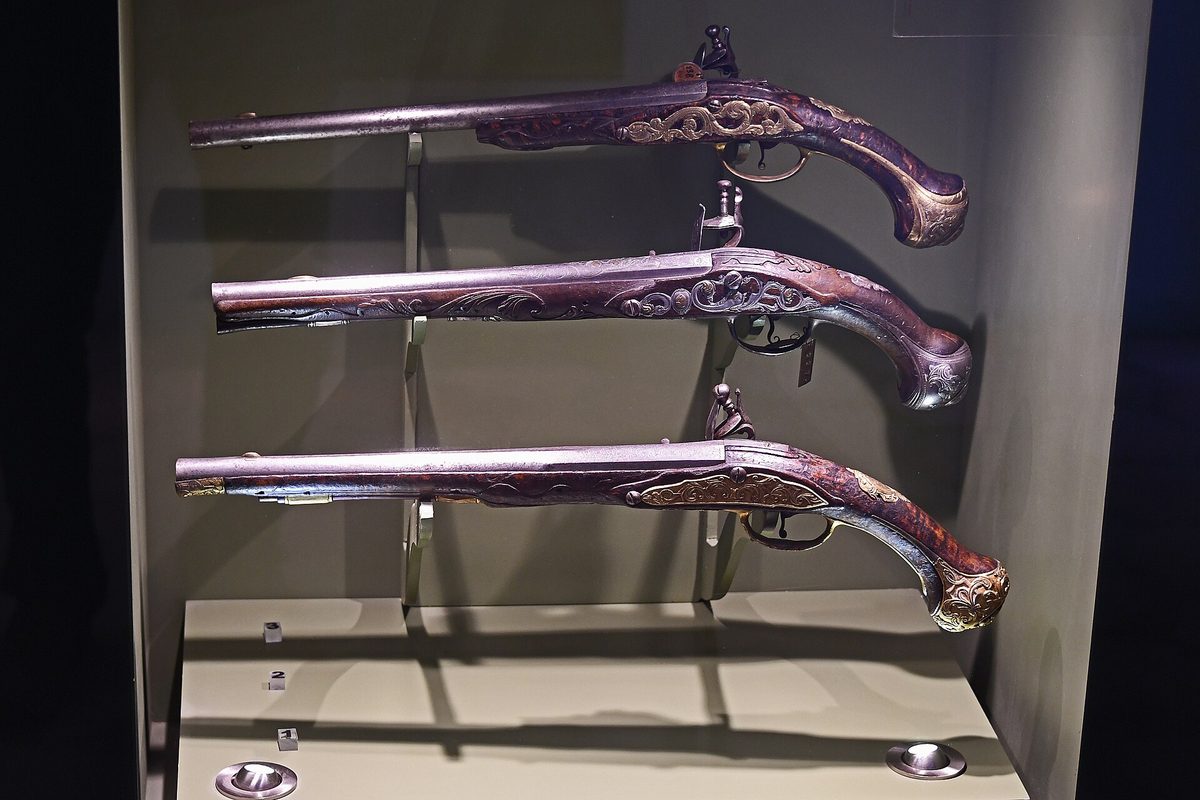
Istanbul’s first private museum, in a restored yalı mansion at Büyükdere on the upper Bosphorus, run by the Vehbi Koç Foundation and holding Ottoman and Islamic art alongside an archaeology wing across two adjoining historic buildings. Closed Wednesdays, and far enough up the Bosphorus shore that it rewards combining with a longer ferry trip rather than a quick city-centre stop.
8. Panorama 1453 History Museum
A single enormous 360-degree panoramic painting depicting the 1453 conquest of Constantinople, immersive sound included, near the Topkapı district’s stretch of the old city walls — genuinely effective as spectacle and a useful, visceral complement to reading about the siege in a book, even if it is a one-room, one-idea museum rather than a broad collection. Thirty to forty-five minutes covers it comfortably, and it pairs naturally with a walk along the nearby Theodosian land walls themselves for visitors who want the historical context to extend beyond the single painted room.
Military and maritime history
9. Military Museum (Askeri Müze)
In Harbiye, holding an extensive collection of Ottoman and Turkish military history, and the venue for a genuinely rare experience: a live performance by the Mehter band, the Ottoman military band whose booming, marching style influenced European military music for centuries, typically performed on a Wednesday-to-Sunday schedule around mid-afternoon. Confirm the current performance day and time before planning a visit specifically around it, since schedules at state-run cultural venues shift.
10. Naval Museum (Deniz Müzesi)
In Beşiktaş, near the ferry piers, with a collection built around the imperial caiques — the ornate Ottoman ceremonial rowing barges — plus a broader naval history collection. A specialist rather than a headline museum, worth an hour if maritime history genuinely interests you and easy to combine with a Beşiktaş waterfront walk. The caiques themselves are the reason to come: long, low, elaborately gilded vessels built for sultans and their households to be rowed along the Bosphorus in state, a genuinely unusual survival of a form of transport that essentially does not exist anywhere else in the world at this scale.
Family and industrial museums
11. Rahmi M. Koç Museum
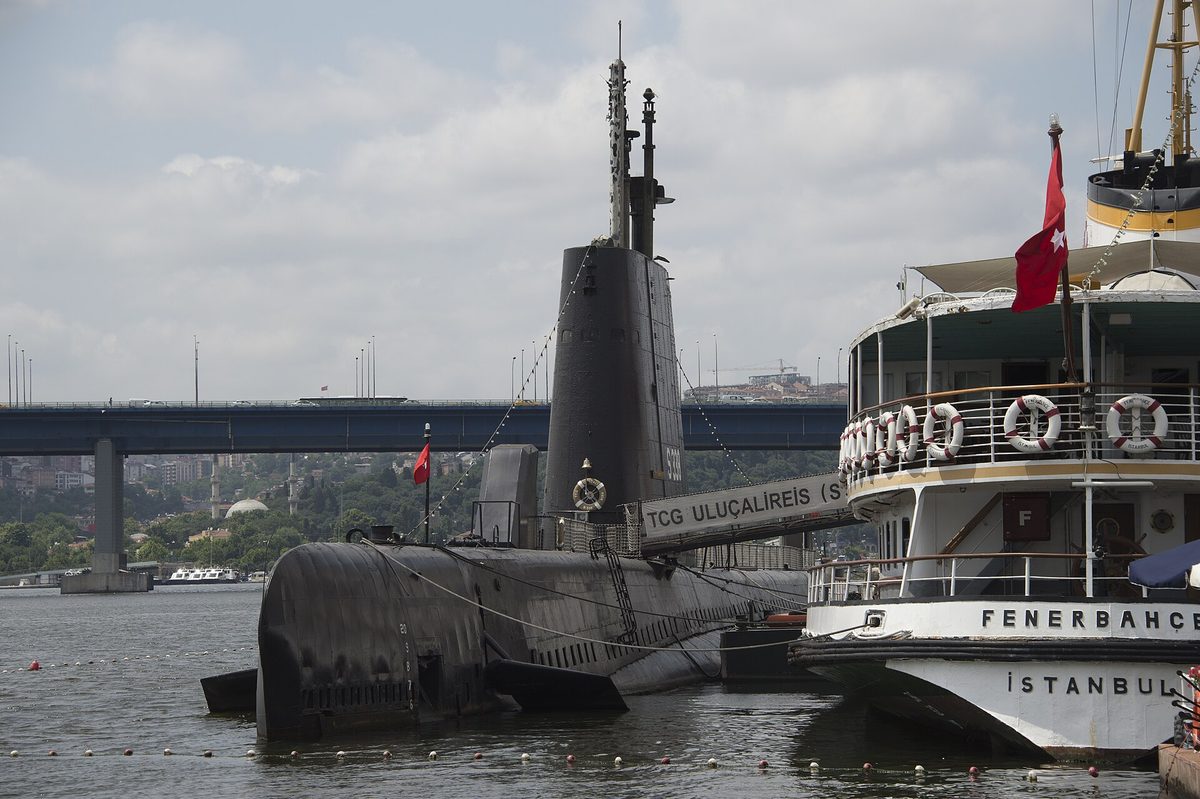
On the Golden Horn at Hasköy, and the best museum in the city for a family trip by a wide margin: a full-size submarine you can walk through, a restored Bosphorus ferry, steam engines, vintage cars and aircraft, and enough hands-on and genuinely large-scale exhibits to hold a child’s attention for half a day. Closed Mondays. If your itinerary includes children and only one museum, make it this one.
Budget three to four hours here rather than treating it as a quick stop — the site spans several buildings and an outdoor dock area along the Golden Horn shore, and rushing it defeats the purpose of a museum built almost entirely around things you are meant to climb into and touch rather than view from behind a rope. A café on site does simple food, useful for a family day where leaving the grounds for lunch would eat into the time better spent inside the submarine. Getting there is easiest by taxi or the Golden Horn ferry, which stops nearby and turns the journey itself into part of the outing rather than a logistics problem to solve.
12. Miniatürk
Also on the Golden Horn, a park of 1:25-scale models of famous buildings and monuments from across Turkey, from Hagia Sophia to Cappadocia’s fairy chimneys, at 900 TL entry for foreign visitors — a genuinely pleasant couple of hours for younger children in particular, and a decent primer on what else Turkey has to offer beyond Istanbul if your trip is not extending further. It sits close enough to Rahmi M. Koç that the two combine naturally into a single Golden Horn family day, with the Golden Horn ferry or a short taxi ride linking them.
13. Museum of Illusions
A branch of the international optical-illusion museum franchise, aimed squarely at families and younger visitors wanting an interactive, photograph-friendly hour rather than a traditional collection. Not a serious art or history stop, and not trying to be one — a good rainy-afternoon filler with children rather than a cultural priority. Budget forty-five minutes to an hour, and treat it as a genuine backup plan for a wet or exhausted afternoon rather than a fixture on a first-time itinerary that already has plenty else competing for the same slot.
14. Istanbul Toy Museum
A smaller, less-visited museum on the Asian side in Göztepe, founded by a poet and former parliamentarian’s private toy collection spanning roughly two centuries — genuinely charming and a good option specifically if you are already spending a day on the Asian side and want something unusual rather than another mosque or market. A garden café on site makes it an easy pairing with a longer Asian-side day built around Kadıköy or Moda, rather than a destination worth crossing the water for on its own.
Literary and personal museums
15. The Museum of Innocence
Orhan Pamuk’s Nobel-winning novel of the same name was written alongside this actual museum, in Çukurcuma, filled with everyday objects — cigarette butts, clothing, film tickets — that stand in for the novel’s characters and their obsessions, arranged box by box to follow the book’s chapters. A copy of the novel contains a ticket printed on its final page granting free entry, a genuinely unusual piece of literary theatre that makes this one of the most distinctive small museums anywhere. Closed Mondays. Reading at least part of the novel first meaningfully changes the experience, though the museum stands on its own as an art object even without it.
The building itself is the actual house the novel’s fictional events are set around, restored and filled floor by floor, and the visit rewards slowing down rather than moving quickly between vitrines — each box repays several minutes of looking rather than a glance. Çukurcuma’s antique shops surround the museum on every side, and browsing them before or after the visit is close to essential rather than optional, since several of the objects in the museum’s own display cases were sourced from exactly these shops during Pamuk’s years assembling the collection.
Private foundation and blockbuster shows
16. Sakıp Sabancı Museum
In a former private mansion at Emirgan on the Bosphorus, with beautiful gardens that are worth the visit in tulip season alone, holding a serious Ottoman calligraphy collection as its permanent base and a track record of genuinely major touring exhibitions — an Yoko Ono retrospective was among the recent headline shows. Closed Mondays. Check the current exhibition before visiting, since the special-show ticket price and the standard collection price can differ substantially.
The building’s own history matters here as much as anywhere on this list: it was a private family residence before becoming a museum, and the domestic scale of the rooms — genuinely lived-in proportions rather than a purpose-built gallery’s blank white walls — changes how the calligraphy collection reads compared with a more clinical museum setting. Combine a visit with the Emirgan Park grounds immediately outside, which host the city’s tulip festival each April and are a pleasant walk regardless of season, and factor in the taxi or bus time from central Istanbul, since Emirgan sits further up the Bosphorus shore than most of the other museums on this list.
Photography, accessibility and practical visiting notes
Photography rules vary museum to museum more than most visitors expect. Istanbul Modern and Pera generally allow photography without flash in the permanent collection but restrict it in touring exhibitions under loan agreements with other institutions — a sign at the entrance to each gallery usually states the current rule, and it is worth checking rather than assuming the same policy applies throughout a single visit. Rahmi M. Koç and Miniatürk, being built around large physical objects rather than works on loan, are considerably more relaxed about photography throughout. The Museum of Innocence explicitly encourages quiet, unhurried looking over rapid photography, which fits the nature of the collection regardless of the venue’s own specific policy.
Accessibility varies significantly by building. Istanbul Modern’s purpose-built structure is fully step-free; several of the older converted buildings on this list — Pera’s former hotel, Sadberk Hanım’s yalı mansion, the Museum of Innocence’s restored townhouse — have stairs and narrow passages that a wheelchair or a pushchair will find genuinely difficult in places. Call ahead to the specific museum if step-free access is a requirement rather than a preference, since a building’s historic character is frequently the same thing that makes it hard to adapt.
Most of the paid museums on this list offer a discounted or free rate for children under a specific age, though the age threshold and the discount both vary by institution rather than following one citywide rule the way public transport does. Check the specific museum’s own current policy rather than assuming a rule that applies at, say, Rahmi M. Koç also applies at Sakıp Sabancı.
Small museums worth a special mention
17. Rezan Has Museum
Inside Kadir Has University’s converted Cibali tobacco factory building on the Golden Horn, holding an archaeological collection built from a private donation, in an industrial-heritage building that is itself worth seeing. Small, quiet, and rarely crowded — the kind of museum most visitors never hear about because it is not on the standard Sultanahmet circuit. Because it sits inside a working university campus rather than a dedicated museum precinct, opening hours can be more term-time-dependent than the other names on this list, so confirm the museum is open on the specific day you plan to visit rather than assuming standard museum hours apply.
18. The Sirkeci Railway Station museum
A small museum inside the historic Sirkeci terminus, the original European end of the Orient Express line, with railway memorabilia and a genuine sense of the romance that station once represented for travellers arriving from Paris and Vienna. Combine it with a look at the station building itself, one of the more elegant surviving pieces of nineteenth-century railway architecture in the city, and the Orient Express restaurant nearby if a themed meal appeals. Marmaray trains still call at a modern platform beneath the same site, a genuinely striking contrast between the station’s romantic nineteenth-century past and its unglamorous present-day role as a commuter-rail stop.
19. Hagia Irene
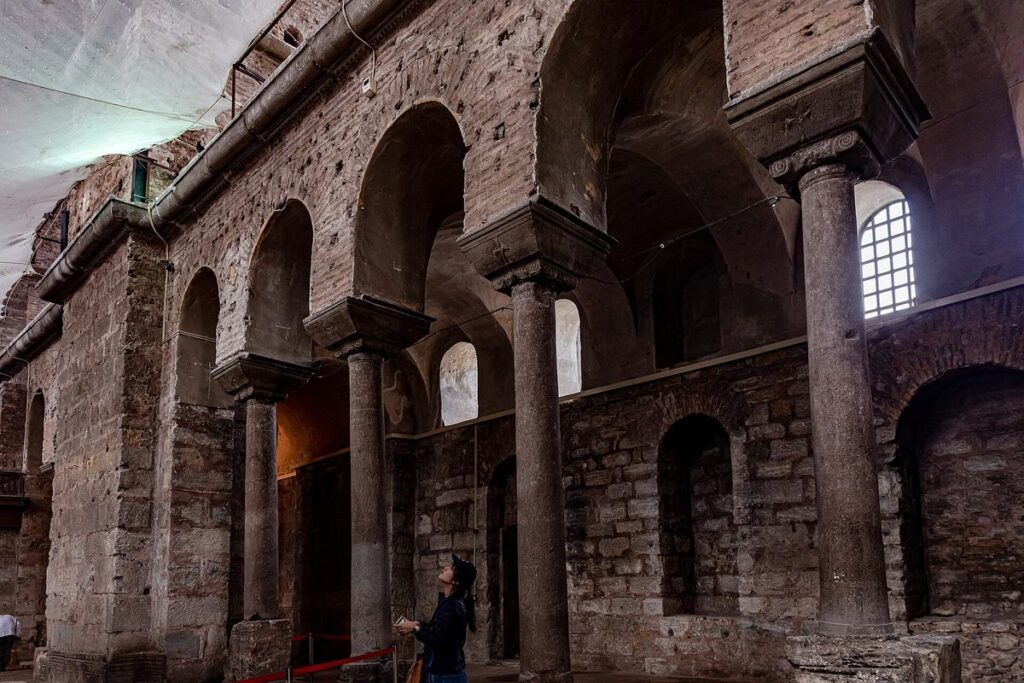
Inside Topkapı’s outer courtyard, a Byzantine church with excellent acoustics, included in the combined Topkapı ticket and the Museum Pass, and skipped by most visitors who go straight for the Treasury. Genuinely worth the ten-minute detour on any Topkapı visit.
Building a museum-focused day or two
If museums are genuinely a priority rather than an add-on to mosques and bazaars, two days can cover a meaningfully different Istanbul than the standard Sultanahmet circuit. Day one: the Archaeology Museums and the Turkish and Islamic Arts Museum in the morning, both in or near Sultanahmet and easily combined with Topkapı and Hagia Irene if you have not already done the palace; cross the Golden Horn or take a taxi to Beyoğlu in the afternoon for Pera Museum and, if you have the stamina, SALT Galata’s free galleries and reading room on the way. Day two: a full morning and early afternoon at Rahmi M. Koç on the Golden Horn if travelling with children, or the Museum of Innocence and a wander through Çukurcuma’s antique shops if not, followed by a taxi or bus up to Emirgan for the Sakıp Sabancı Museum and its Bosphorus-side gardens before the light goes.
This itinerary deliberately skips Istanbul Modern as a separate stop, since it sits directly on the Galataport waterfront a short walk from Karaköy’s ferry piers and slots naturally into either a Bosphorus-cruise day or a Beyoğlu evening rather than needing its own dedicated half-day. Build it in wherever your schedule already has you passing through Karaköy rather than treating it as a detour.
Buying tickets and avoiding the worst queues
Most of the private museums on this list — Istanbul Modern, Pera, Rahmi M. Koç, Sakıp Sabancı, the Museum of Innocence — sell tickets on their own websites in advance, and doing so is worth it specifically at Istanbul Modern and Rahmi M. Koç on weekends, when both draw genuine crowds of local visitors as well as tourists rather than being a quiet, tourist-only stop. The state and Ministry sites (the Archaeology Museums, the Turkish and Islamic Arts Museum, Rumeli Hisarı) are less prone to queues outside a handful of peak midday hours in high season, and a Museum Pass, where valid, generally lets you bypass the ticket-buying line specifically rather than the entrance itself.

What the Museum Pass covers, and what it doesn’t
Of the museums on this list, the Museum Pass covers the Istanbul Archaeology Museums, the Turkish and Islamic Arts Museum, Rumeli Hisarı and Hagia Irene (through the combined Topkapı ticket) — all genuinely worth visiting, and all run by the Ministry of Culture. It does not cover Istanbul Modern, Pera Museum, Rahmi M. Koç, Sakıp Sabancı, the Museum of Innocence, Panorama 1453, the Military Museum, the Naval Museum, Miniatürk or Sadberk Hanım, since all of these are either privately run or operated by a different public body entirely. See our Istanbul Museum Pass guide for the full break-even maths before assuming the pass will cover your specific museum plan, since the gap between what people expect it to include and what it actually includes is exactly the same gap that trips people up on this page’s museums.
What to skip, and what is overrated
The Great Palace Mosaic Museum. Closed for restoration with no announced reopening date; several older listicles still recommend it without noting this. Check current status before planning a visit around it.
Buying a Museum Pass purely to see the museums on this list. Most of the genuinely distinctive museums here — Istanbul Modern, Pera, Rahmi M. Koç, the Museum of Innocence, Sakıp Sabancı — are not covered by the pass at all. Price them individually.
The Museum of Illusions as a cultural priority. It is a perfectly good rainy-day filler with children and not a serious collection; do not let it displace Rahmi M. Koç or the Archaeology Museums on a tight schedule.
Visiting Sakıp Sabancı or Rahmi M. Koç on a Monday. Both close, along with several others on this list — check the specific closed day for each museum you plan to visit rather than assuming a single citywide rule applies.
Trying to fit six museums into one day. Every genuinely good museum on this list rewards at least an hour, several rewarding two or three, and travel time between them across the city adds up fast. Two or three well-chosen stops with time to actually look properly beats a checklist of six rushed ones.
Frequently asked questions
What are the best museums in Istanbul beyond Hagia Sophia and Topkapı?
Istanbul Modern for contemporary art, the Pera Museum for Orientalist painting, Rahmi M. Koç for families, the Museum of Innocence for a genuinely unusual literary experience, and the Turkish and Islamic Arts Museum for the best under-visited collection in Sultanahmet.
What is the best museum in Istanbul for kids?
Rahmi M. Koç Museum, by a wide margin — a walk-through submarine, a restored ferry, steam engines and vintage vehicles give children genuinely hands-on things to explore rather than glass cases to look at from a distance.
Does the Museum Pass cover Istanbul Modern or the Museum of Innocence?
No. Both are privately run and excluded from the Museum Pass, along with most of the other distinctive museums on this list. Only Ministry of Culture sites like the Archaeology Museums and the Turkish and Islamic Arts Museum are covered.
What is the most famous painting in a Turkish museum?
Osman Hamdi Bey’s The Tortoise Trainer, held at the Pera Museum in Beyoğlu — the most reproduced painting in Turkey and worth visiting the museum for on its own.
Can I get free entry to the Museum of Innocence?
Yes, if you own a copy of Orhan Pamuk’s novel The Museum of Innocence — the final page contains a printed ticket granting one free entry, a genuinely unusual piece of literary design unique to this museum.
Which museums in Istanbul are closed on Mondays?
Istanbul Modern, Pera Museum, Rahmi M. Koç, Sakıp Sabancı and the Museum of Innocence all close on Mondays. Sadberk Hanım closes on Wednesdays instead — check the specific day for whichever museum you plan to visit.
Is the Military Museum’s Mehter band performance worth seeing?
Yes, if the timing works — it is a genuinely rare live performance of Ottoman military band music with real historical weight, typically staged mid-afternoon on a Wednesday-to-Sunday schedule. Confirm the current day and time before building a visit around it specifically.
How long should I budget for a visit to Istanbul Modern?
At least two hours for the permanent collection, more if a major touring exhibition is running alongside it. Add extra time for the terrace café, which has one of the best water views in the city.
Is photography allowed in Istanbul’s museums?
It varies by museum and by exhibition. Permanent collections at Istanbul Modern and Pera generally allow photography without flash; loaned touring exhibitions frequently restrict it under agreements with lending institutions. Check the signage at each gallery entrance rather than assuming one rule applies throughout a visit.
Are Istanbul’s museums wheelchair accessible?
It varies significantly. Purpose-built spaces like Istanbul Modern are fully step-free; several converted historic buildings, including Pera Museum and the Museum of Innocence, have stairs and narrow passages that can be genuinely difficult. Call ahead if step-free access is a firm requirement.
The museums land better with the timeline in your head. Our Istanbul history guide runs from Greek Byzantion to Dolmabahçe in order, says where each era survives, and covers how to visit the working mosques that are now some of the city’s great monuments.