Things to Do ·
Istanbul History & Culture for Visitors: Byzantium, Constantinople, the Ottomans & How to Behave in a Mosque
Istanbul's 2,600 years told through the buildings you can still walk into, from Constantine's Hippodrome to Dolmabahçe, plus how to visit a working mosque without putting a foot wrong.
In this guide 14 sections
- Istanbul history at a glance
- Byzantion
- Constantine’s new Rome (330)
- Byzantine Istanbul
- 1453: the conquest of Constantinople
- Ottoman Istanbul
- Dolmabahçe, Pera and the end of the empire
- A city of many faiths
- How to behave in a mosque in Istanbul
- Istanbul culture beyond the monuments
- What’s overrated for history lovers
- A history-first plan for two or three days
- Books to read before you go
- Frequently asked questions
The commonest way to see Istanbul’s monuments is as a checklist: Hagia Sophia, tick, Blue Mosque, tick, cistern, tick. You come home with the photographs and almost none of the story, which is a shame, because the story is what makes a half-ruined wall in Yedikule or a column with no heads in the Hippodrome worth crossing town for.
Istanbul history runs for more than 2,600 years under three names: Byzantion, a Greek colony on the tip of the peninsula; Constantinople, capital of the Roman and then Byzantine empire from 330 to 1453; and Istanbul, the Ottoman capital until the 1920s. Almost every era has left something you can still walk into, and most of it sits within a few kilometres of Sultanahmet.
This guide tells that story through the buildings, in order, with where to see each era and how long to give it. The second half is about the living culture: how to behave in a working mosque, what the call to prayer means for your day, the holidays that change how the city runs, and the communities, Greek, Armenian and Jewish, whose churches and synagogues are as much a part of the place as the minarets.
Istanbul history at a glance: the eras and where to see them
| Era | Dates | What survives | Where |
|---|---|---|---|
| Greek Byzantion | c. 7th century BC – AD 330 | Almost nothing above ground; finds in the Archaeology Museums | Gülhane, Sarayburnu |
| Constantine’s new capital | 330 onwards | The Hippodrome’s line and monuments, Valens Aqueduct | Sultanahmet, Fatih |
| Early Byzantine golden age | 5th–6th centuries | Theodosian land walls, Hagia Sophia, Hagia Irene, Little Hagia Sophia, Basilica Cistern | Sultanahmet, the walls |
| Middle and late Byzantine | 9th century – 1453 | Zeyrek (Pantokrator), Chora’s mosaics, the Deesis in Hagia Sophia | Zeyrek, Edirnekapı |
| Genoese Galata | 13th–15th centuries | Galata Tower and stretches of wall | Galata |
| Ottoman conquest | 1452–1453 | Rumeli Hisarı, the breach area of the land walls | Bosphorus shore, Topkapı gate |
| Classical Ottoman | 1450s–1600s | Topkapı Palace, Grand Bazaar, Süleymaniye, Rüstem Paşa, Blue Mosque | Historic peninsula |
| Late Ottoman, westernising | 1800s–1922 | Dolmabahçe Palace, Pera’s embassies and arcades, Sirkeci station | Beşiktaş, Beyoğlu |
| Republic | 1923 onwards | Dolmabahçe’s Atatürk room, the modern city | Everywhere |
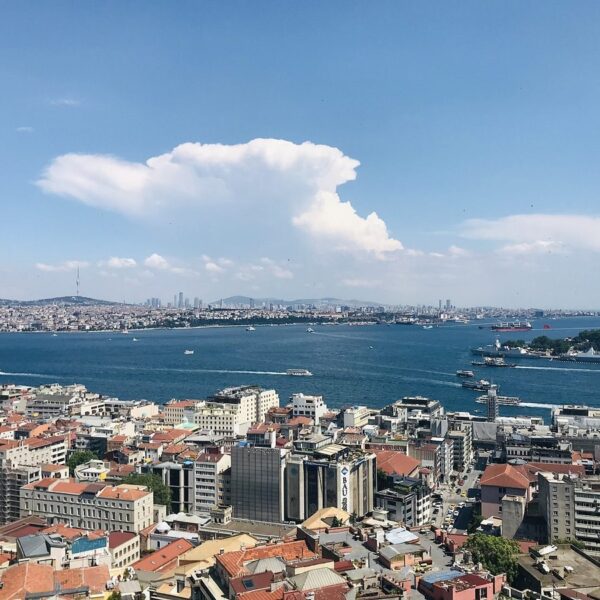
One thing to hold in your head from the start: the old city is a triangle. The Golden Horn runs along its northern side, the Sea of Marmara along its southern side, and the Theodosian land walls close the western end. Everything Byzantine and early Ottoman happened inside that triangle, which is why a history-minded visit spends most of its time there and only crosses the water for the later chapters.
Byzantion: the Greek city before Constantinople
The city’s first life was as Byzantion, a colony of Greeks from Megara. Ancient tradition puts its founding in the seventh century BC (Wikipedia’s summary of the sources gives c. 667 BC), and its founder in legend is Byzas, which is where the name comes from. The site chosen was the obvious one: the headland now occupied by Topkapı Palace, with deep water on three sides and the whole traffic of the Bosphorus going past.
For nearly a thousand years Byzantion was a useful, contested, middling city, fought over by Persians, Athenians, Spartans and later Romans. Very little of it survives above ground, partly because every later city was built directly on top. If you want to see Greek Byzantion, the place is the Istanbul Archaeology Museums in the grounds below Topkapı, which also holds one of the Serpent Column’s lost heads. Otherwise it is a matter of standing on Sarayburnu, the point where the Golden Horn meets the Bosphorus, and understanding why anyone would put a city there.
Constantine’s new Rome (330)
The city’s real career begins on 11 May 330, when the emperor Constantine dedicated it as his new capital. He had chosen it over Rome for reasons that still make sense on a map: it sat between the empire’s European and Asian halves, it controlled the sea route between the Black Sea and the Mediterranean, and it was much easier to defend. The city took his name, Constantinople, although for its own citizens it was simply “the City” for most of the next eleven centuries.
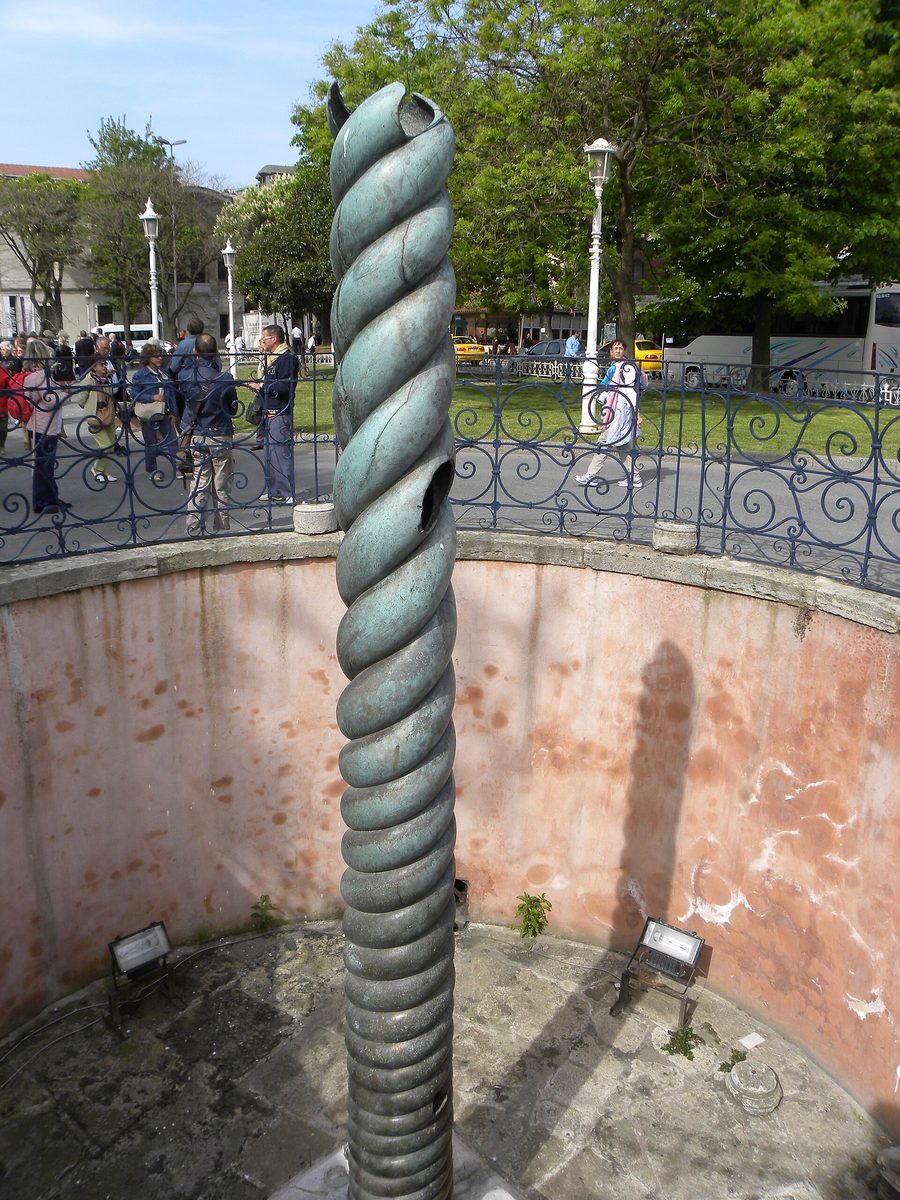
Constantine enlarged the Hippodrome, the chariot-racing stadium that was the centre of public life, and filled it with trophies from around the empire. That is what you are looking at when you stand in Sultanahmet’s long open square, the At Meydanı. The racetrack itself is several metres below your feet. What stands on its old central spine are three monuments:
- The Obelisk of Theodosius, an Egyptian obelisk of Thutmose III brought from Karnak and set up here in 390. Its carved marble base shows the emperor Theodosius watching the races from the imperial box, and it is the best surviving picture of how the place was used.
- The Serpent Column, a twisted bronze pillar made at Delphi to celebrate the Greek victory over the Persians at Plataea in 479 BC and brought here by Constantine. It lost its three serpent heads long ago.
- The Walled Obelisk, a rough stone column that was once sheathed in gilded bronze plates. The plates went, traditionally blamed on the crusaders of 1204.
The other piece of Constantinian-era engineering you can see is the Valens Aqueduct, which strides across the Atatürk Boulevard in Fatih. It was finished under the emperor Valens in the later fourth century and fed water into a city that has always been short of it. You pass under it on the way from Sultanahmet to Zeyrek or Fatih, and it is worth stopping, because nothing else in the city gives you the scale of late Roman public works so directly.
Byzantine Istanbul: Justinian, the walls and the golden age
The Theodosian Walls
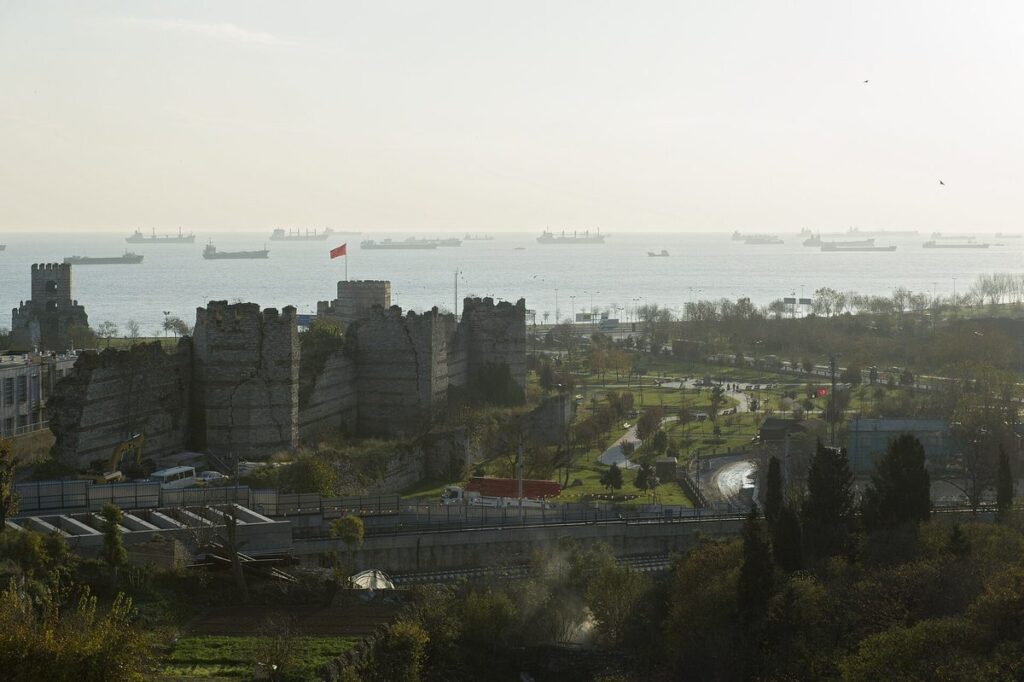
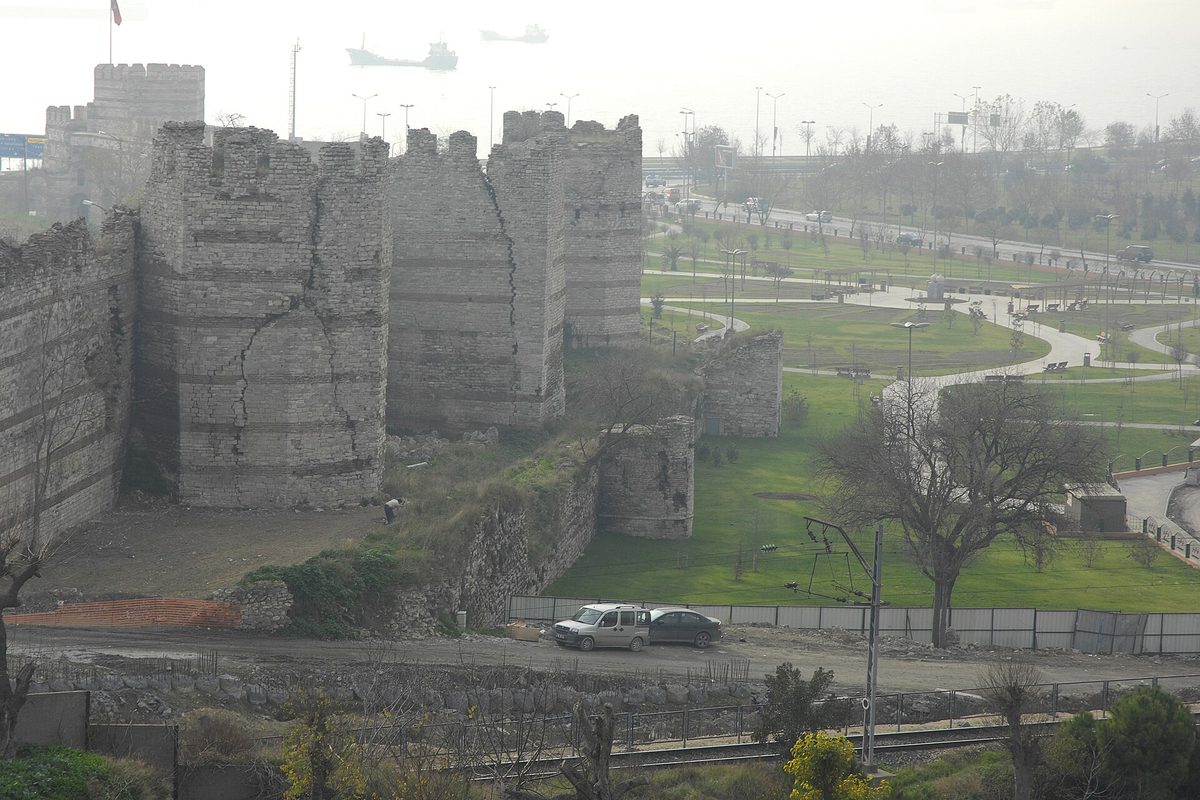
The land walls that close off the peninsula were built under Theodosius II in the early fifth century, and for about a thousand years they did their job. A triple line of moat, outer wall and inner wall with towers, they held off Huns, Avars, Persians, Arabs, Bulgars and Rus. No attacker stormed the land walls before 1453; when the crusaders took the city in 1204, they came over the sea walls on the Golden Horn instead.
Today the land walls run for several kilometres from Yedikule on the Sea of Marmara up to the Golden Horn near Ayvansaray. Some stretches are restored, some are bare ruin with vegetable gardens in the old moat, and walking a section of them is one of the best half-days in the city for anyone who likes their history unpolished. UNESCO includes the land-wall zone as one of the four areas of its Historic Areas of Istanbul listing.
Justinian and the Nika riot
Justinian, who ruled from 527 to 565, is the emperor whose buildings you will see most. In January 532 the city’s chariot-racing factions, the Blues and the Greens, united against him in the Nika riot, burned a large part of the centre, and very nearly drove him from the throne. The riot was put down in the Hippodrome with enormous loss of life. Justinian then rebuilt on a scale nobody had attempted before, and the burned ground around the palace became the site of the city’s greatest building.
Hagia Sophia (532–537)
Hagia Sophia, the Church of Holy Wisdom, went up in roughly five years, from 532 to 537, designed by two mathematicians and engineers, Anthemius of Tralles and Isidore of Miletus. Its dome seems to float on a ring of windows, and for nearly a thousand years it was, by most reckonings, the largest cathedral in the world. It has had four lives since: a cathedral until 1453; a mosque from the conquest; a museum by government decision in 1934; and a mosque again since July 2020, when a court annulled that decision.
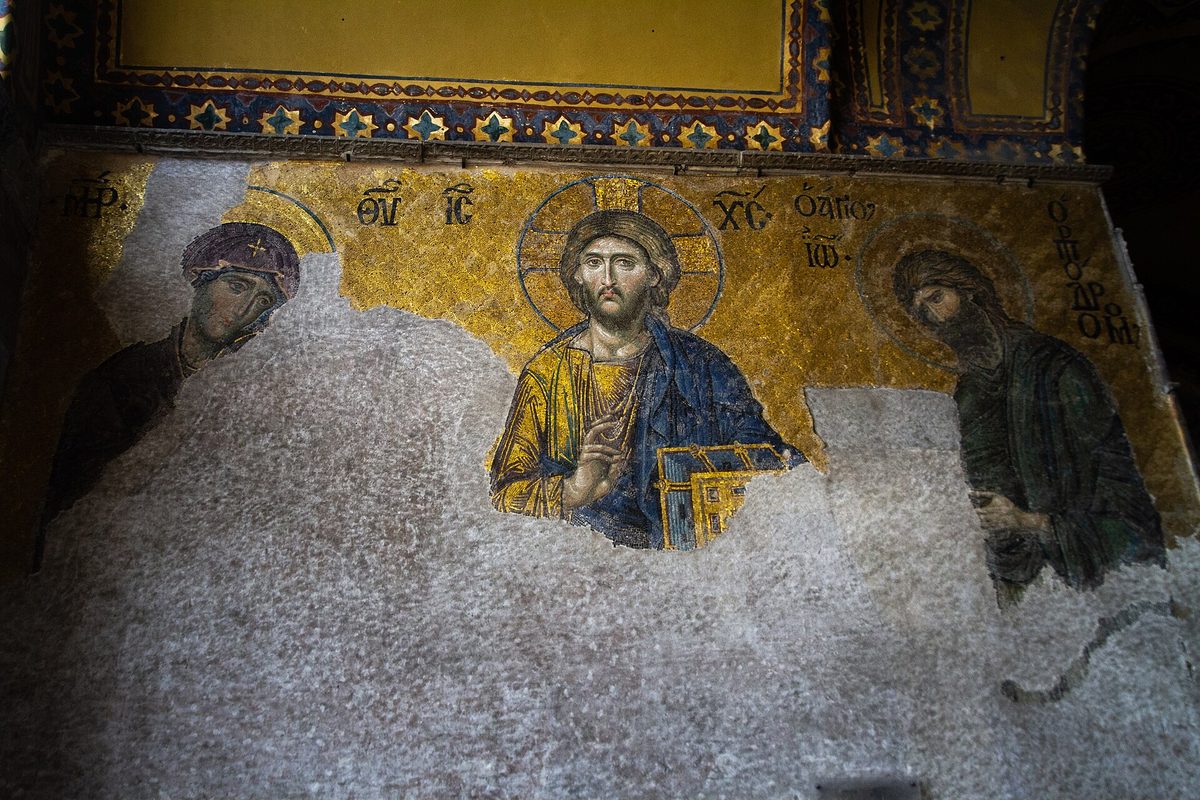
That last change matters for your visit. The ground floor is now a place of worship, and since 2024 foreign visitors have used a separate paid route that takes them up to the galleries, where the best of the Byzantine mosaics are anyway. The Deesis, Christ between the Virgin and John the Baptist, is up there. Our Hagia Sophia visitor guide has the current ticket, route and prayer-time details, along with the restoration work on the dome.
The Basilica Cistern, Hagia Irene and Little Hagia Sophia
Three more of Justinian’s buildings are within a ten-minute walk of each other. The Basilica Cistern is the underground reservoir everyone queues for, a forest of reused columns standing in shallow water, including the two famous Medusa heads used as column bases. Hagia Irene, in the first courtyard of Topkapı, is the other great Justinianic church, never converted to a mosque, its brick interior bare and echoing, used for years as an arsenal. And Little Hagia Sophia, the former church of Saints Sergius and Bacchus, built under Justinian in the years just before Hagia Sophia, is a mosque now, free to visit outside prayer times and much quieter than its famous neighbour.
Of the three, Little Hagia Sophia is the one most visitors miss and the one I would least want you to. It sits down a lane towards the Marmara shore, with a tea garden in the courtyard, and it gives you the experience of a Byzantine church interior without the crowd.
The long middle: icons, crusaders and the Chora
Between Justinian and the conquest lie nine centuries, too much for a visitor guide, so here are the episodes that explain what you will see. In the eighth and ninth centuries Iconoclasm, a long imperial campaign against religious images, destroyed most of the city’s earlier figurative mosaics; that is why so much of what survives in Hagia Sophia is later. In 1204 the Fourth Crusade, which had set out for Egypt, sacked Constantinople instead. The crusaders stripped the city of relics and bronze, and the four bronze horses on St Mark’s in Venice are generally believed to have come from the Hippodrome. The Byzantines recovered the city in 1261, but the empire never recovered its strength.
Out of that last, poorer Byzantine century came some of its finest art. The church of the Chora, in Edirnekapı near the land walls, was redecorated in the early fourteenth century by Theodore Metochites, a statesman and scholar, and its mosaics and frescoes are among the most important late Byzantine work anywhere. Like Hagia Sophia, the Chora had become a mosque after the conquest and a museum in the twentieth century; it reopened as the Kariye Mosque on 6 May 2024. Visits pause around prayer times and Friday midday is for worship, so check the times posted at the door.
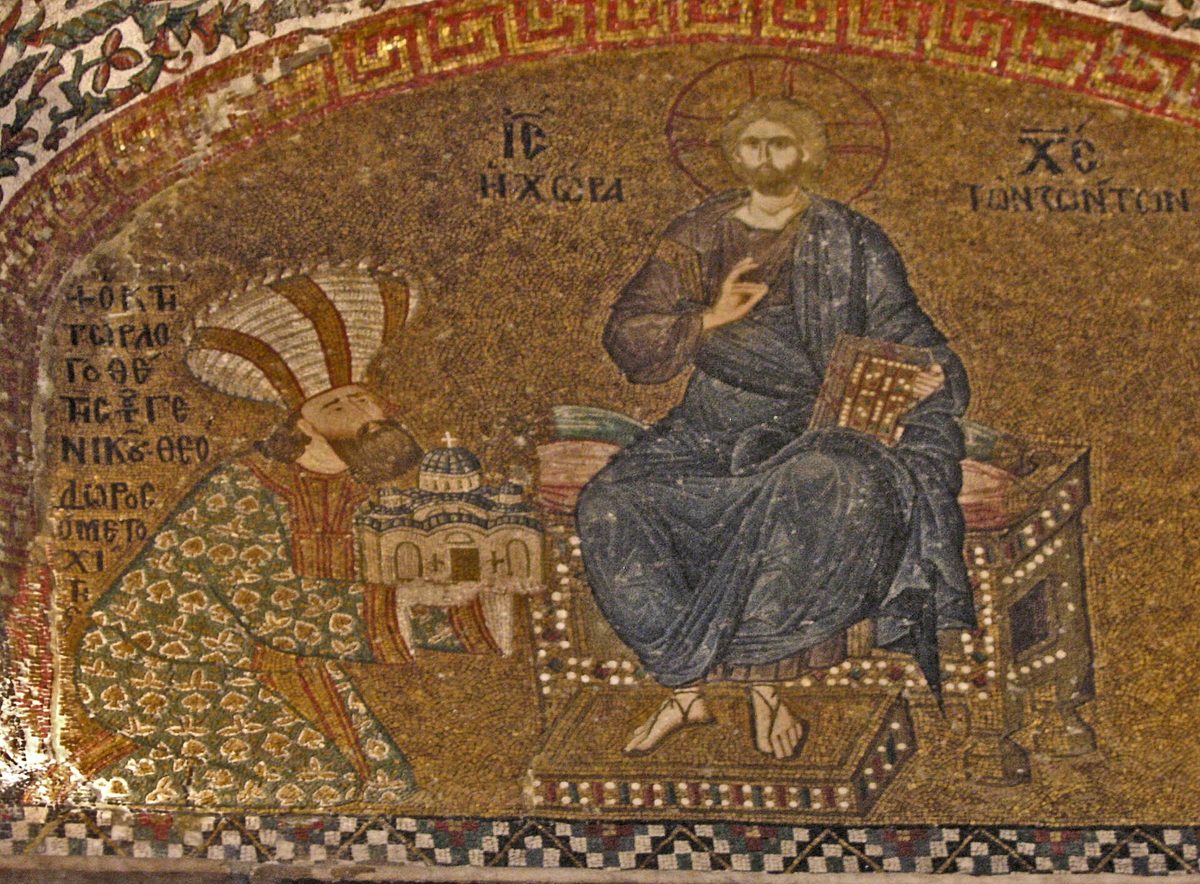
Two other Byzantine churches are worth the walk. Zeyrek Mosque, the former twelfth-century Pantokrator monastery, stands on the hill above Unkapanı and is one of UNESCO’s four protected areas. The Pammakaristos (Fethiye Mosque) in Çarşamba has a chapel with good late mosaics; check the opening arrangements before you go.
Genoese Galata
Across the Golden Horn, the hill of Galata was a Genoese trading colony under the late Byzantine emperors, almost a separate town with its own walls and its own podestà. The round stone Galata Tower is the colony’s landmark, built in the fourteenth century as part of those walls. If you climb it, go for the view rather than the history: the interior is a modern museum fit-out, and the story is better read from the outside, on the steep lanes that follow the line of the old walls down to Karaköy.
1453: the conquest of Constantinople
By the 1450s the Byzantine empire was little more than the city itself, surrounded by Ottoman territory on both sides of the water. In 1451–52 the young Ottoman sultan Mehmed II built Rumeli Hisarı, a fortress on the narrowest point of the Bosphorus, facing the older Ottoman fort of Anadolu Hisarı on the Asian shore. With guns on both banks he could close the strait to any ship bringing help from the Black Sea.
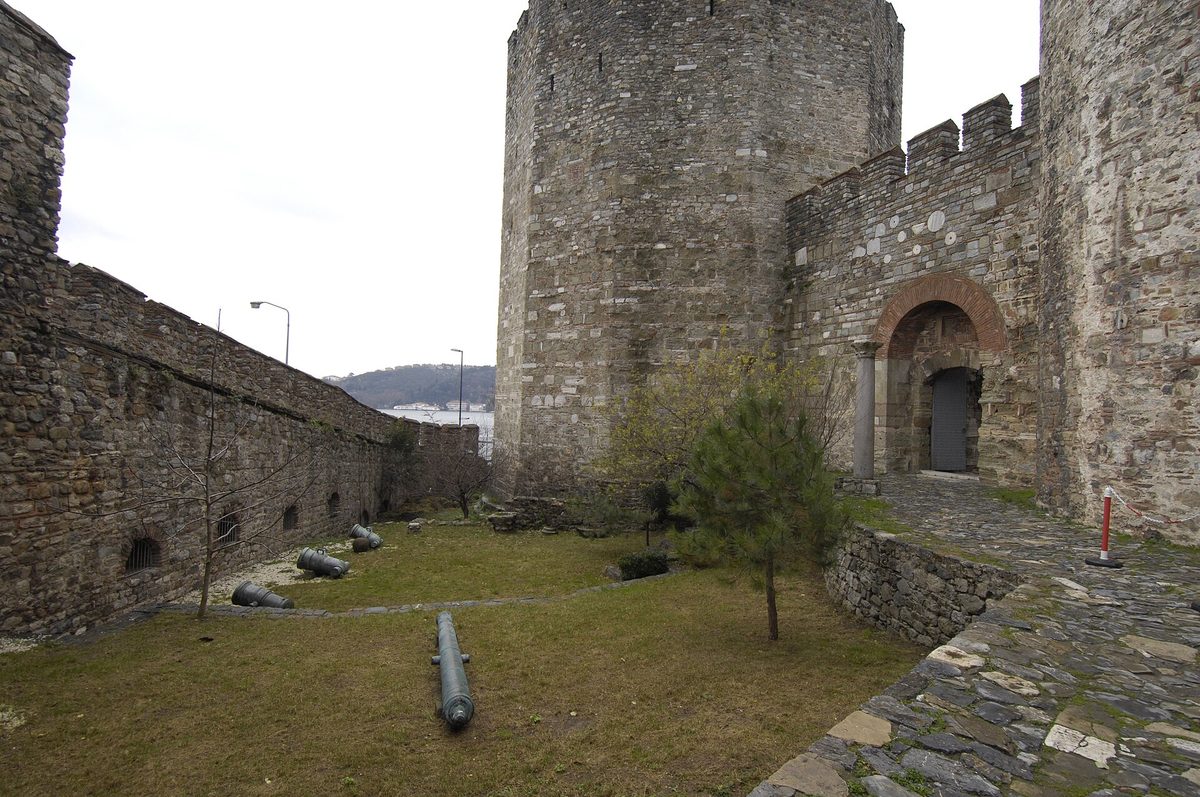
The siege ran from 6 April to 29 May 1453. Mehmed brought cannon of a size the walls had never faced; when the Byzantines closed the Golden Horn with a great chain, he had ships hauled overland behind Galata and launched them into the harbour behind the defenders. The last emperor, Constantine XI Palaiologos, died in the final assault, and Mehmed, still in his early twenties, rode into the city and went to Hagia Sophia, which became a mosque.
Where to stand: the stretch of land wall near the Topkapı gate (not the palace; the city gate of the same name) and the Lycus valley, where the heaviest fighting took place; Rumeli Hisarı on the Bosphorus; and Hagia Sophia itself. The Panorama 1453 museum near the Topkapı gate is a painted 360-degree scene of the assault; more about that in the “overrated” section below.
Ottoman Istanbul: palaces, bazaars and Sinan’s mosques
Mehmed set about repopulating and rebuilding a city that had shrunk badly in its last Byzantine centuries. The name Istanbul was already in everyday use (the usual explanation traces it to the Greek eis tin polin, “to the city”), although the Ottoman state went on calling it Kostantiniyye in official documents for centuries.
Topkapı Palace and the Grand Bazaar
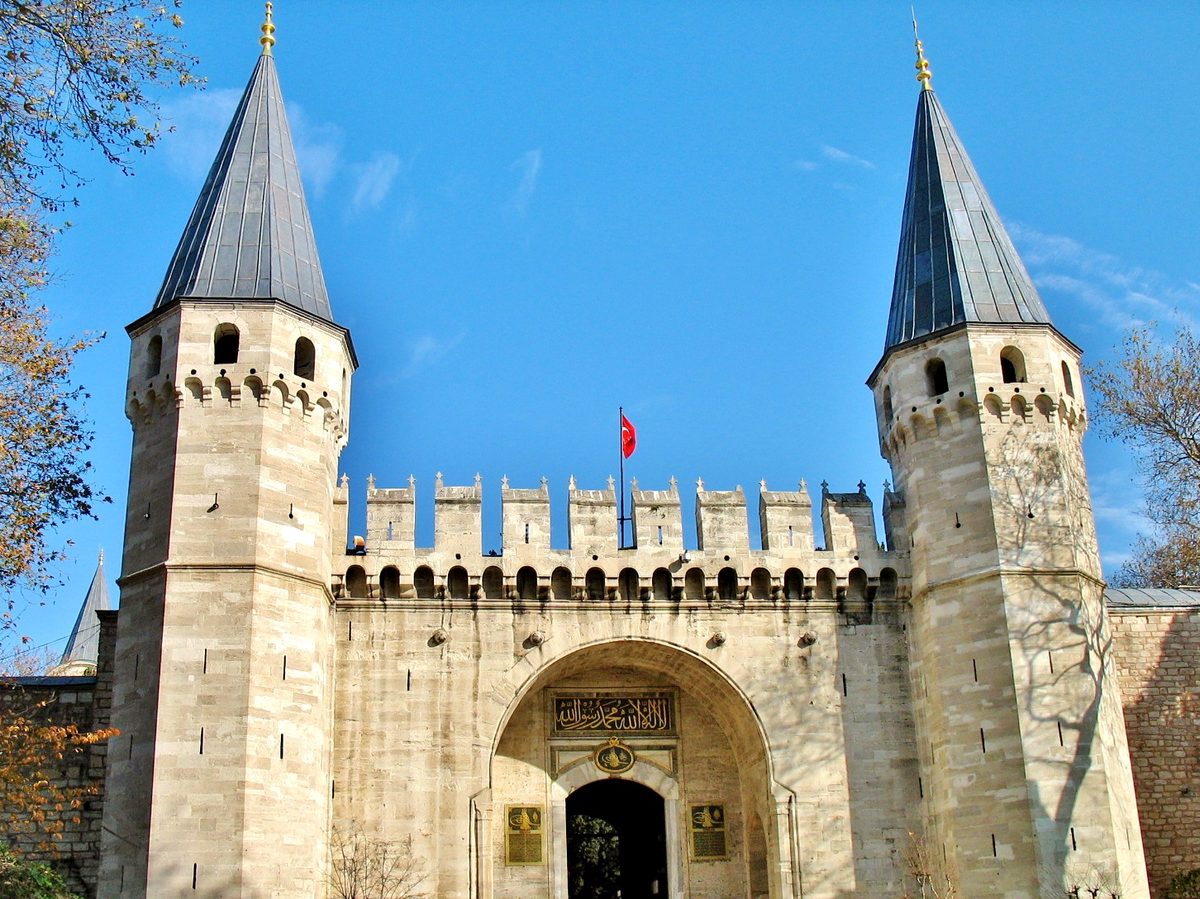
Construction of Topkapı Palace began in 1459, on the old acropolis of Byzantion, and it was the seat of government and the sultan’s home for about four centuries. It is not one building but a series of courtyards, each more private than the last, ending in the pavilions on the point with the Bosphorus below. Read it as a diagram of power: anyone could enter the first court, officials the second, and almost nobody the Harem or the fourth. Our Topkapı Palace guide walks through it court by court.
Mehmed’s economy needed a market, and the core of the Grand Bazaar, the domed Bedesten for valuable goods, was begun in the winter of 1455–56. The streets of shops, inns and workshops grew around it over the next centuries until it became the covered maze you get lost in today. The old hans around the bazaar, the courtyard inns where traders stayed and stored goods, are some of the least-visited Ottoman buildings in the centre, and several still house working craftsmen.
Süleyman the Magnificent and Mimar Sinan
The empire reached its height under Süleyman I, who reigned from 1520 to 1566, and its great architect was Mimar Sinan, who served Süleyman and his successors as chief court architect for half a century. Sinan’s mosques are the reason the skyline looks the way it does. Three to see in Istanbul:
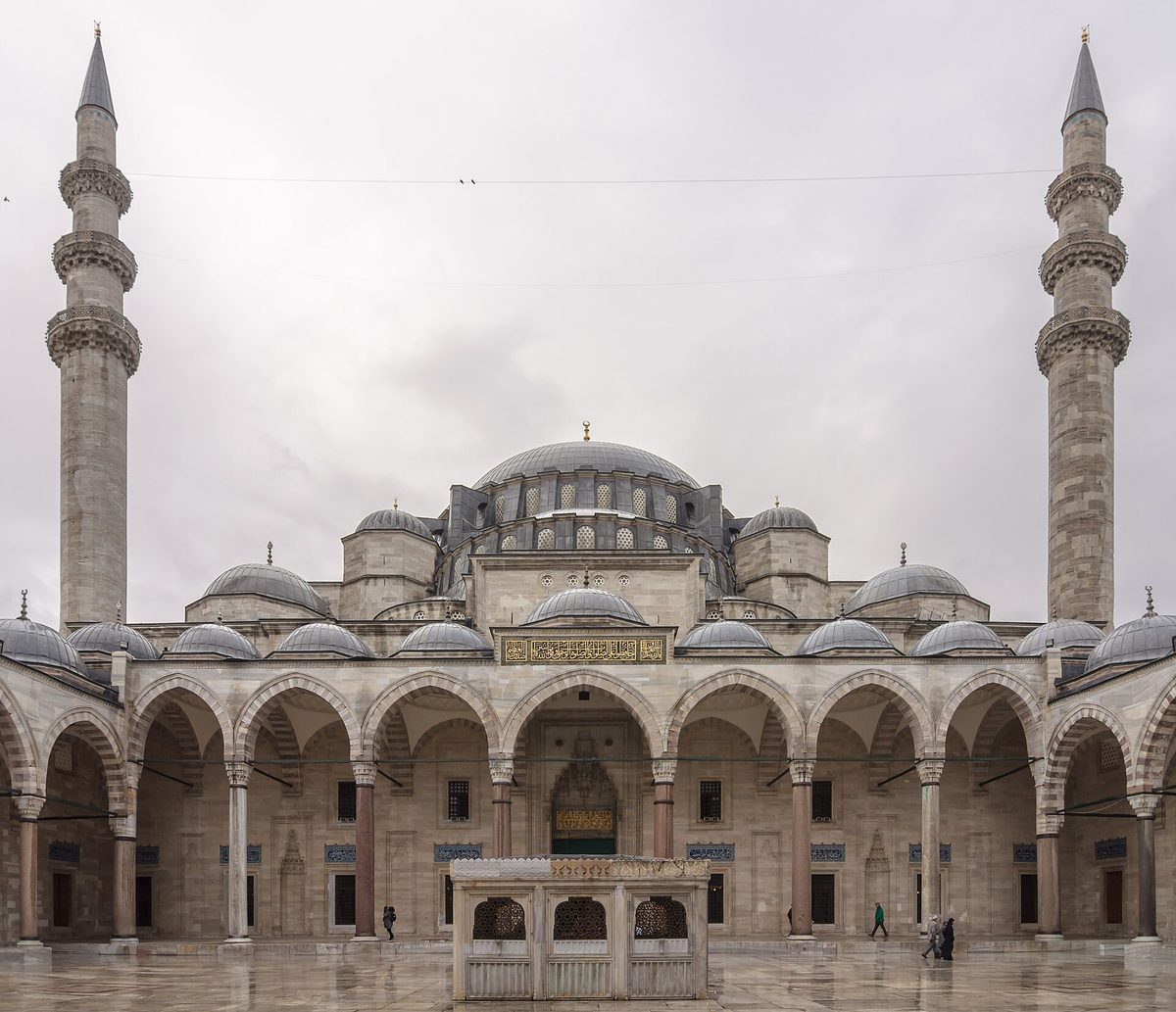
- The Süleymaniye (1550–1557), Süleyman’s own mosque complex on the third hill, with its courtyard, cemetery, tombs and the terrace view over the Golden Horn. If you only see one Ottoman mosque properly, make it this one.
- Rüstem Paşa Mosque, a small mosque raised above the market streets of Eminönü for Süleyman’s grand vizier, covered inside with İznik tiles of a quality you rarely see this close.
- The Şehzade Mosque, Sinan’s first great imperial mosque, built for one of Süleyman’s sons.
Sinan himself considered the Selimiye in Edirne his masterpiece; it is a long but feasible day out, covered in our day trips from Istanbul guide.
The Blue Mosque
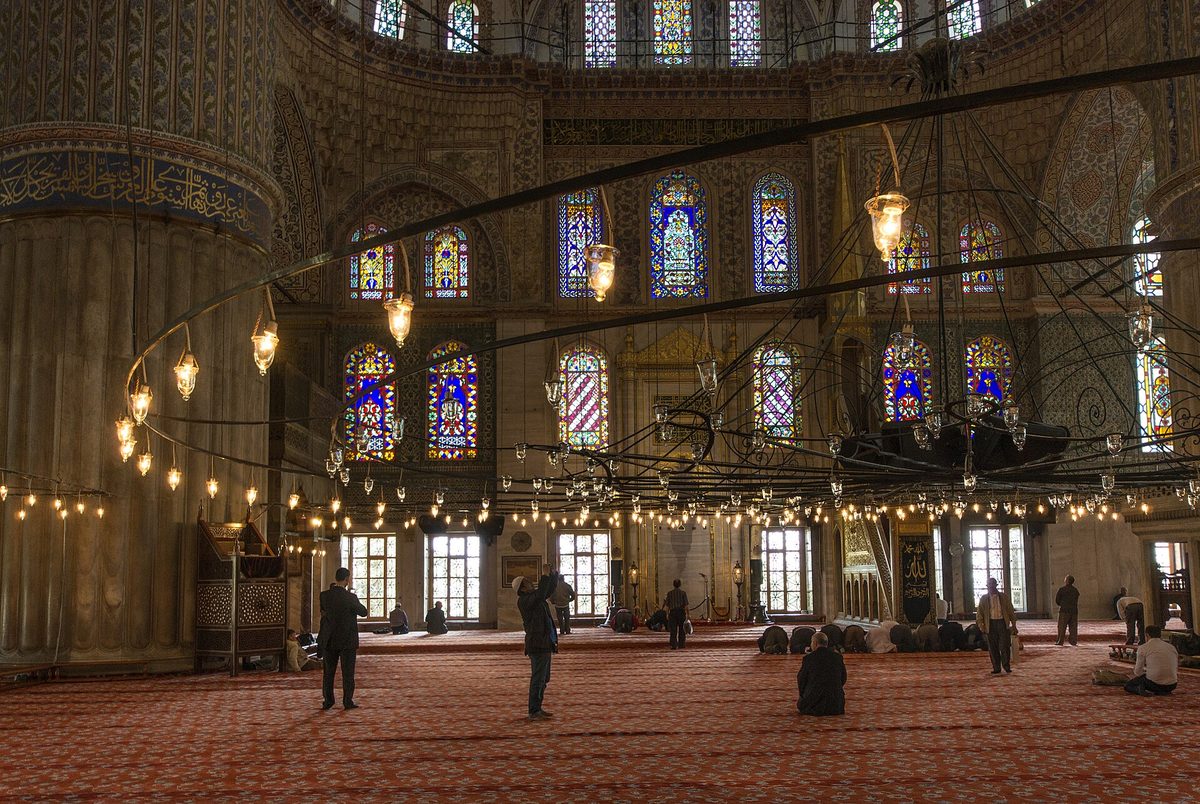
The Sultan Ahmed Mosque, the Blue Mosque, was built for Ahmed I between 1609 and 1617 (some inscriptions give 1616), by Sedefkâr Mehmed Ağa, a pupil of Sinan’s school. Its six minarets and its tiled interior make it the most photographed mosque in the city, and it was placed facing Hagia Sophia deliberately. It is a working mosque, free to visit outside prayer times; the visiting rules below apply here more than anywhere.
Dolmabahçe, Pera and the end of the empire
In the nineteenth century the empire tried to modernise itself along European lines, and the city’s centre of gravity moved north across the Golden Horn. Pera, the hill above Galata, became the district of embassies, Levantine merchants, arcades, theatres and hotels; its main street, today’s İstiklal Caddesi, was the Grande Rue de Péra. Our Beyoğlu and Galata guide covers what is left of that world, from the passages off İstiklal to the old embassy buildings.
The sultans left Topkapı for Dolmabahçe Palace on the Bosphorus shore, built between 1843 and 1856, a European-style palace of chandeliers and staircases that looks nothing like the Ottoman pavilions on the point. Topkapı closes on Tuesdays and Dolmabahçe on Mondays, which matters if you are trying to see both in one trip.
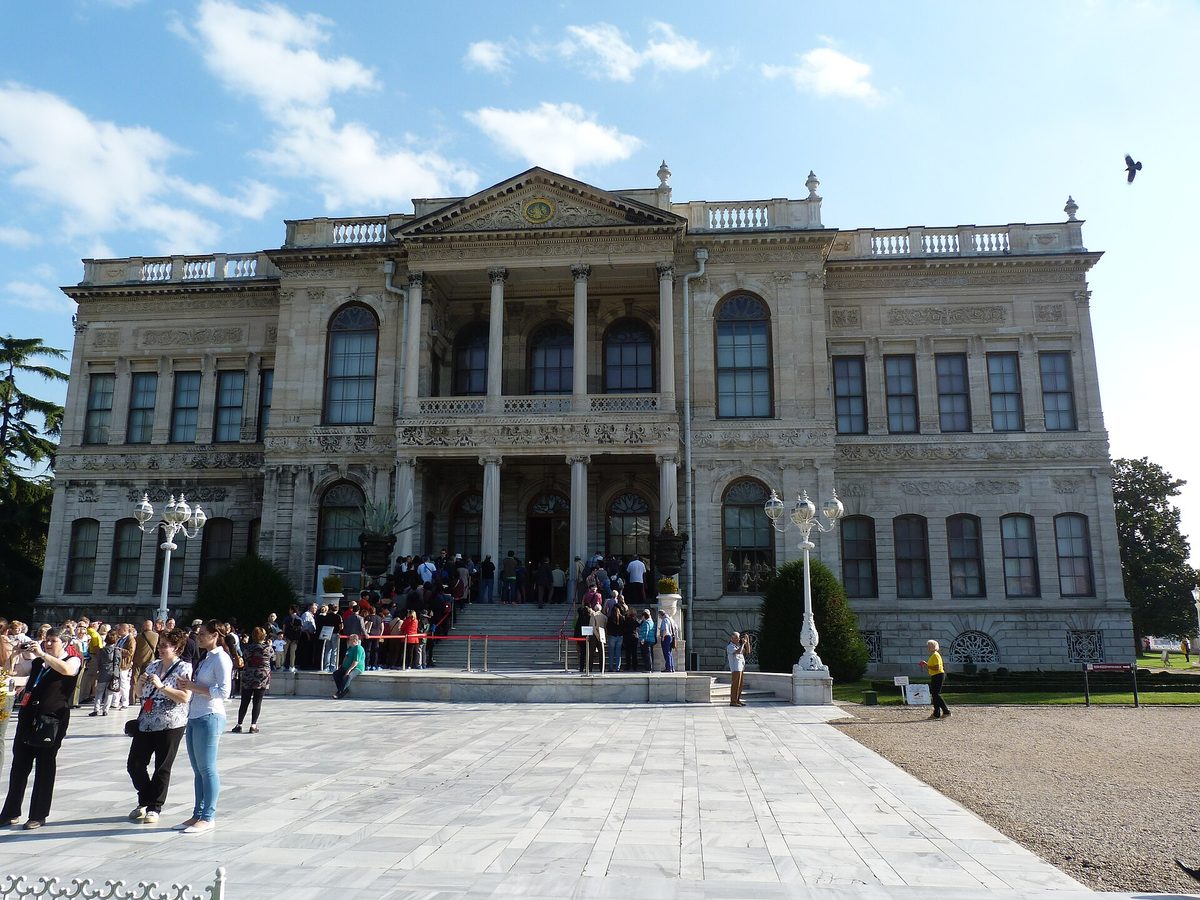
The empire ended with the First World War and the war that followed it. The sultanate was abolished on 1 November 1922; a law of 13 October 1923 made Ankara, not Istanbul, the capital; and the Republic of Turkey was proclaimed on 29 October 1923, under Mustafa Kemal, later Atatürk. The caliphate, the last religious office of the Ottoman house, was abolished in 1924. Istanbul lost its status as a capital after more than 1,500 years, and the city’s international name followed: from 1930 Turkey asked foreign governments and post offices to use Istanbul rather than Constantinople.
Atatürk died at Dolmabahçe on 10 November 1938, his death certificate giving the time as 09:05. If you are in Istanbul on 10 November, you will see it: at 09:05 sirens sound and much of the city stops, traffic included, for a minute’s silence. It is moving to watch, and it is polite to stand still with everyone else.
A city of many faiths
Ottoman Istanbul was never a Muslim city alone. Greek Orthodox, Armenian and Jewish communities lived in their own quarters with their own churches, schools and leaders, and their buildings are scattered all over the old city and Beyoğlu.
- Greek Istanbul. The Ecumenical Patriarchate, the senior see of Orthodox Christianity, is still in Fener on the Golden Horn, in the compound around the church of St George. The red-brick Phanar Greek school above it is the landmark everyone photographs. The Greek community is now very small; the anti-Greek riots of September 1955 were the turning point, and Fener and neighbouring Balat show the result in their mix of restored houses and empty ones.
- Armenian Istanbul. The Armenian Patriarchate is in Kumkapı, near the Marmara shore, and Armenian churches stand in Kumkapı, Samatya, Beyoğlu and on the Asian side.
- Jewish Istanbul. Sephardic Jews expelled from Spain in 1492 settled in the Ottoman Empire in large numbers, and Balat and Galata had substantial Jewish quarters. The Ahrida Synagogue in Balat and Neve Shalom in Galata are the best known. Visiting a working synagogue means passing security and, for most, arranging the visit in advance; ask the community or the synagogue about the current procedure before you plan around it.
Our Fener and Balat guide is the place to start for a walk that covers the Patriarchate, the Bulgarian iron church of St Stephen, and the lanes between.
How to behave in a mosque in Istanbul
You will go into more mosques in Istanbul than you expect, because so many of the great buildings are working mosques: Hagia Sophia, the Blue Mosque, the Süleymaniye, the Chora, Little Hagia Sophia. Visitors are welcome in almost all of them. The rules are simple, they are the same everywhere, and keeping to them is what keeps the doors open.
What to wear
- Everyone: shoulders and knees covered. No shorts, no sleeveless tops, nothing see-through or very tight.
- Women: cover your hair with a scarf. It does not need to be pinned or perfect; a loose scarf over the head is fine.
- Shoes come off before you step onto the carpet. Big mosques have racks or plastic bags at the entrance; carry your shoes with you rather than leaving good ones at the door.
The busiest tourist mosques usually lend wraps and scarves at the visitor entrance, but supplies run out and they are not always clean, so the easiest thing is to carry a light scarf in your daypack all trip. It weighs nothing and solves the problem at every door.
When to go: the prayer times
There are five daily prayers, and their times move every day with the sun. Visitors are asked to leave, or are not let in, for each prayer and a short time around it. The times are published by the Diyanet, Turkey’s religious affairs directorate: on 15 October 2026, for example, the midday prayer was at 12:55 and the afternoon prayer at 15:58, while in midsummer the midday prayer falls later and the evening prayer much later. The practical rules:
- Check the day’s times on the Diyanet prayer-time page for Istanbul, or just look at the board at the mosque door.
- Friday midday is the main congregational prayer of the week. Mosques are full and closed to sightseers from late morning until well into the afternoon. Plan Friday mornings for museums and leave the mosques for later in the day.
- Early morning, straight after opening, is the quietest time at the Blue Mosque and Hagia Sophia.
Inside
- Keep your voice low and phones on silent.
- Photography is generally fine, without flash, but never photograph people who are praying, and never walk in front of someone at prayer.
- Areas behind a rail or screen are for worshippers; stay in the visitor section.
- There is often a donation box. Giving is welcome and never compulsory.
- Children are welcome, but keep them from running on the carpet.
Nobody expects visitors to know everything. Attendants will tell you, usually kindly, if something is wrong. Cover up, take your shoes off, keep quiet, and you will have got it right.
Istanbul culture beyond the monuments
The call to prayer
The ezan, the call to prayer, sounds from every mosque five times a day, and in the old city the calls overlap from minaret to minaret. Nobody expects visitors to do anything when it sounds. The dawn call is the one light sleepers notice: if you are booking a room in Sultanahmet next to a mosque, that is the trade-off.
Tea, hospitality and greetings
Tea, çay, served in small tulip glasses, is the social glue. Shopkeepers will offer it, carpet sellers will offer it with a purpose, and accepting a glass does not oblige you to buy anything. A few words go a long way: merhaba (hello), teşekkür ederim (thank you), lütfen (please). Our Istanbul travel tips cover tipping, bargaining and the other everyday customs that catch visitors out.
Two older customs are still part of daily life and worth trying once. The hamam, the public bath, comes straight out of the Roman and Byzantine bathhouse tradition, and some of the historic ones near Sultanahmet, such as the Hürrem Sultan Hamam, were designed by Sinan; our Turkish bath guide explains what happens inside. And breakfast, kahvaltı, is a long social meal rather than a coffee on the run.
Ramadan and the bayrams
The religious calendar is lunar, so the holidays move about eleven days earlier every year. In 2027 Ramadan begins on 8 February, and the holiday that ends it, Ramazan Bayramı, falls on 9–11 March, according to the 2027 calendar the Diyanet announced. During Ramadan many people fast from dawn to sunset; restaurants stay open, and nobody expects visitors to fast, but eating and drinking ostentatiously in front of a mosque is poor form. At sunset the iftar meal turns squares like Sultanahmet’s into one big picnic, and it is a good time to be in the city.
The two bayrams, the festival at the end of Ramadan and Kurban Bayramı, the feast of the sacrifice, are national holidays. Some museums close on the first day, the Grand Bazaar closes for the holiday, and Istanbullus travel, so roads are jammed before and quiet during. Check the Diyanet’s calendar for the Kurban Bayramı dates, and our Istanbul events calendar for festivals and national holidays.
What’s overrated for history lovers, and what to do instead
Not everything sold as history earns your time. My honest list:
- The Great Palace Mosaic Museum. Often still listed as a sight. The Ministry of Culture lists it as closed since 9 April 2023 until works are completed, so don’t plan around it. The Deesis in Hagia Sophia and the Chora mosaics are the better Byzantine mosaics anyway.
- The Hippodrome as a “sight”. It is a long park with three monuments, and plenty of people walk across it without knowing what they are looking at. Give it ten minutes with the history above in your head, and look properly at the reliefs on the Obelisk of Theodosius’s base, and it becomes one of the best free things in the city.
- Panorama 1453. A painted 360-degree battle scene, fun for children, but if your time is short, stand on the actual walls a few hundred metres away instead.
- Galata Tower for history. Great view, very little history inside, a long queue in season. Walk the Genoese lanes around it instead.
- “Byzantine tours” that never leave Sultanahmet. The best surviving Byzantine work is in Edirnekapı, Zeyrek and on the walls. A history-minded day should get you out of the tourist core.

A history-first plan for two or three days
This is a sequence rather than a timetable. Our Istanbul itinerary has full day plans with timings and transport.
Day 1: the Byzantine core
Start at Hagia Sophia at opening, then the Hippodrome monuments, then down to Little Hagia Sophia before lunch. After lunch, the Basilica Cistern and the Istanbul Archaeology Museums, where the Serpent Column’s head and the Alexander Sarcophagus are. Finish with Hagia Irene if Topkapı is on tomorrow’s list, since it sits in the palace’s first courtyard. The Sultanahmet guide has the walking order.
Day 2: walls, Chora and the Golden Horn
Take a taxi or tram to the land walls and walk a stretch, then the Chora at Edirnekapı (avoid Friday midday). Walk downhill through Fener and Balat to the Patriarchate, then east along the Golden Horn to Zeyrek and up to the Süleymaniye for the late-afternoon light on the terrace. It is a long day; cut the walls if your legs are not up to it.
Day 3: the Ottoman story
Topkapı Palace in the morning (not Tuesday), the Grand Bazaar and Rüstem Paşa after lunch, then a ferry up the Bosphorus to see Rumeli Hisarı from the water, or a visit to Dolmabahçe (not Monday) to finish with the empire’s last chapter. If you have a Museum Pass, check which of these it covers before you buy separate tickets.

Books to read before you go
- Bettany Hughes, Istanbul: A Tale of Three Cities. The whole story, Byzantion to the present, in one readable volume. The best single choice.
- Roger Crowley, 1453. The siege told as a narrative; read it before you walk the walls.
- Philip Mansel, Constantinople: City of the World’s Desire, 1453–1924. The Ottoman city, especially good on the court and the late empire.
- Judith Herrin, Byzantium: The Surprising Life of a Medieval Empire. Short chapters on what Byzantium was actually like.
- Orhan Pamuk, Istanbul: Memories and the City. Not history at all but a memoir of growing up among the empire’s ruins, and the best book on the city’s mood.
Frequently asked questions
What was Istanbul called before?
It was Byzantion (Byzantium in Latin) as a Greek city, then Constantinople after Constantine made it his capital in 330. Istanbul was the everyday name long before it was the official one; from 1930 Turkey asked other countries to use it in place of Constantinople.
Why did Constantinople become Istanbul?
The name Istanbul is generally traced to the Greek phrase eis tin polin, “to the city”, and was in common use for centuries under the Ottomans, who also used Kostantiniyye in official documents. After the Republic was founded, Turkey standardised on Istanbul and from 1930 asked foreign governments and postal services to use it.
How old is Istanbul?
Ancient tradition dates the Greek colony of Byzantion to the seventh century BC, which makes the city more than 2,600 years old. Archaeologists have found much older settlement traces in the area, but the continuous city dates from that colony.
Who founded Istanbul?
Greek colonists from Megara, led in legend by a man called Byzas, founded Byzantion. Constantine the Great refounded it as Constantinople, the new capital of the Roman Empire, in 330.
When did Constantinople fall?
On 29 May 1453, after a siege that began on 6 April, to the Ottoman army of Sultan Mehmed II. The last Byzantine emperor, Constantine XI, died in the final assault.
Was Istanbul ever the capital of Turkey?
Istanbul was the capital of the Ottoman Empire, and before that of the Roman and Byzantine empires, but never of the Republic of Turkey. A law of 13 October 1923 made Ankara the capital, two weeks before the Republic was proclaimed.
Can tourists go into mosques in Istanbul?
Yes. Almost all mosques welcome visitors outside the five daily prayers, including the Blue Mosque, the Süleymaniye and Hagia Sophia’s visitor gallery route. Dress modestly, take off your shoes, avoid Friday midday and keep quiet inside.
Do women need to cover their heads in mosques?
Yes. Women should cover their hair with a scarf, and everyone should cover shoulders and knees. The big tourist mosques often lend wraps at the entrance, but bringing your own scarf is simpler.
Is Istanbul in Europe or Asia?
Both. The Bosphorus divides the city, with the historic peninsula, Beyoğlu and Beşiktaş on the European side and Kadıköy and Üsküdar on the Asian side. Ferries cross in about twenty minutes; our Asian side guide covers the other half.
What is Istanbul known for culturally?
Its layers: Byzantine churches and Ottoman mosques side by side, the bazaars, the hamams, tea culture, and a food tradition drawn from the whole former empire. Our guide to what to eat in Istanbul is the tastiest way into that last one.