Food & Drink ·
Istanbul Nightlife: Bars, Clubs, Rooftops & Meyhanes by Neighbourhood (With 2026 Prices)
Istanbul nightlife by neighbourhood: meyhanes and rakı culture, rooftop bars, Kadıköy's cheap bar street, alcohol rules and prices, and how to get home after the last ferry.
In this guide 15 sections
- Istanbul nightlife by neighbourhood, at a glance
- Beyoğlu and Taksim
- Meyhanes and rakı culture
- Rooftop bars, cocktail dens and the honest view list
- Live music
- Dress codes, door policy and dinner reservations
- Craft beer and wine bars
- Kadıköy
- Bebek and Ortaköy
- Going out alone or as a woman
- Alcohol rules, prices and where it gets complicated
- Match nights
- Getting home
- What to skip
- Frequently asked questions
At 11 p.m. on Nevizade Sokak, a narrow lane off İstiklal Caddesi, every table is full, every waiter is balancing a tray of small plates over someone’s shoulder, and the noise is a single wall of conversation and fasıl music that does not let up until well past midnight. Twenty minutes away by ferry, Kadıköy’s bar street is doing exactly the same thing at a third of the price. Istanbul does not have one nightlife. It has at least four, and they barely overlap.
Istanbul nightlife runs on four different circuits, and knowing which one you actually want before you set out saves an evening: Beyoğlu and Taksim for meyhanes, rooftop bars and the classic İstiklal night out; Karaköy for design-hotel cocktail bars and a view of the old city; the Bosphorus villages of Bebek and Ortaköy for a quieter, more expensive evening on the water; and Kadıköy on the Asian side for the cheapest, least touristed version of all of it. A beer runs 150–250 TL in a bar, a rakı and meze dinner for two starts around 2,000 TL, and the whole city stops selling retail alcohol between 22:00 and 06:00 — none of which affects a bar or restaurant, which can serve all night. Below is where to go by neighbourhood, what a meyhane evening actually involves, the honest rooftop-bar list, and how to get home once the last ferry has gone.
Istanbul nightlife by neighbourhood, at a glance
| Area | What it’s for | Price level | Best for |
|---|---|---|---|
| Beyoğlu & Taksim (İstiklal, Nevizade, Asmalımescit) | Meyhanes, live fasıl, classic bars | €€ | A first Istanbul night out |
| Karaköy & Galata | Design-hotel rooftop bars, cocktails | €€€ | A view of the old city skyline |
| Bebek & Ortaköy (Bosphorus shore) | Waterfront bars, upscale lounges | €€€ | A quieter, more expensive evening |
| Kadıköy (Asian side) | Bar-street drinking, live music, students | € | The cheapest and least touristed night out |
Beyoğlu and Taksim: the classic Istanbul night out
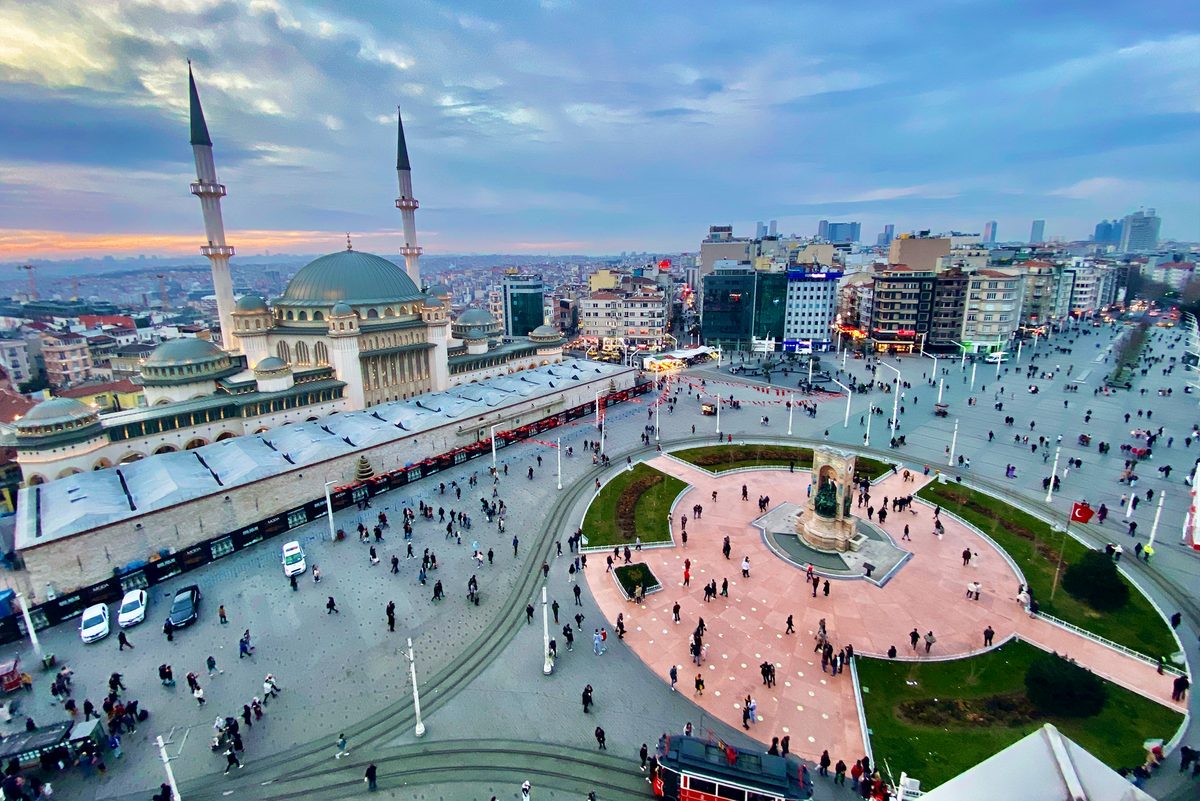
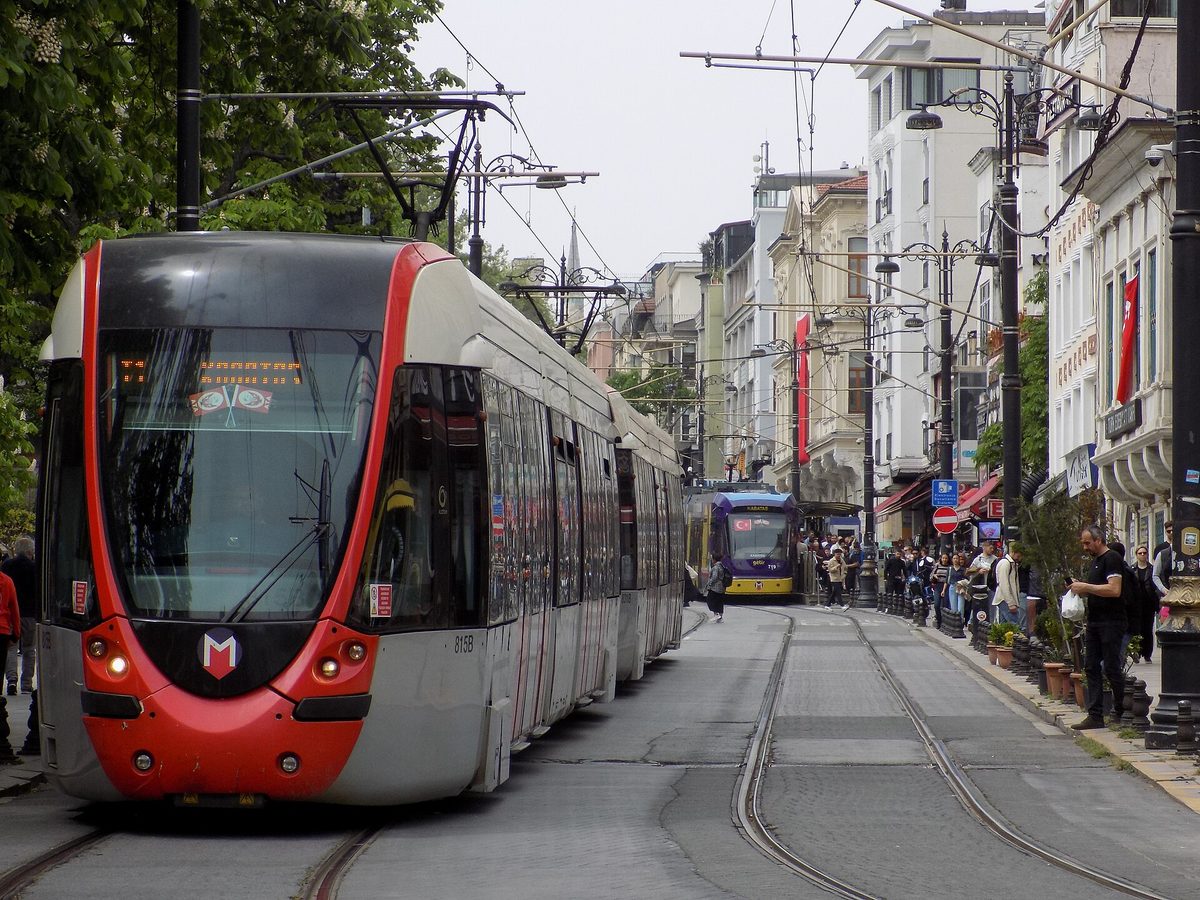
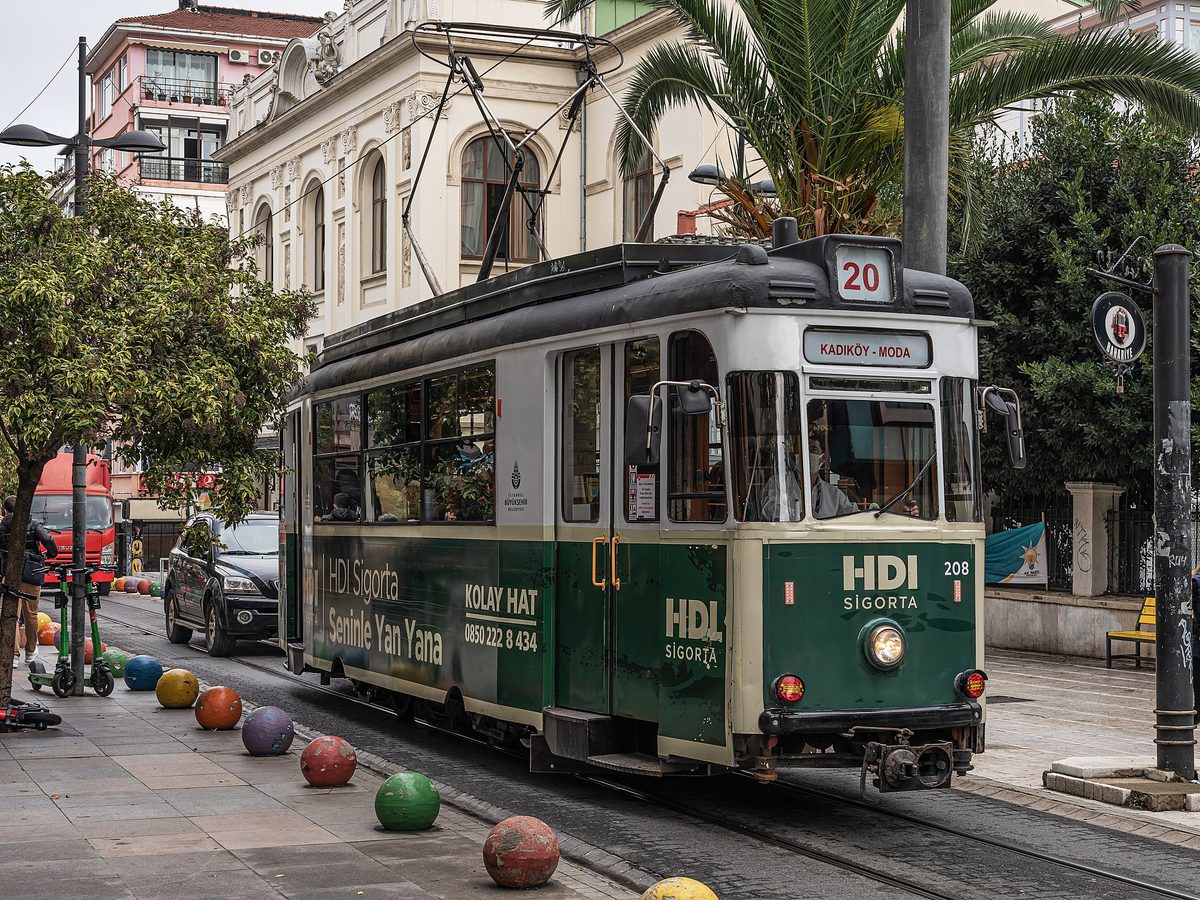
This is where a first Istanbul evening should happen, and it is built around one street and two side streets off it. İstiklal Caddesi itself, the pedestrianised mile between Taksim Square and the Tünel funicular, is loud, commercial and full of chain bars best walked through rather than stopped in — this is where the red heritage tram runs down the middle, where the crowds are thickest, and where most of what is sold is aimed squarely at first-time visitors rather than at anyone actually trying to have a good night out. What matters is what runs off it: Nevizade Sokak, the historic meyhane strip where tables spill into the lane and the evening is built around meze, rakı and fasıl music played not quite in tune; and Asmalımescit, a slightly more upscale pocket with venues like Asmalı Cavit and Yakup 2 that do the same evening with better food and a calmer room.
The practical route most first-time visitors take, and the one worth recommending, runs from Taksim Square down İstiklal on foot, ducking into Nevizade or Asmalımescit for the meze-and-rakı portion of the evening around 8 or 9 p.m., and finishing either back on İstiklal for a late walk or in a nearby rooftop bar if the night has more in it. Tünel, at the quieter southern end of İstiklal, is a useful base for a calmer version of the same evening — close enough to walk to everything above, far enough from Taksim Square’s crowds to feel like a different, more residential part of the same district.
Cihangir, the arty neighbourhood a short walk south of Taksim, has a quieter, more local bar scene aimed at Istanbul’s own creative crowd rather than visitors, and is worth an evening if Nevizade’s crowds are not your speed. Whichever street you end up on, this is the neighbourhood with the highest concentration of licensed venues in the city and the easiest to simply wander between until you find a table you like.
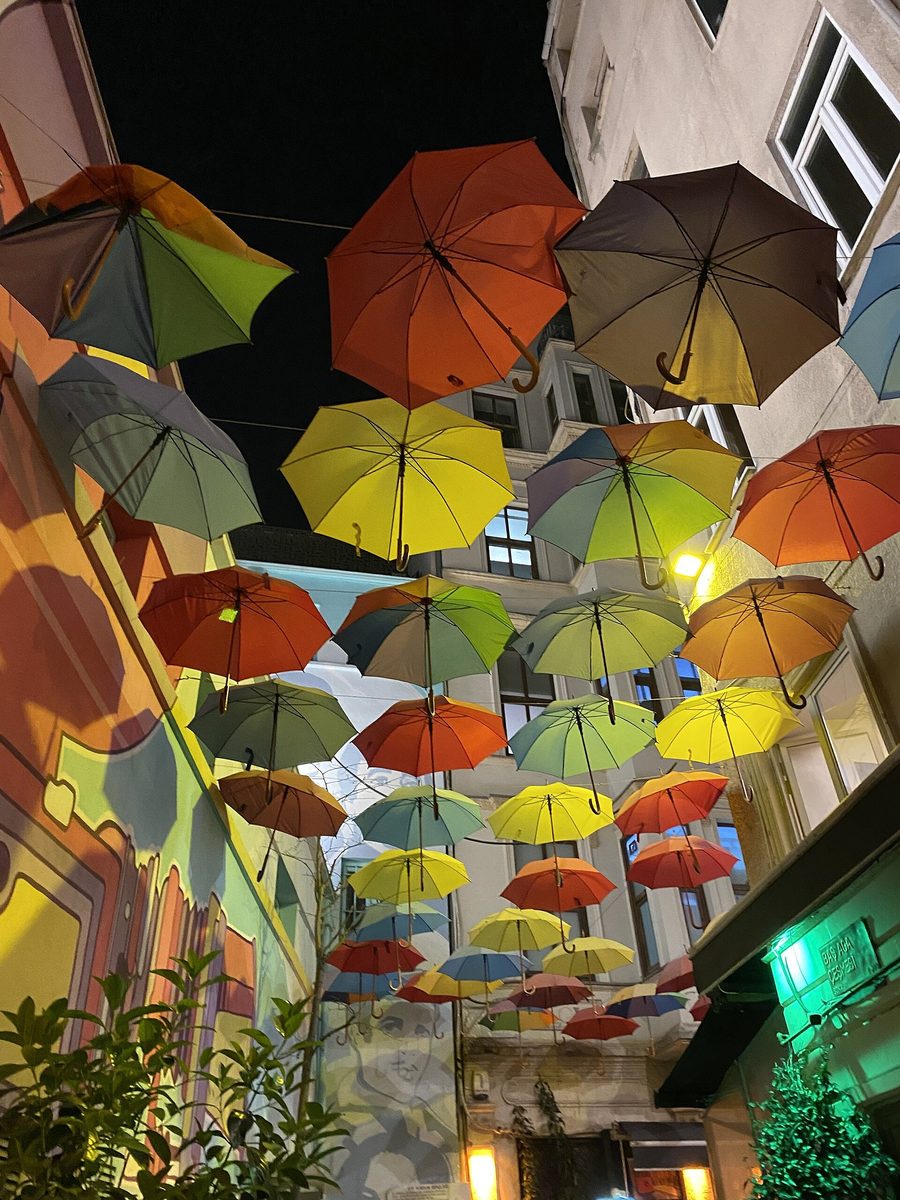
Meyhanes and rakı culture: the evening everyone remembers
A meyhane is a tavern built around a fixed ritual rather than a menu you order from freely. A waiter brings a tray of cold meze first — usually eight to twelve small dishes, dips, pickled vegetables, stuffed vine leaves — followed by hot meze, then a shared main, typically fish or grilled meat, over three or four unhurried hours. Rakı, an aniseed spirit, is drunk long rather than as a shot: poured into a narrow glass, topped with water until it turns a cloudy white, then iced separately so it never gets watered down by melting ice in the glass itself. The cloudy result has a nickname, aslan sütü, lion’s milk, and ordering a shot of it neat marks you as someone who has not done this before.
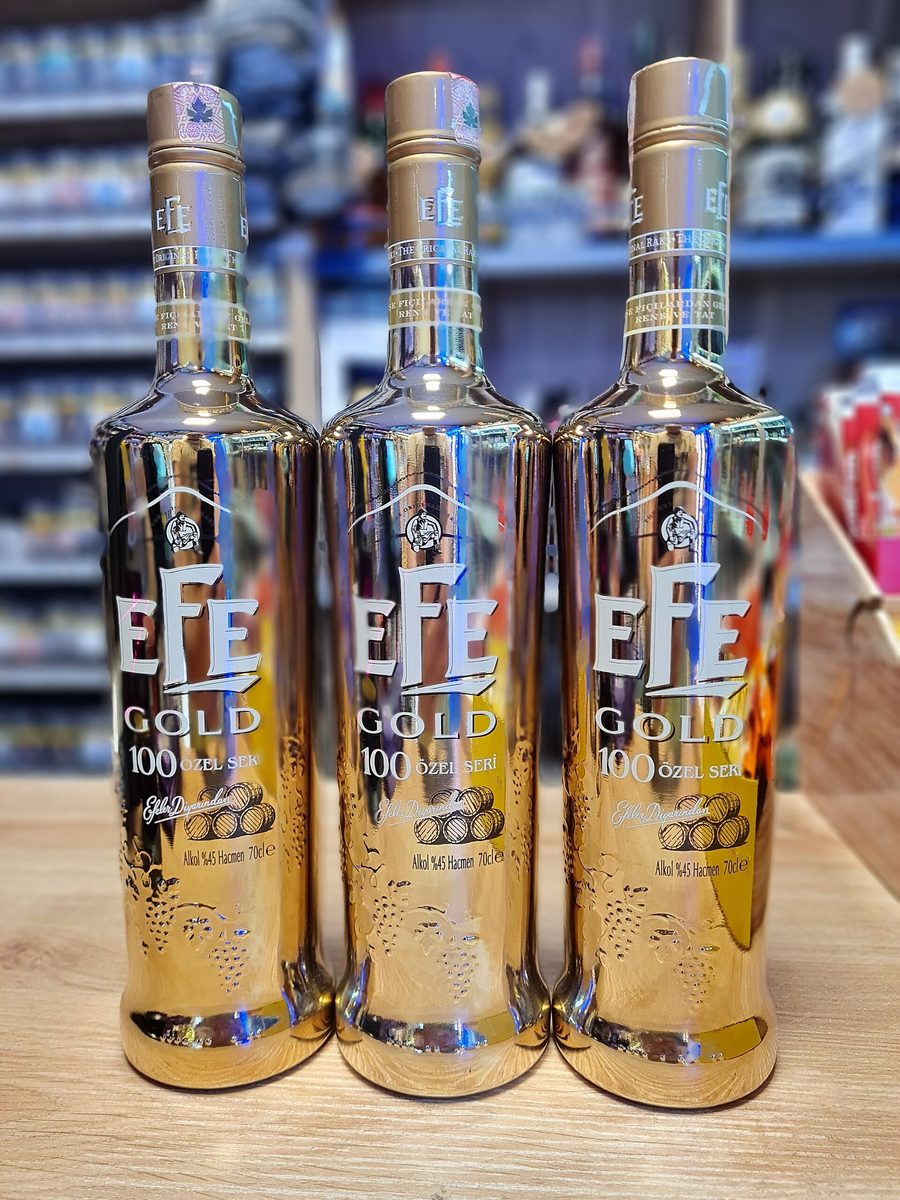
Nevizade Sokak off İstiklal is the historic strip and the place most visitors go first. Kor Agop in Kumkapı, on the Sea of Marmara side of the old city, runs a long-standing Armenian-influenced meze tradition with nightly fasıl music. Safa Meyhanesi in Yedikule has been open since 1948; Agora Meyhanesi in Balat occupies an early-1900s building on the Golden Horn; Despina in Kurtuluş is a smaller, more local room. On the Asian side, Piraye Taş Plak in Kadıköy does the same evening at Kadıköy prices. Reckon on 2,000 TL and up for two people with a shared bottle of rakı and a decent spread of meze, roughly €35 each, checked September 2026 against current food-and-drink research.
Rooftop bars, cocktail dens and the honest view list
Istanbul’s rooftop bar scene is genuinely good and genuinely expensive by the city’s own standards, since imported spirits, a view and a design fit-out all carry a premium here the way they would in any major city. 360 Istanbul, on İstiklal itself, has one of the most famous 360-degree views in the city and a cover charge or minimum spend on busier nights. Mikla’s rooftop bar, atop The Marmara Pera in Beyoğlu, pairs a Bosphorus-and-old-city panorama with the city’s best-known fine-dining kitchen downstairs. Alexandra, Arkestra Listening Room and Kilimanjaro round out the current rooftop-and-lounge circuit, each with a different register — Arkestra leans toward a genuine listening-bar vinyl culture rather than a standard cocktail crowd, which is worth knowing if you want music over spectacle.
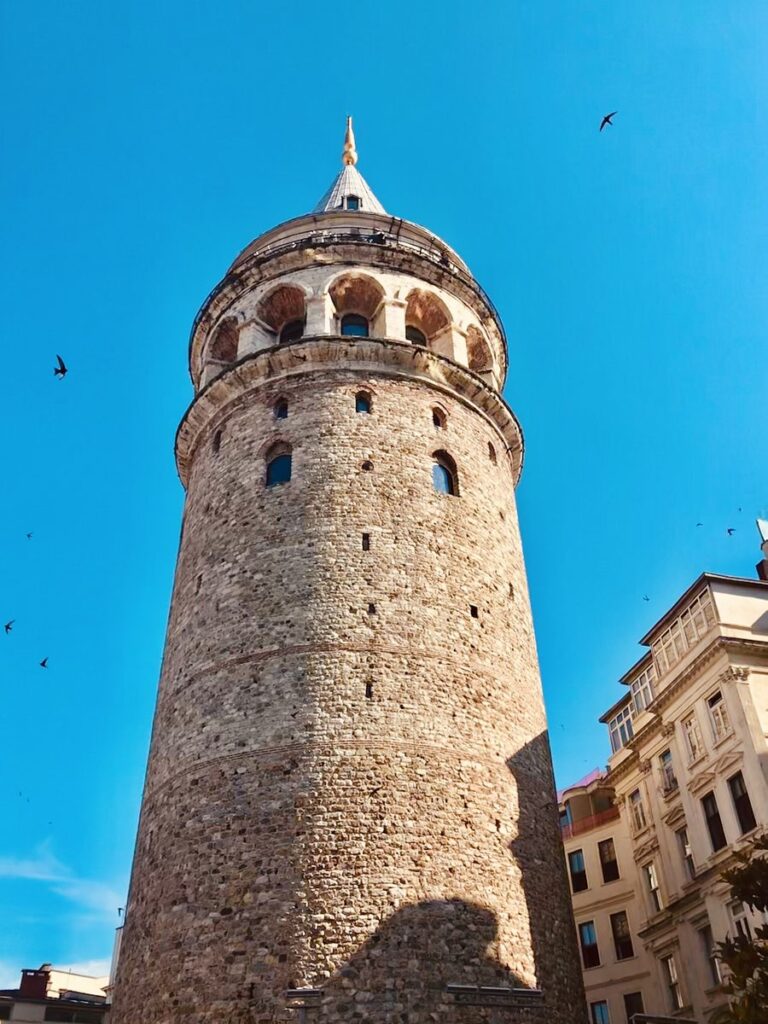
Karaköy has become the design-hotel answer to Beyoğlu’s older rooftop scene, with several boutique hotel bars looking directly across the water at the Sultanahmet skyline — arguably the single best view-for-money trade in the city, since you are paying for a cocktail rather than a cover charge to reach the same panorama. The honest verdict on Galata Tower itself as a nightlife destination: it closes to general visitors in the evening except for a paid night session, and a Karaköy rooftop bar gives you a comparable or better view of the tower itself, from outside it, for the price of a drink rather than a ticket.
A useful rule of thumb across all of these venues: the higher and more famous the view, the more you are paying for the view specifically rather than for the drink in your hand, and cocktail prices at the best-known rooftop addresses run well above what the same spirit and mixer would cost at a good bar without a panorama attached. That is a fair trade once, for the photograph and the experience, and a poor one if you are trying to do it every night of a week-long trip — treat one genuinely spectacular rooftop evening as a highlight and fill the rest of the week with better-value bars in Kadıköy or the meyhanes of Beyoğlu.
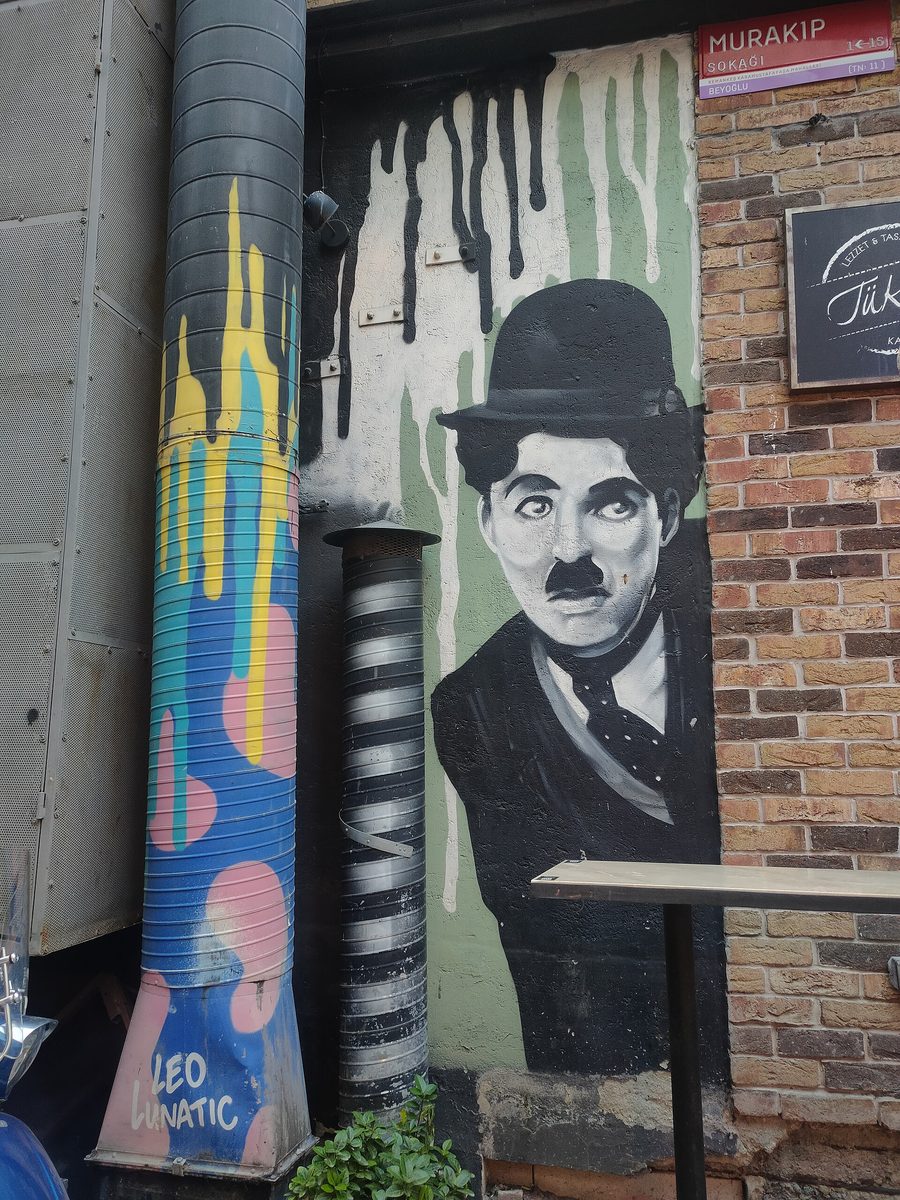
Live music: fasıl, jazz and everything between
Fasıl, the boisterous live Ottoman-Turkish tavern music that soundtracks most meyhane evenings, is played by a small ensemble — typically clarinet, violin, kanun and darbuka — moving between tables and building toward a singalong as the evening wears on rather than staying confined to a stage. It is not a polished concert and is not meant to be; audience participation, badly and enthusiastically sung along, is the actual point.
For something more structured, Nardis Jazz Club in Galata has run a serious jazz programme for years, booking both Turkish and touring international acts in a small, proper listening-room setting rather than background music for a drinks crowd — worth checking the week’s specific line-up before committing an evening to it, since the room is small enough that a good night sells out. Babylon, historically one of Istanbul’s most important live venues for everything from Turkish alternative rock to international touring acts, has operated across more than one Beyoğlu location over the years; confirm its current address and programme before planning an evening around it rather than assuming an older write-up’s location is still current.
Dress codes, door policy and dinner reservations
Istanbul’s rooftop and cocktail-bar scene runs a genuine door policy on weekend nights, particularly at the more design-forward Karaköy and Beşiktaş venues — smart-casual is the safe baseline, and trainers-and-shorts is a real way to be turned away at some of the more image-conscious rooms, in a way that would surprise a visitor used to a more relaxed dress code at home. Meyhanes are considerably more relaxed and welcome anything short of beachwear.
Reservations matter more than a first-time visitor expects at the well-known meyhanes and rooftop bars on a Friday or Saturday night, particularly during the busy April–June and September–October travel seasons — a walk-in party of four at 9 p.m. on Nevizade Sokak on a Saturday may simply not get a table without a booking made earlier in the day, if not further ahead. Hotel concierges in Beyoğlu and Sultanahmet routinely make these bookings on request and are worth using for exactly this reason, particularly if a language barrier makes a phone reservation awkward to arrange yourself.
Craft beer and wine bars
Craft beer is a genuinely recent addition to Istanbul’s drinking scene rather than a long tradition, led by Bosphorus Brewing in Gayrettepe alongside newer names like Gara Güzü and Feliz; Taps in Bebek does a rotating tap list in one of the city’s more scenic waterfront settings. It remains a small scene by the standards of Western European or American craft beer cities, worth seeking out specifically rather than expecting to stumble into on every street corner. Efes remains the mainstream national lager everywhere else, along with Bomonti and the locally brewed Tuborg — perfectly drinkable, unremarkable, and the default pour at any bar that has not specifically built a craft list.
Wine bars cluster in Karaköy, Cihangir and Nişantaşı — Foxy, Solera, Sensus and Corvus are the names that come up repeatedly in current research, each leaning into Turkey’s own wine regions rather than only pouring imports. Turkish wine is worth trying on its own terms: native grapes like Öküzgözü, Boğazkere, Narince, Kalecik Karası and Emir, from producers including Kavaklıdere, Kayra, Urla and Suvla, make genuinely distinctive wines that rarely travel far outside the country and are a more interesting souvenir-in-a-glass than an imported label you could order at home.
Kadıköy: the cheapest, least touristed night out in the city
Cross the water and the whole cost structure changes. Kadıköy’s bar street, centred on Kadife Sokak — known locally as Barlar Sokağı, “Bar Street” — runs a dense strip of small, cheap, unpretentious bars aimed at Istanbul’s own students and young professionals rather than visitors. Arkaoda and Karga are two of the longer-running names on the current scene, both leaning toward live and recorded alternative and rock music over a polished cocktail-bar aesthetic; Pablo does something similar with its own regular crowd. Prices across the board run noticeably below Beyoğlu or Karaköy for an equivalent night, and the atmosphere is markedly less performative — nobody in Kadıköy is dressed for a rooftop bar’s door policy.
What makes Kadıköy genuinely different from the European-side circuits is who is actually in the room. This is where a large share of Istanbul’s own university-age population goes out, and the crowd, the music and the prices all follow from that fact rather than from any deliberate tourism strategy — nothing here has been built with a visitor in mind, which is precisely its appeal for anyone who has already done a Beyoğlu evening and wants to see a different city. Moda, the quieter, leafier neighbourhood just south of the bar street proper, has its own smaller cluster of calmer bars and cafés that stay open late without the noise of Kadife Sokak itself, worth knowing about if the bar-street volume is more than you want for a full evening.
Bebek and Ortaköy: the Bosphorus villages after dark
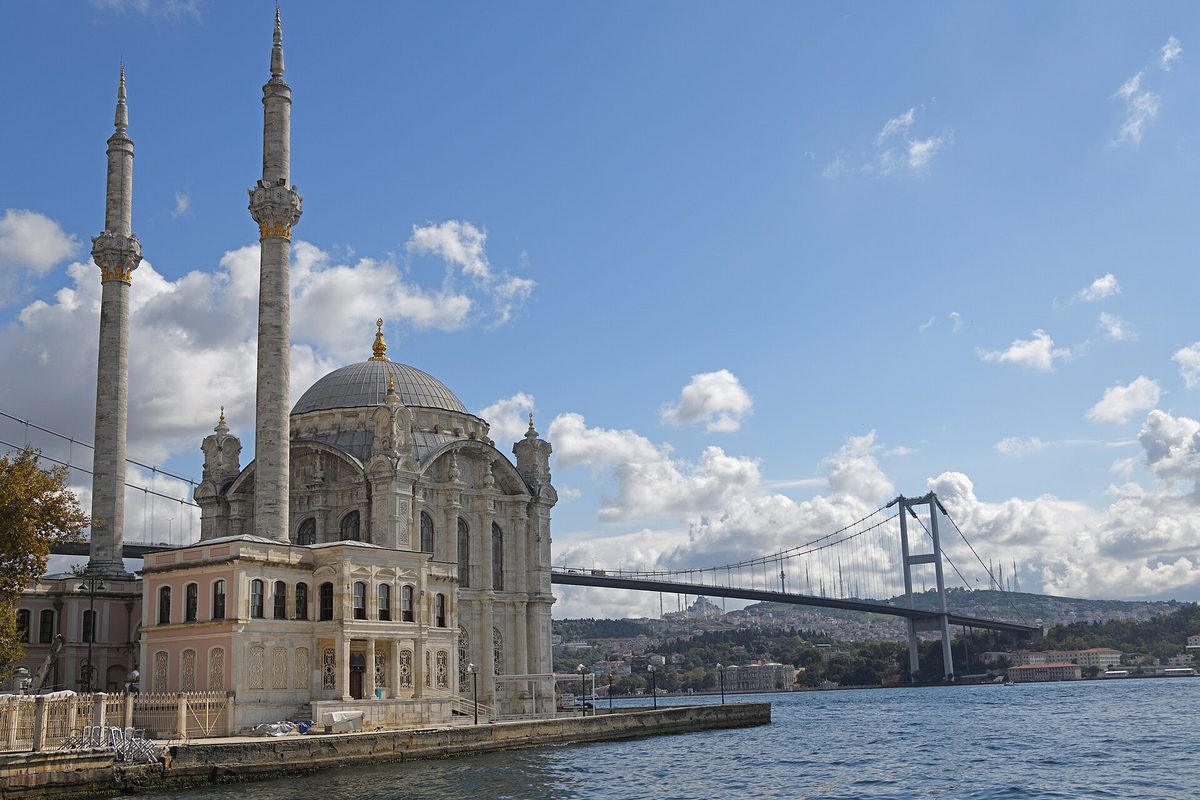
For a quieter, more expensive evening, the Bosphorus shore villages offer waterfront bars and lounges with the strait itself as the view rather than a rooftop’s distant panorama. Bebek’s cafés turn into a low-key evening drinking scene after dark, popular with a well-off local crowd rather than a tourist one; Ortaköy, busier and younger, mixes bars with the kumpir stalls that make the square in front of the mosque a genuine gathering point on weekend evenings. Both are a taxi or bus ride rather than a walk from Taksim or Sultanahmet, which is worth building into your evening’s timing and budget before you commit to a Bosphorus-village night.
This is also the part of the city where Istanbul’s nightlife most resembles a Mediterranean resort rather than a big-city scene — outdoor seating on the water, a slower pace, and a crowd more interested in the view and each other’s company than in a specific bar’s cocktail list. It suits a date night or a final evening of a trip better than a first one, precisely because it asks less of you than a Beyoğlu Friday does.
Going out alone or as a woman: what actually changes
Solo travellers, including solo women, go out in Beyoğlu, Karaköy and Kadıköy regularly and without particular incident, and the busier, more visible venues on this list are not the ones where anything goes wrong — a packed meyhane on Nevizade or a well-known rooftop bar is about as safe a setting as a crowded venue anywhere in a major city. Ordinary caution applies more than any Istanbul-specific rule: keep track of your own drink, agree a taxi fare in an app rather than on the street late at night, and let someone know roughly where you are if you are moving between venues alone after midnight. Quieter, less-visited bars off the main strips deserve slightly more of the caution you would apply anywhere unfamiliar, simply because there are fewer other people around if something does go wrong, not because of anything specific to Istanbul.
The more common friction, reported consistently enough to be worth naming, is being invited into a bar by an unusually friendly stranger on İstiklal Caddesi itself and presented with a wildly inflated bill once inside — a variant of the no-price-menu scam rather than a safety issue as such. Politely declining unsolicited invitations from strangers on the main tourist strip, and choosing venues from a list like this one rather than wherever you are led, avoids it entirely.
Alcohol rules, prices and where it gets complicated
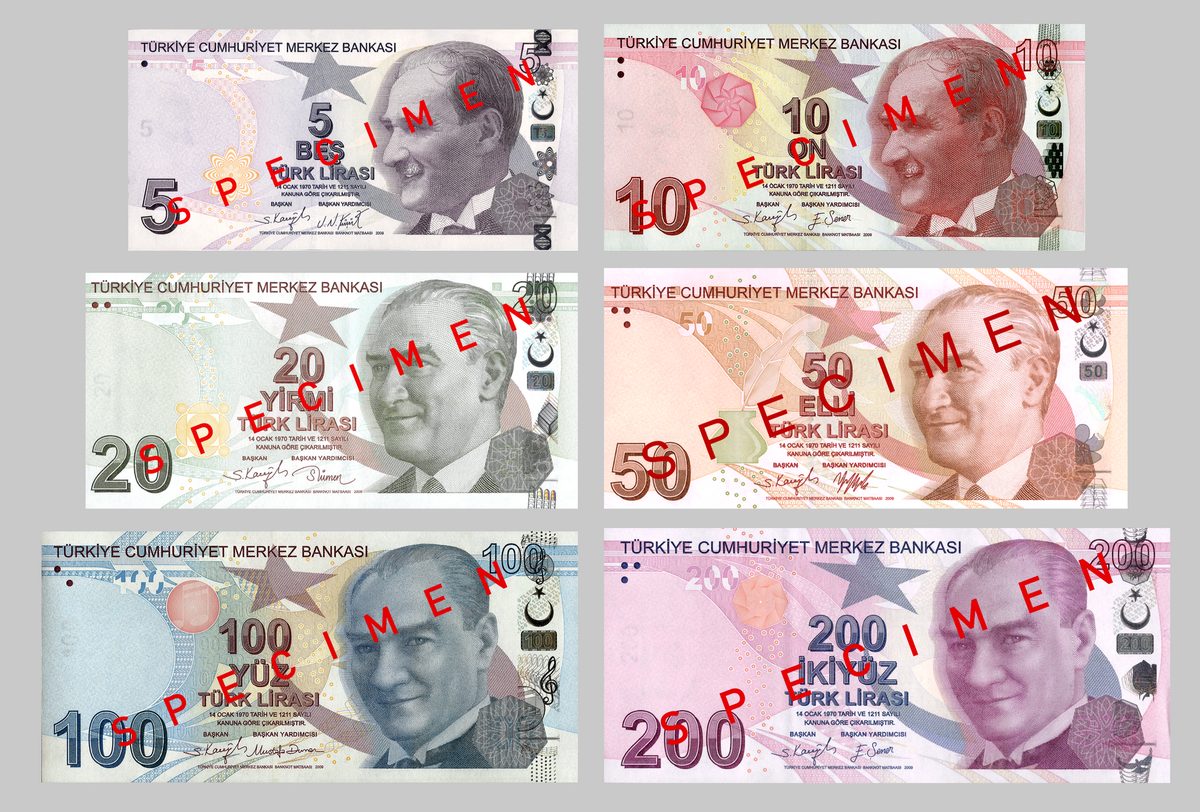
Retail alcohol sales — shops and supermarkets — are banned between 22:00 and 06:00 nationwide, and on election days; this restriction does not apply to licensed bars and restaurants, which can serve throughout their normal hours regardless of the clock. The drinking age is 18. A bar beer runs 150–250 TL, occasionally to 350 TL in the most expensive rooftop venues; the same beer from a supermarket is 75–90 TL. Restaurant wine by the glass runs 200–300 TL; a rakı double pour is 250–350 TL. Alcohol carries a heavy excise tax (ÖTV) that rises roughly every January and July, so treat all of these figures as the right order of magnitude rather than an exact current quote.
Fatih, the conservative district that contains Sultanahmet, has genuinely fewer licensed venues than Beyoğlu or Kadıköy, and some visitors describe it inaccurately as fully “dry” — it is not, since hotels in the district serve alcohol, but the atmosphere is markedly quieter and more conservative after dark than Beyoğlu’s. Ramadan changes the mood city-wide rather than the legal rules: some local venues voluntarily stop serving or lower their profile out of social consideration during the month, even in licensed, tourist-facing areas, and turning up expecting an ordinary Beyoğlu Friday night during Ramadan can be a genuine surprise. Duty-free on arrival or departure allows 1 litre of spirits and 2 litres of wine per passenger — worth knowing if part of your plan is bringing rakı or Turkish wine home rather than buying it once you land.
Prices move with the calendar as reliably as anything in this guide: the excise tax on alcohol (ÖTV) has historically been adjusted upward each January and again around July, in the same rhythm as the transport-fare rises covered elsewhere on this site, so a bar’s drinks menu checked in September is a reasonably safe guide until the new year but should be treated with more scepticism by the following spring. None of this affects the social ritual of an evening out — meze, rakı, fasıl, three unhurried hours — which has not changed in decades and is not about to.
Match nights: watching football in a bar
Istanbul’s three big clubs — Beşiktaş, Fenerbahçe and Galatasaray — turn ordinary bars across the city into something closer to a stadium overflow on derby nights, and watching a match in a packed bar in Beşiktaş or Kadıköy is one of the more purely local experiences available to a visitor without needing a match ticket or a Passolig fan card at all. Bars in the neighbourhood closest to each club’s home ground lean hardest into that club’s colours specifically, so a Beşiktaş bar on a Beşiktaş match night is a genuinely different atmosphere from the same bar on an ordinary Tuesday. If a big derby falls during your trip, building an evening around watching it in the right neighbourhood is worth doing deliberately rather than leaving to chance — ask your hotel which nearby bar is known for showing that club’s matches specifically, since not every bar shows every game with the same enthusiasm.
Getting home: last ferries, night buses and safe taxis
This is the detail that ruins more nights out than any bar’s prices do. If your evening is on the Asian side and your hotel is not, check the last ferry back before you sit down for dinner — services thin out well before midnight on most routes, and missing the last one means a considerably longer and more expensive taxi or a night bus with a far less convenient schedule. The metro and tram run later on weekend nights than on weeknights but still stop running well before dawn; do not assume Istanbul’s public transport runs all night the way some European capitals’ does.
For a late-night taxi, use BiTaksi or Uber rather than hailing on the street specifically after dark, since the fare is agreed and displayed in the app before you get in, removing the “broken meter” and inflated-note scams that are more common with tired, unfamiliar tourists at 2 a.m. than at 2 p.m. There is no legitimate night-time taxi surcharge in Istanbul; a driver who tells you otherwise is testing whether you know that.
If your evening is on the European side and your hotel is in Sultanahmet or Beyoğlu, the metro, tram and funicular network largely covers you until service winds down in the small hours, and a short taxi ride covers the gap on either end. If your evening is on the Bosphorus villages side — Bebek or Ortaköy — factor in that neither has a metro or tram connection at all, and a taxi or a night bus is the only way back regardless of the hour, which is worth knowing before you commit to a full evening out there rather than discovering it at 1 a.m. with no ferry, tram or metro option in reach.
What to skip, and what is overrated
A “superclub” you read about years ago. Several of the Bosphorus-front nightclubs that dominated Istanbul nightlife coverage a decade ago have since closed, downsized or changed character entirely. Verify a specific venue is still operating in its described form before building an evening around it; today’s nightlife centres more on bars, meyhanes and rooftop lounges than on the superclub model.
The first bar you see on İstiklal Caddesi itself. The street’s frontage is largely chain bars and touts; the good version of a Beyoğlu night is one street over, on Nevizade or in Asmalımescit.
Ordering rakı as a shot. Covered above — it marks you out immediately, and it is also simply not how the drink is meant to taste. Ask for it long, with water and ice on the side.
Assuming public transport runs all night. It does not, on any line. Plan your route home before your evening starts, not after the last ferry has already left.
A rooftop bar with a mandatory minimum spend you did not ask about. Several of the busiest venues apply a cover charge or a minimum spend on weekend nights without always stating it clearly at the door — ask before you sit down, not when the bill arrives, and treat a venue that will not answer the question plainly as a warning sign in itself.
Frequently asked questions
Where is the best nightlife in Istanbul?
Beyoğlu and Taksim for a classic first night out — meyhanes on Nevizade, rooftop bars, live fasıl. Kadıköy on the Asian side for the same kind of evening at a fraction of the price and with a more local crowd.
Is Istanbul good for nightlife?
Yes, across a genuinely wide range: historic meyhane taverns, design-hotel rooftop cocktail bars, waterfront lounges on the Bosphorus, and a cheap, unpretentious bar-street scene in Kadıköy. It rewards knowing which neighbourhood matches the specific kind of night you actually want, rather than defaulting to whichever street your hotel happens to be closest to.
How much does a night out cost in Istanbul?
A bar beer runs 150–250 TL; a rakı and meze dinner for two starts around 2,000 TL, roughly €35 each. Kadıköy runs noticeably cheaper than Beyoğlu or Karaköy for an equivalent evening, and a rooftop bar’s signature cocktails run well above all of these figures.
Can you drink alcohol in Istanbul?
Yes, in licensed bars and restaurants at any hour they are open. Retail sales from shops and supermarkets are banned between 22:00 and 06:00, which does not affect bars or restaurants at all.
Is Sultanahmet a good area for nightlife?
Not really. Fatih, the district containing Sultanahmet, is more conservative and has far fewer licensed venues than Beyoğlu, Karaköy or Kadıköy — hotels there serve alcohol, but the neighbourhood is not built around an evening scene the way those three are.
What is a meyhane?
A Turkish tavern built around shared meze, rakı drunk long with water and ice, and usually live fasıl music, eaten over three or four unhurried hours rather than a quick sit-down dinner.
Do I need to book a table at a meyhane or rooftop bar?
For the well-known names on a Friday or Saturday night, yes, ideally — a walk-in party may simply not be seated without a reservation made earlier the same day. Your hotel concierge can usually arrange this on request, which is worth using if a phone booking in Turkish feels awkward to attempt yourself.
How do I get home safely after a night out in Istanbul?
Check the last ferry time before your evening starts if you are on the Asian side and staying elsewhere, and use BiTaksi or Uber for a late taxi rather than hailing on the street, since the fare is agreed in the app before you get in.
Does Ramadan affect nightlife in Istanbul?
It changes the mood rather than the legal rules — some venues voluntarily lower their profile or stop serving out of social consideration, even in licensed, tourist-facing districts. Expect a quieter version of a normal Beyoğlu evening during the month.
Is it safe to go out alone in Istanbul at night?
Generally yes in the well-known, busy venues covered in this guide, with the same ordinary caution you would use in any major city. The most common issue reported is an inflated bill after accepting an unsolicited invitation into a bar on İstiklal Caddesi, which is easily avoided by choosing venues yourself rather than following a stranger’s suggestion.
What time do bars close in Istanbul?
There is no fixed nationwide closing time for licensed bars and restaurants the way there is for retail alcohol sales; many Beyoğlu and Kadıköy venues run well past midnight on weekends, particularly meyhanes mid-meal and rooftop bars with a late crowd. Specific hours vary venue to venue, so check locally rather than assuming a citywide rule.
Is there a cover charge at Istanbul’s rooftop bars?
At some of the busiest and most famous ones, yes, particularly on weekend nights, either as a flat entry fee or a minimum spend per person. Ask before you sit down rather than assuming the venue works like an ordinary bar with no threshold.
New Year’s Eve and a Beşiktaş-Fenerbahçe-Galatasaray derby night are both, in their own way, Istanbul nightlife at its most intense. Our Istanbul events guide covers both, plus the rest of the year’s festivals and holidays.
Beşiktaş’s Çarşı is one of the liveliest, cheapest evenings out on the European side, with meyhanes, bars and match-night crowds packed into a few market streets. Our Beşiktaş Istanbul guide covers Çarşı, Ortaköy and the shore up to Bebek.