Things to Do ·
Istanbul Museum Pass & City Passes 2026: Prices, What Is Included & Which (If Any) to Buy
What the Istanbul Museum Pass actually covers (and doesn't), the break-even maths, a price discrepancy worth knowing, and how it compares with the e-Pass, Tourist Pass and MegaPass.
In this guide 16 sections
- Istanbul city passes compared at a glance
- What the Museum Pass İstanbul actually includes
- What the Museum Pass does not cover
- The price discrepancy
- Is the Istanbul Museum Pass worth it?
- Istanbul e-Pass
- Istanbul Tourist Pass
- Welcome Card and MegaPass
- A worked example
- Which pass, if any, should you buy?
- Why there are so many different Istanbul passes
- How the passes actually work once you have bought one
- Passes for children, students and families
- How to buy the Museum Pass legitimately
- What to skip
- Frequently asked questions
I have watched two separate visitors buy the Museum Pass İstanbul assuming it would get them into Hagia Sophia, only to be turned away at the ticket counter and sent to a different queue. It doesn’t cover it. It never has. That single, badly signposted exclusion is responsible for more disappointed reviews of this pass than anything else about it.
The Istanbul Museum Pass costs roughly €105, or 6,500 TL at some sellers — the two figures do not fully agree, more on that below — runs for five days and 120 hours from first use, and covers thirteen Ministry of Culture sites including Topkapı Palace, the Archaeology Museums and Galata Tower in daylight. It does not cover Hagia Sophia, the Basilica Cistern, Dolmabahçe Palace or Chora, the four sites most visitors actually want to pay for. It pays for itself only if you will genuinely visit at least four of the covered sites within five days; most people buy it on optimism and use two.
Below: exactly what the pass includes and excludes, the break-even maths, the price discrepancy worth knowing about before you buy, and how it compares with the paid tourist bundles — the Istanbul e-Pass, the Istanbul Tourist Pass, the Welcome Card and MegaPass — that get confused with it constantly.
Istanbul city passes compared at a glance
| Pass | Price (Sep 2026) | Duration | Includes transport? | Best for |
|---|---|---|---|---|
| Museum Pass İstanbul | ~€105 (or 6,500 TL, sources disagree) | 5 days / 120 hours from first use | No | Museum-focused visitors doing 4+ covered sites |
| Istanbul e-Pass | from €125 (2/3/5/7-day tiers) | 2–7 days | Private airport transfer, not public transport | Visitors who want a private transfer bundled in |
| Istanbul Tourist Pass | from €139 (1–10 days, up to €299) | 1–10 days | Airport shuttle only; transport card is a paid add-on | Visitors doing a wide mix of paid attractions and tours |
| Welcome Card | €85–135 | Varies by tier | No | Rarely the cheapest option for a specific list |
| MegaPass | from €79 | 7 days | No | Budget-conscious visitors wanting several attractions |
Prices checked September 2026 against official seller pages and current research; every one of these bundles is worth pricing against your own specific attraction list before buying, since none of them beats paying at the gate unless you actually visit enough of what is included.
What the Museum Pass İstanbul actually includes
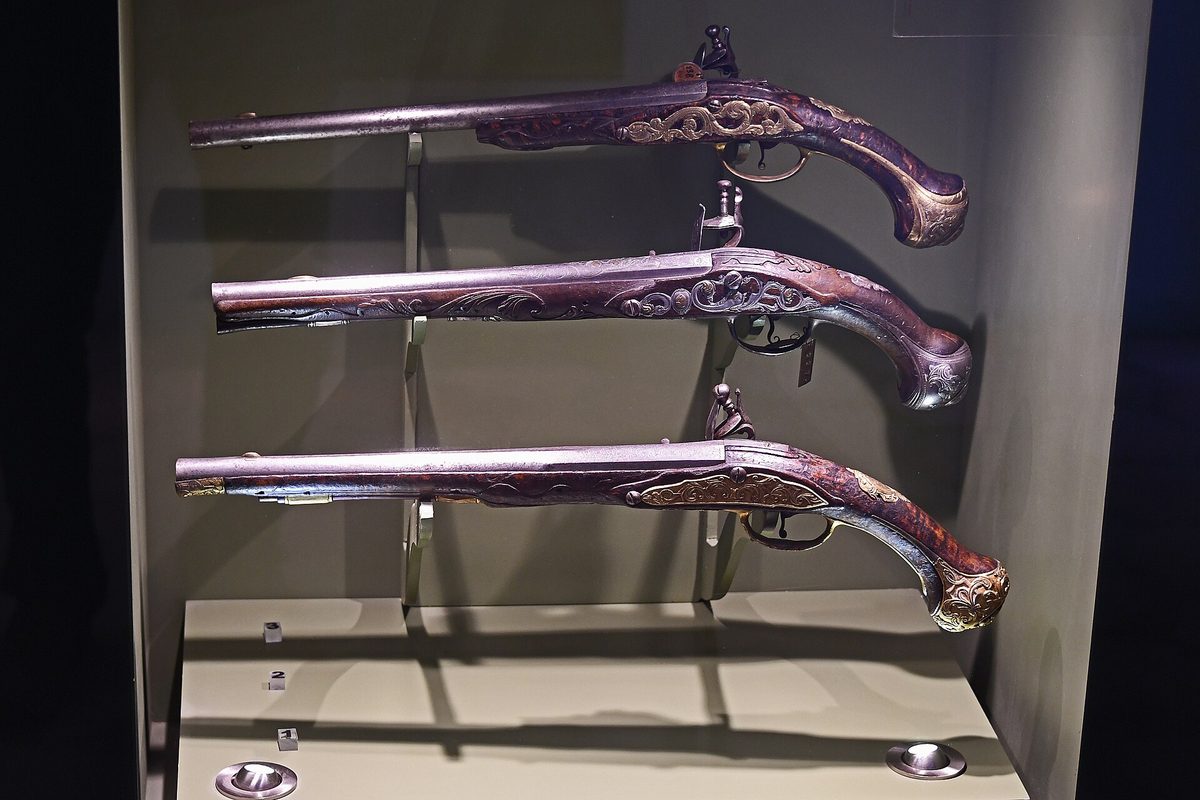
The pass covers thirteen Ministry of Culture sites, and the ones that matter most for a typical visitor are Topkapı Palace with the Harem and Hagia Irene (2,750 TL combined at the gate), the Istanbul Archaeology Museums (€15), the Turkish and Islamic Arts Museum (€17), Galata Tower during daylight hours only (€30 after 18:30 is a separate paid session), and Rumeli Hisarı (€6). Beylerbeyi Palace (800 TL) and the Galata Mevlevi Lodge (€7) are also covered, along with several smaller sites most visitors have never heard of and will not go out of their way to visit on a first trip.
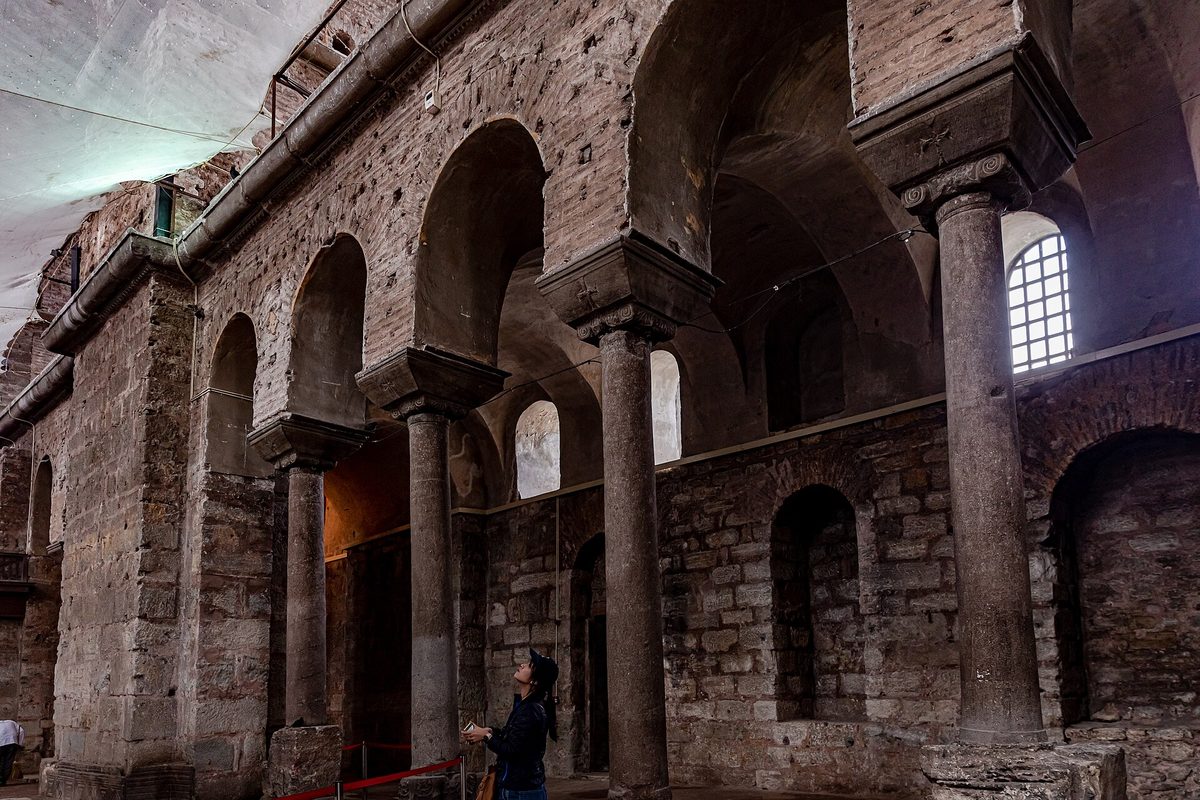
A handful of these smaller inclusions are worth naming specifically, because they are exactly the kind of site a Museum Pass holder ends up visiting purely because it is “free” once the card is already paid for, and several of them turn out to be genuinely worthwhile rather than a consolation prize. Hagia Irene, inside Topkapı’s outer courtyard, is a rarely visited Byzantine church with excellent acoustics, occasionally used for concerts, and is skipped by most visitors rushing straight to the Treasury. The Great Palace Mosaic Museum would ordinarily belong on this list but is currently closed for restoration with no announced reopening date, a genuine loss for pass value that has quietly reduced what thirteen-site coverage actually delivers in practice.
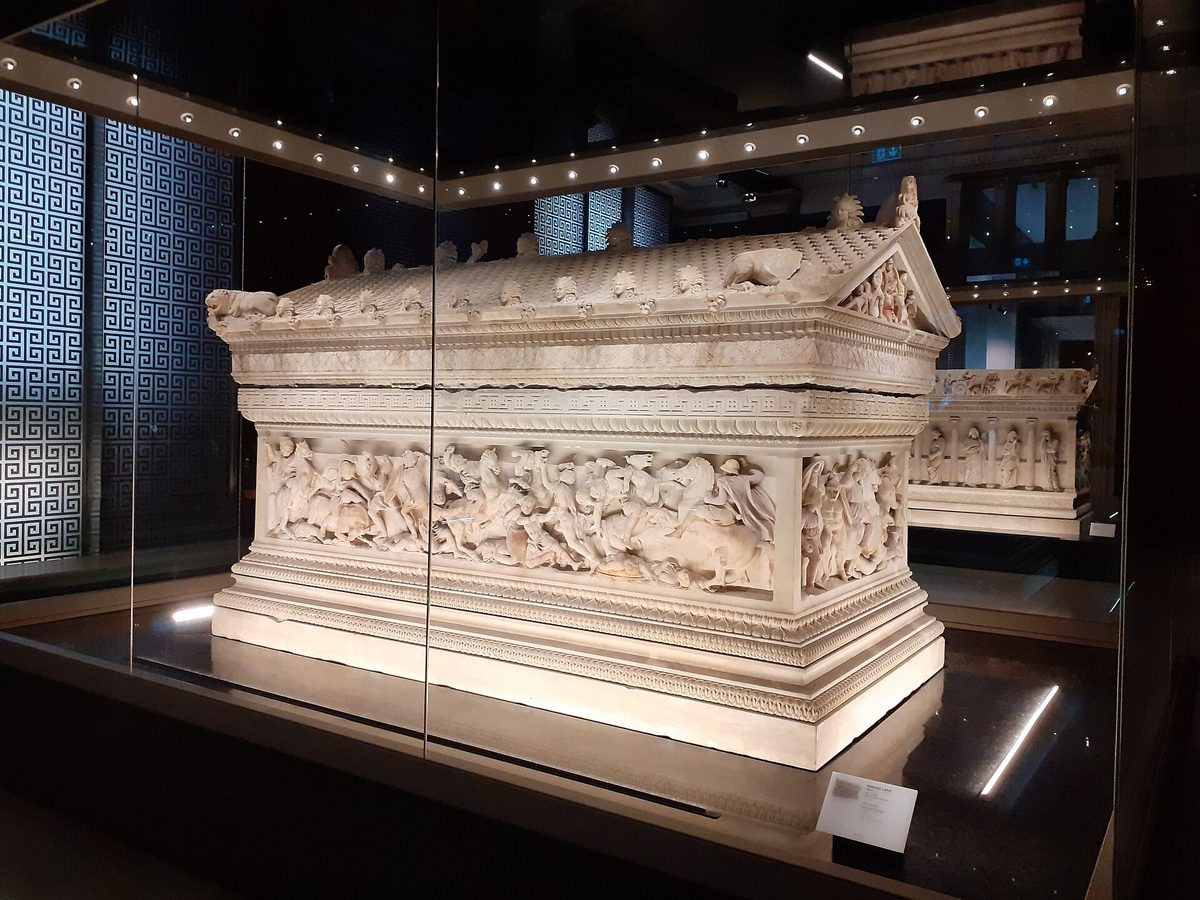
Add up gate prices for Topkapı, the Archaeology Museums, the Turkish and Islamic Arts Museum, Galata Tower and Rumeli Hisarı and you are already past what the pass costs on its own — 2,750 TL plus roughly €15, €17, €30 and €6. That is the pass’s real selling point: it pays back comfortably if you are the kind of traveller who will genuinely do four or five museums inside five days. Most visitors are not, and buy it out of optimism about how many museums they will realistically want to see on a holiday that also includes mosques, bazaars and a Bosphorus ferry.

What the Museum Pass does not cover, and why it catches people out
Four sites are excluded, and they are the four most visitors specifically travel to Istanbul to see. Hagia Sophia is out — it operates under its own ticketing regardless of the pass, a rule unchanged since the gallery-route ticket was introduced in January 2024. The Basilica Cistern is out, because it is run by the municipality rather than the Ministry of Culture; the same municipal-versus-ministry split takes Şerefiye Cistern off the list too, though at €16 it is a smaller loss. Dolmabahçe Palace is out, because National Palaces (Millî Saraylar) runs an entirely separate operation from the Ministry of Culture sites the pass actually covers. Chora (Kariye Mosque) is out as well, following its 2024 reconversion to an active mosque.
The pattern underneath all four exclusions is the same: the pass covers exactly one government body’s own sites, and Istanbul’s most famous attractions happen to be split across at least three separate operators — the Ministry of Culture, the İstanbul Büyükşehir Belediyesi (the municipality, which runs the Basilica Cistern), National Palaces, and the Diyanet (which oversees active mosques including the reconverted Chora and, functionally, Hagia Sophia). No single pass on the market, government or private, bridges all four of these operators’ ticketing systems into one product, which is worth understanding as a structural fact about how Istanbul’s heritage sites are run rather than a marketing failure specific to the Museum Pass.
Between them, those four sites cost roughly €25 (Hagia Sophia) + €35 (Basilica Cistern) + €35 (Dolmabahçe) + €20 (Chora) at the gate — over €100 a head that the pass does nothing for. If your list is built around these four rather than around museums, the pass is close to worthless for you regardless of how many days you have.
The price discrepancy: €105 or 6,500 TL?
Two long-running Istanbul guide sites and the Ministry’s own resellers have been quoting roughly €105 through much of 2026; a separate widely read source quotes 6,500 TL, which at September 2026’s exchange rate works out closer to €115. That is not necessarily a contradiction — it looks like a currency lag, where the lira-denominated figure was set when the lira was somewhat stronger and has not yet been revised to match the euro price the ministry actually intends to charge foreign visitors. Buy directly at muze.gov.tr, in the official Müze Kart app, or at the desk of any covered museum, and pay attention to which currency you are actually being charged in before you complete the purchase — the difference between the two figures is real money, not a rounding error.
Is the Istanbul Museum Pass worth it? The break-even maths
Work out your actual list before you buy, not after. If your plan already includes Topkapı Palace, that alone is 2,750 TL — more than a third of the pass price at either quoted figure. Add the Archaeology Museums and the Turkish and Islamic Arts Museum, both genuinely worthwhile and both usually skipped by visitors racing between the “big four,” and you have already covered the pass’s cost through three sites most people would enjoy anyway rather than visit purely to make the numbers work.
The honest failure mode: a visitor buys the pass expecting it to function like an all-access city pass, spends their five days mostly at Hagia Sophia, the Blue Mosque, the Basilica Cistern and Dolmabahçe — none of which the pass touches — and uses it at Topkapı alone, effectively paying a premium over the gate price for the privilege of carrying a card. If your itinerary genuinely has four or more covered sites in it, buy the pass. If it has one or two, pay at each gate and save the difference.
Istanbul e-Pass: the private-transfer bundle
The Istanbul e-Pass runs in tiers from roughly €125 for two days up to around €245 for a week, per current pricing on the official seller’s own site, and its headline feature is a bundled private airport transfer — valued at roughly €55 on the seller’s own comparison table — rather than public transport access. This is a meaningfully different product from the Museum Pass, aimed at visitors who want door-to-door convenience from the airport folded into a single purchase alongside attraction access and, on some tiers, a Bosphorus cruise inclusion. It does not include an Istanbulkart-style unlimited transport allowance, so budget separately for getting around the city day to day regardless of which tier you buy.
The value case for the e-Pass rests almost entirely on how much you would otherwise pay for a private airport transfer plus the specific attractions it bundles — if you were already planning to book a private car from the airport and visit several of the included sites regardless, stacking those costs against the e-Pass tier price is a fair comparison. If you were planning to take the M11 metro or a shared Havaist shuttle instead, the private-transfer value the pass is selling you is one you were never going to pay for in the first place, which erases a large part of its apparent saving.
Istanbul Tourist Pass: the widest bundle, with the biggest caveat
The Istanbul Tourist Pass is priced by day count, from about €149 for one day up to €299 for a full week, according to the official seller’s current price list, and includes an airport shuttle credit valued around €12 as part of the base price. The detail worth knowing before you buy: an unlimited public-transport card is a separate paid add-on, roughly €26, not something folded into the headline price the way the marketing can make it sound. This is the widest of the bundled passes in terms of attraction and tour access, and also the one where reading the actual inclusions list carefully matters most, since the gap between what the price implies and what it actually contains is the largest of any pass covered here.
Where this pass genuinely earns its price is for a visitor who intends to do a large volume of paid tours and attractions in a short window — a Bosphorus cruise, several museums, a hop-on-hop-off bus, a whirling dervish show — rather than a more selective, museum-focused visitor the Museum Pass suits better. Add up the gate price of everything you would genuinely book anyway across your specific day count and compare that total directly against the tier price before buying; the pass’s own marketing materials list a headline “value” figure that assumes you would otherwise pay full individual retail for every single inclusion, which is rarely how an actual, selective traveller books a trip.
Welcome Card and MegaPass: the smaller options
The Welcome Card runs roughly €85 to €135 depending on tier, and MegaPass starts from about €79 for seven days — both narrower bundles that are worth comparing directly against your specific attraction list rather than assumed to be automatically cheaper because the headline number is lower. A narrower pass covering fewer sites at a lower price is not necessarily better value than the Museum Pass if the sites it covers are not the ones you actually want to see; run the same break-even maths against each one’s own inclusion list, printed on the seller’s own site, before choosing between them.

A worked example: three visitors, three different verdicts
Consider three plausible five-day trips and how the maths actually plays out for each. The first visitor’s list is Hagia Sophia, the Blue Mosque, the Basilica Cistern, Topkapı and Dolmabahçe — the classic Sultanahmet-and-Bosphorus itinerary. Of those five, only Topkapı is covered by the Museum Pass; the other four are split between “not on any Ministry list” and simply excluded by policy. This visitor should skip the Museum Pass entirely and pay Topkapı’s 2,750 TL at the gate, saving the roughly €105–115 the pass would have cost for a single covered site.
The second visitor adds the Archaeology Museums, the Turkish and Islamic Arts Museum and Rumeli Hisarı to a similar core list, specifically because they enjoy museums and are visiting for six days rather than three. That is four covered sites — Topkapı, the Archaeology Museums, the Turkish and Islamic Arts Museum and Rumeli Hisarı — against gate prices of roughly 2,750 TL, €15, €17 and €6, comfortably clearing the pass’s own cost. This visitor should buy it.
The third visitor is doing a fast, sight-dense 48-hour trip squeezed around a business commitment, with time for at most two or three major sights total. Even if those two or three happen to be Museum Pass sites, the five-day validity window is largely wasted on a trip this short, and paying at the gate for exactly what gets visited is both simpler and, in most two-or-three-site combinations, cheaper than the pass. Match the pass not just to your list, but to how many days you actually have to use it in.
Which pass, if any, should you buy?
For most first-time visitors whose list is built around Hagia Sophia, the Blue Mosque, the Basilica Cistern, Topkapı and Dolmabahçe, the honest answer is none of the museum-focused passes — pay at each gate, since three of those five headline sights are excluded from every pass on this list regardless of brand. For a visitor whose interests skew toward museums specifically — the Archaeology Museums, the Turkish and Islamic Arts Museum, Rumeli Hisarı, a wider spread of Ministry sites — the Museum Pass earns its price within four visits. For a visitor who wants a single bundled purchase covering a private airport transfer, a wide mix of attractions and tours, and does not want to price-compare every individual ticket, the Istanbul e-Pass or Istanbul Tourist Pass are the more honest fit, provided you have actually read what “transport included” means on the specific tier you are buying. There is no shame in the answer being “none of them” for a large share of first-time visitors — paying at the gate for a short, curated list of sights remains the simplest and often cheapest approach, and every pass on this page exists to serve a narrower, more specific kind of traveller than the average first-time visitor actually is.
Why there are so many different Istanbul passes
Part of the confusion between these products is structural rather than accidental. The Museum Pass is a government product, run by the Ministry of Culture and Tourism specifically for its own network of sites; the e-Pass, Tourist Pass, Welcome Card and MegaPass are all privately operated commercial bundles built on top of a mix of ministry sites, municipal attractions, private museums and third-party tours and transfers, each assembled by a different company with its own commercial incentive to make its bundle look as comprehensive as possible in marketing copy. None of the private passes has any special arrangement that makes them cheaper at the gate than paying individually would be for a narrowly targeted list — their value proposition is convenience and a single purchase, not a hidden discount unavailable any other way, and it is worth approaching every one of them with that framing rather than assuming “pass” automatically means “saving.”
How the passes actually work once you have bought one
The Museum Pass is issued as a physical card or a QR code in the Müze Kart app, activated on first use rather than on the day of purchase — buy it a few days before your trip if that suits your schedule better, since the five-day, 120-hour clock only starts running when you first tap in at a covered site, not when you pay. At each site, present the card or app QR code at the entrance rather than queuing at the ticket counter, which is a genuine time saving at Topkapı specifically, where the ticket queue and the entrance queue are physically separate and the pass lets you skip the former.
The private passes generally work the same way in practice — a QR code or a physical card scanned at each participating attraction — but the specific redemption process varies more between operators, since each is integrating with a different set of third-party venues and tour operators rather than a single government ticketing system. Read the voucher or confirmation email carefully for each individual inclusion on a private pass, since some require a separate booking or time-slot reservation even once you technically hold the pass, which is not how the Museum Pass works at its own thirteen sites.
Passes for children, students and families
Museum Pass pricing is aimed at adult foreign visitors; children’s entry to most of the covered sites is free or heavily discounted at the gate regardless of whether an adult in the group holds a pass, which means a family should price individual child tickets against the adult pass cost rather than assuming a family bundle exists on the government product. International student cards occasionally unlock discounted gate pricing at specific sites independent of any pass — worth asking about at each ticket counter if you hold a valid ISIC card, since it is not consistently advertised and varies site to site. None of the private passes covered here specifically build in a family-tier discount structure either, so the same logic applies: price your family’s actual list against each pass’s adult cost before assuming a bundle is the cheaper route for a group.
How to buy the Museum Pass legitimately
Buy directly at muze.gov.tr, through the official Müze Kart mobile app, or at the ticket desk of any covered museum — Topkapı’s own gate sells it alongside standard tickets. Avoid third-party “skip the line” resellers advertising the Museum Pass at a markup with no clearer inclusion list than the official channel provides; there is no legitimate advantage to buying through one of these over the ministry’s own channels, and several exist purely to capture search traffic for “Istanbul Museum Pass” with an affiliate markup attached.
Payment through the official app and website generally accepts major international cards without issue, and the pass is issued instantly rather than requiring postal delivery or an in-person pickup before your trip — a genuine convenience over some of the private passes, which occasionally require a voucher exchange or a specific collection point once you land. Keep a screenshot of your confirmation regardless of which channel you buy through, since a phone with no signal at a museum entrance is a poor moment to discover your only proof of purchase was an email you cannot currently load.
What to skip, and what is overrated
Buying the Museum Pass “just in case.” Covered above in detail — work out your actual list first. A pass bought on optimism and used at one site is a worse deal than paying gate prices for that one site alone.
Assuming any pass covers Hagia Sophia. None of them do, at the time of writing. This is the single most common point of confusion across every pass on this page, not just the Museum Pass.
Buying from a reseller because the pass “looked official.” The genuine channels are muze.gov.tr, the Müze Kart app, and the desk of any covered museum. A domain that is not one of these, however professional it looks, is adding a markup for nothing.
Treating “transport included” on the Tourist Pass as unlimited public transport. It is an airport shuttle credit on the base price; the unlimited transport card is a separate paid add-on. Read the specific tier’s inclusions rather than the marketing headline.
Buying a seven-day pass for a three-day trip. Every pass on this page is priced per duration tier; matching the tier to your actual trip length is a straightforward way to avoid paying for days you will not use.
Buying a private pass purely for the “total value” figure in its own marketing. That figure assumes full retail price on every single inclusion, which is not how a selective traveller actually books a trip. Price your own realistic list against the tier cost instead of the seller’s comparison table.
Assuming the Great Palace Mosaic Museum is open because it is listed as a Museum Pass inclusion somewhere online. It has been closed for restoration with no announced reopening date; a pass covering it on paper is not the same as the site being visitable.
Frequently asked questions
Is the Istanbul Museum Pass worth it?
Only if you will genuinely visit at least four of the thirteen covered sites within five days. It excludes Hagia Sophia, the Basilica Cistern, Dolmabahçe and Chora, which is what surprises most people who buy it expecting broader coverage.
How much does the Istanbul Museum Pass cost?
Roughly €105 at most current sellers, though at least one widely read source quotes 6,500 TL, closer to €115 at September 2026’s exchange rate. Check which currency you are actually being charged before completing the purchase.
What is included in the Istanbul Museum Pass?
Thirteen Ministry of Culture sites, most notably Topkapı Palace with the Harem and Hagia Irene, the Istanbul Archaeology Museums, the Turkish and Islamic Arts Museum, Galata Tower in daylight only, Rumeli Hisarı and Beylerbeyi Palace.
Does the Museum Pass cover Hagia Sophia?
No. Hagia Sophia operates under its own separate ticketing and is not included in any version of the Museum Pass.
What is the difference between the Museum Pass and the Istanbul Tourist Pass?
The Museum Pass is a narrower, cheaper bundle of Ministry of Culture museum sites with no transport component. The Istanbul Tourist Pass is broader and pricier, includes an airport shuttle credit, and sells unlimited public transport as a separate paid add-on rather than including it in the base price.
Can I buy the Museum Pass at the airport?
The pass itself is sold at muze.gov.tr, the Müze Kart app, and covered museum desks rather than at the airport specifically. Buy your Istanbulkart at the airport for transport, and the Museum Pass separately once you know your museum plan.
Does the Museum Pass cover Dolmabahçe Palace?
No. Dolmabahçe is run by National Palaces (Millî Saraylar), a completely separate operation from the Ministry of Culture sites the Museum Pass covers.
Is there a cheaper alternative to the Museum Pass?
MegaPass starts from around €79 for seven days and the Welcome Card from about €85, but both cover a different, narrower set of sites — price your own specific attraction list against each pass’s actual inclusions rather than assuming the lower headline number is automatically the better deal.
When does the Museum Pass’s five-day clock start?
From your first use at a covered site, not from the date of purchase. You can buy it a few days before your trip and it will not start counting down until you actually tap in somewhere.
Can I use the Museum Pass to skip queues?
Generally yes at sites like Topkapı, where the ticket-buying queue and the entrance queue are physically separate — a pass holder goes straight to the entrance line rather than queuing twice.
Do private tourist passes offer better value than paying individually?
Only if you would genuinely have booked most of what they include anyway at full price. Add up the gate cost of your actual planned list first, then compare it to the pass tier price, rather than trusting the pass seller’s own “total value” marketing figure.
Knowing which museums the pass actually covers matters more than the pass itself for most visitors. Our best museums in Istanbul guide names 25 worth knowing about beyond Hagia Sophia and Topkapı, and flags which are Museum Pass sites and which are not.