Before You Go ·
Is Istanbul Worth Visiting? Istanbul for Families, Couples, Solo Travellers, Seniors & Everyone Else
An honest verdict on Istanbul: the reasons it earns the hype, the downsides most lists leave out, and whether it suits families, couples, solo travellers, seniors and everyone else.
In this guide 19 sections
- Is Istanbul worth visiting?
- Seven reasons Istanbul earns the hype
- The honest downsides of visiting Istanbul
- What surprises first-time visitors
- Is Istanbul overrated?
- Is Istanbul worth visiting for first-timers?
- Istanbul for couples
- Is Istanbul good for families with kids?
- Istanbul for solo travellers and solo women
- Istanbul for seniors and travellers with limited mobility
- Istanbul for LGBTQ+ travellers
- Istanbul for budget travellers
- Food rules and dietary needs
- Istanbul compared with other city breaks
- Is Istanbul worth it as a cruise stop or a short layover?
- Who should skip Istanbul
- How many days is Istanbul worth?
- Istanbul or Cappadocia
- Frequently asked questions
The people who come back from Istanbul disappointed usually did the same thing: three days in Sultanahmet, the same five sights as everyone else, a carpet shop they never meant to enter, and a taxi driver who took the long way. The people who come back wanting to move there took a ferry.
Is Istanbul worth visiting? Yes, for almost everyone, provided you plan around its two big weaknesses: crowds at the headline sights and a lot of walking on hills. Few cities pack this much history, food and everyday street life into one trip, on two continents joined by cheap ferries. It suits curious, active travellers best, and rewards three to five days.
That is the short verdict. The rest of this page is the long one: the reasons the city earns its reputation, the downsides most “10 reasons to visit” lists leave out, and an honest call for families, couples, solo travellers, seniors, travellers with limited mobility, LGBTQ+ visitors and anyone on a budget. Where something makes Istanbul a poor fit for you, it says so.
Is Istanbul worth visiting? The verdict by traveller type
| Traveller | Verdict | Best base | Watch out for |
|---|---|---|---|
| First-timers | Yes, strongly | Sultanahmet or Karaköy | Over-planning the old city, touts |
| Couples | Yes | Galata, Cihangir, a Bosphorus hotel | Overpriced “romantic” dinner cruises |
| Families with kids | Yes, with planning | Sultanahmet or Kadıköy | Hills, buggies on cobbles, summer heat |
| Solo travellers | Yes | Karaköy, Kadıköy | Bar and “new friend” scams at night |
| Solo women | Yes, with the usual big-city care | Karaköy, Kadıköy, Moda | Unwanted attention in the tourist core |
| Seniors | Yes, at a slower pace | Sultanahmet (flat-ish), a hotel near a tram stop | Steep streets, long queues standing |
| Wheelchair users | Possible, but hard work | A flat area near the T1 tram | Cobbles, kerbs, steps, patchy lifts |
| LGBTQ+ travellers | Yes, discreetly | Beyoğlu, Cihangir, Kadıköy | Public affection; Pride is banned |
| Budget travellers | Yes, but not as cheap as it was | Kadıköy, Fatih | Euro-priced museum tickets |
Each verdict is explained below. If you only read one section, read “the honest downsides”: it is where most of the bad trips start.
Seven reasons Istanbul earns the hype
1. Two thousand years of history you can walk into
Most cities have a famous old building. Istanbul has a Roman racetrack, Byzantine churches, a Genoese tower and an Ottoman palace within a short walk of each other, plus land walls that held for a thousand years. Hagia Sophia alone has been a cathedral, a mosque, a museum and a mosque again. If you like history at all, this is one of the best places in the world to be, and our guide to Istanbul history for visitors puts the sights in order so they make sense together.
2. The ferries
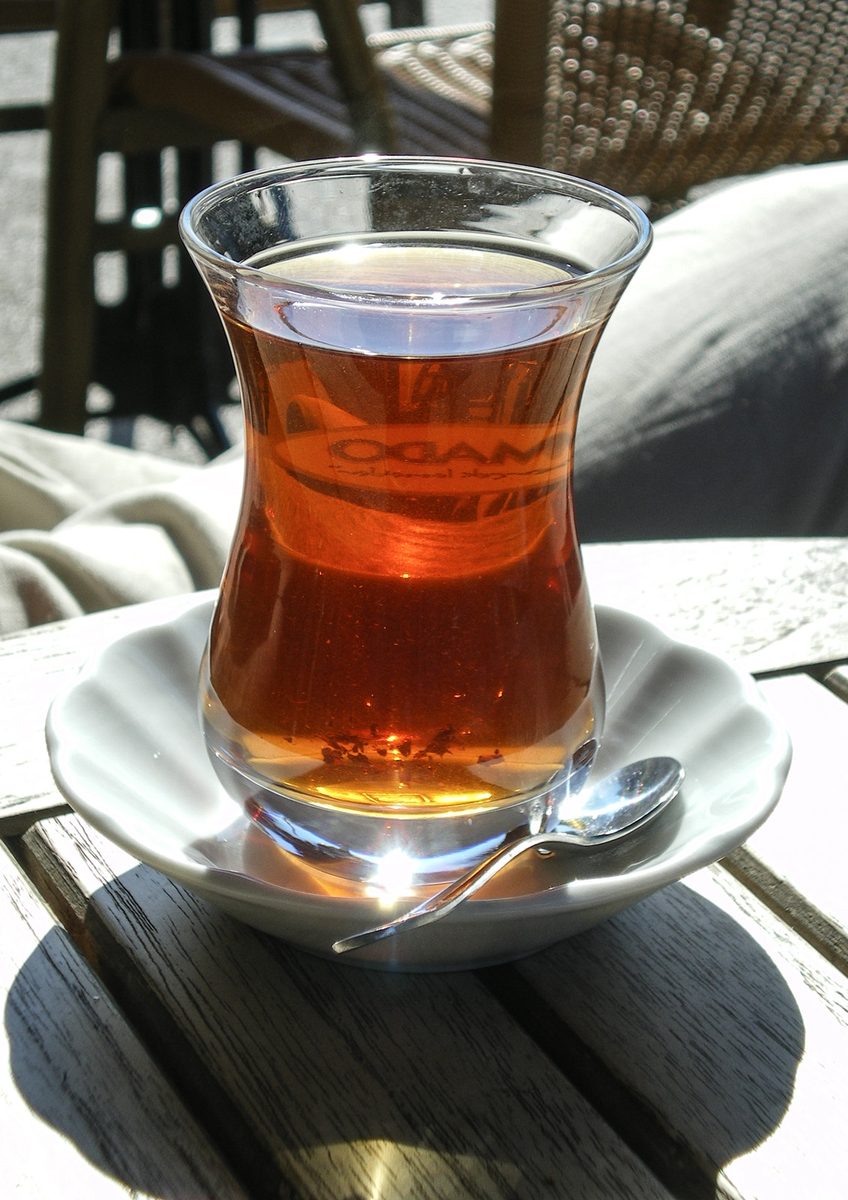
Istanbul’s best attraction costs the price of a transport fare. The commuter ferries cross between Europe and Asia all day, every day, and twenty minutes on the open deck with a glass of tea, gulls overhead and the old city’s skyline sliding past is the moment most visitors remember longest. You do not need a tour for this. Our Bosphorus cruise guide compares the public boats with the private ones.

3. The food
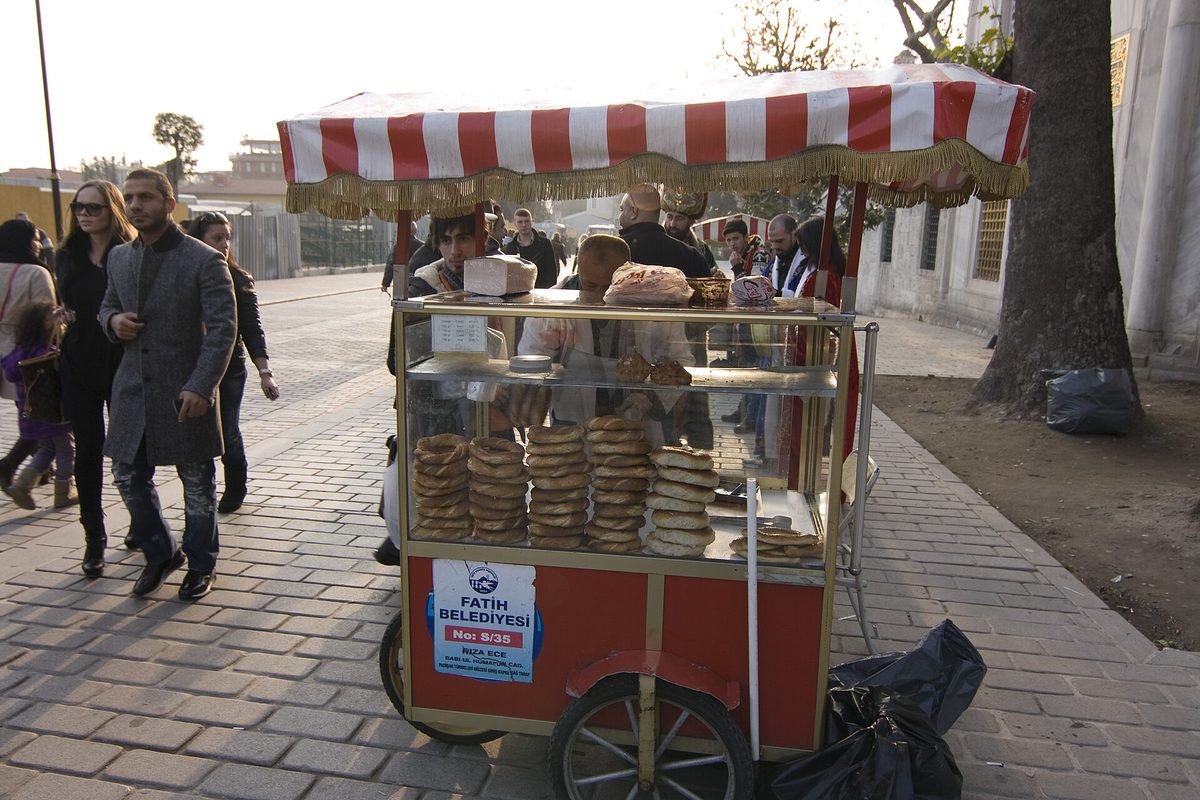
Istanbul eats well at every price. Simit from a street cart for breakfast, a fish sandwich by the water at lunch, a long meyhane dinner of meze and rakı, a Kadıköy breakfast spread that takes up the whole table. The city draws on the cooking of the whole former empire, from the Balkans to the Black Sea to the southeast, and you can eat brilliantly without ever booking a table. Start with our guide to what to eat in Istanbul.
4. Neighbourhoods that feel like different cities
Sultanahmet is monuments. Beyoğlu is bars, galleries and the old embassy quarter. Balat is colourful houses and the Greek Patriarchate. Kadıköy, across the water, is where Istanbul’s students, young families and food lovers actually spend their evenings. Beşiktaş is football and fish. The variety means a five-day trip never feels repetitive, and the Asian side in particular changes most people’s picture of the city.
5. Real city life, not a museum town
Some famous historic cities empty out at night and feel like stage sets. Istanbul is a working metropolis of more than fifteen million people, and the tourist core is a small corner of it. You eat next to office workers, share the ferry with schoolchildren and walk past cats asleep on shop counters. That everyday life is a big part of the appeal, and it is free.

6. Value, still, if you plan
Istanbul is not the bargain it was a few years ago, but public transport, street food, mosques, markets and ferries are still cheap or free, and mid-range hotels cost less than in most Western European capitals. The expensive parts are the foreign-visitor museum tickets and anything sold to tourists in Sultanahmet. Our is Istanbul expensive? guide has a full daily budget at three levels.
7. An easy hub for the rest of Turkey and beyond
Istanbul Airport is one of the busiest hubs between Europe and Asia, so the city slots into longer trips, and a long layover can even become a short visit (our Istanbul layover guide explains how). Cappadocia, Ephesus and the coast are a short domestic flight away, which makes Istanbul a natural start or finish to a Turkey trip.
The honest downsides of visiting Istanbul
None of these is a reason to stay away. All of them are reasons trips go wrong.
The crowds at the headline sights
Istanbul received just under 19 million foreign visitors in 2025, according to the city’s provincial culture and tourism directorate, and a large share of them want to see the same four places on the same mornings. Hagia Sophia, the Blue Mosque, Topkapı and the Basilica Cistern can have long queues from spring to autumn. The fix: be at the first of them at opening, do the others on different days, and spend the busy middle of the day somewhere the tour groups do not go.
Hills, cobbles and a lot of walking
Istanbul is built on hills, and the interesting parts are often at the top of a steep cobbled lane. Expect long days on your feet: the old city alone involves a lot of walking between sights, and Galata, Cihangir and Balat are steep. Good shoes are not optional. Trams, funiculars and ferries help, and our getting around Istanbul guide shows how to use them to save your legs.
Traffic
Road traffic is among the worst you will meet in Europe, and a taxi that looks quick on the map can take an hour at rush hour. The answer is to treat rail and ferries as your default, and taxis as the exception.
Touts, scams and the hard sell
The tourist core has a well-worn set of tricks: the shoe-shiner who drops his brush, the friendly stranger who wants to show you “his cousin’s” carpet shop, the bar where a pleasant evening with new acquaintances ends with an enormous bill, and the taxi that takes the scenic route. None is dangerous, and all are easy to avoid once you know them. Our Istanbul travel tips list them, along with tipping and bargaining norms.
Two-tier pricing and a moving currency
Turkey’s state museums charge foreign visitors far more than residents, and many of the big sights price their foreign tickets in euros. Meanwhile, the lira has lost value fast in recent years, so lira prices for food, transport and hotels change often. Neither should put you off, but they mean old blog posts quote figures that are no longer true, and a visit built around many paid monuments adds up quickly.
Summer heat and haze
July and August are hot, humid and the busiest months, which is the worst combination for long days of walking between monuments. Spring and autumn are better on almost every count. See our best time to visit Istanbul guide for month-by-month weather and crowds.
Safety and the bigger risks
Istanbul is not a dangerous city for visitors in the ordinary sense, and the UK Foreign Office advises against travel only to within 10 km of the Syrian border, nowhere near Istanbul. Its advice does say that terrorists are likely to try to carry out attacks in Turkey, that regular demonstrations take place in Istanbul, and that pickpocketing and street robbery are common in tourist areas. Read your own government’s current advice before you go (the UK’s is on gov.uk; Americans should check travel.state.gov).
Istanbul also sits in an earthquake zone. A magnitude 6.2 earthquake under the Sea of Marmara in April 2025 was felt strongly in the city, and Turkish seismologists have warned for years that a larger one will come, without being able to say when. For a short visit the practical response is the ordinary one: know where your hotel’s exits are and follow local instructions if anything happens.
What surprises first-time visitors
Expectations shape how a trip feels, and a few things catch almost everyone off guard.
- The size. The historic peninsula is compact, but the city around it is enormous, stretching for tens of kilometres along both shores. A trip across town is a journey, so group your days by area.
- How varied it is. Within one ferry ride you go from conservative Fatih to Kadıköy’s bars and record shops. Neither is “the real Istanbul”; both are.
- The call to prayer. Five times a day, from every mosque at once. Most visitors end up loving it; light sleepers next to a minaret need earplugs for the dawn call.
- Prayer-time closures. Working mosques, including Hagia Sophia and the Blue Mosque, pause visits for prayers, and Friday midday is the big one. Plan mosque visits for mornings and mid-afternoons.
- The hospitality. Shopkeepers offer tea, strangers give directions and walk you halfway there, and restaurant staff make a fuss of children. Most of it is just kindness; the touts are the exception, and they cluster in Sultanahmet.
- Cards and cash. Cards work in most shops, restaurants and hotels, and contactless bank cards are accepted at ferry gates, but you still want some lira for street food, small cafés, tips and the hamam attendant.
Is Istanbul overrated?
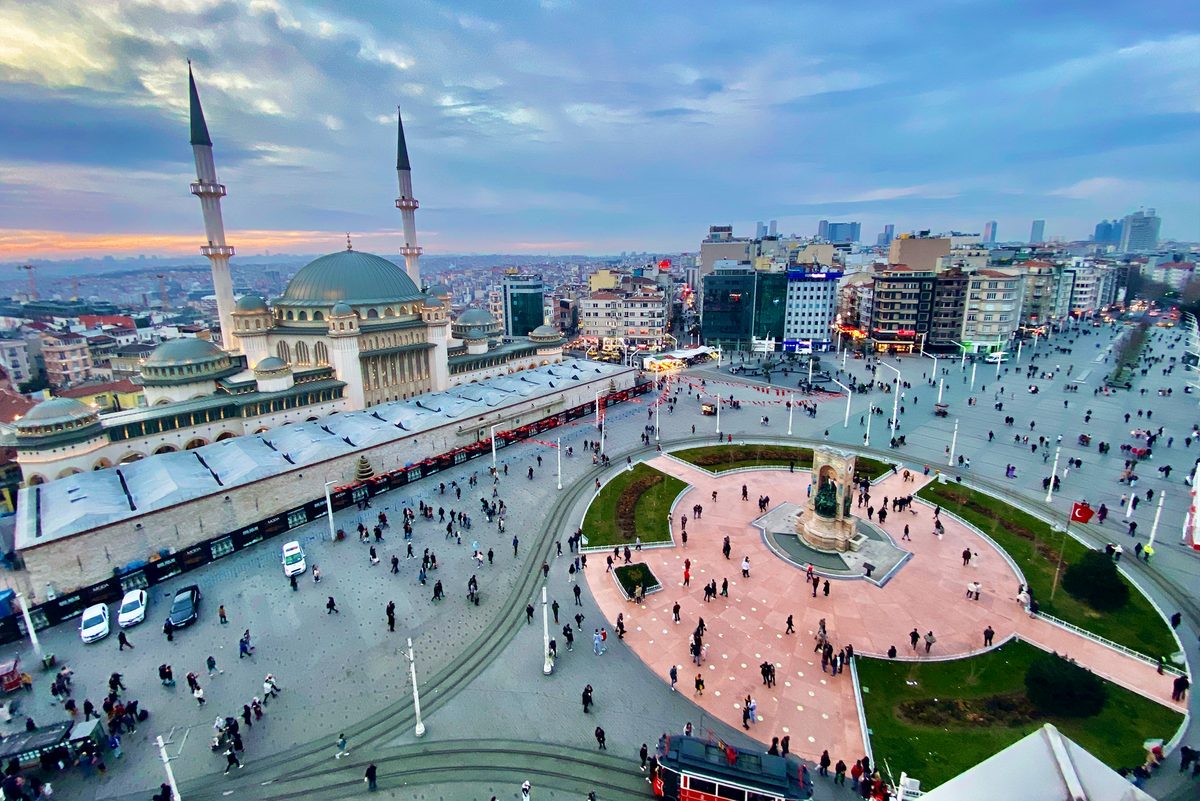
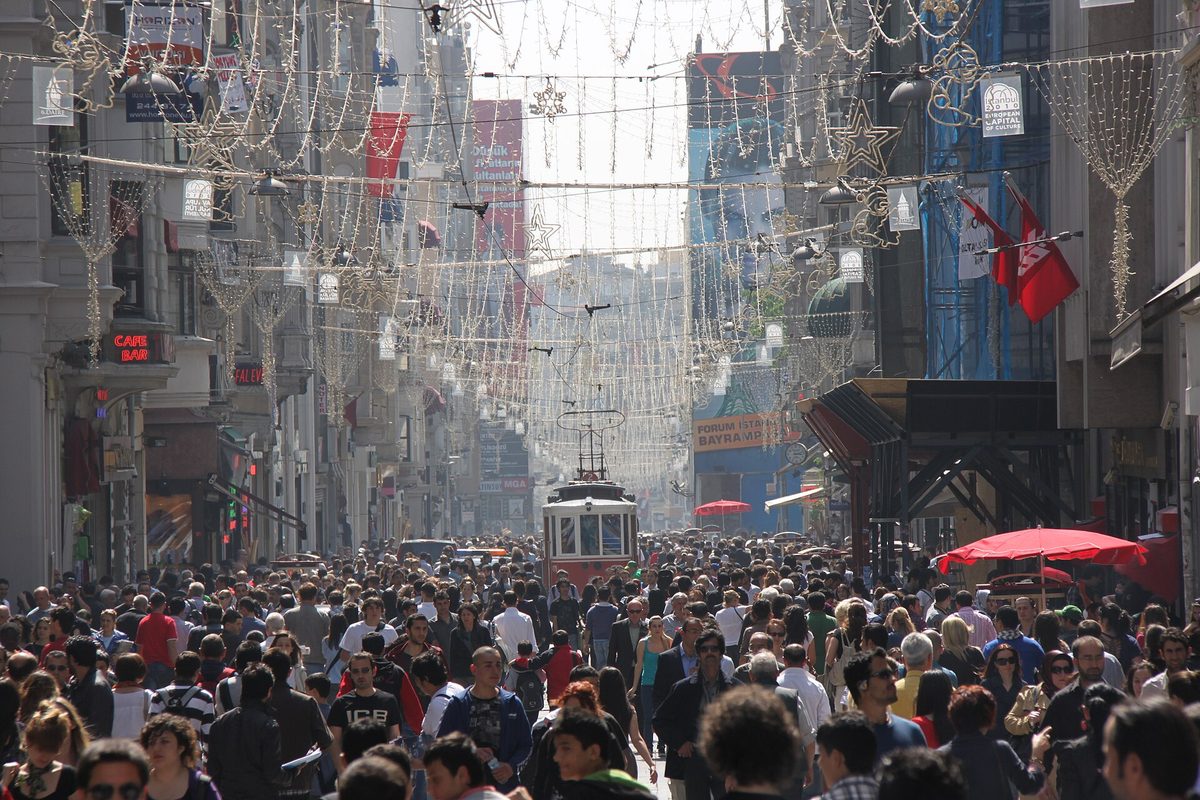
Parts of it are. İstiklal Avenue on a weekend afternoon is a shoulder-to-shoulder crush of chain shops. The tourist streets of the Grand Bazaar sell the same mass-produced lamps and towels you see everywhere. Galata Tower’s queue is long for a view you can get from a rooftop café. Taksim Square is a transport hub, not a sight. And plenty of people find the Basilica Cistern’s light show more theme park than history.
But overrated sights do not make an overrated city. Hagia Sophia’s galleries, the Süleymaniye’s terrace, the Chora’s mosaics, a ferry at sunset and dinner in Kadıköy are every bit as good as their reputations. The trick is to give the famous places a morning each, not your whole trip. Our things to do in Istanbul guide ranks the sights honestly, including which to skip.
Is Istanbul worth visiting for first-timers?
Yes, and it is one of the easier big cities to get right on a first trip: the main sights are close together, the tram links them, and English is widely spoken wherever visitors go. The classic mistake is to stay in Sultanahmet, see its sights and leave, which is like visiting London and only seeing Westminster.
A good first trip splits time between the old city, Galata and Beyoğlu, and the Asian side, with at least one ferry ride and one long meal. Our Istanbul itinerary lays out plans for two to five days, and the where to stay guide explains which area suits which kind of trip. Check the visa rules for your passport early; many nationalities no longer need one, but several stale websites still tell them they do.
Istanbul for couples
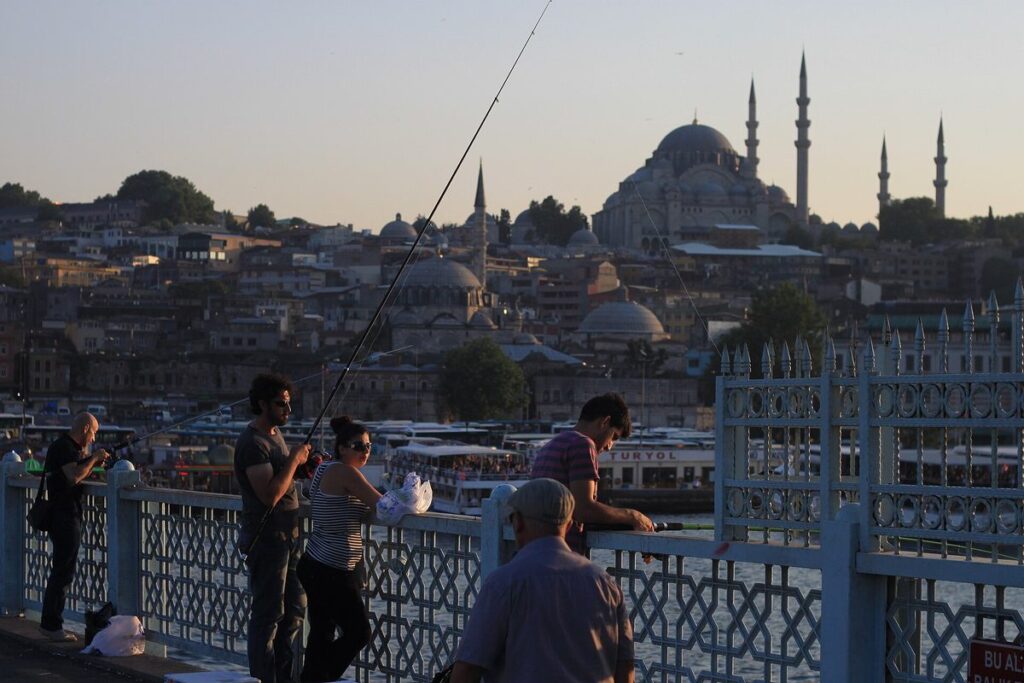
Istanbul is a very good couples’ city, more for its atmosphere than for anything sold as romantic. Sunset from the Galata Bridge with the minarets in silhouette, a hamam visit (couples can find mixed or private options, though most historic hamams separate men and women), a long dinner on a terrace in Galata, a day on the Princes’ Islands without cars, and an evening ferry back across the water all do the job.

What to skip: the dinner-and-belly-dance cruises sold hard in Sultanahmet. Some are fine, but you pay a lot for set menus and a show, and an ordinary ferry at sunset followed by a good restaurant ashore is better and cheaper. For an evening out, see our Istanbul nightlife guide.
Is Istanbul good for families with kids?
Yes, with planning. Turkish culture is very warm towards children: waiters fuss over them, strangers talk to them, and kids are welcome in restaurants late into the evening. The hard parts are physical. Hills and cobbles are tough with a buggy (a baby carrier is much easier), summer heat wears small children out fast, and the big monuments are a lot of standing around for a six-year-old.
What works for children:
- Ferries, which almost every child loves, and the car-free Princes’ Islands for a day of bikes, beaches and space to run.
- The Rahmi M. Koç Museum on the Golden Horn at Hasköy, a transport and industry museum with a submarine, planes, trams and boats. It is closed on Mondays.
- Miniatürk, a park of scale models of Turkish landmarks, also closed on Mondays.
- Istanbul Aquarium in Florya, out towards the old airport, and KidZania, the role-play city for children; check its website for age limits.
- The Basilica Cistern (dark, watery and atmospheric) and the Topkapı Palace grounds, where there is room to wander.
A family day that works: one monument first thing, while everyone is fresh; an early lunch of pide or köfte, which almost every child will eat; a ferry ride in the afternoon heat, when the breeze on deck beats any air-conditioned museum; then simit and ice cream on the waterfront at Kadıköy or Ortaköy before an early dinner. Two sights a day is plenty with young children, and the ferry counts as one of them.
One correction to older guides: the LEGOLAND Discovery Centre, Sea Life aquarium and Madame Tussauds in Istanbul all closed permanently at the end of 2024, so ignore family itineraries and city passes that still list them. At the National Palaces, which include Topkapı and Dolmabahçe, children aged 6 and under go free.
Istanbul for solo travellers and solo women
Istanbul is an easy city to travel alone. Public transport is good, hostels and small hotels are plentiful in Karaköy, Galata and Kadıköy, and eating alone at a lokanta counter or a street stall is completely normal. The scams above are aimed squarely at solo travellers, especially men approached at night by friendly strangers who suggest a particular bar. Choose your own bar and you avoid it.
Solo women generally find Istanbul manageable, with the same care you would take in any very large city. Unwanted attention is most common in the tourist core, from touts and shop staff, and least common in neighbourhoods like Kadıköy and Moda, where you are just another person on the street. Dressing a little more conservatively in the old city helps, and you will need a scarf for mosques anyway. Take registered taxis or ride-hailing at night rather than accepting lifts.
Istanbul for seniors and travellers with limited mobility
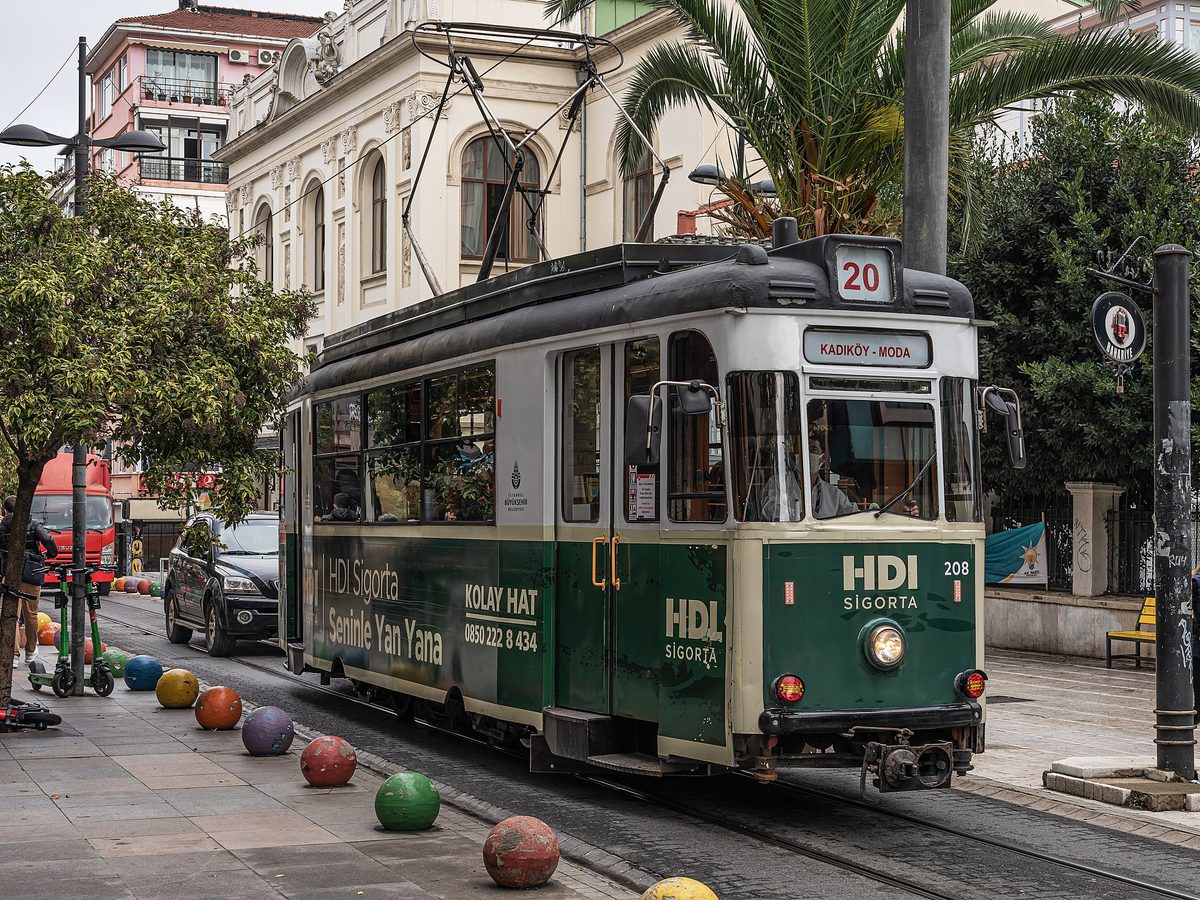
Istanbul is very rewarding for older travellers who take it slowly, and harder work for anyone who cannot manage steps and slopes. The good news is that the core of Sultanahmet, around the Hippodrome, Hagia Sophia and the Blue Mosque, is relatively flat and paved, and the T1 tram runs along the spine of the old city, so you can ride between sights rather than walk. Ferries are an easy way to see a lot while sitting down.
The bad news is everything else: steep cobbled streets in Galata, Cihangir and Balat; high kerbs; uneven pavements; and mosques and monuments with steps at the door. Lifts at metro stations and access to individual sights vary, so check the operator’s own information for each place you plan to visit before you go. Practical ways to make it easier:
- Stay in a hotel close to a T1 tram stop or a ferry pier, and confirm lifts and step-free entry with the hotel directly.
- Do one major sight in the morning and keep afternoons light.
- Use taxis for hilly hops (Karaköy to Galata, Eminönü to the Süleymaniye) and save your energy for the sights themselves.
- Avoid July and August, when the heat makes everything harder.
Wheelchair users can visit Istanbul, but it takes real planning and often a specialist operator or an accessible private driver. If you want a city where you can roll around spontaneously, Istanbul will frustrate you.
Istanbul for LGBTQ+ travellers
Same-sex relationships have been legal in Turkey since 1858, and Istanbul has the country’s most visible LGBTQ+ scene, concentrated in Beyoğlu, Cihangir and parts of Kadıköy. Most LGBTQ+ visitors have an uneventful trip. The climate has hardened, though: authorities have banned or dispersed Istanbul Pride every year since 2015, with arrests in recent years, and there is no legal recognition of same-sex couples. The sensible approach is discretion in public, particularly with affection, and a check of your government’s travel advice before you go; the UK’s covers LGBT+ travellers specifically.
Istanbul for budget travellers
Istanbul is still good value if you travel the way locals do. Public transport is cheap with an Istanbulkart, street food and lokanta lunches cost little, ferries are among the best-value sightseeing anywhere, and many of the city’s great buildings, from the Blue Mosque and the Süleymaniye to the bazaars, are free. The squeeze comes from euro-priced tickets for the big state museums and from hotel prices in high season. Spend on two or three paid sights you really care about, enjoy the free ones properly, and base yourself in Kadıköy or Fatih rather than central Sultanahmet.
Food rules and dietary needs
Eating is one of the best reasons to go, and most diets are easy to manage. Meat is halal by default almost everywhere, and Muslim travellers will find prayer facilities at every turn. Vegetarians do better than they expect: meze spreads, lentil soup, stuffed vegetables cooked in olive oil, börek, gözleme and the vegetable dishes at lokanta counters cover a lot of ground, although you should ask about meat stock in soups and stews. Vegans need a little more care, because butter and yoghurt turn up in many dishes, but Kadıköy and Beyoğlu have plenty of places that cater for them.
Alcohol is easy to find in Beyoğlu, Galata, Karaköy and Kadıköy, in meyhanes, bars and shops. It is much harder to find in conservative districts such as Fatih and around some of the big mosques, where many restaurants do not serve it at all. Neither situation is a problem once you know which is which.
Istanbul compared with other city breaks
If you are choosing between Istanbul and another big European or Mediterranean city, think about what kind of trip you want rather than which city is “better”.
- For history, Istanbul stands with Rome and Athens, with the difference that its monuments are still in use: you walk into working mosques and a living patriarchate rather than only ruins and museums.
- For food, it is in the top rank, and especially strong at the cheap end: the street food and lokanta lunches are as good as anything you will eat on a city break.
- For ease, it is harder work than a compact, flat city. The scale, the hills, the traffic and the touts all ask more of you than, say, a long weekend in Lisbon’s or Barcelona’s centre.
- For variety, few cities match it. Two continents, a working waterway, a dozen very different neighbourhoods and island day trips mean a second visit feels nothing like the first.
Is Istanbul worth it as a cruise stop or a short layover?
A single day from a cruise ship or a long layover is enough for a taste, not a visit. Cruise ships dock at Galataport in Karaköy, right on the water and a short tram ride from Sultanahmet, which makes a one-day visit easy to organise. Pick one area and do it well: either the old city’s big three (Hagia Sophia, the Blue Mosque and the Hippodrome), or a Bosphorus ferry and lunch in Karaköy. Trying to do both in a few hours means spending most of the day in queues. Anyone who enjoys their day will want to come back for longer, which is the best argument for doing less of it properly.
Who should skip Istanbul, or wait
Istanbul is not for everyone. You might be happier elsewhere if:
- you want a beach holiday: Istanbul has swimming spots, but it is a city break, and the Turkish coast is a short flight away;
- you dislike crowds and noise and are not willing to get up early or leave the tourist core to avoid them;
- you cannot manage hills and steps and would rather not plan every day around access;
- you only have one day and no wish to come back: you will see the outside of things and spend much of it in queues.
Visiting in winter is a different case. Istanbul in January and February is grey, cold and wet, but the queues shrink, hotels are much cheaper, and a city of tea houses, hamams and meyhanes is well suited to bad weather. For a museum-and-food trip, winter is underrated.
How many days is Istanbul worth?
Three full days covers the essentials: one for the old city’s monuments, one for the bazaars, Süleymaniye and the Golden Horn, and one for a Bosphorus ferry and the Asian side. Four or five days lets you add Balat, the land walls, the Princes’ Islands and some slow time, which is when most people start to love the place. Two days is enough to see the headline sights but not much else. The day-by-day itinerary shows how to fit each length.
Istanbul or Cappadocia, or both?
They are completely different trips, and most first-time visitors to Turkey do both. Istanbul is the big city: monuments, food, nightlife and water. Cappadocia, in central Anatolia, is a landscape of rock chimneys, cave churches and the balloon flights everyone has seen on social media. If you only have four days, give them to Istanbul; with a week, give Istanbul four or five days and Cappadocia two or three. Our Istanbul to Cappadocia guide compares flights, overnight buses and tours.
Frequently asked questions
Is Istanbul worth visiting?
Yes. Istanbul combines world-class history, excellent food, neighbourhoods with very different characters and cheap ferries between Europe and Asia. Plan around the crowds and the hills, give it three to five days, and most visitors leave wanting to come back.
Is Istanbul overrated?
Some sights are, such as the Galata Tower queue, İstiklal’s chain shops and the tourist streets of the Grand Bazaar. The city as a whole is not. Visit the famous places early, then spend your time on ferries, in Kadıköy, Balat and the Süleymaniye, and at long meals.
Is Istanbul safe for tourists?
For most visitors, yes. The UK Foreign Office does not advise against travel to Istanbul, but it warns of a terrorism threat across Turkey, demonstrations in Istanbul and pickpocketing in tourist areas. Check your own government’s current advice before you travel.
How many days do you need in Istanbul?
Three days for the essentials, four to five to see the city properly, including the Asian side, Balat and a Bosphorus ferry. Two days is possible but rushed.
Is Istanbul good for families with kids?
Yes. Children are made very welcome, and ferries, the Princes’ Islands, the Rahmi M. Koç Museum, Miniatürk and the aquarium work well for them. Bring a carrier rather than a buggy, avoid midsummer heat, and keep monument visits short.
Is Istanbul good for solo female travellers?
Generally, yes, with normal big-city care. Expect some unwanted attention from touts in the tourist core, dress a little more conservatively in the old city, use registered taxis at night, and consider staying in Karaköy or Kadıköy.
Is Istanbul wheelchair accessible?
Only partly. The old city’s core is relatively flat and the T1 tram runs through it, but steep cobbled streets, kerbs and steps make much of the city hard going. Check access with each sight and hotel in advance.
Is Istanbul worth visiting in winter?
Yes, if you are happy with grey, cool and often wet weather. Queues shrink, hotel prices drop sharply, and museums, hamams, tea houses and restaurants make it a good season for a city break.
Should I visit Istanbul or Cappadocia?
Ideally both. With only a few days, choose Istanbul for its depth; with a week, spend four or five days in Istanbul and two or three in Cappadocia.