Things to Do ·
40 Free Things to Do in Istanbul (and the Nearly-Free Ferry Trick)
Forty things in Istanbul that cost nothing, from the Blue Mosque and the Süleymaniye to the bazaars, the land walls, Balat, Moda and free sunset spots, plus the commuter-ferry trick.
In this guide 15 sections
- Free things to do in Istanbul at a glance
- Free mosques, churches and places of worship
- Free history in the open air
- Free markets and bazaars
- Free neighbourhood walks
- Free parks and viewpoints
- Free culture
- The nearly-free ferry trick
- Free Istanbul by season
- Free things to do with children
- Eating well for very little
- Saving on the paid sights
- Things that look free but aren’t
- A free day in Istanbul
- Frequently asked questions
Istanbul’s paid sights add up fast. Hagia Sophia’s gallery route, Topkapı, the cistern and Galata Tower are all charged to foreign visitors, several in euros. The good news is that a great deal of what makes the city special costs nothing at all.
The best free things to do in Istanbul are its great mosques, including the Blue Mosque and the Süleymaniye, the Grand and Spice bazaars, the Hippodrome’s ancient monuments, walks through Balat, Galata and Kadıköy, and sunset views from the Galata Bridge and the Asian shore. Add a commuter ferry for little more than a bus fare and you have a full trip.
Below are forty free things, grouped by type, with what each is, when to go and what to watch out for. After them come the “nearly free” ferry trick, a few things that look free but aren’t, and a sample free day. Everything here is free to enter; where a place asks for a donation, it says so.
Free things to do in Istanbul at a glance
| Area | Free highlights | Best for |
|---|---|---|
| Sultanahmet | Blue Mosque, Hippodrome, Little Hagia Sophia, Gülhane Park | History without tickets |
| Bazaar quarter and Eminönü | Grand Bazaar, Spice Bazaar, Rüstem Paşa, Süleymaniye, Sahaflar | Markets and Ottoman mosques |
| Fatih, Fener and Balat | Patriarchate, St Stephen, the land walls, Mihrimah Sultan, Wednesday market | Neighbourhood walks |
| Galata and Beyoğlu | Galata Bridge, Kamondo Steps, İstiklal’s arcades, SALT, Cihangir | Street life and free culture |
| Beşiktaş and the Bosphorus | Ortaköy Mosque, Yıldız Park, the shore walk to Bebek | Waterside walking |
| Asian side | Kadıköy market, Moda, Kuzguncuk, Üsküdar shore, Çamlıca Hill | Local life and sunsets |
| Golden Horn | Eyüp Sultan Mosque, Pierre Loti hill | Views and pilgrimage |
Free mosques, churches and places of worship
Istanbul’s mosques are its greatest free attraction. The mosques below are working mosques, free to visit outside the five daily prayers. Cover shoulders and knees, women cover their hair, take your shoes off at the door, and avoid Friday around midday. Our Istanbul history and culture guide explains mosque etiquette in full.
1. The Blue Mosque
The Sultan Ahmed Mosque, built in the early seventeenth century, is free and one of the most beautiful interiors in the city, with its blue İznik tiles and low ring of lamps. Go in the morning, between prayers, when the queue at the visitor entrance is shortest.
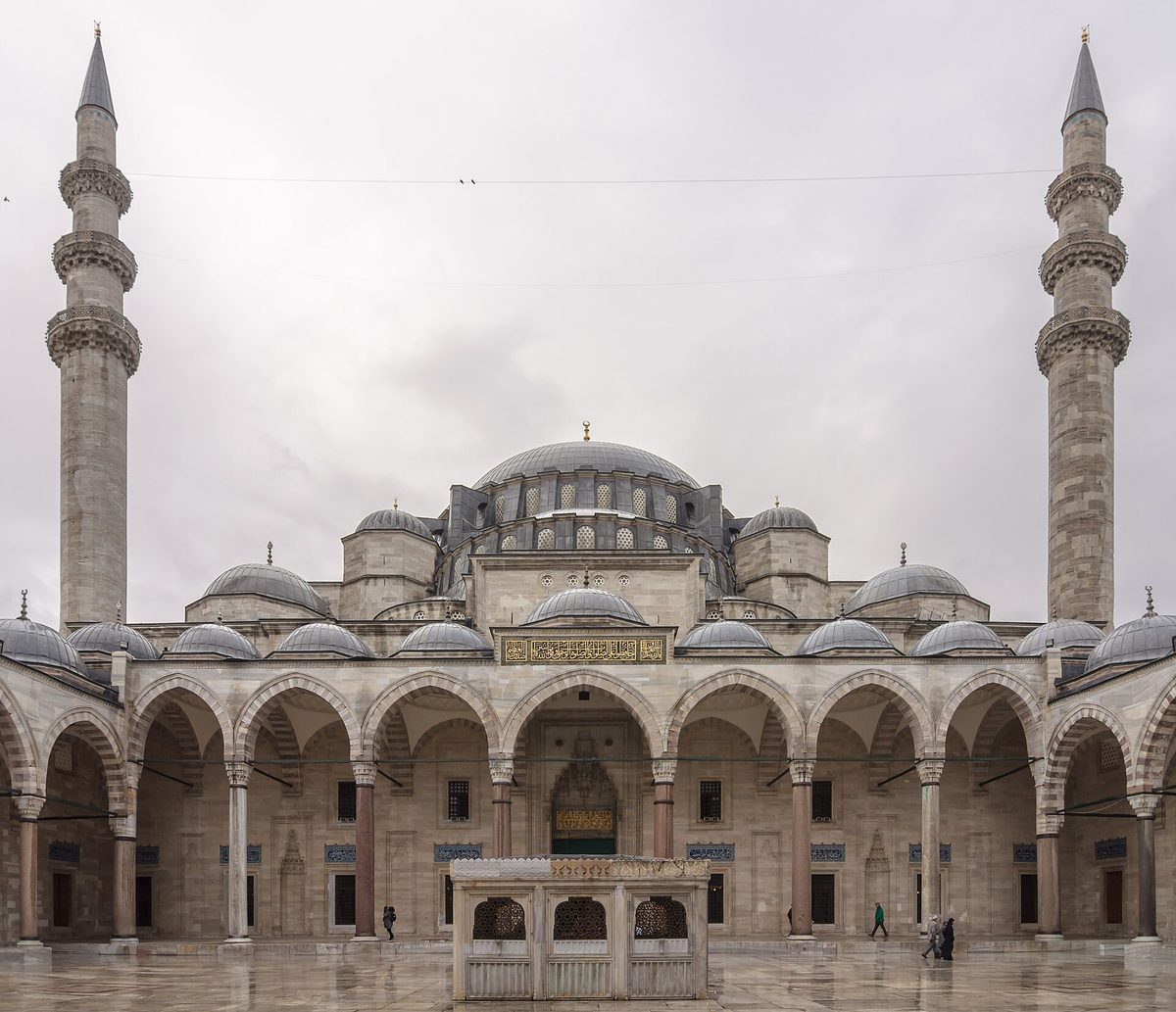
2. The Süleymaniye Mosque
Mimar Sinan’s masterpiece for Süleyman the Magnificent, finished in 1557, is free, calm and far less crowded than the Blue Mosque. Don’t miss the cemetery behind it, where Süleyman and his wife Hürrem lie in their tombs, or the terrace view over the Golden Horn.
3. Rüstem Paşa Mosque
Up a flight of stairs from the market streets of Eminönü, this small Sinan mosque for Süleyman’s grand vizier is lined inside with İznik tiles you can look at from a few centimetres away. Easy to miss, and one of the best free things in the old city.
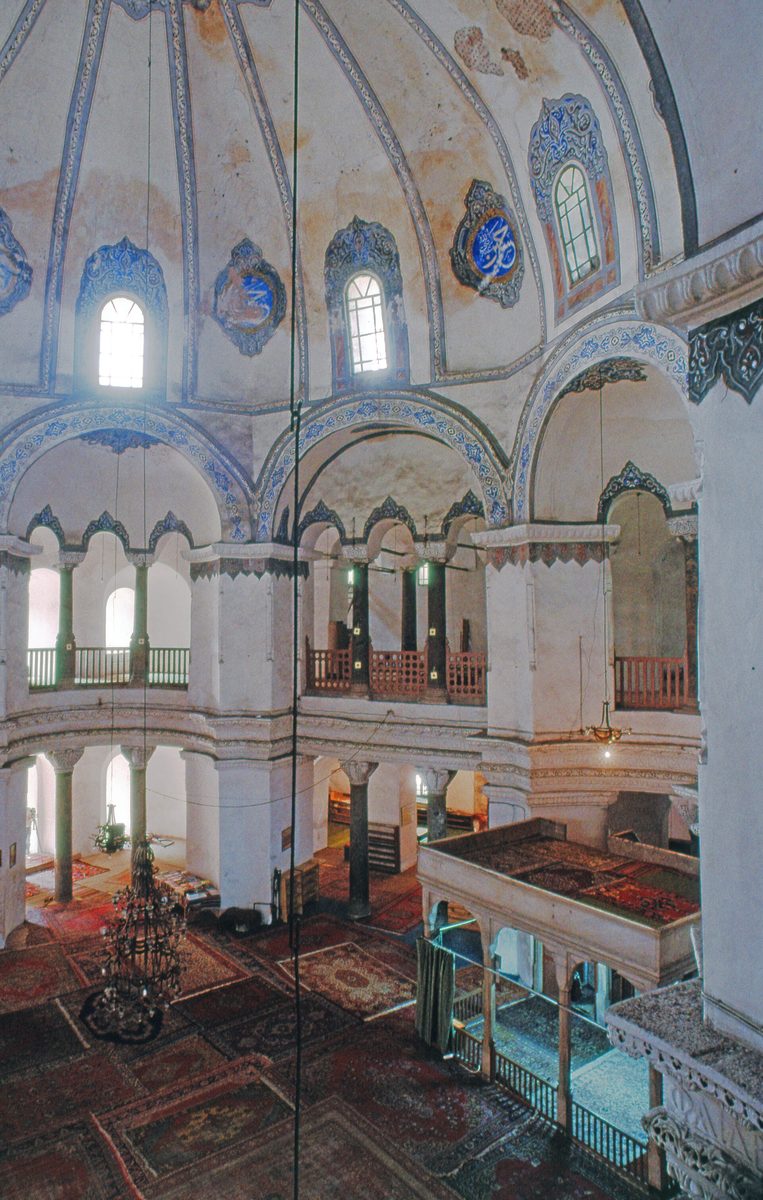
4. Little Hagia Sophia
The former church of Saints Sergius and Bacchus, built under Justinian just before Hagia Sophia, is now a mosque, free to visit and usually peaceful. Its courtyard has a tea garden, and it is a ten-minute walk downhill from the Blue Mosque.
5. The New Mosque, Eminönü
The big mosque at the end of the Galata Bridge, by the Spice Bazaar, is the one every ferry passenger sees. Step inside between prayers, then sit on its steps with the pigeons and watch Eminönü’s crowds.
6. The Şehzade Mosque
One of Sinan’s first great imperial mosques, built for one of Süleyman’s sons, near the Valens Aqueduct. Hardly anyone visits it, which is reason enough.
7. Mihrimah Sultan Mosque, Edirnekapı
Sinan’s mosque for Süleyman’s daughter stands on a high hill by the land walls, and its walls are pierced by so many windows that the interior is flooded with light. Combine it with the walls and the Chora nearby.
8. Eyüp Sultan Mosque
Up the Golden Horn, this is one of the holiest places in Istanbul, built over the tomb of Abu Ayyub al-Ansari, a companion of the Prophet. The courtyard is full of pilgrims and families, and it is a very different experience from the tourist mosques. Dress and behave with extra care.
9. Ortaköy Mosque
The small, ornate mid-nineteenth-century mosque on the water with the Bosphorus Bridge behind it is one of the city’s most photographed views. Free to enter outside prayer times; see our Beşiktaş and Ortaköy guide for the rest of the shore.
10. Büyük Çamlıca Mosque
The huge modern mosque on Çamlıca Hill on the Asian side, opened in 2019, is free to visit and sits beside one of the city’s best viewpoints (number 36 below).
11. The Bulgarian St Stephen Church, Balat
The “iron church” on the Golden Horn shore at Balat was prefabricated from cast iron in the late nineteenth century and assembled here. There is no entrance fee, but donations are welcome. Hours are not always regular, so check before you go.
12. The Ecumenical Patriarchate, Fener
The seat of the Ecumenical Patriarch of Constantinople, senior bishop of the Orthodox world, is a small compound in Fener around the church of St George. Visitors can usually enter the church, which is full of icons and relics, quietly and modestly dressed; hours vary around services and feast days, so check with the Patriarchate before you go.
13. St Antoine, İstiklal Avenue
The red-brick Catholic church of St Anthony of Padua sits back from İstiklal behind a courtyard. It is a working church and a quiet escape from the crowds outside. Visit outside services and check the times posted at the gate.
Free history in the open air
14. The Hippodrome monuments
The long square in Sultanahmet was Constantinople’s chariot-racing stadium, and three monuments still stand on its central line: the Egyptian Obelisk of Theodosius, the bronze Serpent Column from Delphi, and the rough Walled Obelisk. Look closely at the carved base of the obelisk, which shows the emperor at the races.

15. Sultanahmet Square between the two giants
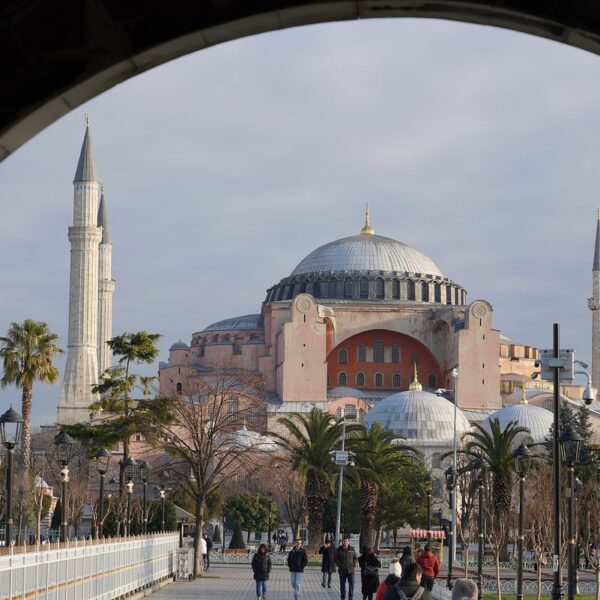
The garden between Hagia Sophia and the Blue Mosque is one of the great free views of the world: two of the most famous buildings anywhere, facing each other across a fountain. Come at dusk, when both are lit, and sit on a bench.
16. The Column of Constantine
At the Çemberlitaş tram stop, a blackened, iron-banded column rises above the traffic. Constantine raised it when he dedicated his new capital in 330, and it has survived fires, earthquakes and the city growing up around it.
17. The Theodosian land walls
The fifth-century walls that defended Constantinople for a thousand years still run across the peninsula from the Sea of Marmara to the Golden Horn. Walking a stretch, past towers, gates and vegetable gardens in the old moat, is one of the best free half-days in the city. Wear good shoes and walk in daylight.
18. The Valens Aqueduct
The late Roman aqueduct striding over Atatürk Boulevard in Fatih is free, impressive and on the way to the Şehzade Mosque and Zeyrek. Walk underneath it for the scale.
19. Gülhane Park
The former outer gardens of Topkapı Palace are now a free public park, shady in summer and full of tulips in spring. Walk down to the far end for a view over the point where the Golden Horn meets the Bosphorus.
Free markets and bazaars
20. The Grand Bazaar
Free to enter and wander, the Grand Bazaar grew from a domed hall begun in the 1450s into a covered maze of streets and old inns. It is closed on Sundays and for religious holidays. Leave the main streets for the hans where craftsmen still work; our Grand Bazaar guide has a route.
21. The Spice Bazaar
The seventeenth-century L-shaped hall in Eminönü is free to walk through, and the stallholders often offer tasters of Turkish delight. The streets around it, where locals buy coffee, cheese and olives, are even better.

22. The market streets of Eminönü and Tahtakale
Between the Spice Bazaar and the Süleymaniye, the steep streets of Tahtakale are the city’s wholesale district: kitchenware, coffee roasters, toys, wedding goods, spices by the sack. It is noisy, crowded and completely real.
23. Sahaflar, the old book bazaar
Through a gate beside the Grand Bazaar on the Beyazıt side, a shady courtyard of second-hand and antiquarian booksellers has been trading on the same spot for centuries. Browsing is free, and the prints and old maps are interesting even if you buy nothing.
24. Kadıköy market
The market streets just up from the Kadıköy ferry pier are one of the best food markets in Istanbul: fishmongers, cheese and olive shops, pickle sellers, delis and bakeries. Looking costs nothing, and some stalls offer samples.
25. The Fatih Wednesday market
Every Wednesday, the streets around the Fatih Mosque fill with a large street market, selling fruit, vegetables, clothes and household goods. It is a working market for local families, not a tourist sight, which is exactly the point.
Free neighbourhood walks
26. Fener and Balat
Colourful houses, steep cobbled lanes, Greek, Armenian and Jewish heritage, and cafés along the Golden Horn: Balat is the city’s favourite free walk. Our Balat guide has the route.
27. Galata and the Kamondo Steps
The lanes around Galata Tower are free even if the tower is not. Look for the Kamondo Steps, an elegant curving staircase from the nineteenth century, paid for by the Camondo banking family, which links Galata to the old bank street below.
28. İstiklal Avenue and its arcades
The long pedestrian street from Taksim to Tünel is a crush at weekends, but its side arcades, from the Çiçek Pasajı to the older passages lined with bookshops and cafés, are a free history of nineteenth-century Pera. See our Beyoğlu guide.
29. Cihangir
Below İstiklal, Cihangir is a hilly neighbourhood of cafés, antique shops, cats and apartment buildings with Bosphorus views. Wander down to the little park by the Cihangir Mosque for a view over the water.
30. Karaköy
The old port district at the bottom of the Galata hill, with its banks, warehouses and cafés, is free to wander, and the waterfront at Galataport is open to the public for a walk along the Bosphorus.
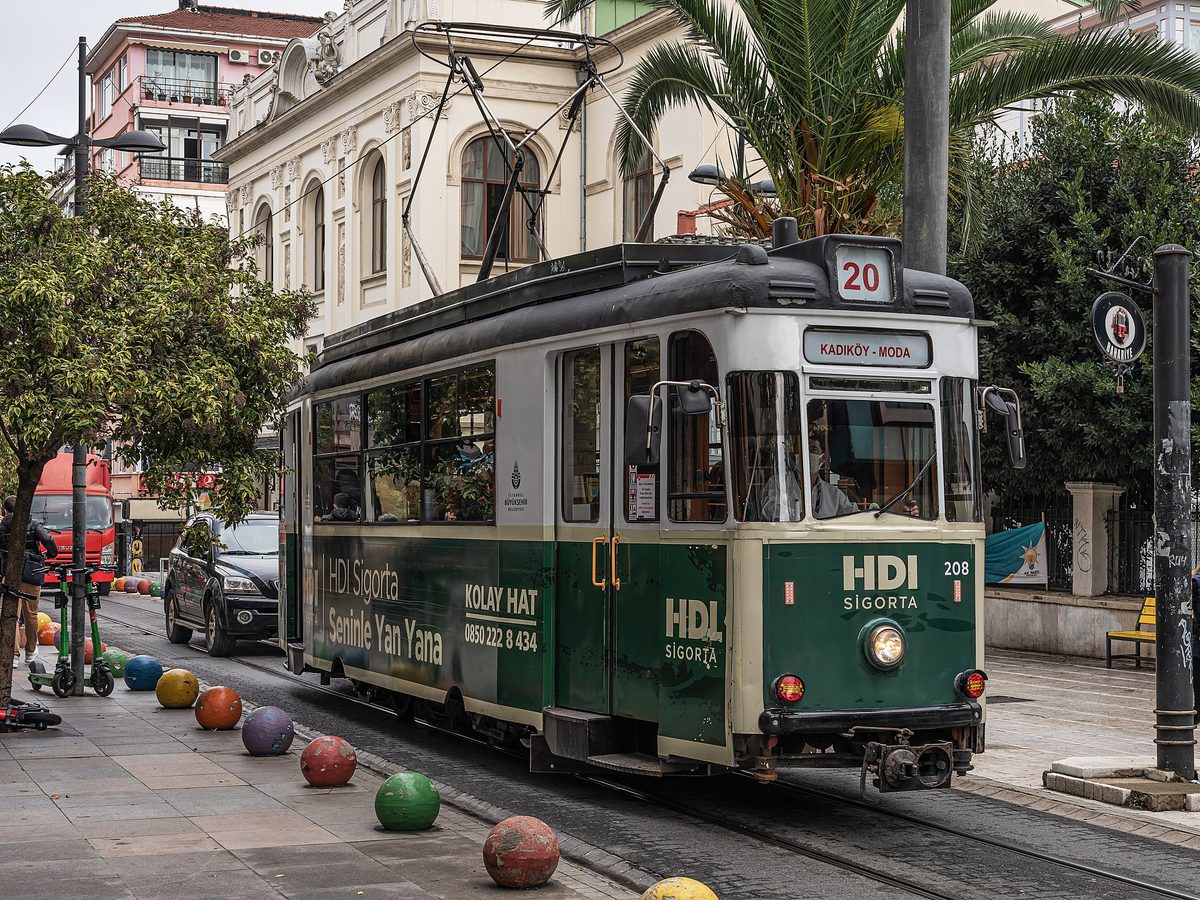
31. Moda seafront
From Kadıköy, walk south to Moda, where a long seafront park and promenade look across the water at the old city. At sunset, half of Kadıköy seems to sit on the rocks here with a drink from the corner shop.
32. Kuzguncuk
A small Bosphorus village on the Asian side, north of Üsküdar, with wooden houses, a mosque, a church and a synagogue within a few minutes of each other. It is quiet, pretty and very local.
33. The shore walk from Ortaköy to Bebek
Follow the European shore of the Bosphorus north from Ortaköy through Kuruçeşme and Arnavutköy to Bebek, with ferries and tankers passing close by. Some of it is a proper promenade, some is the pavement of a busy road; the views are free the whole way.
Free parks and viewpoints
34. The Galata Bridge
Walk across the Galata Bridge between Eminönü and Karaköy, past the lines of fishermen, for one of the best free views in the city: the mosques of the old city on one side, Galata on the other, and ferries everywhere. Best at sunset.

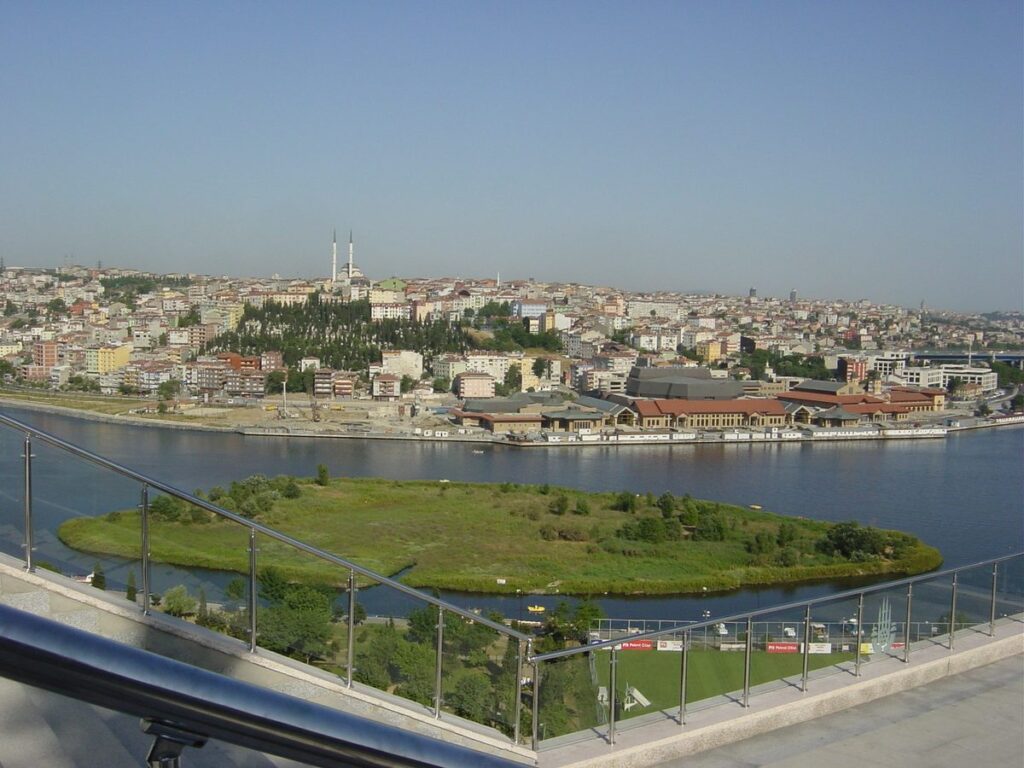
35. Pierre Loti hill, Eyüp
Above the Eyüp Sultan Mosque, a path climbs through a hillside cemetery to the Pierre Loti café and a view down the whole length of the Golden Horn. Walking up is free; the cable car from the bottom is a paid ride.
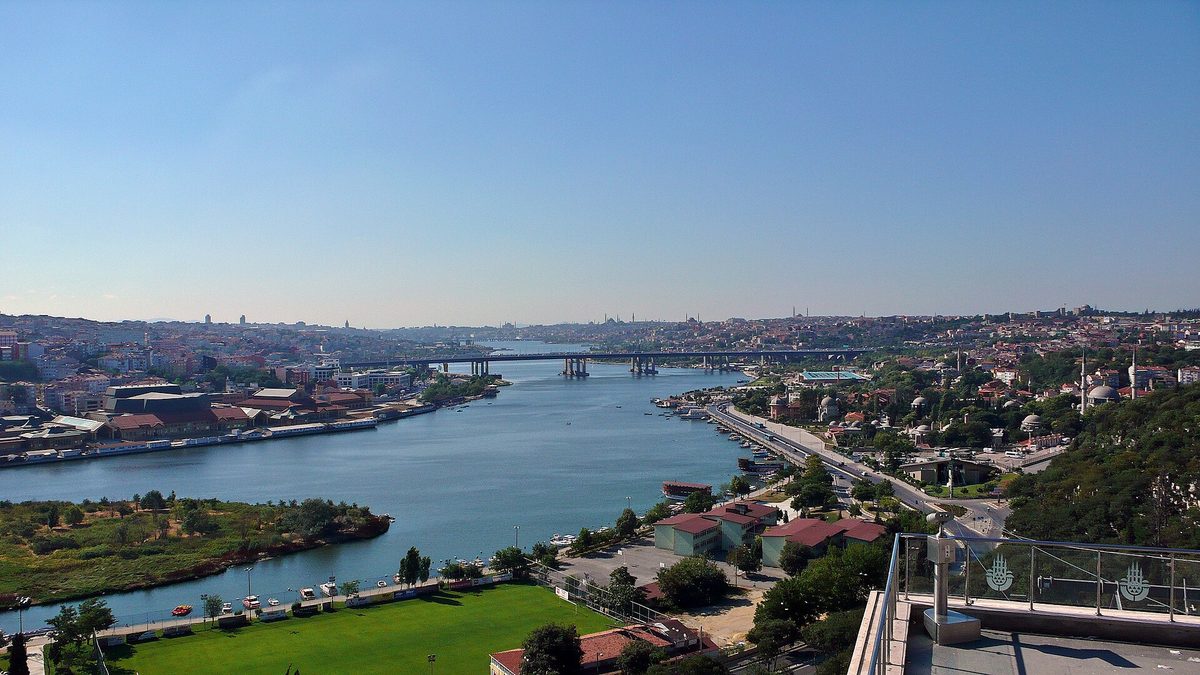
36. Çamlıca Hill
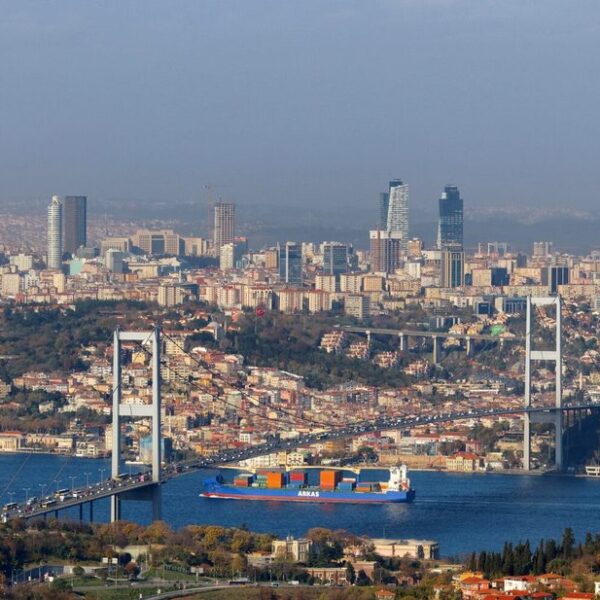
A high point on the Asian side has a park and a view over both continents, the Bosphorus bridges and, on a clear day, the Princes’ Islands. Go late in the afternoon and combine it with the Büyük Çamlıca Mosque.
37. Yıldız Park
Between Beşiktaş and Ortaköy, this large, steep wooded park with ponds and pavilions is free, shady and much quieter than the shore below.
38. Emirgan Park
Up the Bosphorus on the European shore, Emirgan is one of the city’s best-known spring parks, a centre of the tulip displays in April, with old pavilions and lawns sloping to the water. Check the city’s announcements for the tulip festival dates in 2027.
39. The Üsküdar shore at sunset
From Üsküdar south to Salacak, the Asian waterfront looks straight across at the Maiden’s Tower and the old city skyline, which the sun sets behind. Grab a tea from a stall and join the crowd on the sea wall; it is free, and it might be the best sunset in Istanbul.

Free culture
40. SALT Galata and SALT Beyoğlu
SALT runs two free cultural centres: SALT Galata, in the grand former Ottoman Bank building on the old bank street in Karaköy, and SALT Beyoğlu on İstiklal. Both host exhibitions, archives and talks, and entry is free. They are open Tuesday to Saturday from 11:00 to 19:00 and on Sunday from 11:00 to 18:00; check saltonline.org for current exhibitions.
The nearly-free ferry trick
The single best value in Istanbul is not free, but it is close. The commuter ferries that cross between Europe and Asia cost only a little more than a bus ride, and contactless bank cards are accepted at the ferry gates. For that, you get a crossing on the open deck with the old city’s skyline, palaces and mosques sliding past.
Three routes to try:
- Eminönü or Karaköy to Kadıköy: the classic crossing, with the old city, the Maiden’s Tower and Haydarpaşa station in view.
- Beşiktaş to Üsküdar or Kadıköy: past Dolmabahçe and the mouth of the Bosphorus.
- Up the Bosphorus: Şehir Hatları’s commuter services along the strait, and its long Bosphorus tour from Eminönü are the public alternative to private cruises. Check sehirhatlari.istanbul for timetables and fares.
Current fares are on our Istanbulkart guide, and the Bosphorus cruise guide compares the public ferries with the tour boats.

Free Istanbul by season
The free list changes with the weather, and a little planning puts the best of it in the right month.
- Spring (April–May): tulip season. Emirgan Park and Gülhane Park are planted with tulips every April, and the city’s parks are at their best. It is also the ideal weather for the land walls and the shore walk to Bebek.
- Summer (June–August): do the walking early and late, and spend the hot middle of the day inside the mosques, which are cool, or on a ferry deck, where there is a breeze. Sunsets are late, so the Galata Bridge and the Üsküdar shore come into their own in the evening.
- Autumn (September–November): long, soft light and smaller crowds make it the best season for the viewpoints, from Pierre Loti and Çamlıca to the Süleymaniye’s terrace.
- Winter (December–March): grey and wet, but the free indoor sights carry the day: mosques, the covered bazaars, SALT’s exhibitions and the arcades off İstiklal. On a clear winter morning, the view from the Galata Bridge is at its sharpest.
Free things to do with children
Children tend to like the free side of Istanbul more than the paid one. Ferries come first, followed by feeding the gulls from the deck, the fishermen on the Galata Bridge, the cats in every park and courtyard, the free tasters in the Spice Bazaar, and the open spaces of Gülhane, Yıldız and Emirgan parks. The Moda seafront and its rocks are a good place to let them run while you watch the sunset. Keep mosque visits short and explain the rules first; most children enjoy the shoes-off ritual and the carpet.
Eating well for very little
Food is not free, but it can be close to it. A sesame simit from a street cart is breakfast for a few lira, and a glass of tea from a tea garden or a passing tray costs little more. Lokantas, the canteen-style restaurants where you point at trays of the day’s dishes, serve a full lunch for a fraction of what a tourist restaurant in Sultanahmet charges. Kadıköy’s market streets and Beşiktaş’s Çarşı are the best areas for cheap, good food. Our guide to what to eat in Istanbul covers the street food worth seeking out.
Saving on the paid sights
Once you have done the free list, choose your paid sights carefully rather than buying everything. A few ways to spend less:
- Pick the two or three you care about most. For most people that means Hagia Sophia and Topkapı; the free mosques cover a lot of the same ground as the paid monuments.
- Do the sums on the Museum Pass. It covers some big sights and not others; our Museum Pass guide shows when it pays off.
- Children go free at the National Palaces, including Topkapı and Dolmabahçe, up to the age of six, and students aged 7 to 25 get a discounted ticket with ID (foreign students pay twice the discounted price), so bring your student card.
- Use the views instead of the towers. The Süleymaniye terrace, the Galata Bridge, Pierre Loti and Çamlıca give you the panoramas for free.
Things that look free but aren’t
A few things trip up budget travellers:
- Hagia Sophia is a mosque again, but foreign visitors pay for the gallery route. Our Hagia Sophia guide explains the ticket.
- Istanbul Modern’s free days are for residents of Türkiye only; foreign visitors pay full price. The Pera Museum’s free Wednesday is for students.
- State museums such as Topkapı and the Archaeology Museums charge foreign visitors; don’t plan a trip around free-entry days.
- The Basilica Cistern, Galata Tower and the Maiden’s Tower are all paid.
- The “free” tea and friendly chat in a carpet shop is the start of a sales pitch. Enjoy the tea, but know the deal.
- The “free” walking tour is tip-based: fine, but budget to tip the guide.
A free day in Istanbul
Morning: the Blue Mosque at opening, the Hippodrome monuments and Sultanahmet Square, then Little Hagia Sophia and its tea garden. Late morning: walk up to the Grand Bazaar (not Sunday) and out through Sahaflar, then down through Tahtakale to Rüstem Paşa and the Spice Bazaar. Afternoon: climb to the Süleymaniye for the courtyard, the tombs and the terrace view. Late afternoon: walk across the Galata Bridge and up through Galata to İstiklal’s arcades, or take the ferry to Kadıköy (the one thing that costs a fare) and walk down to Moda for sunset.
That day costs nothing but food and one ferry, and it covers most of what visitors come to Istanbul for. Our is Istanbul expensive? guide shows how to keep the rest of the trip cheap, and our top 10 things to do in Istanbul shows which paid sights earn their ticket.
Frequently asked questions
What can you do for free in Istanbul?
Visit the great mosques, including the Blue Mosque and the Süleymaniye; wander the Grand Bazaar and the Spice Bazaar; see the Hippodrome monuments; walk Balat, Galata, Cihangir and Moda; and watch the sunset from the Galata Bridge or the Üsküdar shore.
Is the Blue Mosque free?
Yes. The Blue Mosque is a working mosque and free to visit outside prayer times. Dress modestly, take your shoes off and avoid Friday around midday.
Is Hagia Sophia free?
Not for foreign visitors. Hagia Sophia is a mosque, but foreign visitors pay for a separate route to the upper galleries. The ground floor is reserved for worship.
Are mosques in Istanbul free to visit?
Yes. Most mosques do not charge entry, though some have a donation box; Hagia Sophia is the exception, where foreign visitors pay for the gallery route. Visits pause for each of the five daily prayers.
Are there free museums in Istanbul?
A few cultural centres are free, such as SALT Galata and SALT Beyoğlu. The big state and private museums charge foreign visitors, and Istanbul Modern’s free days are for Turkish residents only.
Is the Grand Bazaar free to enter?
Yes. The Grand Bazaar is free to enter and wander. It is closed on Sundays and for religious holidays.
What is the cheapest way to see the Bosphorus?
Take a public commuter ferry with an Istanbulkart. A crossing from Eminönü, Karaköy or Beşiktaş to Kadıköy or Üsküdar costs only a little more than a bus fare, and Şehir Hatları’s Bosphorus services are the public alternative to private cruises.
Is Istanbul cheap for tourists?
It is cheaper than most Western European capitals for food, transport and mid-range hotels, and many of its best sights are free. Foreign-visitor tickets at the big museums are the main expense.
Plenty of the city’s least-visited corners are free as well. Our list of hidden gems in Istanbul adds Arap Camii and the underground Yeraltı Camii in Karaköy, the tiles of the Sokollu Mehmet Paşa Mosque and the Bosphorus villages of Kuzguncuk, Çengelköy and Kanlıca.
For the free viewpoints in more detail, from the Süleymaniye’s terrace and Pierre Loti Hill to Otağtepe and Nakkaştepe on the Asian shore, see our guide to the best views in Istanbul, which covers fifteen of them and says when the light is best at each.