Things to Do ·
Istanbul in 2 Days: What to Prioritise When Time Is Short
Two days covers Istanbul's essentials if you choose well: what to see first, which weekdays force a swap, what the tickets cost and what to leave for next time.
In this guide 13 sections
- Istanbul in 2 days what to see at a glance
- Check your two weekdays before anything else
- Day one: Sultanahmet
- Day two: the bazaars, the Golden Horn and a ferry
- Which boat fits into two days?
- The hard choices, one pair at a time
- Your two evenings
- What to leave for the next trip
- Is the Museum Pass worth it for two days?
- Where to stay for two nights
- Arriving and leaving without losing a day
- Two days in winter, high summer or Ramadan
- Frequently asked questions
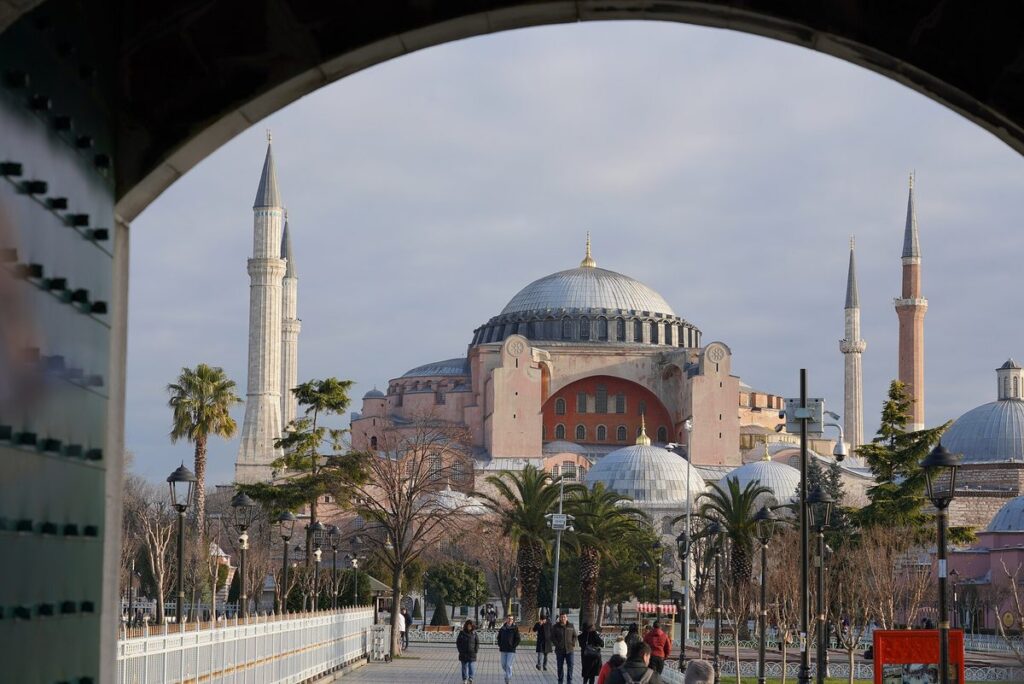
Most two-day trips to Istanbul go wrong on the calendar, not the map. Topkapı Palace gets pencilled in for a Tuesday, when it is shut; the Grand Bazaar for a Sunday, when its gates stay closed; Hagia Sophia for Friday lunchtime, when the tourist route stops for the noon prayer. Get the days right and two days covers a surprising amount.
If you have Istanbul in 2 days what to see first is Sultanahmet: Hagia Sophia, the Blue Mosque, the Basilica Cistern and Topkapı Palace fill day one. Day two takes in the Grand Bazaar, the Süleymaniye and the Spice Bazaar, then crosses the Galata Bridge for Galata and a sunset ferry to Kadıköy. Dolmabahçe and the Princes’ Islands can wait.
That is the plan this page argues for, and the rest of it explains the choices behind it: which sights earn their hours, which weekday rules force a swap, which boat fits a single afternoon, what the tickets add up to and what you can leave out without regret. If you want hour-by-hour plans for anything from one day to a week, our Istanbul itinerary lays them out; for the full menu of what the city offers, start with our guide to things to do in Istanbul.
Prices below were checked in November 2026 and converted at the Central Bank of the Republic of Türkiye’s rate for 17 November 2026, when €1 bought about 55 TL and $1 about 50 TL. One quirk is worth knowing before you budget: Hagia Sophia and the state museums charge foreign visitors in euros, while the palaces and the Basilica Cistern charge in lira, so their cost in your own currency drifts with the exchange rate.
Istanbul in 2 days what to see at a glance
Here is how the main candidates rank for a first visit of two days, judged by what each gives back for the hours it takes. Entry prices are for foreign adults.
| Sight | Allow | Entry | Closed | Verdict |
|---|---|---|---|---|
| Hagia Sophia | 1 hour | €25 | Tourist route stops for the Friday noon prayer | Essential |
| Blue Mosque | 30–45 min | Free | Closes to visitors around prayer times | Essential |
| Basilica Cistern | 45 min | 2,250 TL (about €41), cards only | Open daily | Essential |
| Topkapı Palace, Harem and Hagia Irene | 3 hours | 2,750 TL (about €50) | Tuesday | Essential, unless palaces leave you cold |
| Süleymaniye Mosque | 45 min | Free | Closes to visitors around prayer times | Essential |
| Grand Bazaar | 1 hour | Free | Sunday | Yes, but keep it short |
| Spice Bazaar and Rüstem Paşa Mosque | 1 hour | Free | Mosque closes around prayer times | Yes |
| Galata Bridge on foot | 20 min | Free | — | Yes |
| Ferry to Kadıköy at sunset, dinner there | 3 hours | Istanbulkart fare | Storms can stop sailings | Essential |
| Galata Tower | 45 min, plus any queue | €30 | Open daily | Optional |
| İstiklal Avenue | 1 hour | Free | — | Optional |
| A Bosphorus sightseeing tour | Depends on the tour | Ticket | Check the timetable | A short one, if any |
| Istanbul Archaeology Museums | 2 hours | €15 | Open daily | Instead of Topkapı, not as well as |
| Dolmabahçe Palace | 2–3 hours | 2,000 TL (about €36) | Monday | Next trip |
| Princes’ Islands | A full day | Ferry fare | — | Next trip |
Two things stand out. Most of what is essential is free: the great mosques, the bazaars and the bridge cost nothing, and the ferry costs a fare. And the paid four, Hagia Sophia, the cistern, Topkapı and Galata Tower, come to about €145 per adult at November 2026 prices, or about €115 without the tower. That is the real budget question on a short trip, and the sections below say which of the four we would drop first.
Check your two weekdays before anything else
Istanbul’s big sights do not share a closing day, which is exactly what catches people out. Topkapı Palace closes on Tuesdays. Dolmabahçe Palace closes on Mondays. The Grand Bazaar shuts on Sundays, and over the religious holidays. The mosques close to sightseers around each of the daily prayers, for longest at Friday noon, and Hagia Sophia’s tourist route stops for the Friday prayer too. The Basilica Cistern, Galata Tower and the state museums, such as the Archaeology Museums, open every day.
So decide which of your two days is the Sultanahmet day (Hagia Sophia, the Blue Mosque, the cistern and Topkapı) and which is the bazaars-and-Galata day (the Grand Bazaar, the Süleymaniye, the Spice Bazaar, Galata and the ferry). The table does it for every pair of days.
| Your two days | Sultanahmet day | Bazaars-and-Galata day | Why |
|---|---|---|---|
| Saturday and Sunday | Sunday | Saturday | The Grand Bazaar is shut on Sunday |
| Sunday and Monday | Sunday | Monday | Same reason; Dolmabahçe and Istanbul Modern are also shut on Monday |
| Monday and Tuesday | Monday | Tuesday | Topkapı is shut on Tuesday |
| Tuesday and Wednesday | Wednesday | Tuesday | Topkapı is shut on Tuesday |
| Wednesday and Thursday | Either | Either | Nothing on this list closes |
| Thursday and Friday | Thursday | Friday | Keeps Hagia Sophia and the Blue Mosque off Friday; see the Süleymaniye early |
| Friday and Saturday | Saturday | Friday | As above |
Prayer times move every day with the sun, so look them up for your dates on the Diyanet’s prayer-times page before you plan the mosques. To give a sense of how they fall: on 23 November 2026 the noon prayer is at 12:55, the afternoon prayer at 15:25 and the sunset prayer at 17:47. A mosque closes to visitors for a while around each one, so the reliable windows are mid-morning and the stretch between the noon and afternoon prayers. On Fridays the noon prayer fills the big mosques, and it is better to see them early in the morning or in the afternoon.
One more calendar trap: the day you arrive is rarely a full day. If you land around midday, use the afternoon for Galata, İstiklal and a ferry to Kadıköy, all of which work into the evening, and keep Sultanahmet for a morning when you can be at Hagia Sophia’s door as it opens.
Day one: Sultanahmet
The four headline sights of the old city sit around one park and the palace grounds behind it. Hagia Sophia and the Blue Mosque face each other across Sultanahmet Park, the Basilica Cistern’s entrance is across the road from Hagia Sophia, and Topkapı’s outer gate is just behind it. You will not need a tram all day. The order matters more than the distances: Hagia Sophia before the tour groups, the Blue Mosque before the noon prayer, the cistern while the queue is short, and Topkapı in the afternoon, because its ticket offices close at 17:00. Our Sultanahmet guide covers the quarter’s smaller sights if you finish early.
Hagia Sophia, as early as you can
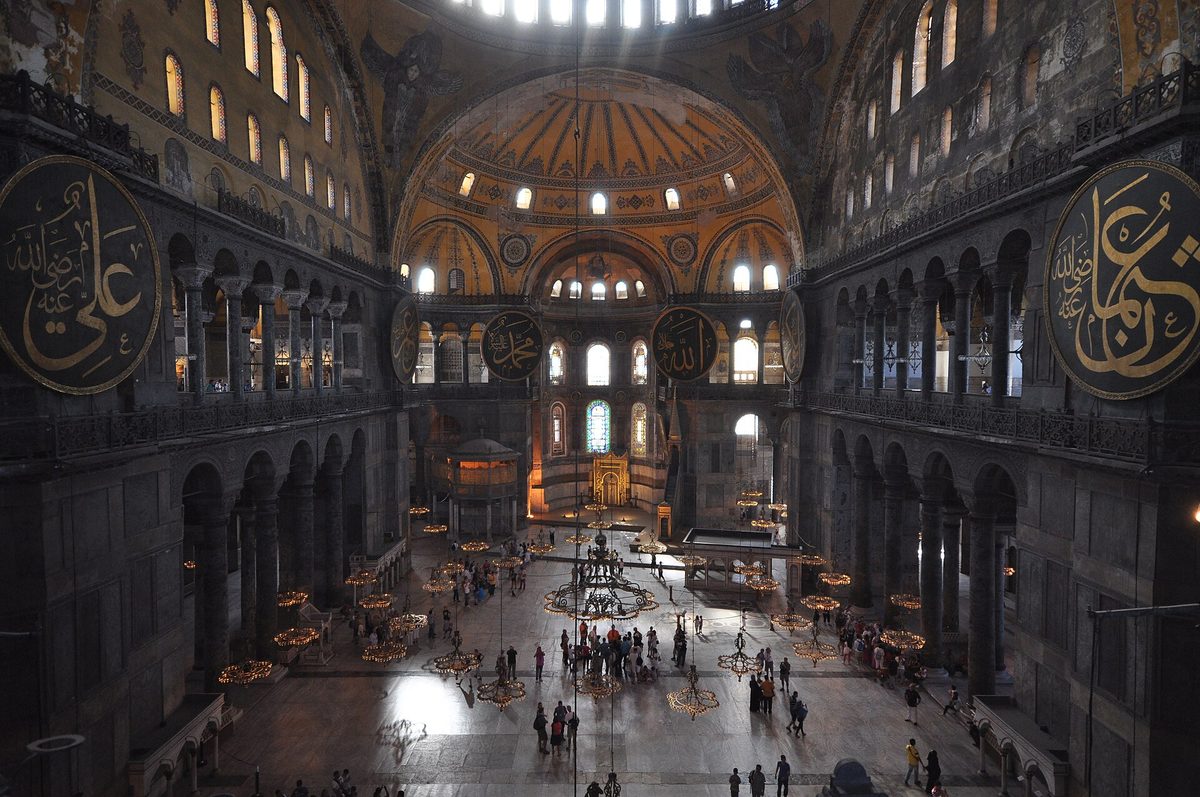
Since January 2024 foreign visitors have paid a fee, €25, and see Hagia Sophia from the upper galleries, while the ground floor is kept for worship. Young children go free, so check the age limit when you book. With two days it is worth every cent, because nothing else in the city gives you the scale of the sixth-century building from above: the nave dropping away beneath the dome, the great calligraphy roundels, and in the south gallery the Deesis mosaic, Christ between the Virgin and John the Baptist, the best known of the Byzantine mosaics on the route.
Be at the tourist entrance as it opens. Queues build through the morning as tour groups arrive, and a visit of an hour leaves you in good time for the Blue Mosque before the noon prayer. Check the day’s opening hours before you set out, because they change with the season, and remember that on Fridays the tourist route closes for the noon prayer. Our Hagia Sophia guide has the building’s history and what to look for once you are inside.
The Blue Mosque, before the noon prayer
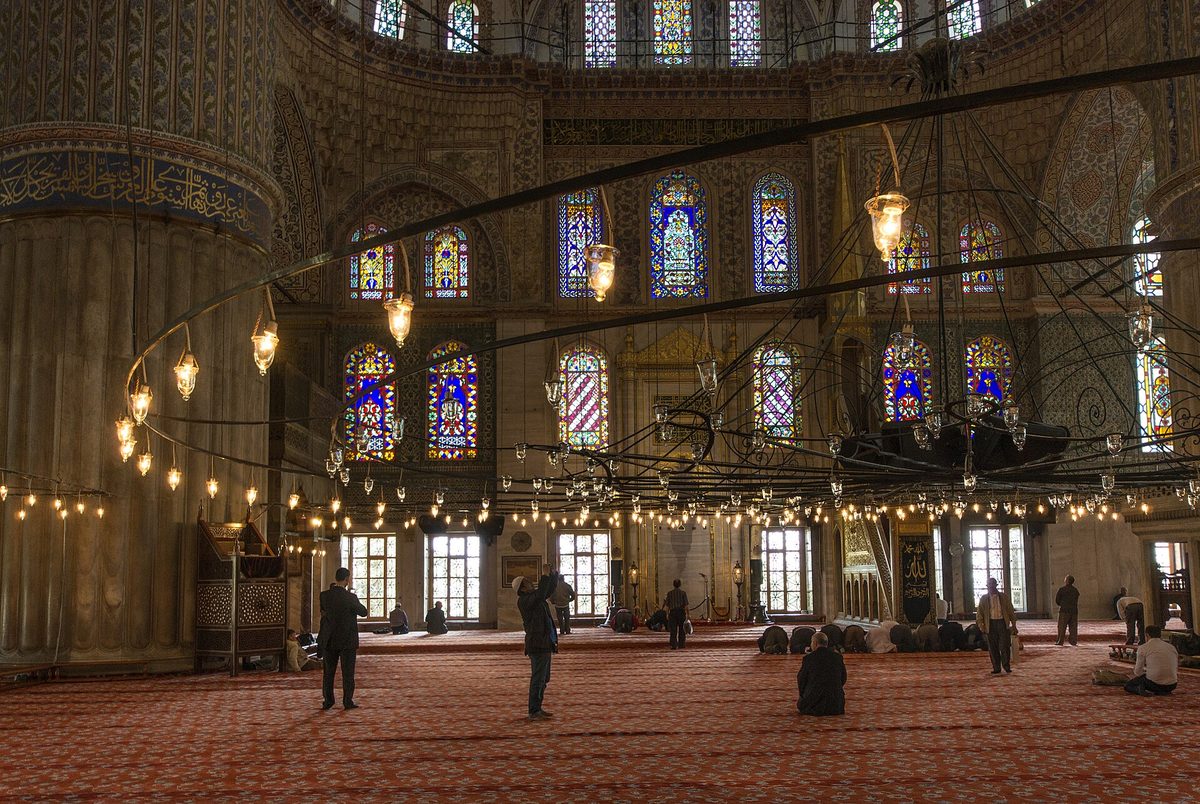
The Blue Mosque is free and still very much a working mosque, which is part of the point. Walk straight across the park from Hagia Sophia and you will be inside by mid-morning, when light from the upper windows falls on the blue tiles that gave the building its English name. Shoulders and knees should be covered and women cover their hair; shoes come off at the door and go into a bag. Allow 30 to 45 minutes, and keep your voice and your camera down near the people praying at the front.
If you are pressed for time, this is the one sight on day one you could see from outside and still feel you had seen: the cascade of domes and the six minarets are at their best from the Hippodrome side in the late afternoon. But it costs nothing to go in, and the interior is the reason it is famous.
The Basilica Cistern
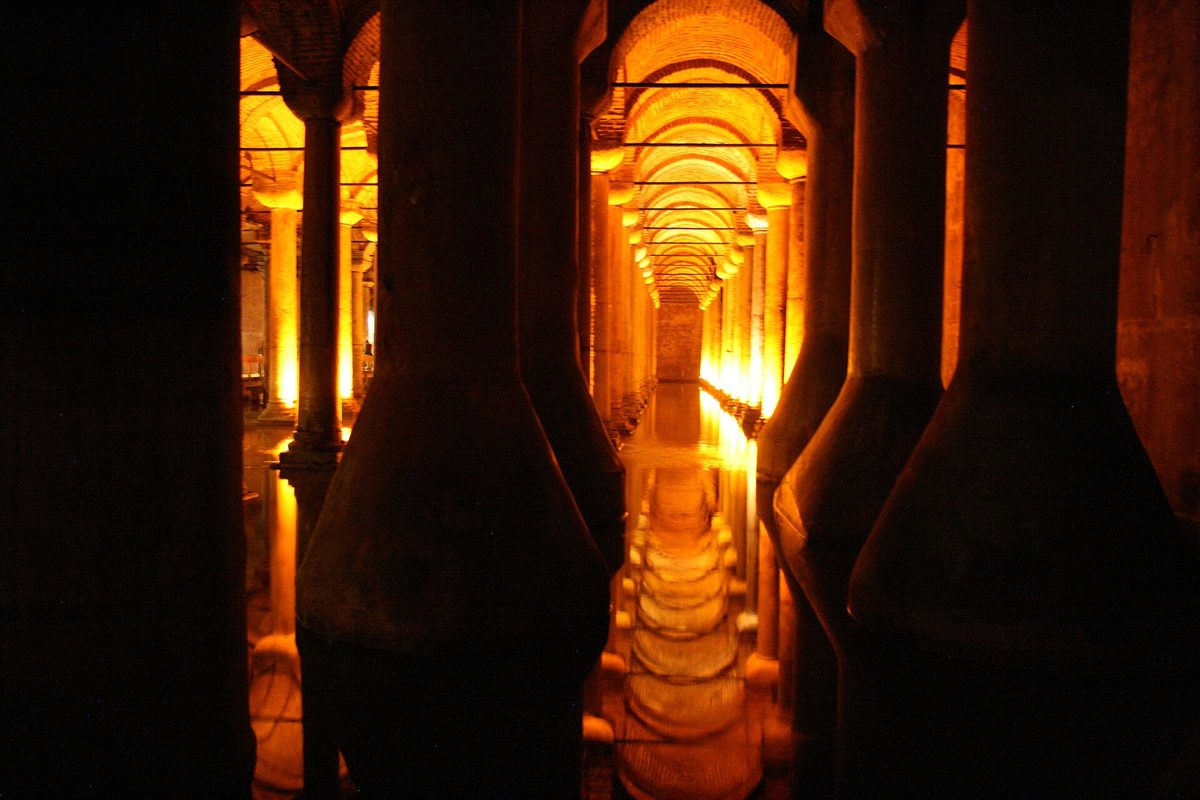
Justinian’s sixth-century cistern, a forest of columns standing in shallow water, is the one paid sight on day one that works even in a hurry, because 45 minutes is enough. The foreign visitor ticket is a 2,250 TL day visit, the only ticket on sale, and the box office and the online shop both take cards only. Online tickets need a passport number for each visitor, cover up to five people per purchase and stay valid for 90 days. From 15 November to 31 March the cistern opens 09:00–18:00 every day; from 1 April to 14 November, 09:00–19:00.
The two Medusa heads reused as column bases at the far end are what everyone photographs. The more useful trick is timing: the queue on Yerebatan Caddesi can build quickly when tour groups arrive, so buy online and slot the cistern in whenever the line looks short. It is also the place to be when it rains. It is not on the Museum Pass.
Lunch, a few streets back from the square
The restaurants on Sultanahmet Square are fine for a tea and not much more. Walk a few streets towards Çemberlitaş, or down towards Sirkeci, and you find lokantas, the canteens where you point at trays of the day’s stews and vegetables, and plain köfte places that feed the office workers of the old city at lunchtime. An hour is plenty, and it gets you to Topkapı’s gate at about one o’clock. Our guide to what to eat in Istanbul explains the dishes, so you know what you are pointing at.
Topkapı Palace in the afternoon, Harem included
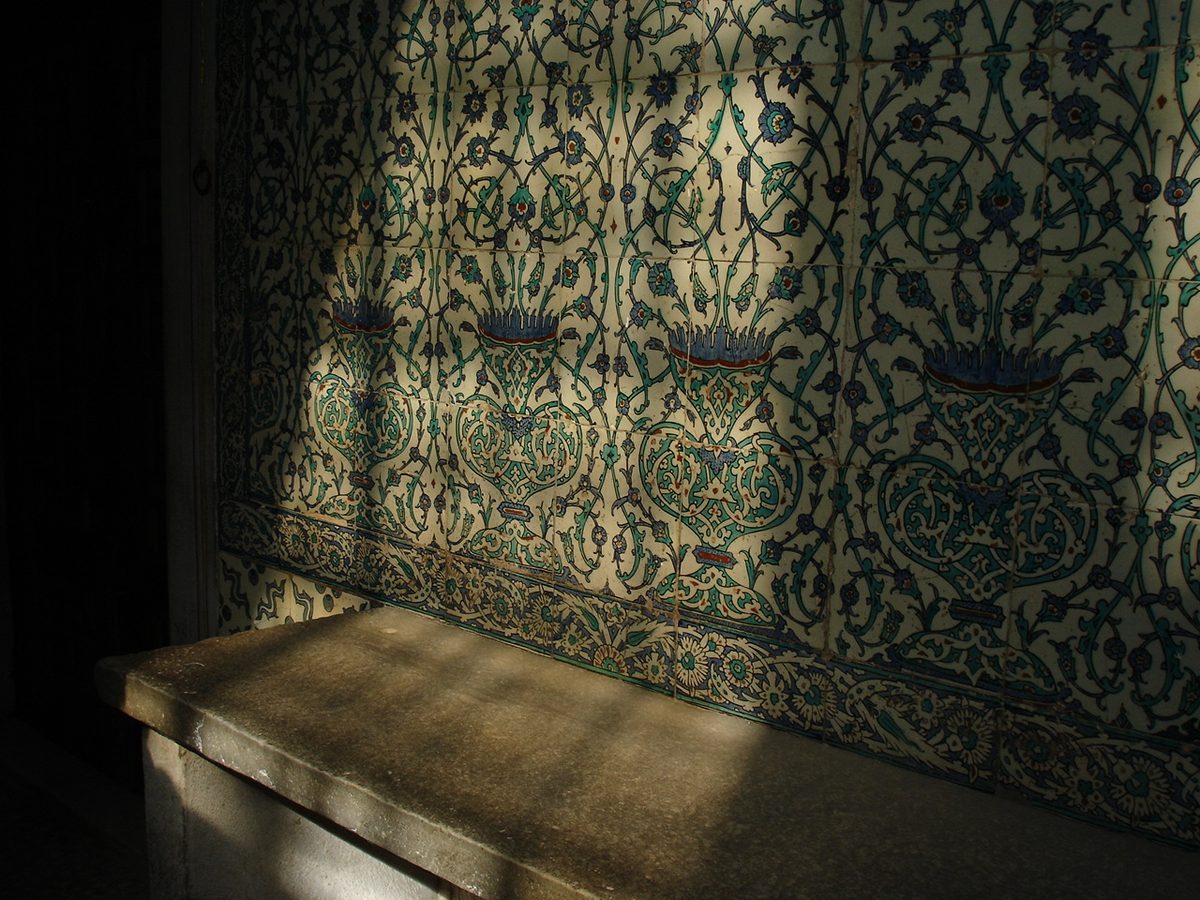
Topkapı was the Ottoman sultans’ palace until the court moved to Dolmabahçe in 1856, and it is a sprawl of courtyards, pavilions and kitchens rather than one building, so give it three hours. The foreign ticket is a combined one, 2,750 TL (about €50), covering the palace, the Harem and Hagia Irene, the Byzantine church in the first courtyard, and it is valid for one day. Children aged 6 and under go free. The palace closes on Tuesdays and its ticket offices open 09:00–17:00, so aim to arrive by 14:00 to see it properly.
Because the Harem is already in the ticket, the old question of whether to pay extra for it has gone, and you should not skip it to save time either: the tiled rooms and corridors of the sultan’s private quarters are the palace’s most memorable hour. After the Harem, choose two of the rest: the Treasury, with the Spoonmaker’s Diamond; the sacred relics in the Privy Chamber; and the fourth courtyard, where the Baghdad Kiosk and the terraces look out over the Golden Horn and the mouth of the Bosphorus. That view is part of the ticket, and it is as good as the one from Galata Tower.
If palaces leave you cold, swap Topkapı for the Istanbul Archaeology Museums, which sit between the palace’s outer courtyard and Gülhane Park. They cost €15 and open every day 09:00–18:30, with the box office closing at 17:30. Our Topkapı Palace guide has the full route through the courtyards if you go.
Day two: the bazaars, the Golden Horn and a ferry
Day two runs downhill and then across the water: from the Grand Bazaar up to the Süleymaniye, down through the market streets to the Spice Bazaar and Eminönü, over the Galata Bridge, up to Galata and along İstiklal, and finally onto a ferry to the Asian side as the sun goes down. It is mostly free, mostly on foot, and for many people it turns out to be the better of the two days.
The Grand Bazaar, early
Go early, before the tour groups, and give it an hour unless you are buying. The bazaar is a covered town of lanes and hans, and its charm lies in the trades rather than the souvenirs: the jewellers’ street, the old caravanserai courtyards behind the main lanes, the tea boys threading through the crowd with their swinging trays. Go in by the Nuruosmaniye Gate, close to the Çemberlitaş tram stop, and come out on the Beyazıt side, which sets you on the way to the Süleymaniye.
The bazaar shuts on Sundays and over the religious holidays, and its traders keep their own hours within the day, so check the opening times for your dates rather than trusting a single figure you have read somewhere. If you want to buy, our Grand Bazaar guide explains how bargaining works, which lanes sell what and what to be wary of.
The Süleymaniye and its terrace
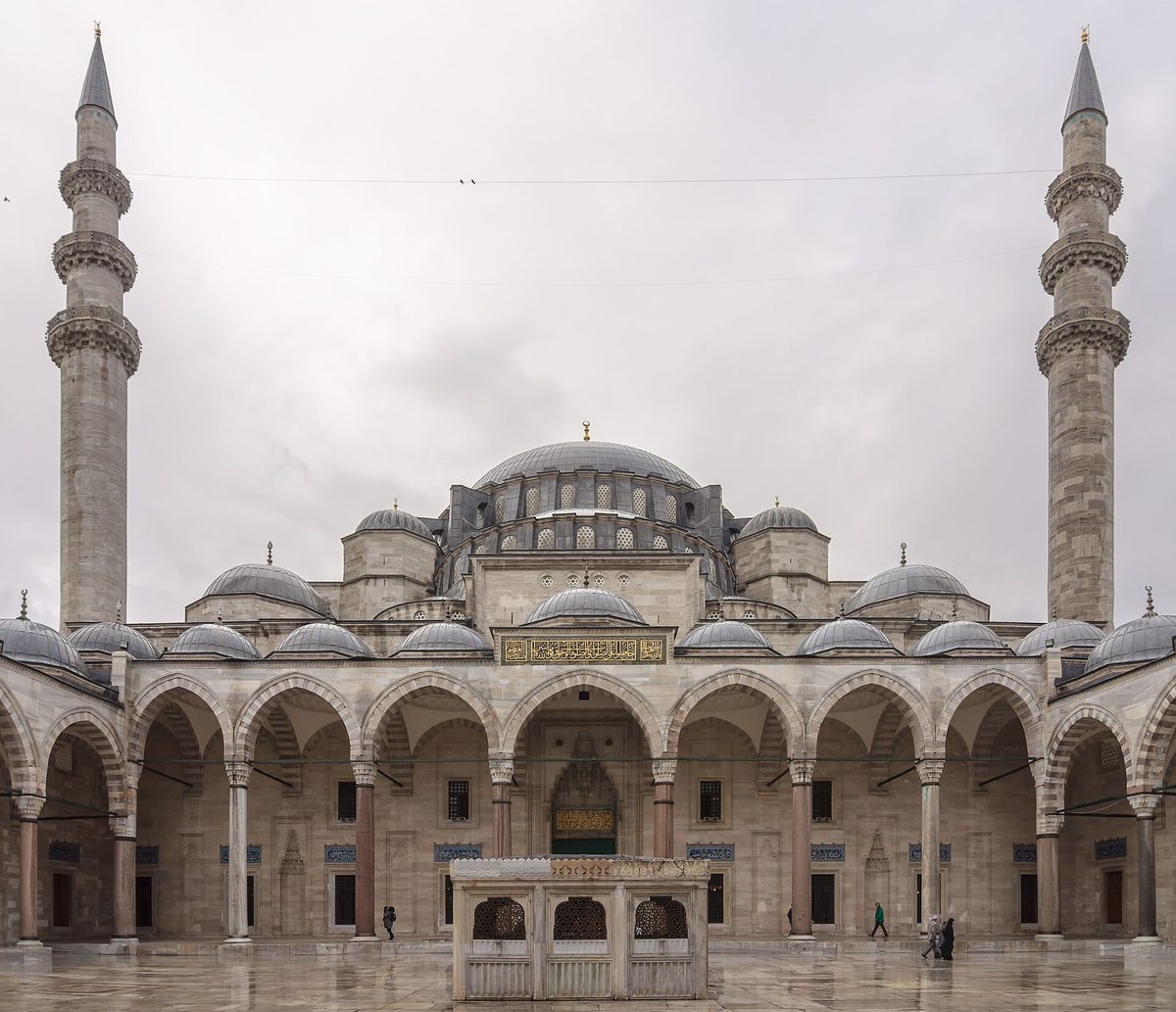
If you see one mosque properly in Istanbul, make it this one. Sinan built it for Süleyman the Magnificent between 1550 and 1557 on the city’s third hill, and it is calmer, lighter and better proportioned than the Blue Mosque, with a fraction of the crowd. The arcaded courtyard is the best place in the old city to sit for ten minutes. Behind the mosque, the tombs of Süleyman and his wife Hürrem stand in the garden cemetery, and the garden terrace on the Golden Horn side looks straight down over the water to Galata: a view as wide as the one from Galata Tower, and free.
Like every working mosque it closes to visitors around prayer times, and the same dress rules apply as at the Blue Mosque. Allow 45 minutes, including the terrace. On a Friday, come before the late morning or leave it until the afternoon.
Down to the Spice Bazaar and Rüstem Paşa
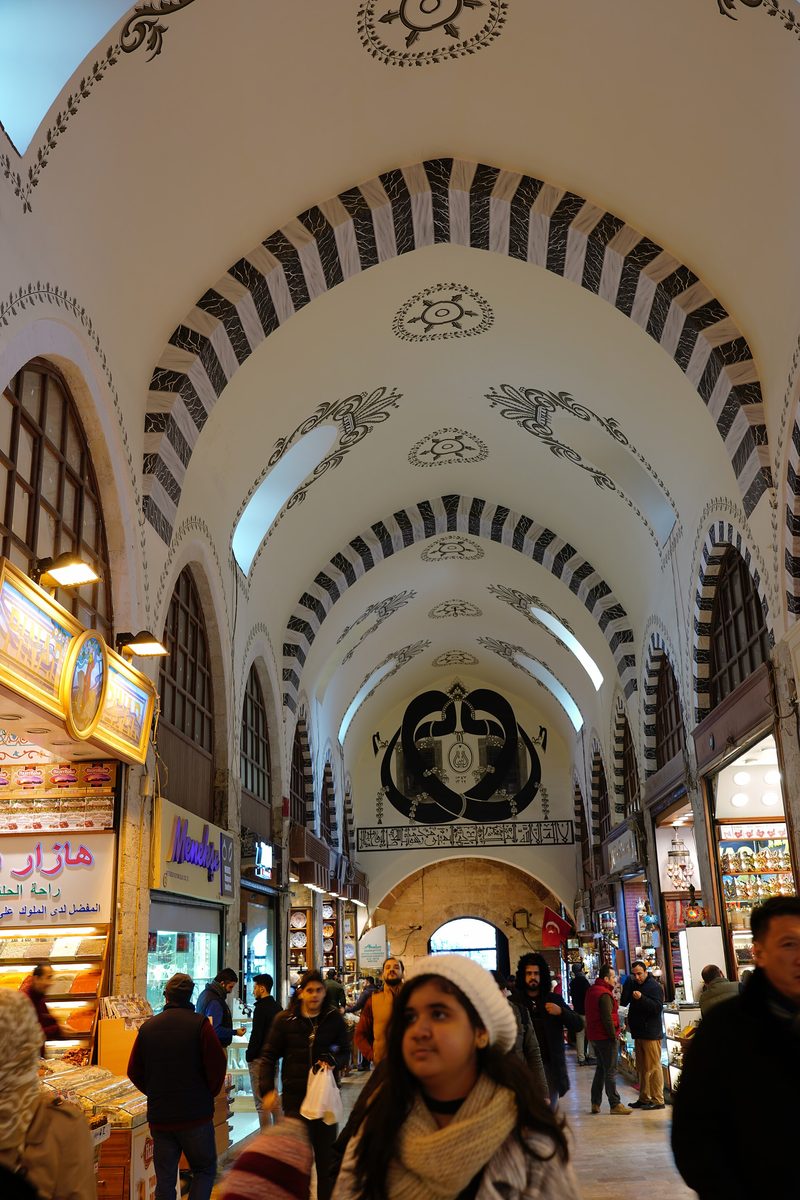
From the Süleymaniye, walk downhill through the wholesale streets of Tahtakale towards Eminönü. It is one of the most Istanbul half-hours of the trip: porters bent under loads, shops selling every kind of pan, broom and plastic bowl, and the smell of roasting coffee near the bottom. On the way, look for the stair between shopfronts that climbs to the Rüstem Paşa Mosque, a small Sinan mosque raised above a row of shops and lined inside with İznik tiles. It closes around prayer times like the others, so if the door is shut, come back after the prayer.
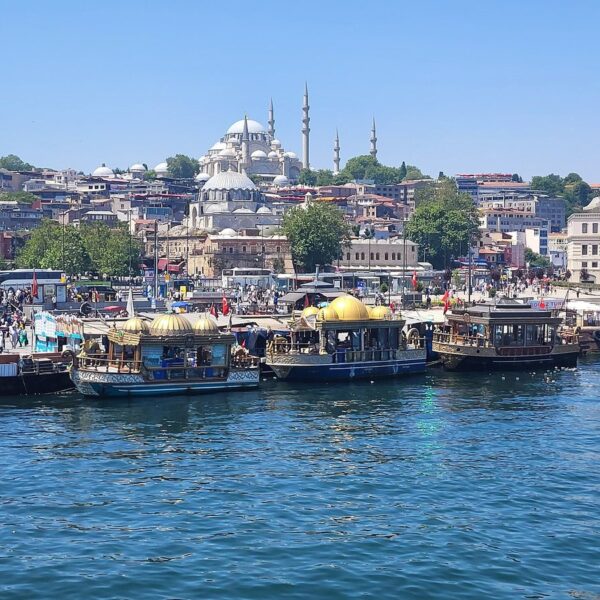
The Spice Bazaar, a short walk away, is smaller and easier than the Grand Bazaar: an L-shaped vaulted hall of spice, lokum, dried fruit and nut sellers, built as part of the same seventeenth-century complex as the New Mosque beside it. It is the place to buy edible presents, and an hour is enough for the bazaar and the mosque together.
Lunch at Eminönü
Eat on the waterfront. Balık ekmek, a grilled-mackerel sandwich, is sold along the Eminönü waterfront, and eating one by the water, with a glass of pickle juice, is the right lunch for day two. If fish is not your thing, the streets behind the Spice Bazaar are full of döner and pide counters. Either way it is cheap, quick and back on your feet within the hour.
Across the Galata Bridge

Walk across the Galata Bridge from Eminönü to Karaköy. The upper deck is lined with anglers whose lines drop past the fish restaurants on the lower deck, and if you turn round halfway, the whole skyline of the old city, from the New Mosque up to the Süleymaniye, is behind you. Give it twenty minutes with stops. It costs nothing, and it is one of the views people remember longest.
Galata Tower, or not

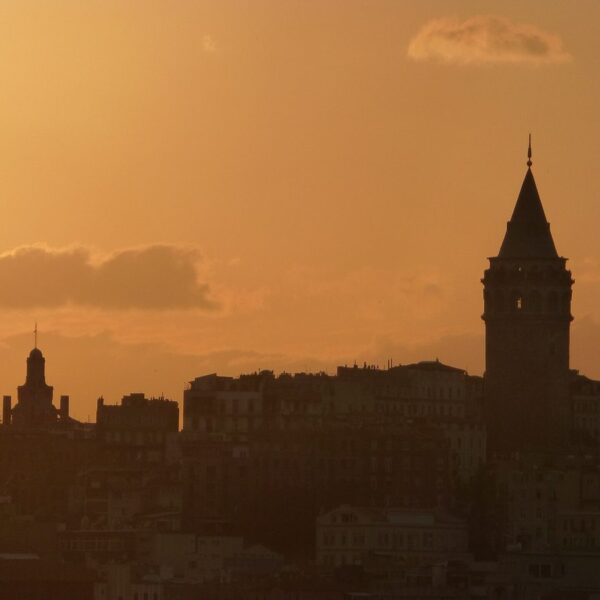
From Karaköy the lanes climb steeply to Galata Tower. It costs €30 and opens every day 08:30–23:00, with last entry at 22:00. The view from the gallery is the classic panorama of the Golden Horn, the old city and the Bosphorus, and on a clear day it is very good. With two days, though, the queue and the price make it the first of the paid four to go: you get a comparable view free from the Süleymaniye’s terrace, another from Topkapı’s fourth courtyard, and a better one from the ferry later today.
If you do want to go up, consider an evening visit, when the city’s lights are on and the climb uses an hour of darkness rather than an hour of daylight. A Museum Pass covers daytime entry only, with last entry at 18:14. Our guide to Beyoğlu covers the streets around the tower, from the Kamondo Stairs to the cafés of Galata.
İstiklal Avenue and the nostalgic tram
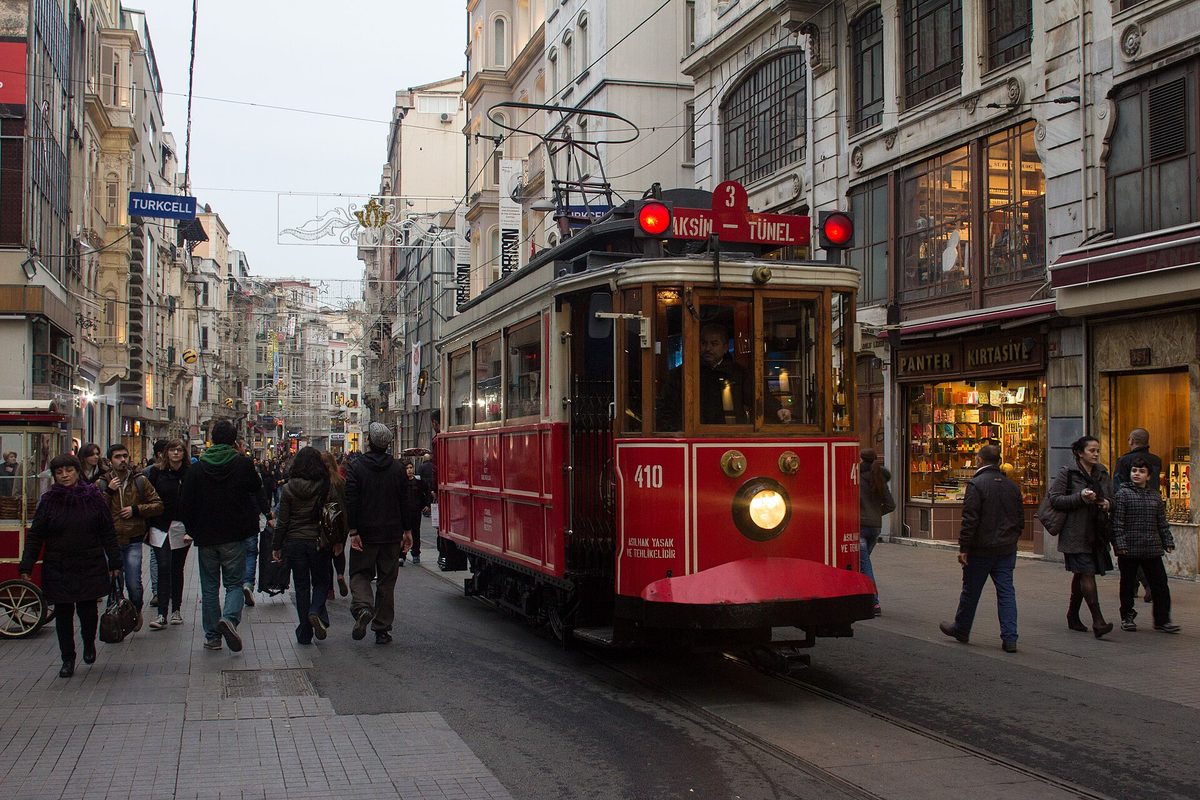
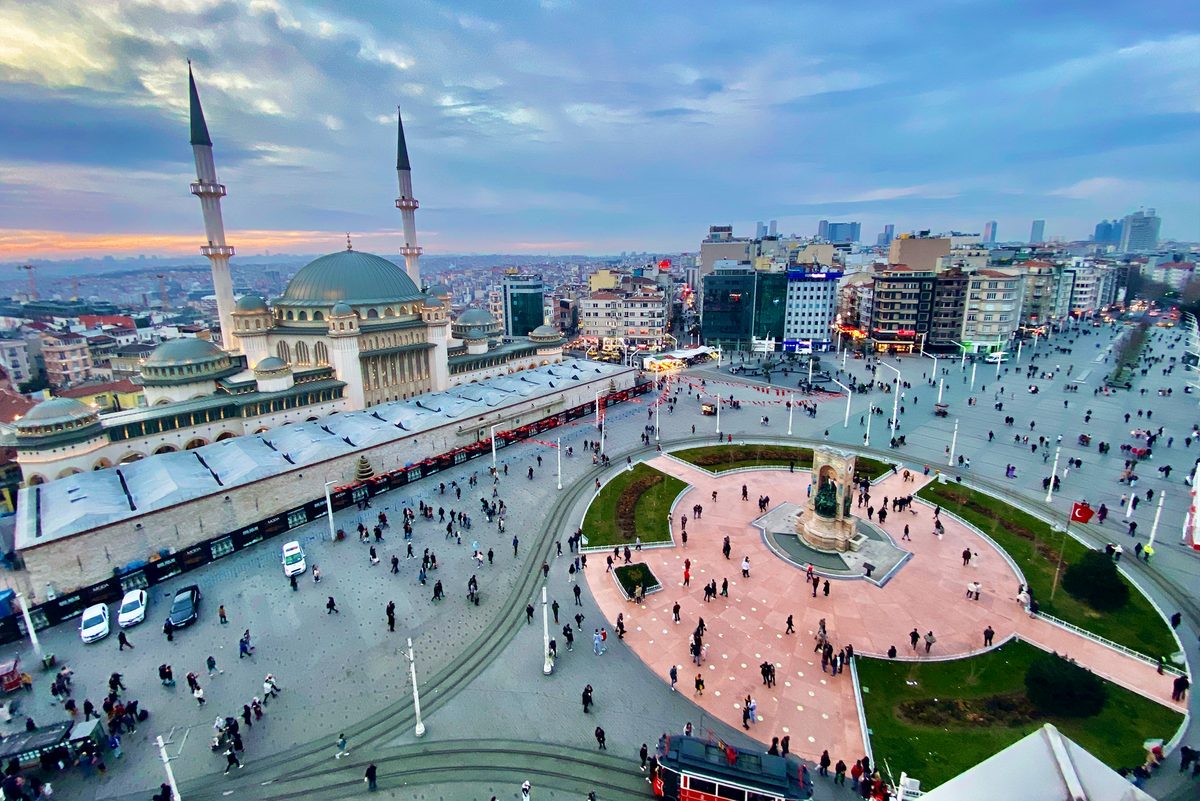
A short walk up from the tower is Tünel square, the lower end of İstiklal Avenue, the long pedestrian street of nineteenth-century arcades, churches, bookshops and chain stores that runs up to Taksim. The red nostalgic tram covers the 1.64 kilometres between Tünel and Taksim with five stops. Walking it, with detours into the arcades and side streets, takes about an hour. It is busier and more commercial than its reputation suggests, and on a two-day trip it is the easiest thing to drop, but it is also the quickest way to see the Pera of the late Ottoman city.
From Taksim, the F1 funicular drops to Kabataş on the Bosphorus shore, where ferries leave for Kadıköy. Or skip İstiklal altogether and walk back down to Karaköy for a Kadıköy ferry from there.
A ferry to Kadıköy at sunset
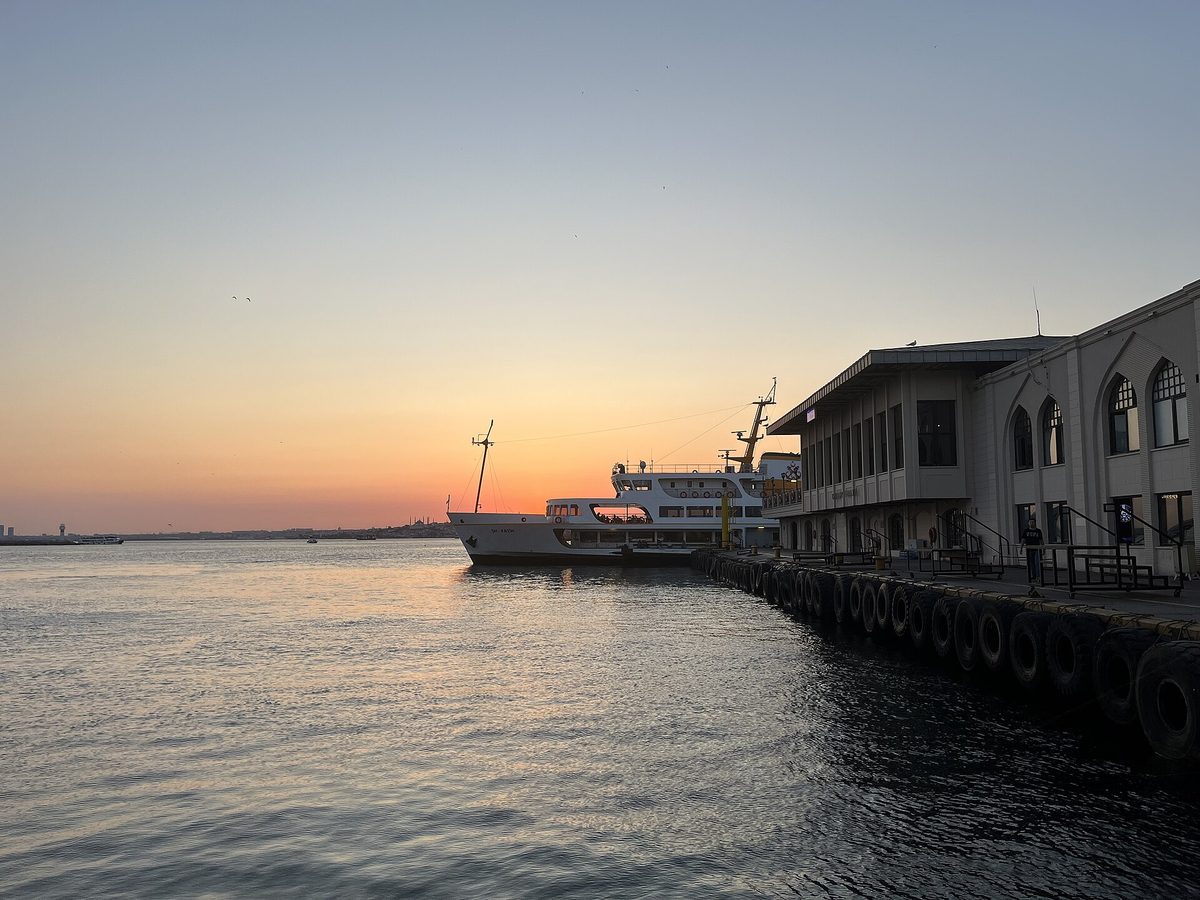
End day two on the water. The commuter ferries to Kadıköy cross the mouth of the Bosphorus with the old city’s skyline off one side and the Maiden’s Tower off the other, for the price of a fare on your Istanbulkart. Time it so you are on deck as the sun goes down: in late November that is around 17:38, so a boat at about five is right. In summer it is much later, so check the sunset time for your dates. Our Istanbulkart guide has the current fares and how to load the card.
Kadıköy is the Asian side’s market town, and the evening is when it is at its best. Walk the market streets behind the pier, among the fishmongers, delis, pickle shops and cafés, then eat. Çiya, whose three restaurants stand a few metres apart in the fish-market streets, serves regional Anatolian dishes you will not find in Sultanahmet. Moda’s seafront, a walk south through the backstreets, is where the neighbourhood goes to watch the last of the light.
Come back by ferry, or, if you miss the last convenient boat, take the M4 metro to Ayrılık Çeşmesi and change to the Marmaray train, which runs under the Bosphorus to Sirkeci. Our guide to the Asian side of Istanbul covers Kadıköy, Moda and Üsküdar in detail.
Which boat fits into two days?
Everyone wants to be on the Bosphorus, and with two days the trick is not to give it a whole day. There are three ways onto the water, and two of them fit.
The commuter ferry
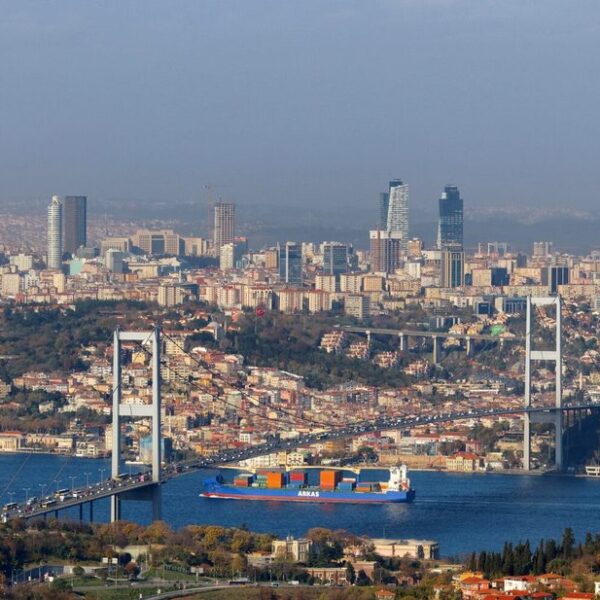
The cheapest option and, on a short trip, the best. The Kadıköy crossing above gives you the mouth of the strait, the skyline and the Maiden’s Tower for a fare. If you would rather have a longer look at the Bosphorus shore, take a ferry from Eminönü or Karaköy to Üsküdar instead and walk south along the water to Salacak, opposite the Maiden’s Tower, for the sunset. Ferries are ordinary public transport here, so they run all day and you pay with the same card as the tram.
A short sightseeing tour from Eminönü
Several companies run Bosphorus sightseeing tours from the piers at Eminönü. Turyol is one of them: its tours run to a timetable, are open to anyone and leave from its piers at Eminönü, Üsküdar, Kadıköy and Bakırköy. Check the timetable and fares on turyol.com for your day, because both change with the season. If you want one, it fits after lunch on day two, in place of Galata Tower and İstiklal. On a two-day trip that is a fair swap.
The Long Bosphorus Tour
Şehir Hatları’s full-day trip up to Anadolu Kavağı, near the Black Sea end of the strait, is a classic day out. It is also a whole day, and with only two you cannot spare one. Keep it for a longer stay. Our Bosphorus cruise guide covers every option, including the sunset and dinner cruises, which we would skip in any case.
The hard choices, one pair at a time
Two days means saying no to good things. These are the trade-offs people ask about most, and where we come down on each.
Topkapı or Dolmabahçe?
Topkapı, for a first visit. It is older, it sits in the middle of day one’s route, and its ticket includes the Harem. Dolmabahçe, the European-style palace on the Bosphorus at Beşiktaş built between 1843 and 1856, is the grander building, all chandeliers and gilt, but it is a separate trip, it closes on Mondays and its foreign ticket costs 2,000 TL (about €36) for the Selamlık, the Harem and the Painting Museum. If you only have the energy for one palace, the older one tells you more about the city.
Hagia Sophia’s galleries, or just the Blue Mosque?
Pay for Hagia Sophia. The Blue Mosque is free and lovely, but Hagia Sophia is the building people cross continents to see, and the galleries are now the way a foreign visitor sees it. If €25 is a stretch, drop Galata Tower first and the cistern second.
Galata Tower or a free view?
The free view. Between the Süleymaniye’s terrace, Topkapı’s fourth courtyard (already in your palace ticket) and the deck of the Kadıköy ferry, two days give you three panoramas without paying €30 for a fourth. Go up the tower only if towers are your thing, or as an evening outing on the first night.
The Grand Bazaar or the Spice Bazaar?
Both sit on day two’s route, so you rarely have to choose. If you must, the Grand Bazaar is the one for its size, its lanes and its hans, and the Spice Bazaar the one for buying things to eat. If your bazaar day falls on a Sunday, move it, because the Grand Bazaar will be shut.
A hamam or the whirling dervishes?
One on each evening, if you can. If you can only fit one in, decide what you want from the evening: a hamam is something you do, a sema is something you watch. A first-time visitor who has never been scrubbed on a hot marble slab will talk about the hamam for longer. Both are covered in the evenings section below.
A guide, or on your own?
On your own for most of it. The route above is simple, the sights are close together and nothing needs a guide to get in. The one place a good guide earns their fee on a short trip is the Topkapı and Hagia Sophia day, where the stories behind the rooms are most of the pleasure. If you want one, book an officially licensed guide in advance rather than accepting an offer at the gate.
Your two evenings
Outside summer, sunset comes early, around 17:38 in late November, so the evenings are long, and they are some of the best hours of a short trip. Plan one for the old city and one for the Asian side.
Evening one: a sema or a hamam
The Hodjapasha Cultural Centre, in an old hamam building near Sirkeci, stages a whirling dervish ceremony, the sema, every day at 19:00. It lasts about an hour; check in 30 minutes before, children must be 7 or older, and photography is not allowed during the ceremony. Buy tickets on Hodjapasha’s own site, where the current price is shown.
Or take a hamam. Çemberlitaş Hamamı, by the tram stop of the same name, opens every day from 06:00 to midnight; its classic bath costs 3,200 TL (€57) and the scrub-and-wash 4,050 TL (€72). Kılıç Ali Paşa Hamamı in Tophane is the more beautiful building, but its evening session, 16:45–23:30, is for men; women’s hours there are 08:00–16:00. Our Turkish bath guide explains the ritual and how much to tip.
Evening two: Kadıköy, then back across the water
Day two already ends in Kadıköy, so stay for dinner and a drink before the ferry back. If you still have energy on the European side, Galata Tower stays open until 23:00, and the floodlit domes of Sultanahmet are worth a walk after dark. Our guide to things to do in Istanbul at night has plenty more ideas, from jazz to late-night street food.
What to leave for the next trip
Every one of these is worth a visit. None of them is worth a third of a two-day trip, which is what each would cost you.
Dolmabahçe Palace. Two to three hours plus the trip along the Bosphorus to Beşiktaş, shut on Mondays, and second to Topkapı on a first visit. Pair it with the Bosphorus shore on a longer stay.
The Princes’ Islands. Car-free, pine-scented and lovely, and a full day once you count the ferry each way. Our Princes’ Islands guide explains which island to choose when you have the time.
The Long Bosphorus Tour. As above: a classic day out on the water, and a whole day.
The Chora. Its Byzantine mosaics and frescoes are the reason to go, but it sits out by the land walls, and with the journey there and back it takes half a day. It is the first thing to add on a third day.
Eyüp and Pierre Loti Hill. A shrine, a hillside cemetery and a famous café view over the Golden Horn, at the far end of the Golden Horn from everything else on this page. Half a day.
Çamlıca Hill. A hilltop viewpoint, well inland on the Asian side, with the huge Çamlıca Mosque beside it. Too far for a short trip.
“Turkish night” dinner shows and dinner cruises. Leave these off any length of trip. A sema, a meyhane with live music or a commuter ferry at dusk gives you the real thing for less.
Is the Museum Pass worth it for two days?
Almost never. Museum Pass İstanbul costs €105 on the Ministry of Culture and Tourism’s own shop, lasts five days from first use and covers 13 sites, among them Topkapı Palace with the Harem and Hagia Irene, Galata Tower by day, the Istanbul Archaeology Museums and the Museum of Turkish and Islamic Arts. It does not cover Hagia Sophia or the Basilica Cistern, the two sights almost every short trip includes, and it is not valid for night visits after 19:00.
Do the sums for a typical two days. Topkapı’s combined ticket is 2,750 TL, about €50, and Galata Tower is €30: €80 of pass-covered tickets against €105 for the pass. Add the Archaeology Museums at €15 and you reach €95. Only by also fitting in the Museum of Turkish and Islamic Arts at €17 do you pass €105, and that means four museums on top of Hagia Sophia and the cistern in two days, which is not a trip anyone enjoys. Some resellers quote the pass in lira, so if you do buy one, check which currency you are paying in. Buy single tickets as you go and keep the pass for a stay of four or five days; our Museum Pass guide has the full list of sites and the price table.
Where to stay for two nights
For two nights, stay where day one starts. Sultanahmet puts Hagia Sophia, the Blue Mosque, the cistern and Topkapı on your doorstep, so you can be first through the door in the morning, and the T1 tram runs from there to Eminönü and Karaköy for day two. It is quiet at night, which is a drawback for some people and a relief for others.
Karaköy and Galata are the other strong choice. They sit between the two days, with better coffee, food and evenings than Sultanahmet, and the T1 tram from Karaköy reaches Sultanahmet in four stops. Sirkeci, by the old station, is a little cheaper than Sultanahmet and right by the tram and the Hodjapasha centre. Taksim is well connected by metro and funicular but adds a journey to both days. Kadıköy is a pleasure to stay in on a second visit; on a two-day first trip it puts a ferry between you and everything on day one. Our guide to where to stay in Istanbul compares the areas in detail.
Arriving and leaving without losing a day
Istanbul Airport (IST) lies far to the north of the centre, and Sabiha Gökçen (SAW) is out on the Asian side, so the transfer is a real slice of your time at both ends. From IST, the M11 metro runs to Gayrettepe for the M2 towards Taksim and Şişhane, and Havaist airport buses run to several districts; Havaist lists a Sultanahmet line on its site, so check its timetable before you fly. From SAW, the M4 metro runs to Kadıköy. Our guide to getting from the airport to the city centre has the routes, journey times and fares.
On your last day, leave your bags at the hotel rather than dragging them round, and work back from your flight: international departures need you at the airport well ahead of time, and the transfer adds to that. If your trip is really a long stopover rather than two days, our Istanbul layover guide shows what fits into 6, 12 or 24 hours.
Two days in winter, high summer or Ramadan
Late autumn and winter. Short days change the plan more than the weather does. On 23 November 2026 the sun rises at about 08:00 and sets around 17:38, so you have well under ten hours of daylight; start on the dot and save the ferry and the floodlit domes for the dark. The Basilica Cistern’s winter hours, 09:00–18:00, run from 15 November to 31 March. It rains more, too: the Turkish State Meteorological Service’s 1950–2025 averages give November about 78 mm over 11 rainy days, and December, the wettest month, about 99 mm. The cistern, the museums and the covered bazaars are your rain plan.
High summer. July and August average daytime highs of about 30 °C on the same long-term figures, and the big sights are at their busiest. Be at Hagia Sophia when it opens, do the bazaars in the morning while it is cooler, and keep the middle of the afternoon for the shade of the cistern and the palace’s courtyards. The evening ferry is the best hour of a summer day.
Ramadan and the bayram holidays. Ramadan moves about eleven days earlier each year. During the month the mosques fill at the evening prayer, and life around Sultanahmet shifts towards the evening meal at sunset; restaurants stay open, and the evenings are lively. The bayram holidays that follow Ramadan, and the later Feast of the Sacrifice, are when the Grand Bazaar and many shops close, so check opening times if your dates fall on one. Our guide to the best time to visit Istanbul goes month by month.
Frequently asked questions
Is 2 days enough for Istanbul?
Two days is enough for the essentials: Hagia Sophia, the Blue Mosque, the Basilica Cistern, Topkapı Palace, the Süleymaniye, both bazaars, Galata and a sunset ferry to Kadıköy. It is not enough for the Bosphorus villages, the Princes’ Islands, Dolmabahçe or the Chora. With three or four days you can add those without rushing.
What should I not miss with 2 days in Istanbul?
Hagia Sophia’s upper galleries, the Süleymaniye and its terrace over the Golden Horn, Topkapı’s Harem, the Basilica Cistern, a walk across the Galata Bridge, balık ekmek at Eminönü and a commuter ferry across the Bosphorus at sunset. Apart from Hagia Sophia, Topkapı and the cistern, all of those are free or cost a fare.
Can you see Hagia Sophia and Topkapı Palace on the same day?
Yes, and it is the best way to do it, because they are neighbours. See Hagia Sophia first thing, then the Blue Mosque and the cistern, and go to Topkapı after lunch, arriving by about 14:00, since its ticket offices close at 17:00. Avoid Tuesdays, when Topkapı is closed, and Friday lunchtime, when Hagia Sophia’s tourist route stops for the noon prayer.
Is the Museum Pass worth it for 2 days in Istanbul?
Rarely. The pass costs €105 and does not cover Hagia Sophia or the Basilica Cistern. A typical two days uses only Topkapı (2,750 TL, about €50) and perhaps Galata Tower (€30) from its list, so single tickets come out cheaper unless you also fit in two more museums.
Should I do a Bosphorus cruise with only 2 days?
Take a commuter ferry instead: Kabataş, Karaköy or Beşiktaş to Kadıköy at sunset crosses the mouth of the Bosphorus for the price of a fare. If you want a proper sightseeing tour, a short one from Eminönü fits into an afternoon. The full-day Long Bosphorus Tour does not fit into two days.
Where should I stay for 2 days in Istanbul?
Sultanahmet, if you want to walk out of the door to Hagia Sophia in the morning, or Karaköy and Galata, if you want better food and evenings with the T1 tram four stops from Sultanahmet. Both work for the plan on this page. Taksim and Kadıköy add travel to every day.
What is closed on Mondays and Tuesdays in Istanbul?
On Mondays, Dolmabahçe Palace, Istanbul Modern, the Pera Museum, the Museum of Innocence and the Sakıp Sabancı Museum are among the places that close. On Tuesdays, Topkapı Palace is closed. Hagia Sophia, the Blue Mosque, the Basilica Cistern, Galata Tower and the Archaeology Museums open on both days, the mosques outside prayer times.
Is Istanbul walkable in 2 days?
Within each area, yes: day one in Sultanahmet needs no transport at all, and day two is a walk from the Grand Bazaar down to Eminönü and across the bridge to Galata. The hills are steep, so wear proper shoes. Trams, the funicular and the ferries link the areas, all paid with an Istanbulkart.