Things to Do ·
Istanbul Bucket List: 50 Experiences Worth Planning a Trip Around
Fifty Istanbul experiences worth planning around, from the whole Bosphorus by public ferry, a hamam scrub and a whirling dervish ceremony to balık ekmek at Eminönü, the Chora mosaics and tulips in April.
In this guide 11 sections
The things people remember from Istanbul are rarely the ones they queued for. It is a fish sandwich eaten standing up at Eminönü, tea on the back deck of a ferry, a cat asleep on a café chair, and the call to prayer rolling across the water at dusk.
An Istanbul bucket list worth the name is built from experiences, not just sights: the whole Bosphorus by public ferry, a hamam scrub, a whirling dervish ceremony, balık ekmek at Eminönü, a meyhane night, Hagia Sophia’s galleries, the Chora mosaics, the Princes’ Islands, tulips in April and a long Turkish breakfast in Kadıköy.
Below are fifty of them, in seven groups: on the water, sacred and spectacular, eating and drinking, rituals and crafts, neighbourhood days, the calendar, and two trips beyond the city. Each says what it is, when to do it and roughly what it costs. The big sights have their own detailed pages on this site, linked as you go, so this list concentrates on the doing rather than the ticket desks. Prices were checked in October and November 2026, with lira converted at the Central Bank’s rate on 17 November 2026, when €1 bought about 55 TL.
The Istanbul bucket list at a glance
| # | Experience | Where | Best time | Cost |
|---|---|---|---|---|
| 1 | The whole Bosphorus by public ferry | Eminönü to Anadolu Kavağı | A clear day | Ferry ticket |
| 2 | Tea and a simit on a commuter ferry | Any crossing | Any day | Ferry fare |
| 3 | Sunset over the old city from the water | Kadıköy or Üsküdar to Eminönü | Sunset | Ferry fare |
| 4 | The Maiden’s Tower by boat | Off Salacak | Late afternoon | Ticket plus boat |
| 5 | The Princes’ Islands on foot or by bike | Sea of Marmara | Spring or autumn weekday | Ferry fare, bike hire |
| 6 | The Golden Horn to Eyüp and Pierre Loti | Eyüp | Morning | Ferry and cable-car fares |
| 7 | Under the Bosphorus by Marmaray | Sirkeci to Üsküdar | Any day | Rail fare |
| 8 | The anglers on the Galata Bridge | Eminönü–Karaköy | Any time | Free |
| 9 | Hagia Sophia’s galleries | Sultanahmet | Opening time | Ticket |
| 10 | The Blue Mosque between prayers | Sultanahmet | Early morning | Free |
| 11 | The Süleymaniye at sunset | Süleymaniye | Late afternoon | Free |
| 12 | The Chora’s mosaics | Edirnekapı | Morning, not Friday | Fee in euros |
| 13 | The Basilica Cistern | Sultanahmet | Opening time | Ticket |
| 14 | A sema | Sirkeci | Daily at 19:00 | Ticket |
| 15 | Topkapı’s Harem and Treasury | Sultanahmet | Any day but Tuesday | Ticket |
| 16 | The call to prayer from a rooftop | Sultanahmet or Galata | Dusk | Price of a drink |
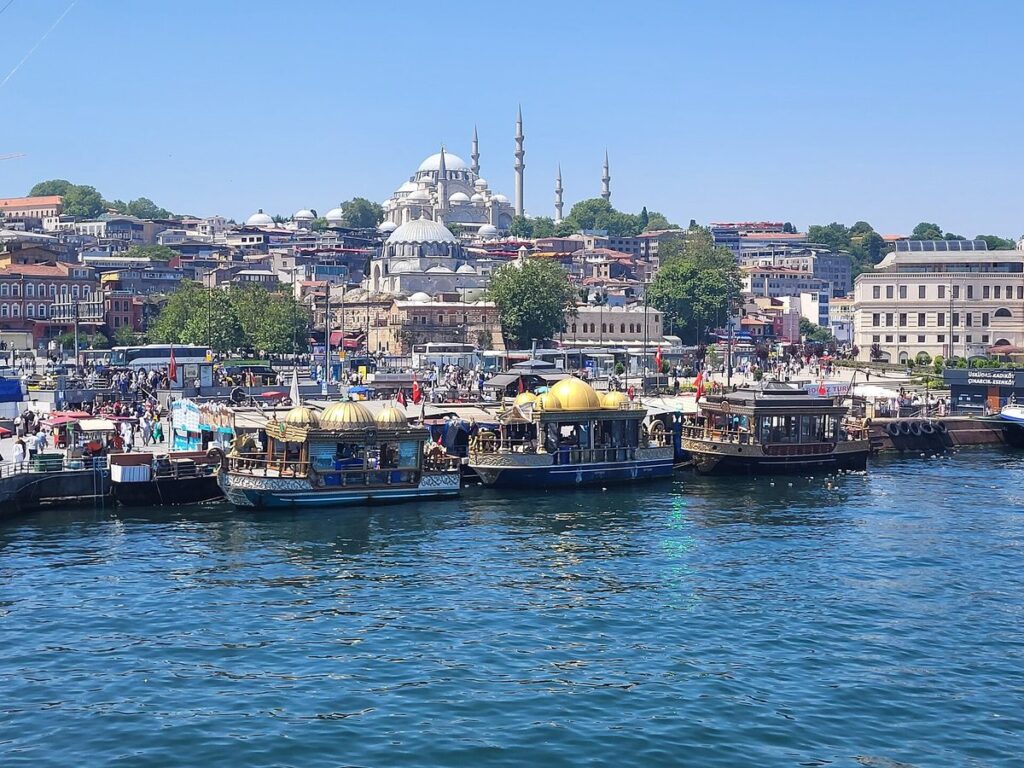
| 17 | Balık ekmek at Eminönü | Eminönü | Lunchtime | Street food |
| 18 | A long Turkish breakfast | Beşiktaş, Kadıköy, Çengelköy | Weekend morning | Café prices |
| 19 | A meyhane night with rakı | Beyoğlu, Kadıköy | From 20:00 | Dinner |
| 20 | Midye dolma from a street tray | İstiklal, Kadıköy | Evening | Street food |
| 21 | Kokoreç after midnight | Beyoğlu, Kadıköy | Late | Street food |
| 22 | Turkish coffee, the slow way | Anywhere | After lunch | Café prices |
| 23 | Baklava in Karaköy | Karaköy | Afternoon | Café prices |
| 24 | Lokum from Hacı Bekir | Eminönü and other branches | Any day | Shop prices |
| 25 | Boza at Vefa | Vefa | A winter evening | Café prices |
| 26 | A lokanta lunch | Everywhere | Noon to 14:00 | Lunch |
| 27 | A Kadıköy market crawl | Kadıköy | Late morning | Snack prices |
| 28 | A kumpir at Ortaköy | Ortaköy | Evening | Street food |
| 29 | A hamam scrub | Çemberlitaş and beyond | A cold day | From 3,200 TL at Çemberlitaş |
| 30 | Haggling in the Grand Bazaar | Beyazıt | Monday to Saturday | Whatever you agree |
| 31 | Buying spices by weight | Spice Bazaar, Eminönü | Morning | Shop prices |
| 32 | An ebru (paper marbling) lesson | Workshops around the city | A rainy afternoon | Class fee |
| 33 | Tea and backgammon in a tea garden | Anywhere with a view | Afternoon | A few glasses of tea |
| 34 | A hot-towel shave | Any neighbourhood barber | Any day | Barber’s prices |
| 35 | Balat and Fener | Golden Horn | Weekday morning | Free |
| 36 | Kuzguncuk on a weekday | Asian shore | Weekday morning | Free |
| 37 | Moda’s shore at sunset | Kadıköy | Sunset | Free |
| 38 | Cihangir and Çukurcuma | Beyoğlu | Afternoon | Museum of Innocence 800 TL |
| 39 | Karaköy’s coffee and street art | Karaköy | Morning | Café prices |
| 40 | The land walls on foot | Edirnekapı to Topkapı | Daylight | Free |
| 41 | İstiklal and its arcades at night | Beyoğlu | Evening | Free |
| 42 | Making friends with the street cats | Everywhere | Always | Free |
| 43 | Tulips at Emirgan | Emirgan | April | Free |
| 44 | Ramadan evenings in Sultanahmet | Sultanahmet | Ramadan | Free to watch |
| 45 | The Istanbul Film Festival | Cinemas citywide | April | Ticket |
| 46 | The Istanbul Marathon | Across the Bosphorus | Autumn | Entry fee |
| 47 | A derby under floodlights | The big three’s grounds | Match nights | Ticket |
| 48 | Judas trees in flower on the Bosphorus | Both shores | Spring | Ferry fare |
| 49 | Edirne’s Selimiye Mosque | Edirne | A full day | Bus or car |
| 50 | Bursa and the cable car up Uludağ | Bursa | A full day | Ferry or bus, cable car |
On the water
Istanbul is a city built around water, and the best of it is seen from a boat. Ferries are public transport here, cheap and frequent, and every crossing is a sightseeing trip. Fares change, so we keep the current figures in one place, our Istanbulkart guide; the card works on most of the boats below.
1. The whole Bosphorus by public ferry
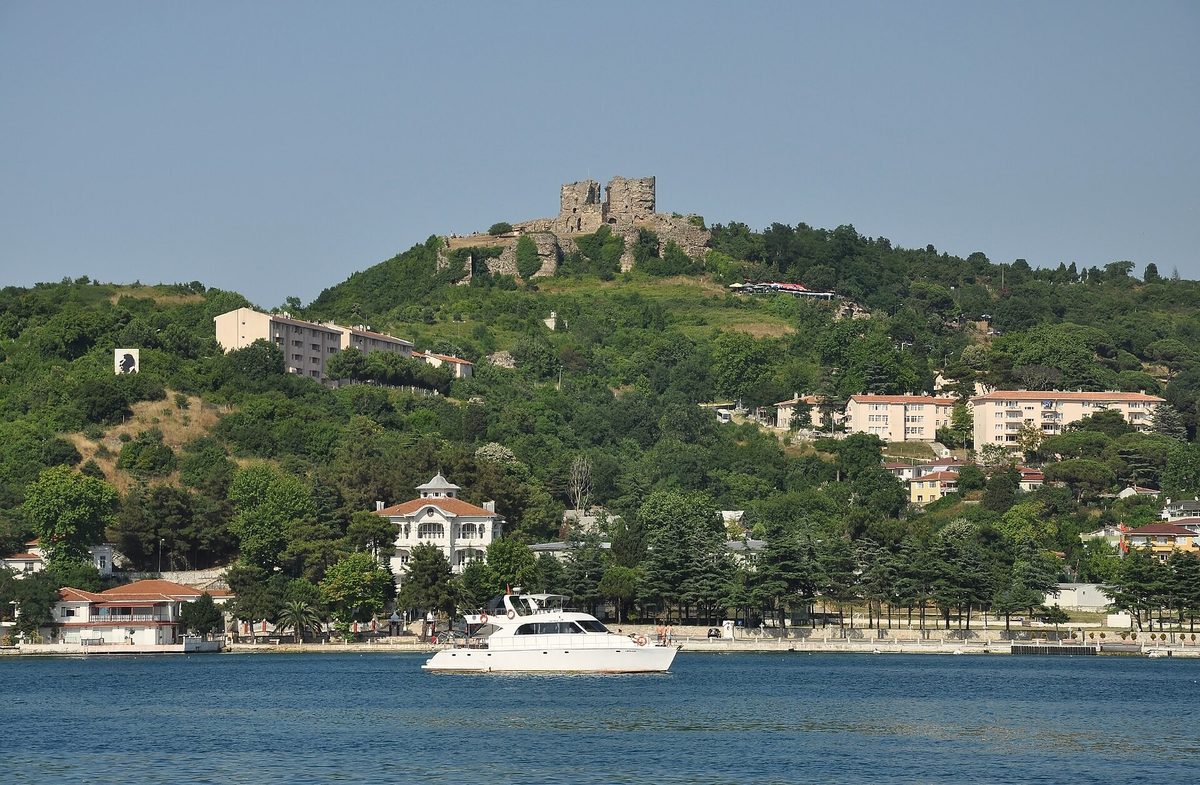
Şehir Hatları, the city ferry company, runs a Long Bosphorus Tour from Eminönü all the way up the strait to Anadolu Kavağı, the last village on the Asian shore before the Black Sea, zigzagging between the two continents and calling at piers on the way. There is time ashore at the top for a fish lunch and the climb to the ruins of Yoros Castle before the boat brings you back. It is one of the best-value full days out in Istanbul. Check the current timetable and fare on Şehir Hatları’s own site before you go, arrive early to get a seat on the open deck, and see our Bosphorus cruise guide for the other ways onto the strait.
2. Tea and a simit on a commuter ferry
The cheapest great experience in Istanbul. Any commuter ferry across the Bosphorus has a saloon with a tea counter and a man who walks the decks with a tray, and the simit, a ring of bread crusted with sesame, is the thing to eat with it. Buy one from a cart on the pier before you board, stand at the stern, and throw the last bit to the gulls that follow every boat. It costs a ferry fare and two glasses of tea, and you will do it again on your last day.
3. Sunset over the old city from the water
Time a crossing from Kadıköy or Üsküdar back to Eminönü for sunset, and the skyline of the historic peninsula, Topkapı, Hagia Sophia, the Blue Mosque and the Süleymaniye, turns into a row of silhouettes against the light, with the call to prayer coming across the water as you dock. It is the image of Istanbul most people carry home.
4. The Maiden’s Tower by boat

The little tower on its islet off Salacak has served as a lighthouse among other things over the centuries, and after a long restoration it reopened in 2023 as a museum you reach by boat. The view back to the old city from its terrace is the reason to go. Tickets and the boat out are sold separately and prices change, so check them on the tower’s official site before you plan around a visit. If you would rather keep your money, the shore at Salacak opposite gives you the tower and the skyline together for nothing.
5. The Princes’ Islands on foot or by bike
An hour or two by ferry from the city, the car-free Princes’ Islands are a world of timber mansions, pine woods and horse-free lanes, since the old phaetons were replaced by electric vehicles. Büyükada, the biggest, is the classic day out: walk or cycle the circuit road, climb to the monastery of Aya Yorgi on the hill, and eat fish by the harbour. Heybeliada is quieter and just as pretty. Go on a weekday in spring or autumn; summer weekends are crowded and hot. Our Princes’ Islands guide has the piers, the ferries and the walks.
6. Up the Golden Horn to Eyüp and Pierre Loti
Take a Golden Horn ferry or bus up to Eyüp, one of the holiest places in Istanbul, where pilgrims visit the tomb of Abu Ayyub al-Ansari, a companion of the Prophet, in the courtyard of the Eyüp Sultan Mosque. Then ride the short cable car up the hill to the café at Pierre Loti, named after the French writer who drank tea there, for the view down the whole length of the Golden Horn. The cable car stops in high winds, so check that it is running on the day. Go in the morning; the café terrace is packed at sunset.
7. Under the Bosphorus by Marmaray
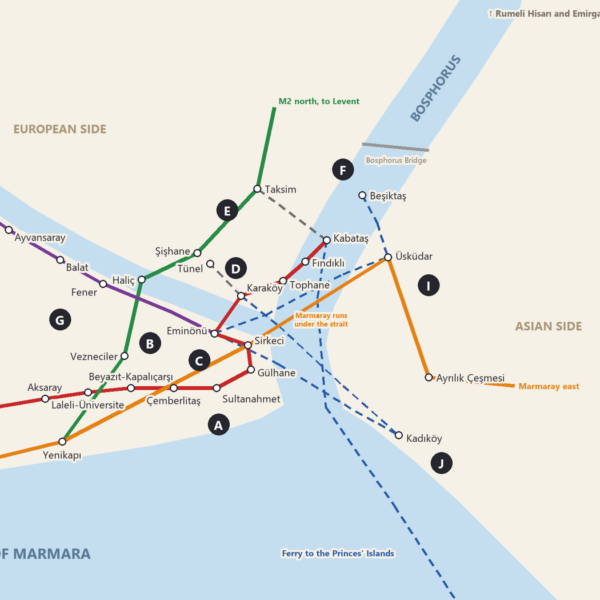
Crossing between Europe and Asia by ferry is the romantic way. Doing it in a train under the seabed is the remarkable one. The Marmaray line runs in a tunnel beneath the Bosphorus between Sirkeci on the European side and Üsküdar on the Asian, and the crossing takes a few minutes; it costs a standard fare with your Istanbulkart. Do it once for the novelty, and then use it, because it is also the quickest way between the two sides in rush hour.
8. The anglers on the Galata Bridge
From dawn to well after dark the upper deck of the Galata Bridge is lined with men fishing for small fry over the railings, buckets of bait and catch at their feet, while the trams and the city stream past behind them. Walk the bridge slowly from Karaköy to Eminönü, look over a few buckets, and watch the ferries come and go below. It costs nothing and is the most Istanbul ten minutes there is.
Sacred and spectacular
These are the famous ones, and they deserve their fame. The trick is timing: early mornings, weekdays, and a working knowledge of prayer times and closed days. Our full guide to the best things to do in Istanbul has prices, hours and closed days for all the major sights in one table.
9. Hagia Sophia’s galleries
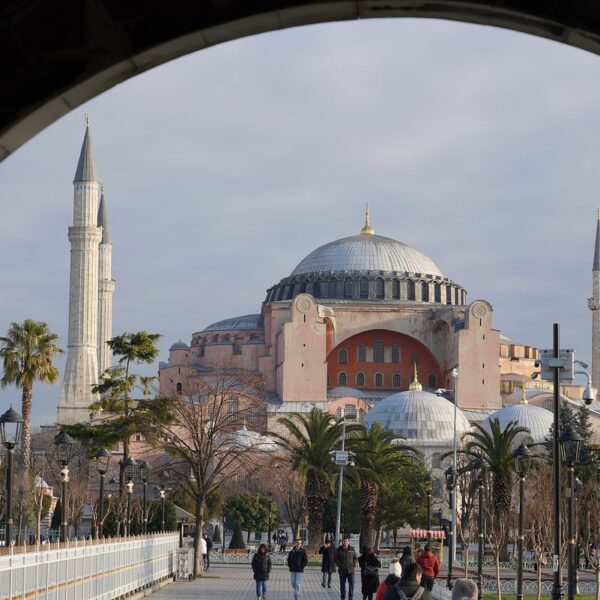
Nearly fifteen hundred years old, Hagia Sophia is still the building that stops people in their tracks. Since it became a mosque again, foreign visitors follow a ticketed route through the upper galleries, past the Byzantine mosaics, with long views down into the nave, while the ground floor is kept for worshippers. Go at opening time, check the current ticket price and hours on the official site, and avoid Friday midday. Our Hagia Sophia guide explains the visit in detail.
10. The Blue Mosque between prayers
Six minarets, a cascade of domes and an interior of blue İznik tiles under a ring of hanging lamps: the Sultan Ahmed Mosque is free, and the visitor entrance is open between the five daily prayers. Go early in the morning, cover shoulders and knees (women cover their hair too), carry your shoes in a bag, and sit for a while on the carpet looking up. Avoid Friday midday, when it is closed to sightseers for longer.
11. The Süleymaniye at sunset
Mimar Sinan’s mosque for Süleyman the Magnificent crowns the third hill, and its terrace looks straight down the Golden Horn to the Bosphorus. Come in the late afternoon, see the interior between prayers, walk through the cemetery to the tombs of Süleyman and Hürrem, and then stand at the terrace wall as the sun goes down behind you and the light turns the water gold. It is free, and for many people it is the finest building in the city.
12. The Chora’s mosaics
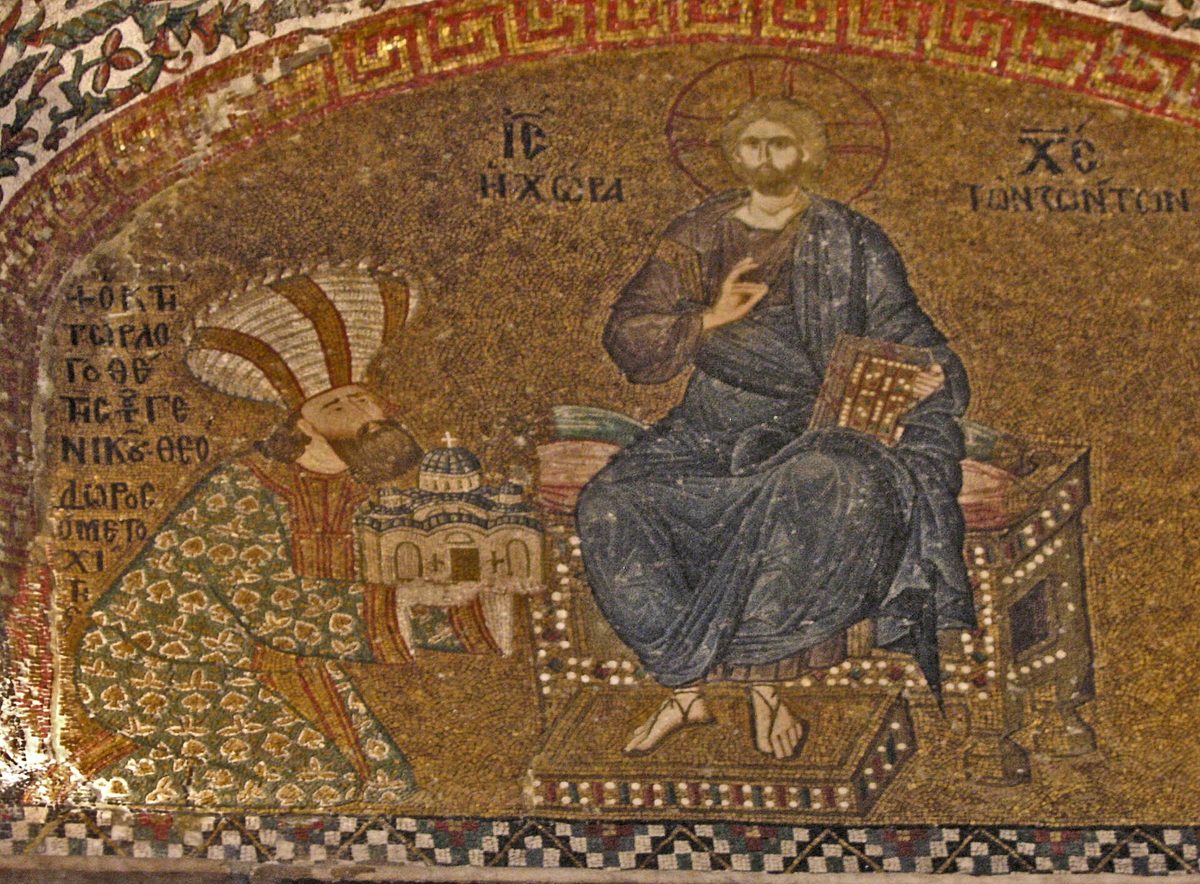
Out by the land walls at Edirnekapı, the Chora holds the finest Byzantine mosaics and frescoes in the city, made in the early fourteenth century for the statesman Theodore Metochites, who appears in one of them offering the church to Christ. It reopened as the Kariye Mosque in 2024, and foreign visitors pay an entry fee set in euros to see the mosaics, with access limited around prayers and on Fridays. Check the current fee and hours before you make the trip, then combine it with a walk along the walls.
13. The Basilica Cistern
Down a flight of steps from the busiest corner of Sultanahmet, the Byzantine Basilica Cistern spreads out in a forest of columns standing in shallow water, lit from below, with two Medusa heads at the far end used as column bases. It is magical first thing in the morning and crowded by noon. Its hours change with the seasons, so check the current hours and ticket price through its official sales channel before you go.
14. A sema: the whirling dervishes
The sema, the turning ceremony of the Mevlevi dervishes, is a religious ritual before it is a show, and it is one of the most memorable hours you can spend in Istanbul. The Hodjapasha Cultural Centre in Sirkeci holds one every day at 19:00, lasting about an hour; book on its own site, check in half an hour early, and leave the camera in your bag during the ceremony. The Galata Mevlevi Lodge in Beyoğlu, a real dervish lodge, also holds ceremonies on some days; check its programme with the museum.
15. Topkapı’s Harem and Treasury
The palace of the Ottoman sultans for nearly four centuries is a sequence of courtyards, kiosks and pavilions on the tip of the old city, with the Harem’s tiled rooms and the Treasury’s jewels as its high points and views over the Bosphorus from the fourth courtyard. Give it three hours, go early, and remember that it is closed on Tuesdays. Prices, the Harem ticket and how to beat the queues are in our Topkapı Palace guide.
16. The call to prayer from a rooftop
Five times a day the ezan rises from one minaret, is picked up by the next, and rolls across the city in overlapping waves. Hear it once from a rooftop terrace in Sultanahmet or Galata at dusk, with the domes lit around you, and you will understand why visitors talk about it more than any building. The time moves with the sun every day; the Diyanet publishes it on its prayer-time page for Istanbul.
Eat and drink
Istanbul is one of the great food cities, and much of the best of it is cheap, quick and eaten standing up. These twelve are the tastes worth building a day around; our guide to what to eat in Istanbul explains every dish you will meet.
17. Balık ekmek at Eminönü
A grilled fish fillet in half a loaf with onion, lettuce and a squeeze of lemon, cooked at the Eminönü waterfront, traditionally on boats moored at the quay, and eaten on a stool with a cup of pickle juice. It is cheap, a little messy and completely essential. Eat it at lunchtime with the ferries and the New Mosque behind you, and don’t let anyone talk you into the sit-down fish restaurants under the bridge instead.
18. A long Turkish breakfast
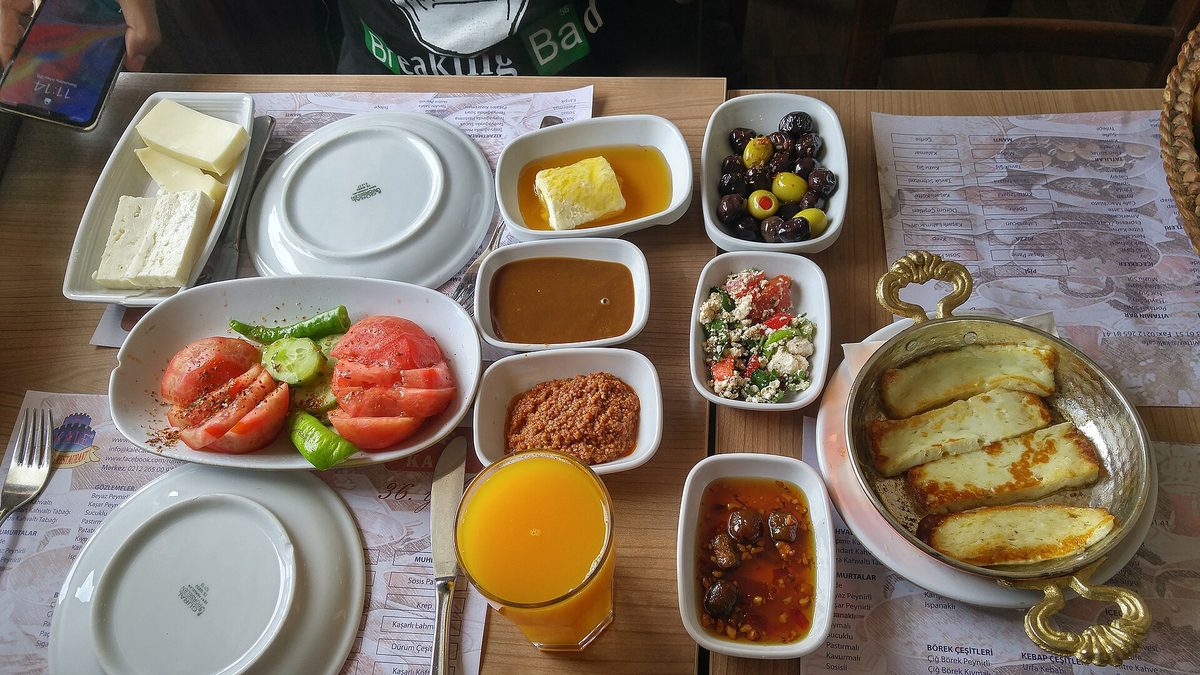
Kahvaltı is not a quick meal. A proper Turkish breakfast covers the table with small plates: white cheese and aged kaşar, olives, tomatoes and cucumbers, honey with clotted cream, jams, eggs in a pan (menemen if you are lucky), pastries and a pot of tea that never runs out. Do it at the weekend, take two hours, and do it where Istanbul does it: in Beşiktaş’s breakfast street, in Kadıköy or on the Asian shore at Çengelköy.
19. A meyhane night with rakı
The great Istanbul evening: a table of cold meze, then hot ones, then fish, with rakı, the aniseed spirit that turns cloudy when you add water and ice, and conversation that goes on for hours. A fasıl band may work its way round the tables. Book for eight or later and let the evening set its pace. Our Istanbul nightlife guide has the meyhane districts and what to order.
20. Midye dolma from a street tray
Mussels stuffed with spiced rice, currants and pine nuts, sold from trays by street vendors who open them one at a time, squeeze lemon over and hand them to you until you say stop. They are at their best late in the evening on İstiklal, in Kadıköy or in Beşiktaş. Buy from a busy seller, where the turnover is fastest, and count the shells before you pay.
21. Kokoreç after midnight
Lamb intestines wrapped round sweetbreads, turned slowly on a horizontal spit over charcoal, chopped on a board with tomatoes, peppers, oregano and chilli and stuffed into bread. It sounds like a dare and tastes like a very good late-night sandwich. Find a busy kokoreç counter in Beyoğlu or Kadıköy after a long evening and you will understand.
22. Turkish coffee, the slow way
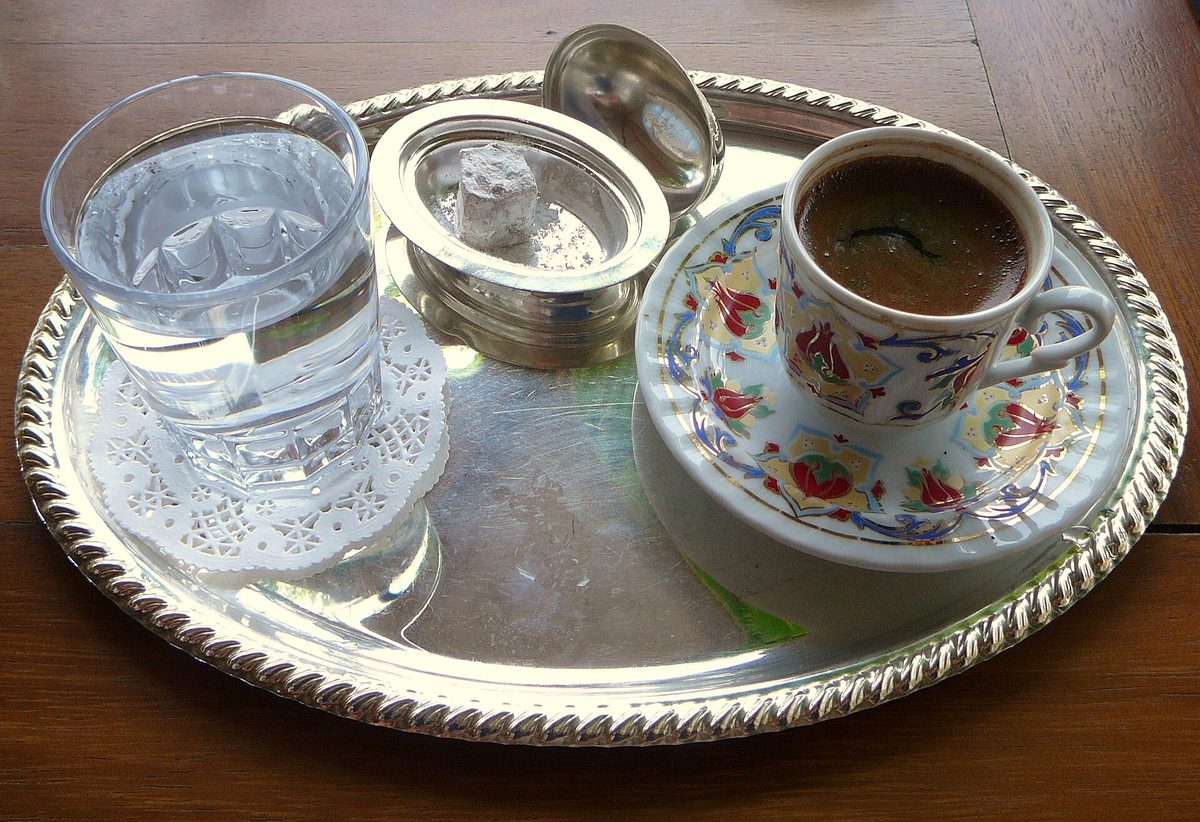
Ground to a powder, boiled slowly in a small copper pot with sugar if you ask for it (sade is without, orta is medium, şekerli is sweet), and served in a small cup with a glass of water and often a piece of Turkish delight. Let it settle, sip it slowly and stop before the grounds. Some cafés will read your fortune in them afterwards, if you turn the cup over onto the saucer.
23. Baklava in Karaköy
Karaköy, at the foot of the Galata hill, is the city’s baklava district, where the big pastry houses turn out tray after tray of the stuff: paper-thin layers of pastry, pistachio or walnut, butter and syrup. Order it by the portion with a glass of tea, try the pistachio first, and ask for kaymak, thick clotted cream, on the side. Go mid-afternoon, when the trays are fresh and the counters are busy.
24. Lokum from Hacı Bekir
Turkish delight is sold everywhere, but the confectioner Hacı Bekir, which gives 1777 as the year its first shop opened, is the place to buy it: rose, lemon, mastic, pistachio or the double-roasted versions, cut to order and weighed into a box. Its shop in the Bahçekapı area near Eminönü is the one to visit. Buy a mixed box, eat half before you leave the city, and take the rest home.
25. Boza at Vefa on a winter night
Boza is a thick, faintly sour drink of fermented millet, served with cinnamon on top and roasted chickpeas on the side, and it is strictly a cold-weather pleasure. Vefa Bozacısı, which gives 1876 as its founding year, is the classic place for it, in the old Vefa quarter a short walk from the Süleymaniye. Drink it standing at the counter; it divides opinion at the first sip, which is half the fun. It is on our list of thirty places most visitors to Istanbul miss.
26. A lokanta lunch
An esnaf lokantası, a tradesmen’s restaurant, is where Istanbul eats lunch: trays of the day’s stews, vegetables in olive oil, pilafs and soups, a point at what you want and a fair price at the till. It is the best way to eat home cooking without being invited home. Kanaat in Üsküdar is one of the classics, and there is a lokanta on almost every street near a market or a ferry pier.
27. A Kadıköy market crawl
The streets around Kadıköy’s market on the Asian side are among the best food-shopping streets in Istanbul: fishmongers with the day’s catch on ice, pickle shops selling glasses of pickle juice, delis with dozens of cheeses and olives, coffee roasters, sweet shops and meze counters. Go late morning, eat as you walk, and finish at one of the meze restaurants in the side streets. The ferry from Eminönü or Karaköy brings you to the market’s doorstep; our Asian side guide maps the streets.
28. A kumpir at Ortaköy
A huge baked potato, split and mashed with butter and cheese, then loaded at your direction with a dozen toppings, from olives and corn to Russian salad and sausage. It is the snack of Ortaköy’s square, under the Bosphorus Bridge, and eating one on the sea wall beside the floodlit mosque is a rite of passage for Istanbul teenagers. Join them.
Rituals and crafts
29. A hamam scrub
Lie on the heated marble slab under the dome until you are thoroughly warm, then let an attendant scrub you with a rough kese mitt until layers of skin come away, and wash you in a cloud of soap foam. It is one of the great Istanbul experiences, and it is best on a cold day. The Çemberlitaş Hamamı near the Grand Bazaar is open every day from 06:00 to midnight, with entry from 3,200 TL (about €57). Our guide to Turkish baths in Istanbul covers etiquette, prices and which bath to choose.
30. Haggling in the Grand Bazaar
Sixty-odd lanes of shops under painted vaults, usually open Monday to Saturday and closed on Sundays; check the hours before you go. Haggling is expected for carpets, lamps, ceramics and textiles, much less so for gold and branded goods. Know what you want to pay before you ask, start well below it, smile, and be ready to walk away; the best price often arrives as you reach the door. Our Grand Bazaar guide has the gates, the hans and fair prices.
31. Buying spices by weight
The Spice Bazaar at Eminönü is the obvious place to buy saffron, sumac, pul biber (chilli flakes), dried fruit and tea, and the streets around it, where the locals shop, are often better value. Buy by weight rather than in the pre-packed gift boxes, taste before you buy, and ask for vacuum packing if you are flying home. Be wary of very cheap saffron.
32. An ebru lesson
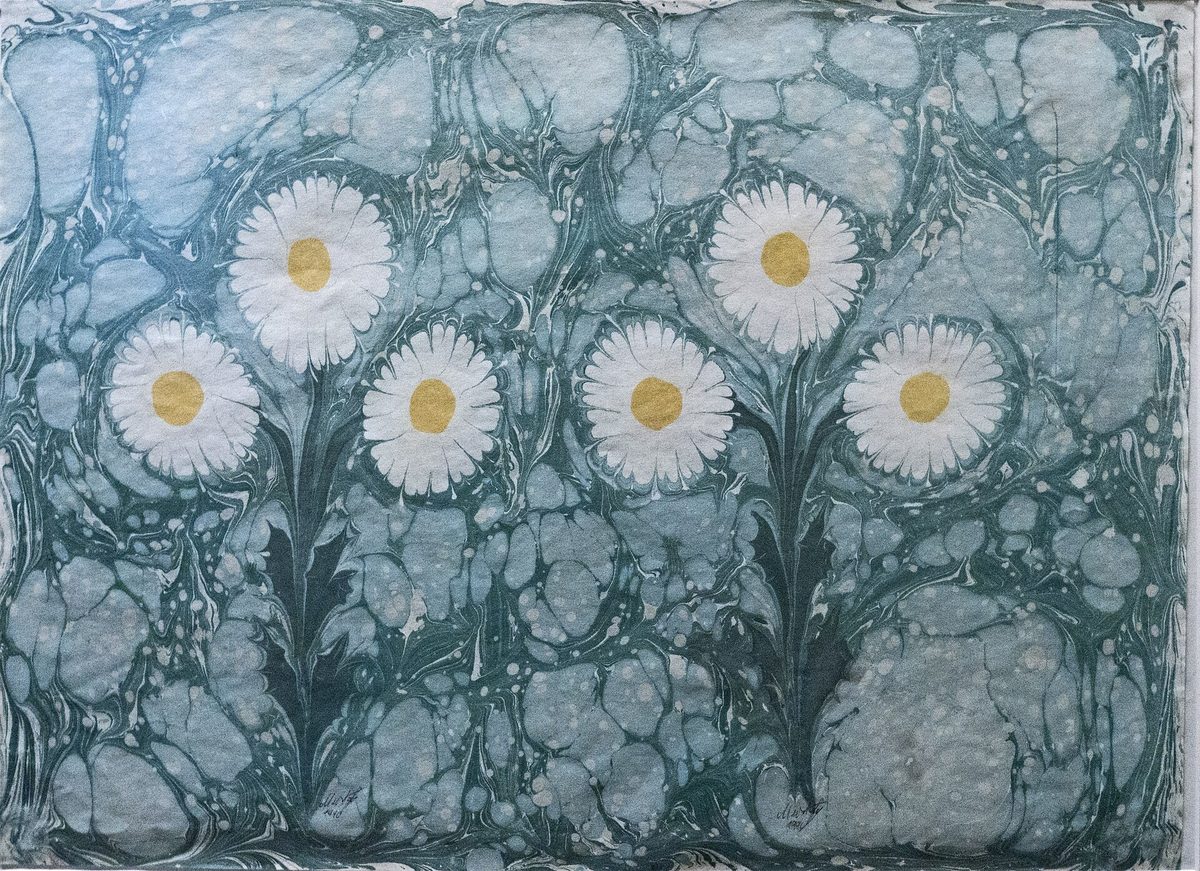
Ebru is the Turkish art of marbling paper: pigments are dropped and combed on the surface of thickened water, then lifted onto a sheet of paper in a single movement. Watching a master make a flower from a few drops of paint is mesmerising, and a short class, offered by workshops around the city, lets you make your own to take home. Book ahead, and choose a class led by a practising artist rather than one tacked onto a shop.
33. Tea and backgammon in a tea garden
Find a çay bahçesi, a tea garden, ideally with a view of the water, order tea by the glass and ask for a tavla board. Istanbul plays backgammon fast, slamming the pieces down, and a game with a stranger is one of the easiest ways to break the ice with the city. If you don’t know the rules, watching the regulars is almost as good.
34. A hot-towel shave
A neighbourhood barber’s shop is one of the last places where Istanbul still runs on ritual: the cut-throat razor, the hot towel, the cologne, the flame to singe the ear hair if you allow it, and a glass of tea throughout. Agree the price before you sit down, and leave the singeing to the brave.
Neighbourhood days
35. Balat and Fener
The old Greek and Jewish quarters on the Golden Horn are a hillside of coloured houses, steep cobbled streets, antique shops and cafés, with the seat of the Ecumenical Patriarchate, the red-brick bulk of the Phanar Greek school and the cast-iron Bulgarian church of St Stephen all within a short walk. Go on a weekday morning, before the photo shoots arrive, and take your time on the back streets. Our Balat and Fener guide has a walking route.
36. Kuzguncuk on a weekday
A Bosphorus village of timber houses, greengrocers and cafés on the Asian shore just north of Üsküdar, with two synagogues, Armenian and Greek churches and a mosque built in 1952 in the courtyard of the Armenian church. It looks like a film set because it often is one: Turkish television has filmed here since the 1980s. Go on a weekday morning, before the weekend crowds.
37. Moda’s shore at sunset
South of Kadıköy’s market, the Moda peninsula has a long seafront path where half of the Asian side seems to gather at the end of the day, sitting on the rocks and the grass with tea, beer or sunflower seeds as the sun drops behind the old city across the water. Walk there through the market, sit down, and stay until the lights come on.
38. Cihangir and Çukurcuma
The hill between İstiklal and the Bosphorus is the city’s bohemian quarter: Cihangir’s cafés and cats at the top, and Çukurcuma’s antique and junk shops below, where browsing is the whole point. Orhan Pamuk’s Museum of Innocence is here, a townhouse filled with the objects of his novel of the same name; admission is 800 TL, and it is closed on Mondays. Our Beyoğlu guide covers the neighbourhood.
39. Karaköy’s coffee and street art
Karaköy, at the foot of the Galata hill, went from a district of ship chandlers and hardware shops to the city’s café quarter in a decade, and its back lanes are covered in street art. Spend a morning there: coffee in one of the converted warehouses, a walk through the murals, then the hardware lanes of Perşembe Pazarı nearby to see what the district used to be.
40. The land walls on foot
The Theodosian walls run for kilometres across the peninsula from the Golden Horn to the Sea of Marmara, a double line of walls, towers and gates that held off attackers for a thousand years. Walk a stretch of them, from Edirnekapı down towards Topkapı or from Ayvansaray to Edirnekapı, and you will have them almost to yourself. Wear good shoes, stay on the open paths, and walk in daylight.
41. İstiklal and its arcades at night
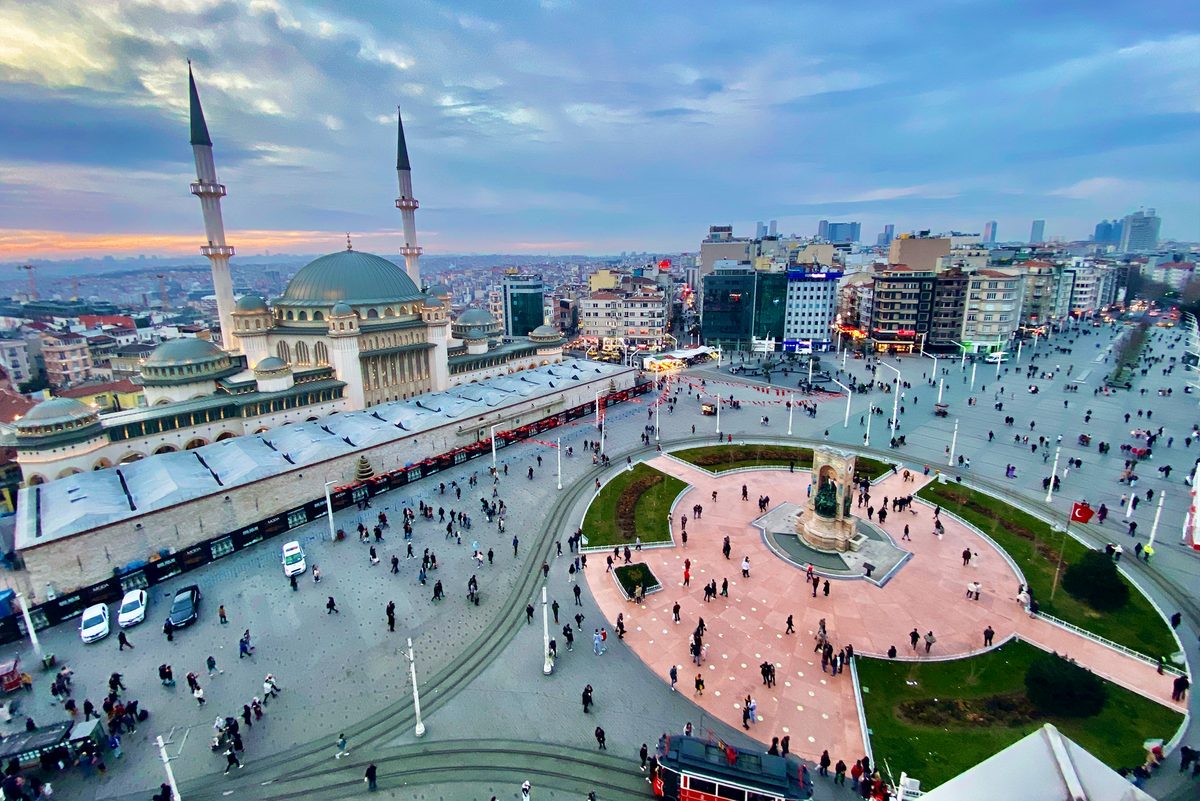
The long pedestrian avenue from Taksim to Tünel is at its liveliest in the evening, with bookshops, buskers, the red nostalgic tram and glass-roofed arcades like Çiçek Pasajı off to the side. Walk it from top to bottom, duck into the arcades, and end at the Galata Tower with the city lit below.
42. Making friends with the street cats
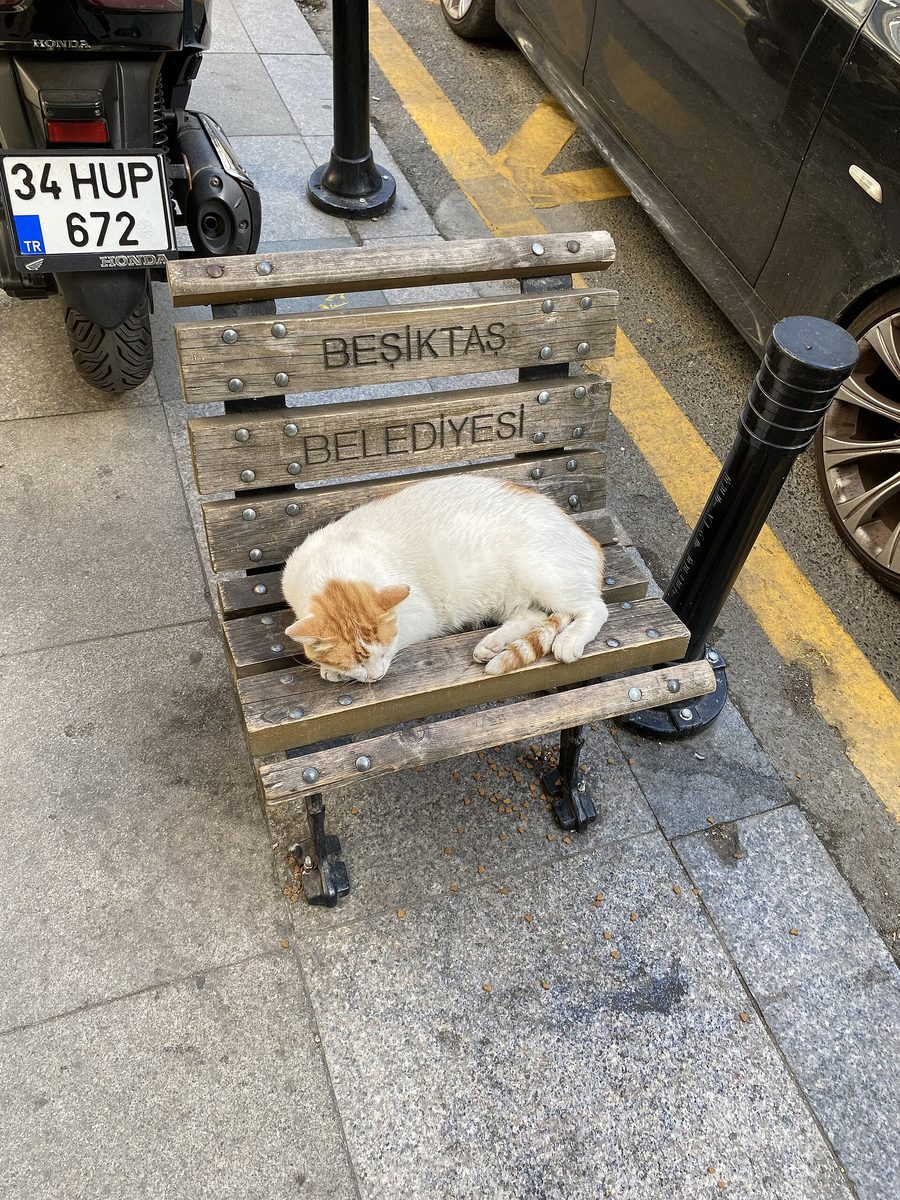
Istanbul’s cats own the city. They sleep on café chairs and municipal benches, wait outside fishmongers, and are fed and sheltered by whole neighbourhoods, which leave out bowls and build little houses for them. Stop to say hello; most of them expect it. Kadıköy and Cihangir are especially cat-proud, but you will meet them everywhere, including inside mosques and bookshops.
The calendar
Some of Istanbul’s best experiences only happen at certain times of year. Our guide to Istanbul events has the full calendar.
43. Tulips at Emirgan in April
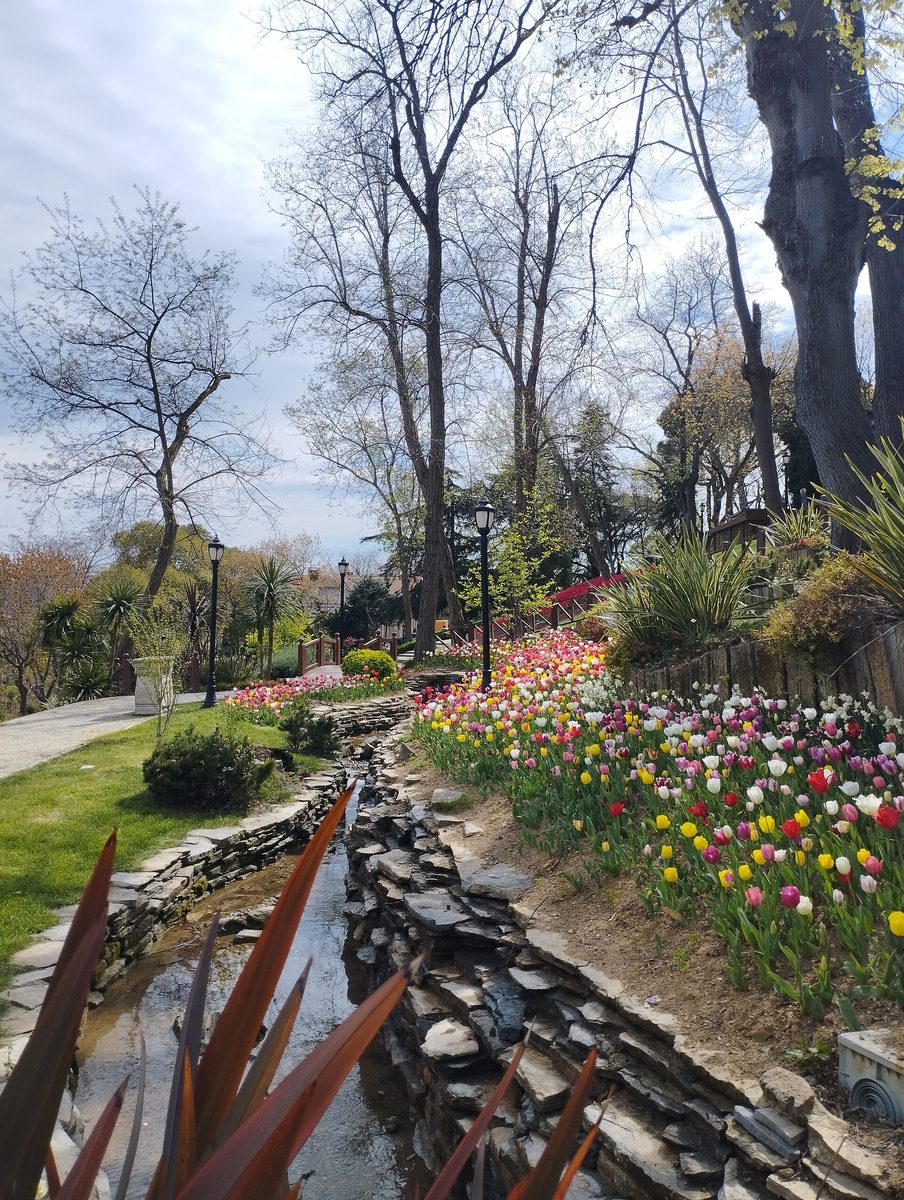
The tulip is an Ottoman emblem before it is a Dutch one, and every April the city fills its parks with them for the Istanbul Tulip Festival, with Emirgan Park on the European shore of the Bosphorus as the centrepiece. Go on a weekday morning, then walk down to the shore for tea. The municipality announces the festival each spring, so check its dates before you book.
44. Ramadan evenings in Sultanahmet
During Ramadan, Sultanahmet Square fills at sunset as families break the fast together, and the evenings that follow have the feel of a festival, with stalls, music and crowds into the night. Visitors are welcome to watch and to eat; just don’t eat, drink or smoke conspicuously in the street during the daytime fast. Ramadan moves about eleven days earlier each year, and in 2027 it falls in February and early March, so check the Diyanet’s calendar for the exact dates.
45. The Istanbul Film Festival
Run by İKSV, the Istanbul Foundation for Culture and Arts, the Istanbul Film Festival fills the city’s cinemas each April with Turkish and international films, many with English subtitles; check İKSV’s site for the 2027 dates. İKSV’s summer music and jazz festivals follow later in the year, often in historic venues. Programmes and tickets are on the same site.
46. The Istanbul Marathon
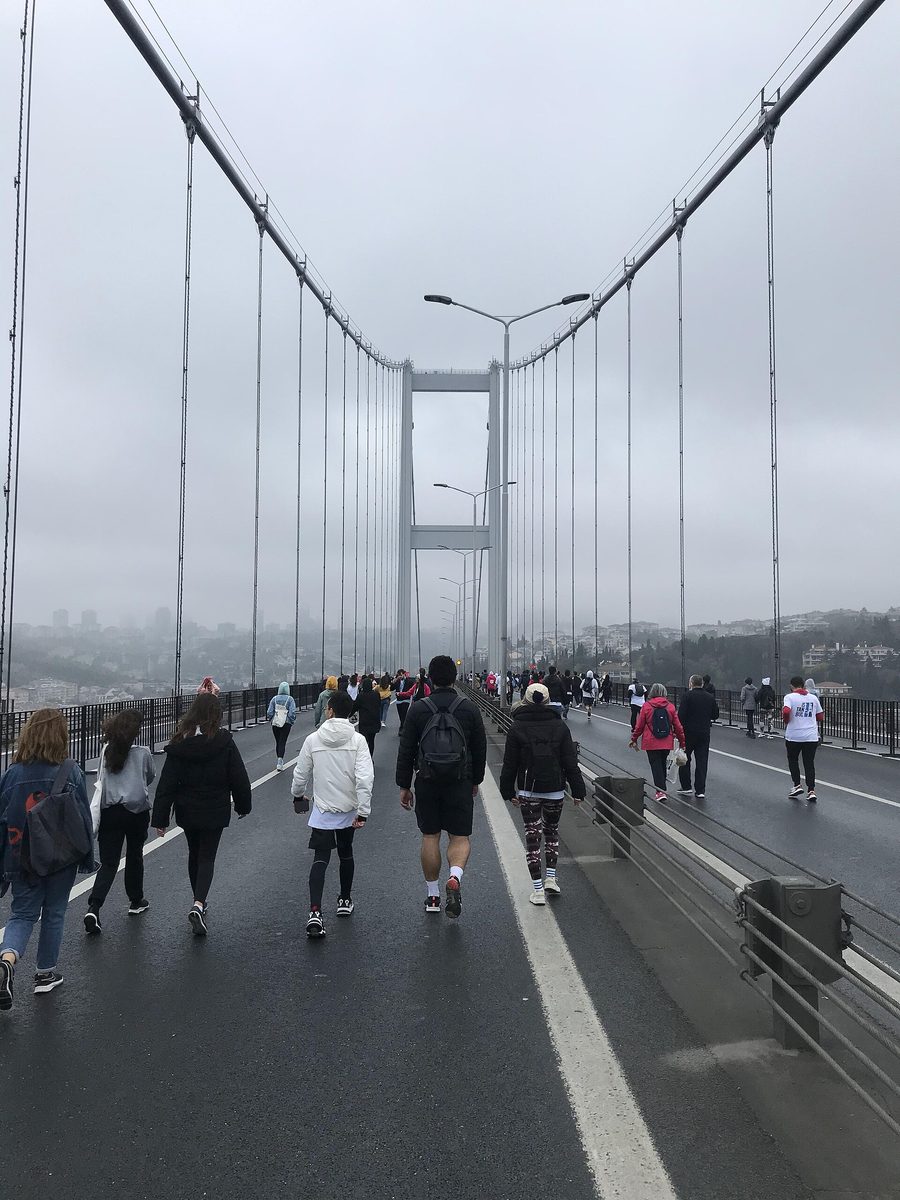
The Istanbul Marathon is held in the autumn, and its course crosses the Bosphorus by bridge, which makes it one of the few days in the year when you can cross between continents on foot. There are shorter races and a public fun run alongside the full distance. Check the organiser’s site for the next edition’s date and how to enter.
47. A derby under floodlights
When two of Istanbul’s big three, Beşiktaş, Fenerbahçe and Galatasaray, meet, the city takes sides and the noise inside the ground is extraordinary. Tickets are hard to get and sold through the clubs’ own channels, so plan early through the club’s official ticketing page and check what ID or card the ground asks for at the gate. If you can’t get in, watch in a packed bar in the home side’s district instead.
48. Judas trees in flower on the Bosphorus
In spring the wooded hills along the Bosphorus turn pink as the Judas trees, erguvan in Turkish, come into flower, and a ferry or a shore walk up the strait in that season is one of the prettiest days the city offers. Combine it with the tulips at Emirgan, which bloom around the same time.
Beyond the city
Two day trips earn a place on the list. Our guide to day trips from Istanbul covers getting there and back.
49. Edirne’s Selimiye Mosque
Sinan considered the Selimiye in Edirne, the old Ottoman capital near the Greek and Bulgarian borders, his masterpiece, and many people agree: a single vast dome over a space flooded with light, with four slender minarets at the corners. It is on UNESCO’s World Heritage List. Edirne is a long day trip by bus or car, so leave early, and add the old bazaars and a plate of the town’s fried liver.
50. Bursa and the cable car up Uludağ
Bursa, the first great Ottoman capital, sits at the foot of Uludağ across the Sea of Marmara: green mosques and tombs, covered markets, silk, İskender kebab in its home town, and a long cable car ride up the mountain. It is a full day by ferry and road, best on a clear day when the view from the top is worth the ride.
What to leave off the list
The carpet-shop tour. The friendly guide who walks you to his cousin’s carpet shop is a staple of Sultanahmet. Buy a carpet if you want one, from a shop you chose yourself; don’t let the tea turn into an obligation.
The “Turkish night” dinner show. Belly dance, folk dance and banquet food, sold through hotel desks. A sema or a meyhane with a fasıl band gives you the real thing.
The dinner cruise. A commuter ferry at dusk shows you more of the Bosphorus for the price of a fare, and our guide to things to do in Istanbul at night has better evenings.
Ticking boxes on a short trip. Fifty experiences take more than a week. With three or four days, choose a handful from each group, put the ferry and the hamam at the top, and leave the rest for the next visit.
How to plan your Istanbul bucket list
Three days. Day one in Sultanahmet: Hagia Sophia at opening time, the Blue Mosque, the Basilica Cistern, Topkapı (not on a Tuesday), and a sema at Hodjapasha in the evening. Day two on the water: the Long Bosphorus Tour, then balık ekmek at Eminönü and the Spice Bazaar. Day three in Beyoğlu and Kadıköy: Galata, Çukurcuma, the ferry across, the Kadıköy market, Moda at sunset and a meyhane dinner.
Five days. Add a hamam, the Süleymaniye at sunset, the Grand Bazaar (not on a Sunday), Balat and Fener, the Chora, the Princes’ Islands and a Turkish breakfast on the Asian shore. Our Istanbul itinerary has day-by-day plans.
When to go. April brings the tulips, the Film Festival and the Judas trees; May, June, September and October are the most comfortable months for the outdoor experiences; winter is the season for boza, hamams and empty museums. Our guide to the best time to visit Istanbul goes month by month.
Frequently asked questions
What should be on my Istanbul bucket list?
A ferry up the Bosphorus, Hagia Sophia and the Blue Mosque, the Basilica Cistern, Topkapı’s Harem, a hamam, a whirling dervish ceremony, balık ekmek at Eminönü, a meyhane night, the Grand Bazaar, Balat, Kadıköy’s market and a sunset from the water. Add the Princes’ Islands and the Chora if you have time.
What is Istanbul famous for?
Its position on two continents, divided by the Bosphorus; its Byzantine and Ottoman monuments, led by Hagia Sophia, the Blue Mosque and Topkapı Palace; its bazaars; its food, from street food to meyhane meze; its hamams; and its ferries.
What is the most unique thing to do in Istanbul?
Crossing between Europe and Asia, by ferry with a glass of tea or by train under the Bosphorus, is the experience no other city can offer. A sema, a hamam scrub and the call to prayer rolling across the water at dusk come close behind.
How many days do you need for an Istanbul bucket list?
Three days covers the essentials, five lets you add the islands, the Chora, a hamam and the Asian side at a relaxed pace, and a week or more is needed for the full list, including a day trip to Edirne or Bursa.
When is the best month for Istanbul’s festivals?
April, when the Tulip Festival and the Istanbul Film Festival overlap and the Judas trees flower on the Bosphorus. İKSV’s music and jazz festivals follow in summer, and the marathon is in the autumn.
Can you walk across the Bosphorus Bridge?
Not on an ordinary day; the Bosphorus bridges are motorways. The Istanbul Marathon, held in the autumn, is one of the few chances to cross on foot, in one of its races or its fun run.