Things to Do ·
30 Hidden Gems in Istanbul That Locals Actually Recommend
Thirty places most visitors miss, from the Şerefiye Cistern, Tekfur Palace and Sinan's smaller mosques to Bosphorus pavilions from 280 TL and the Asian-shore villages of Kuzguncuk, Çengelköy and Kanlıca.
In this guide 12 sections
- What makes a hidden gem in a city of 19 million visitors
- 30 hidden gems Istanbul locals send friends to, at a glance
- Byzantine Istanbul, hiding in plain sight
- Sinan and his successors, without the crowds
- Markets, hans and side streets
- Palaces and pavilions without the queue
- Shores, villages and an island
- Two places to eat like you live here
- Hidden gems that aren’t (or aren’t any more)
- Four half-day routes that join them up
- Practical notes
- Frequently asked questions
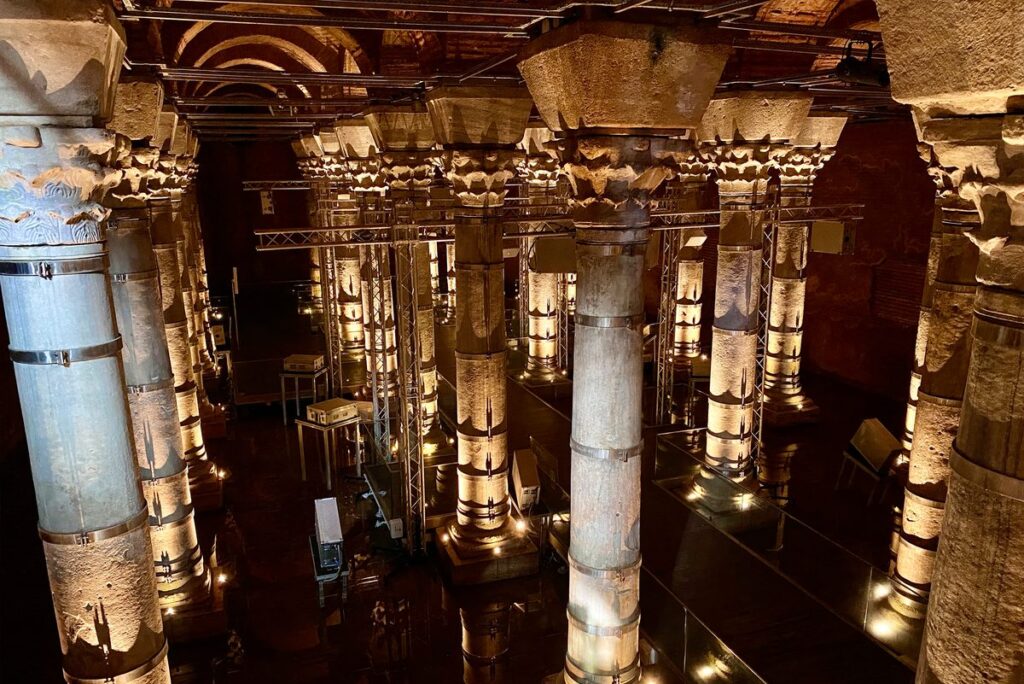
At ten on a weekday morning the Basilica Cistern’s queue can run back towards the tram tracks. A short walk west, the Şerefiye Cistern has its own forest of Byzantine columns and, most days, a fraction of the people.
The best hidden gems Istanbul keeps for people who look are the second-string Byzantine sites (the Şerefiye Cistern, Tekfur Palace, the Zeyrek and Arap mosques), Sinan’s smaller mosques in Kadırga, Tophane and Üsküdar, the Bosphorus pavilions at Küçüksu and Ihlamur, and the Asian-shore villages of Kuzguncuk, Çengelköy and Kanlıca. Most are free, and few ever have a queue.
Below are thirty of them, grouped by kind rather than by district, each with what it is, why it is worth the detour, what it costs where it costs anything, the day it shuts and what sits near it. Prices were checked in October and November 2026 and converted at the Central Bank’s rate on 17 November 2026, when €1 bought about 55 TL, $1 about 50 TL and £1 about 67 TL. If you have not planned the famous sights yet, start with our guide to the best things to do in Istanbul. This list is for the second visit, or the second half of the first.
What makes a hidden gem in a city of 19 million visitors
Istanbul received just under 19 million foreign visitors in 2025, by the provincial culture and tourism directorate’s count, and on a spring morning it can feel as though all of them are inside the same square kilometre of Sultanahmet. That gives a useful working definition. A hidden gem here is not a secret, because nothing in a city this old and this crowded is secret. It is a place the tour groups skip, where you can stand still and look without an elbow in your back.
Four rules shaped the list. Everything on it can be reached by tram, metro, ferry, train or bus, without hiring a car. There are no rooftop bars and no staircases painted for Instagram. Each place gives you something the famous equivalent cannot: a cistern you can hear yourself think in, tiles you can study from a metre away, a palace room with nobody else in it. And places that are closed, or that only open on a caretaker’s goodwill, are not passed off as gems; they have their own section near the end.
One practical point before you start. Nine of the thirty are working mosques. They are free and they welcome visitors, but they close to sightseers during the five daily prayers and for longer at Friday midday, and they expect covered shoulders and knees, covered hair for women and shoes off at the door. The practical section at the end has the details and the closed days.
30 hidden gems Istanbul locals send friends to, at a glance
| # | Hidden gem | Area | Foreign adult entry | Best for |
|---|---|---|---|---|
| 1 | Şerefiye Cistern | Sultanahmet | Ticket; check the price | A cistern without the queue |
| 2 | Binbirdirek Cistern | Sultanahmet | Check before you go | Double-height columns |
| 3 | Little Hagia Sophia | Sultanahmet, south side | Free | Justinian’s other church |
| 4 | Tekfur Palace | Edirnekapı, land walls | Ticket; check the price | A Byzantine palace and its tiles |
| 5 | Zeyrek Mosque | Zeyrek | Free | A twelfth-century monastery church |
| 6 | Arap Camii | Karaköy | Free | A Gothic church with a minaret |
| 7 | Yeraltı Camii | Karaköy | Free | A mosque in a Byzantine cellar |
| 8 | Sokollu Mehmet Paşa Mosque | Kadırga | Free | İznik tiles up close |
| 9 | Kılıç Ali Paşa Mosque | Tophane | Free | Late Sinan, with echoes of Hagia Sophia |
| 10 | Nuruosmaniye Mosque | Grand Bazaar | Free | Ottoman baroque |
| 11 | Atik Valide and Çinili mosques | Üsküdar | Free | Sinan, then Kösem Sultan’s tiles |
| 12 | Şemsi Paşa Mosque | Üsküdar shore | Free | A mosque on the water |
| 13 | Zeyrek Çinili Hamam | Zeyrek | Museum free on Thursdays; bath extra | A Sinan bath and its lost tiles |
| 14 | The hans behind the Grand Bazaar | Grand Bazaar | Free | Working courtyards |
| 15 | Perşembe Pazarı | Karaköy | Free | The city’s hardware district |
| 16 | Çukurcuma and the Museum of Innocence | Beyoğlu | 800 TL (museum) | Antiques and Orhan Pamuk |
| 17 | Yeldeğirmeni | Kadıköy | Free | Murals and neighbourhood cafés |
| 18 | Küçüksu Pavilion | Asian shore | 300 TL | A sultan’s summer house |
| 19 | Ihlamur Pavilions | Beşiktaş | 280 TL | Two pavilions in a garden |
| 20 | Aynalıkavak Pavilion | Hasköy, Golden Horn | 280 TL | A palace room to yourself |
| 21 | Yıldız Palace and park | Beşiktaş | 900 TL (palace) | Woods, pavilions, a late Ottoman palace |
| 22 | The Khedive’s Palace | Çubuklu, above Kanlıca | Check before you go | Art Nouveau and roses |
| 23 | Kuzguncuk | Asian shore | Free | Village streets, three faiths |
| 24 | Çengelköy | Asian shore | Free | Tea by the water |
| 25 | Kanlıca | Asian shore | Free | Yoghurt with sugar on top |
| 26 | Arnavutköy | European shore | Free | Timber houses on the Bosphorus |
| 27 | Samatya | Marmara shore | Free | An old Armenian and Greek quarter |
| 28 | Heybeliada | Princes’ Islands | Ferry fare | The quieter island |
| 29 | Vefa Bozacısı | Vefa | Pay for what you drink | Boza on a cold night |
| 30 | Kanaat Lokantası | Üsküdar | Pay for what you eat | A tradesmen’s lunch |
Byzantine Istanbul, hiding in plain sight
Constantinople did not vanish in 1453. It went underground, into cisterns and cellars, and it went on standing in plain sight as churches with minarets added. Hagia Sophia and the Basilica Cistern take the crowds. These seven take the people who have already done those two and want more of the same city. Our Istanbul history guide has the background if Theodosius and Justinian have started to blur.
1. The Şerefiye Cistern
The Şerefiye, also called the Theodosius Cistern, is the Basilica Cistern’s smaller cousin and, for my money, the more satisfying visit: a hall of about 24 by 40 metres held up by 32 marble columns, lit low, with almost none of the shuffling. There is no building inscription, so its date comes from the architecture, which places it in the reign of Theodosius II (408–450). The city’s culture company, İBB Kültür AŞ, runs it, and since 17 September 2026 Turkish citizens have paid a token 1 TL to get in. Foreign visitors pay a full ticket, and it is the kind of price that moves, so check the current figure on the operator’s site, kultur.istanbul, rather than trusting a number on a blog. Twenty minutes is plenty. Do it instead of the Basilica Cistern if that queue is long and you have seen the Medusa heads in a hundred photographs; do it as well if Byzantine engineering is your thing. Our Sultanahmet guide covers everything else on this hill.
2. The Binbirdirek Cistern
Binbirdirek means “a thousand and one columns”, which overstates a cistern with 224. They are a strange sight. Each column is two shafts of Marmara marble stacked one on the other and joined by a marble ring, and because the floor was raised long ago you see only the upper shaft and a stub of the lower one; a pit dug out in the middle shows the full original height. The cistern was restored under Justinian I after a fire in 475 destroyed the Palace of Lausus above it, fell out of use after the Ottoman conquest, and was found again in the seventeenth century when a pasha’s palace went up on the site. It has been restored and opened to visitors, but check that it is open to walk-in visitors on the day before you build a morning around it. It is close to the Şerefiye, so trying both costs little.
3. Little Hagia Sophia (Küçük Ayasofya)
The former church of Saints Sergius and Bacchus is dated to about 527, or to 532–536, depending on which historian you follow, which makes it either Hagia Sophia’s slightly older sibling or its exact contemporary. It is a working mosque now, free outside prayer times. The plan is the thing to see: an octagon set inside an irregular four-sided outer wall, with a gallery running round above you, all at a scale you can take in at a glance in a way you never can at Hagia Sophia. A later legend says Justinian, accused of plotting against his uncle Justin I, was spared when the two saints appeared to the emperor and vouched for him, and that the church was his thanks. The Ottoman conversion raised the floor and plastered the walls, and the minaret was only added in 1762. It sits downhill from the Hippodrome, on the way to the Sokollu Mehmet Paşa Mosque (number 8), and it is on our list of free things to do in Istanbul for good reason.
4. Tekfur Palace
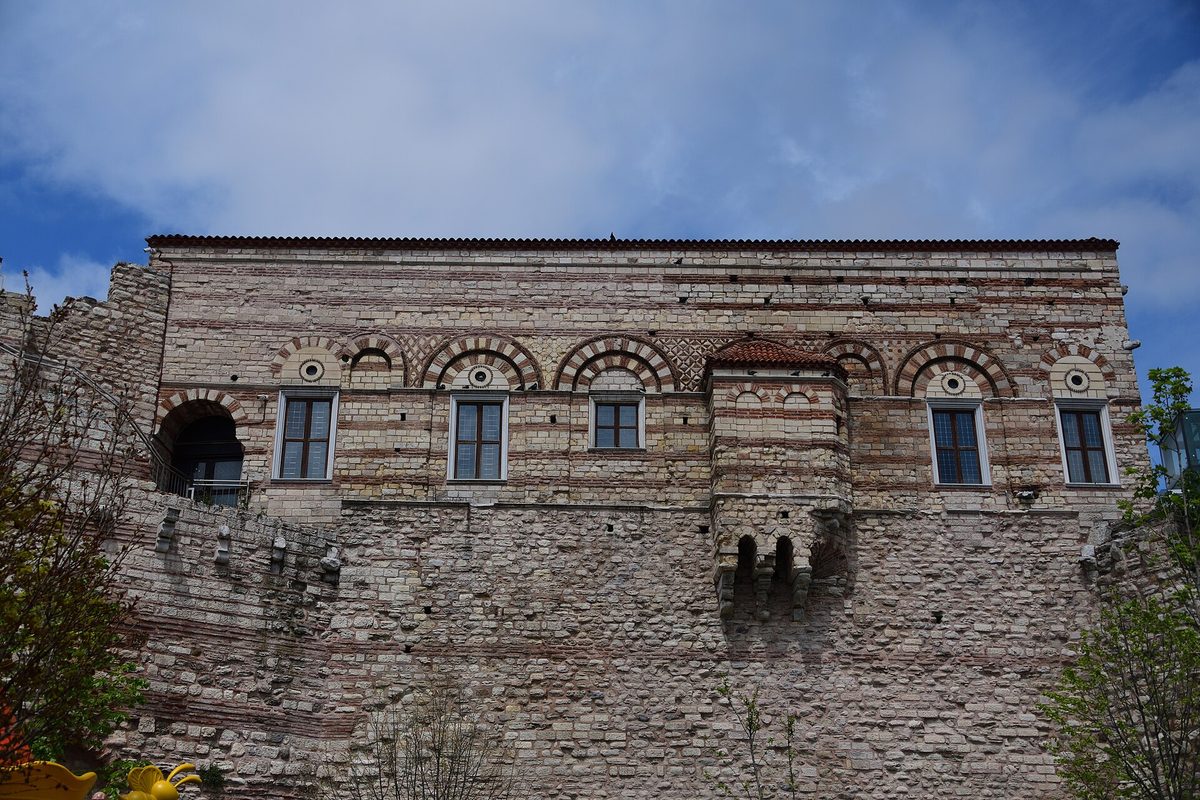
Out at the land walls near Edirnekapı, Tekfur Palace, the Palace of the Porphyrogenitus, is a tall block of brick and white marble in the striped, patterned style late Byzantine builders loved, built into the fortifications themselves. It has history to match its looks. John VI Kantakouzenos stayed here in 1347 while negotiating his regency at the end of a civil war, and the historian Kritoboulos named the palace in his account of the 1453 siege, when its closeness to the walls got it badly damaged. From 1719 it housed a pottery workshop that made tiles in the İznik manner with European colours and designs, and those tiles and pots are what the museum inside now shows, after a full restoration that put a roof back on the building. Check its current opening hours and ticket price before you go, because it is a long way out to find a closed gate. From here it is downhill to the Golden Horn; our Balat and Fener guide picks up the walk.
5. Zeyrek Mosque, the old Pantokrator monastery
Between 1118 and 1124 the empress Irene of Hungary founded a monastery dedicated to Christ Pantokrator on the ridge above the Golden Horn. Its brick church became a mosque under the Ottomans, was run-down and partly ruinous by the early 2000s, and has come through an extensive and sometimes controversial restoration to reopen for prayer. Go between prayers, dressed for a mosque, and spend as long outside looking at the brickwork and the domes as you do inside. The streets around it are reason enough to come: Zeyrek is one of the four areas of the city on UNESCO’s World Heritage listing, a hillside of timber houses, steps and washing lines that feels a long way from Sultanahmet while being a short taxi ride from it. The Zeyrek Çinili Hamam (number 13) is a few minutes’ walk away.
6. Arap Camii, Karaköy
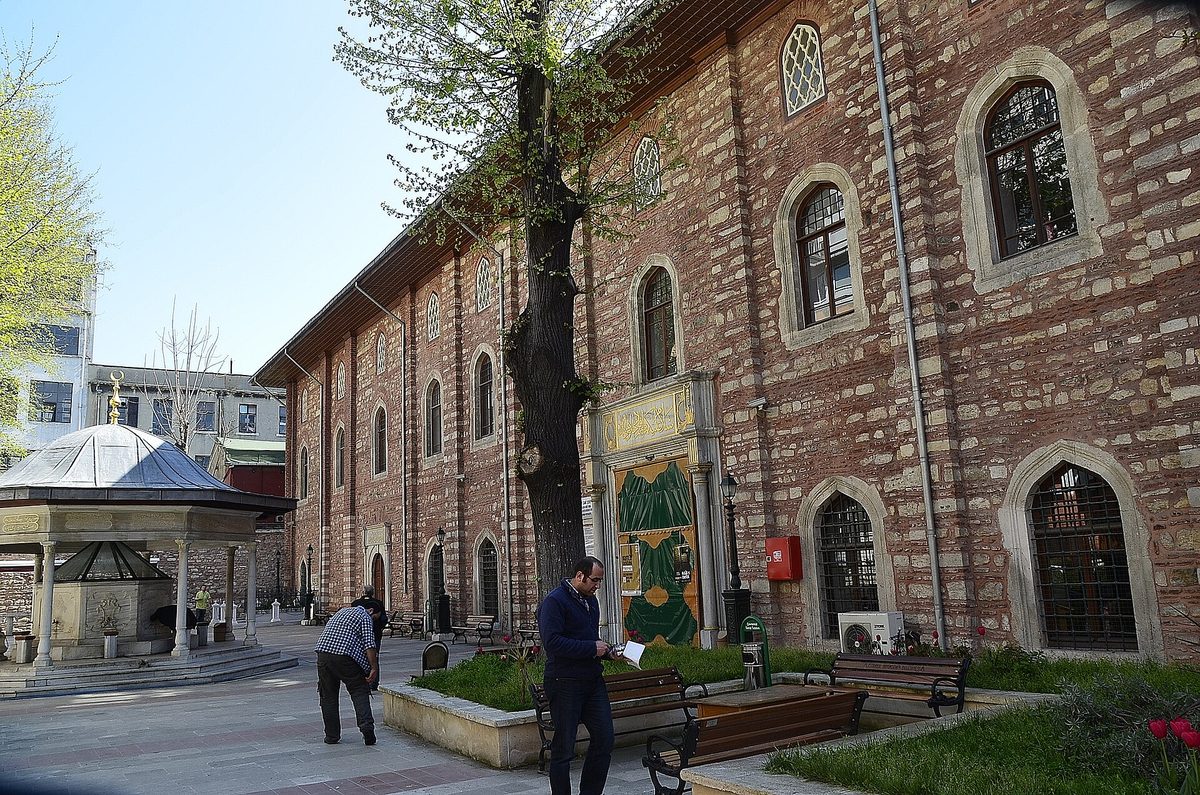
Arap Camii looks wrong for a mosque, and that is the point. Dominican friars built it as a church in 1325, near an earlier chapel to St Paul, and its square bell tower simply had a conical cap put on top to turn it into a minaret. Mehmed II’s Ottomans converted it between 1475 and 1478, and Bayezid II later gave it to Muslim refugees from al-Andalus who had fled Spain after 1492, which is where the name, the “Arab Mosque”, comes from. A marble plaque on the building credits the Umayyad commander Maslama with founding a mosque here in 715, a story Ottoman chroniclers believed and historians do not. The courtyard, with its fountain and benches, is a calm pocket in the middle of Karaköy’s hardware streets (number 15). Visit between prayers and look up at the tower before you leave: it is the most Italian thing on the Istanbul skyline.
7. Yeraltı Camii, the underground mosque
A few streets back from the Karaköy waterfront, steps lead down into Yeraltı Camii, literally the “underground mosque”: a low, vaulted hall that was once the basement of a Byzantine fortress. After 1453 the cellar stored ammunition and water. In 1753 the vizier Köse Bahir Mustafa Paşa turned it into a mosque, and when the 1754 earthquake brought it down, Mahmud I had it rebuilt by 1756. Two rooms inside hold tombs attributed to companions of the Prophet; they were added in 1753 after a Naqshbandi dervish said their presence had been revealed to him in a dream. This is a working mosque with a devout congregation, not a sight, so come between prayers, keep your voice down and keep the camera in your bag. It is one of the strangest interiors in the city.
Sinan and his successors, without the crowds
Everyone goes to the Süleymaniye, and they should. But Mimar Sinan, the chief imperial architect who built it, designed dozens of other buildings across the city, and his smaller works are where you see his skill at close range: a dome sized to a slope, a tile panel a metre from your face, a mosque set on the shore at an angle. Most of the six below are Sinan’s work; Nuruosmaniye shows what came after him.
8. Sokollu Mehmet Paşa Mosque, Kadırga
If you see one small Sinan mosque, make it this one. Sinan built it for Sokollu Mehmet Paşa, grand vizier at the height of Ottoman power, on a slope in Kadırga below the Hippodrome, and he used the slope: you climb up into a courtyard ringed by the old madrasa, then into a prayer hall where the İznik tiles around the mihrab are as fine as any in Istanbul and close enough to study. Fragments said to come from the Black Stone of the Kaaba are set into the mosque’s fittings. It is a neighbourhood mosque, and the door is sometimes shut outside prayer times; if it is, come back just after the next prayer ends, when it is open and emptying. From Little Hagia Sophia it is a short walk west and uphill.
9. Kılıç Ali Paşa Mosque, Tophane
Sinan was near the end of a very long life when this mosque went up in Tophane, between 1578 and 1580, and the complex around it took until 1587. Its plan, a central dome flanked by two semicircular bays like a Byzantine basilica, is the reason people compare it with Hagia Sophia, and once you are inside the resemblance is plain. Hardly anyone comes: it is a short walk from the Tophane tram stop, and the foot traffic goes past it to the waterfront at Galataport. The bath in the same complex has been restored as one of the smartest hamams in the city; our guide to Turkish baths in Istanbul compares it with the rest.
10. Nuruosmaniye Mosque
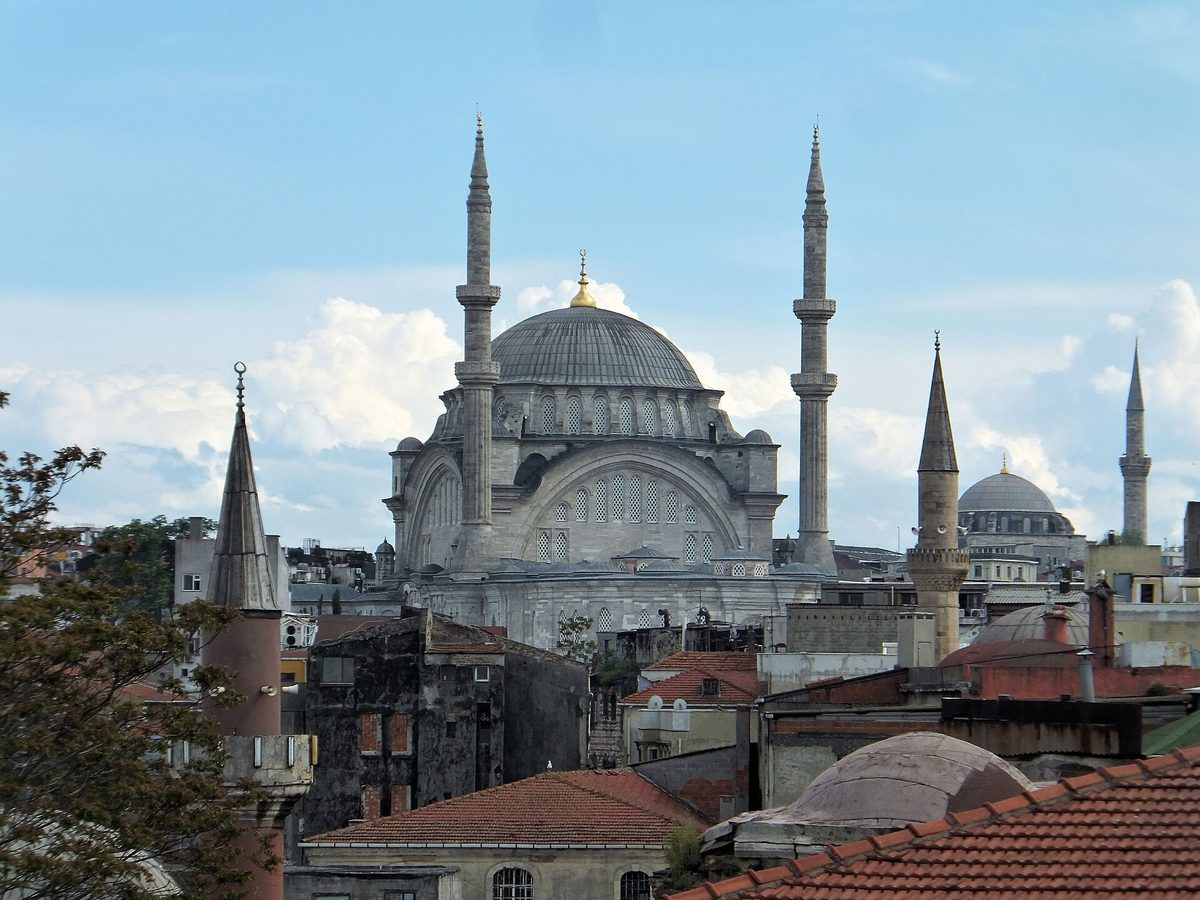
Crowds walk under Nuruosmaniye’s walls on their way through the gate of the same name into the Grand Bazaar, and few look up. They should. Mahmud I commissioned it in 1748 and it was finished under his brother Osman III in 1755, to a design by Simeon Kalfa, a Greek Christian architect. It was the first monumental Ottoman building in the new baroque style, with a curved courtyard and European ornament on an Ottoman frame, and set beside Sinan’s work it shows an empire looking west. It is free between prayers and makes a calm start or finish to a bazaar day; our Grand Bazaar guide has the gates, hours and haggling.
11. Atik Valide and Çinili mosques, Üsküdar
Up the hill behind Üsküdar’s ferry piers are two mosques that justify the climb. The Atik Valide is Sinan’s mosque for Nurbanu Sultan, the Venetian-born wife of Selim II and mother of Murad III; planning began in 1571 and it was not finished until 1586, three years after she died. Its shaded courtyard is one of the most peaceful places on the Asian side. A short walk away, the small Çinili (“tiled”) Mosque was built in 1640–41 for Kösem Sultan and is lined with the tiles that gave it its name; its restoration was completed in 2018. Kösem’s foundation was paid for partly by the rents of the Büyük Valide Han near the Grand Bazaar (number 14), which she built in 1651, a thread worth following across the water. Restoration work is a fact of life in complexes this old, so if one courtyard is fenced off, try the other.
12. Şemsi Paşa Mosque, Üsküdar
Sinan set this one right on the water at Üsküdar, angled to the shoreline, and the inscription over the portal dates its completion to 1580. It is tiny, a single dome over a square room, and unusual in that the founder’s tomb opens straight into the prayer hall behind a grille instead of standing apart. Its madrasa has been a library since 1953. The reason to come is the setting. Sit on the sea wall outside towards sunset, with the old city’s skyline across the water, and you have one of the best free seats in Istanbul. The Maiden’s Tower is a short walk south along the same shore.
13. Zeyrek Çinili Hamam
Barbaros Hayreddin Paşa, grand admiral of the Ottoman fleet, commissioned this bath from Sinan between 1540 and 1546, over a Byzantine cistern, and it was lined with the blue-and-white İznik tiles that give it its name. Earthquakes and fires damaged it in the eighteenth century, the tiles were stripped and sold by a Parisian dealer, and some ended up in London’s Victoria and Albert Museum. After a 13-year restoration it is open again as a working bath and as a museum of the tile fragments found in excavation, the heating system and the cistern underneath. The museum opens Tuesday to Sunday, 10:00–18:00, and is free on Thursdays; the bath runs Tuesday to Sunday, 08:00–22:00, and takes bookings, so check its current prices on its own site. Everything is closed on Mondays. The hamam’s own directions point to the M2 metro stops at Vezneciler or Haliç. Of all the gems here, this is the one I would cross the city for.
Markets, hans and side streets
The Grand Bazaar is the city’s showroom. The real trade goes on around it and across the water, in old merchants’ inns, hardware lanes and second-hand streets that never made the brochures.
14. The hans behind the Grand Bazaar
On the streets that run down from the Grand Bazaar towards Eminönü stand the hans, the old merchants’ inns where goods were stored, made and sold wholesale, and in many of them still are. Duck through a doorway off the street and you are in a courtyard of workshops and wholesalers, with tea trays going back and forth and nobody trying to sell you a lamp. Büyük Valide Han, built by Kösem Sultan in 1651, is the grandest and the most battered; Zincirli Han, smaller and tidier, is a pleasant few minutes too. For years the great free view in the old city was from Büyük Valide Han’s roof, reached with a tip to a caretaker. Don’t count on it now: Turkish press reported the roof closed to visitors in 2017 after collapse damage, with the door to it sealed, and it is no place to scramble about. Don’t go looking for another way up.
15. Perşembe Pazarı, Karaköy
The lanes behind the Karaköy waterfront, between the Galata Bridge and Arap Camii, are Perşembe Pazarı, the “Thursday Market”, and they are Istanbul’s hardware district: tool shops, ironmongers, pumps, pipe fittings and machinery dealers packed into old commercial buildings, with handcarts squeezing through. Nothing here is for tourists, which is the attraction. Go on a weekday morning, when it is working at full tilt, and combine it with Arap Camii and Yeraltı Camii, both a few minutes away. On a Sunday it is mostly quiet.
16. Çukurcuma and the Museum of Innocence
Uphill from Tophane, Çukurcuma is a handful of lanes of antique, junk and vintage shops where browsing is the whole point. In the middle of it, Orhan Pamuk’s Museum of Innocence fills a townhouse at Dalgıç Çıkmazı 2 with the objects of his novel of the same name: cabinet after cabinet of the everyday things an obsessive lover kept, arranged so that they tell the story whether or not you have read the book. Admission is 800 TL, with an audio guide for 50 TL; it opens Tuesday to Sunday, 10:00–18:00, with last entry at 17:30, and closes on Mondays, on 1 January and on the first day of each Eid. The museum puts the Tophane tram stop about eight minutes’ walk away. Our guide to museums in Istanbul sets it against the city’s others.
17. Yeldeğirmeni, Kadıköy
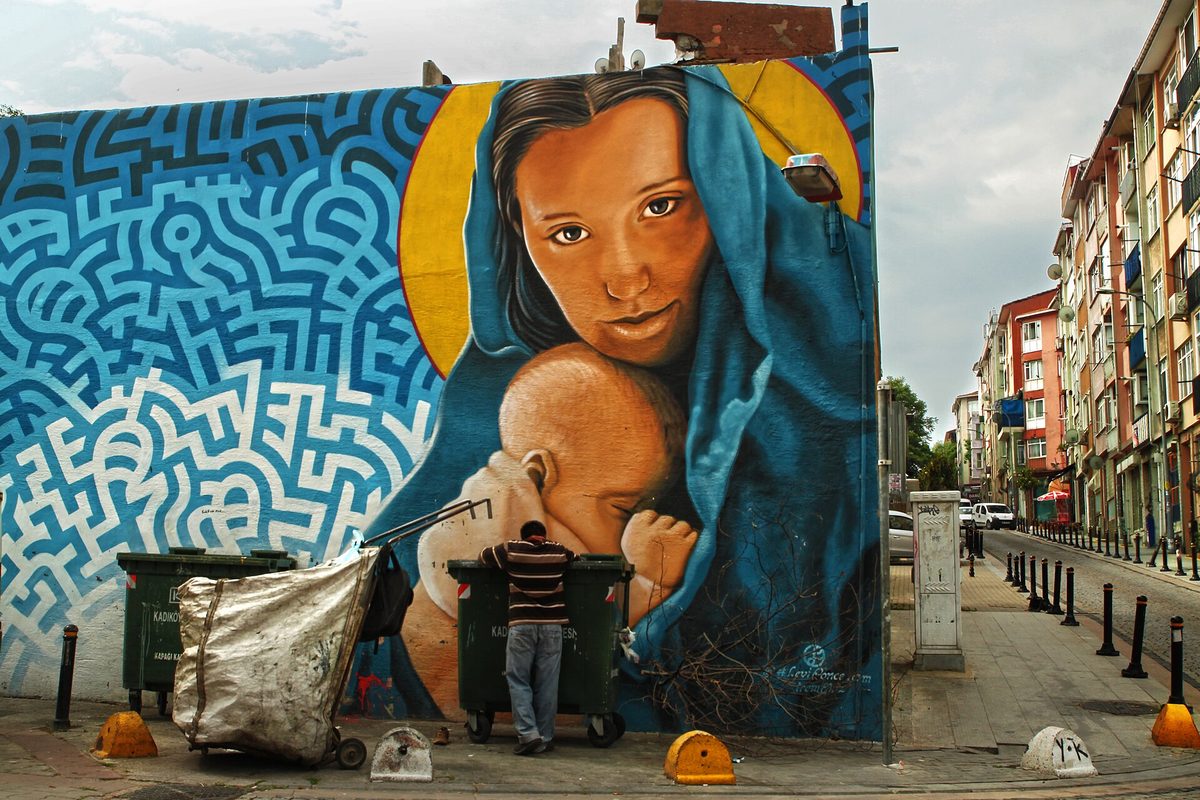
Everyone who crosses to Kadıköy does the market and Moda. Fewer turn the other way into Yeldeğirmeni, the grid of streets just north of the ferry piers, whose name means “windmill”. It is a residential, slightly scruffy neighbourhood of older apartment blocks, with murals several storeys high on blank end walls, small roasteries and cafés, and second-hand shops where the prices are set for students. There is nothing to tick off, which is why it is on this list. Walk it on the way to or from the Kadıköy ferry, and keep your eyes up.
Palaces and pavilions without the queue
Dolmabahçe’s foreign ticket is 2,000 TL, and on a busy day the wait to get in is long. The National Palaces administration also runs a string of smaller pavilions with the same chandeliers, inlaid floors and Bosphorus light for a fraction of the price, and on a weekday you may be the only visitor. Three of the four National Palaces properties below shut on Mondays; Yıldız shuts on Wednesdays.
18. Küçüksu Pavilion
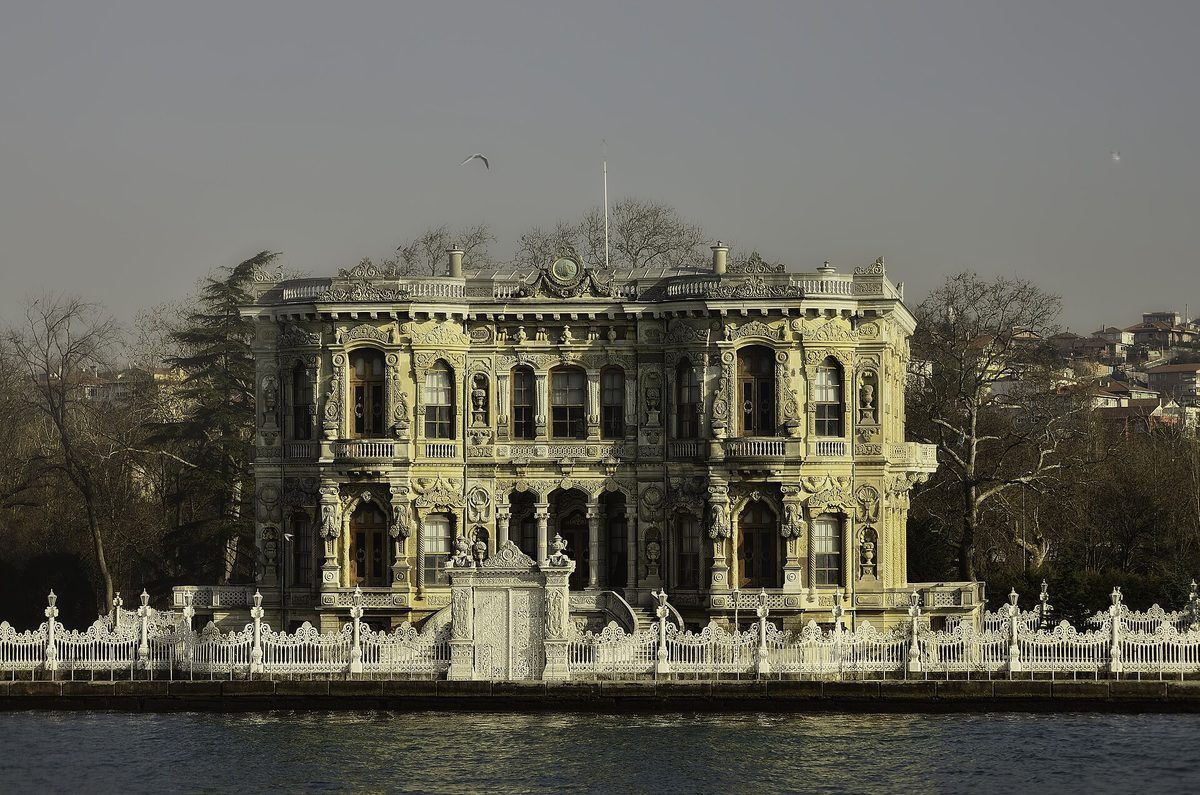
Küçüksu is a small, gloriously over-decorated summer house on the Asian shore between Kandilli and Anadoluhisarı, built for Sultan Abdülmecid in 1856–57 on the site of a hunting lodge of 1751–52, with a facade so ornate it looks iced. Inside are a handful of richly decorated rooms, and the whole visit takes well under an hour. At 300 TL for foreign adults (about €5.40) it costs less than a sixth of Dolmabahçe’s ticket. The ticket office is open 09:00–17:00, and the pavilion is closed on Mondays, on 1 January and on the first day of each bayram. Pair it with Kanlıca and Çengelköy (numbers 24 and 25) on the same shore.
19. Ihlamur Pavilions
In a walled garden in the Ihlamur valley, inland from Beşiktaş, two small Ottoman pavilions sit among the lime trees that gave the place its name (ıhlamur means linden). They are elegant, quiet and very nineteenth century, and the garden around them, with its pool and old trees, is as much the attraction as the interiors. Foreign adults pay 280 TL, the ticket office is open 09:00–17:00, and it is closed on Mondays. Combine it with Yıldız Park (number 21), and use our Beşiktaş guide for lunch and the waterfront.
20. Aynalıkavak Pavilion
On the Golden Horn at Hasköy, Aynalıkavak is a single, graceful pavilion that took its present form under Selim III, came under the National Palaces administration in 1975 and has been a museum since 1984. It is one of the least visited palaces in the city, and that is its charm: you can stand in its rooms with the light coming off the water and hear nothing but the garden. Foreign adults pay 280 TL, and the gardens alone cost 50 TL; the ticket office is open 09:00–17:00, and it is closed on Mondays, on 1 January and on the first day of each bayram. The Rahmi M. Koç Museum is nearby in Hasköy, and it closes on Mondays too, so make this a Tuesday-to-Sunday outing.
21. Yıldız Palace and its park
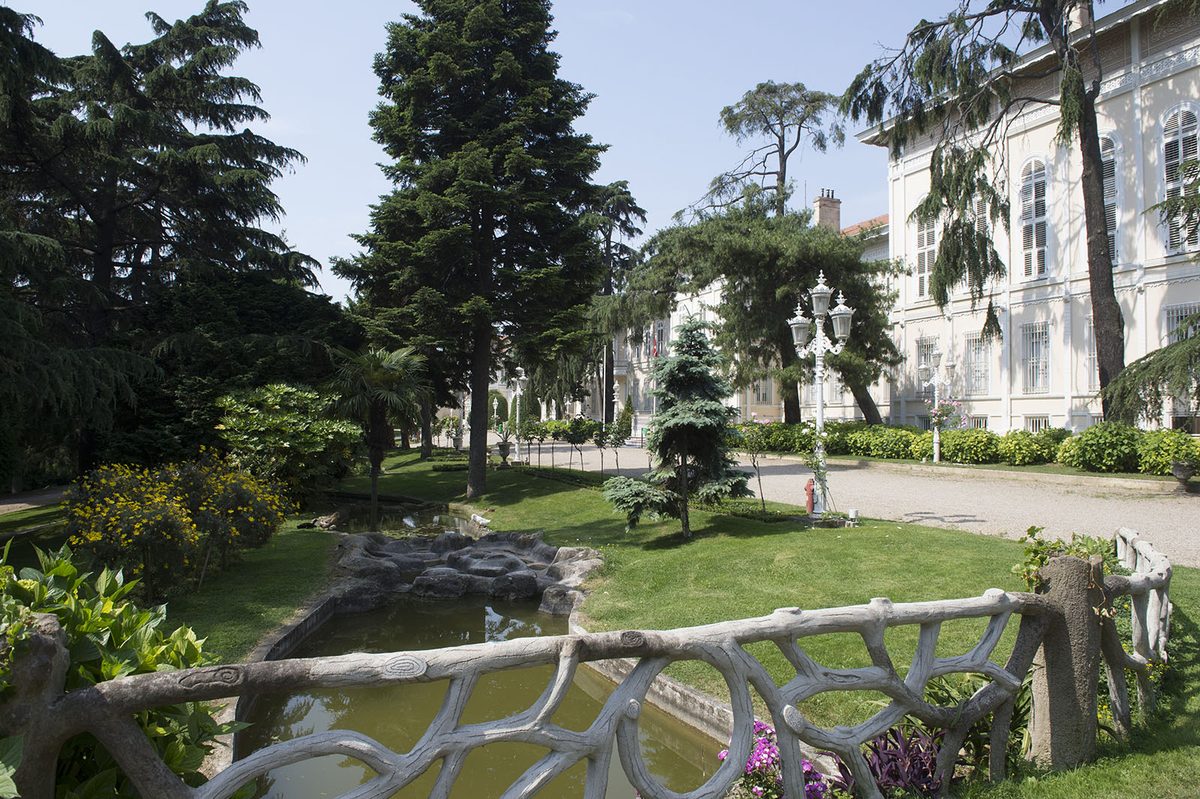
Above Beşiktaş, a wooded hillside hides the late Ottoman palace of Yıldız, open again as a museum, and the park that spreads down the slope below it. The foreign ticket for the palace is 900 TL and the ticket offices run 09:00–17:00; note that it closes on Wednesdays, not Mondays like the other pavilions. The park is open to the public, and its Çadır, Malta and Chalet pavilions are scattered among the trees. On a weekday morning it is joggers, couples and cats; at weekends it fills with families. Bring a picnic, or eat in Beşiktaş afterwards.
22. The Khedive’s Palace (Hıdiv Kasrı), Çubuklu
From Kanlıca pier a road climbs inland through the woods to an Art Nouveau villa completed in 1907 for Abbas II, the last khedive of Egypt and Sudan. The architect Antonio Lasciac designed it with Delfo Seminati, taking Italian Renaissance villas as the model, and the house is handsome, but the grounds are the reason to make the climb: woodland paths and a big rose garden laid out around the house, high above the Bosphorus. Check that the house and gardens are open on the day before you set off, since it is a steep walk to find a closed gate. Then go back down for a yoghurt in Kanlıca (number 25).
Shores, villages and an island
The Bosphorus is lined with old villages that the city has swallowed without quite digesting. Take a ferry or a bus up either shore, get off where the tour boats don’t stop, and walk.
23. Kuzguncuk
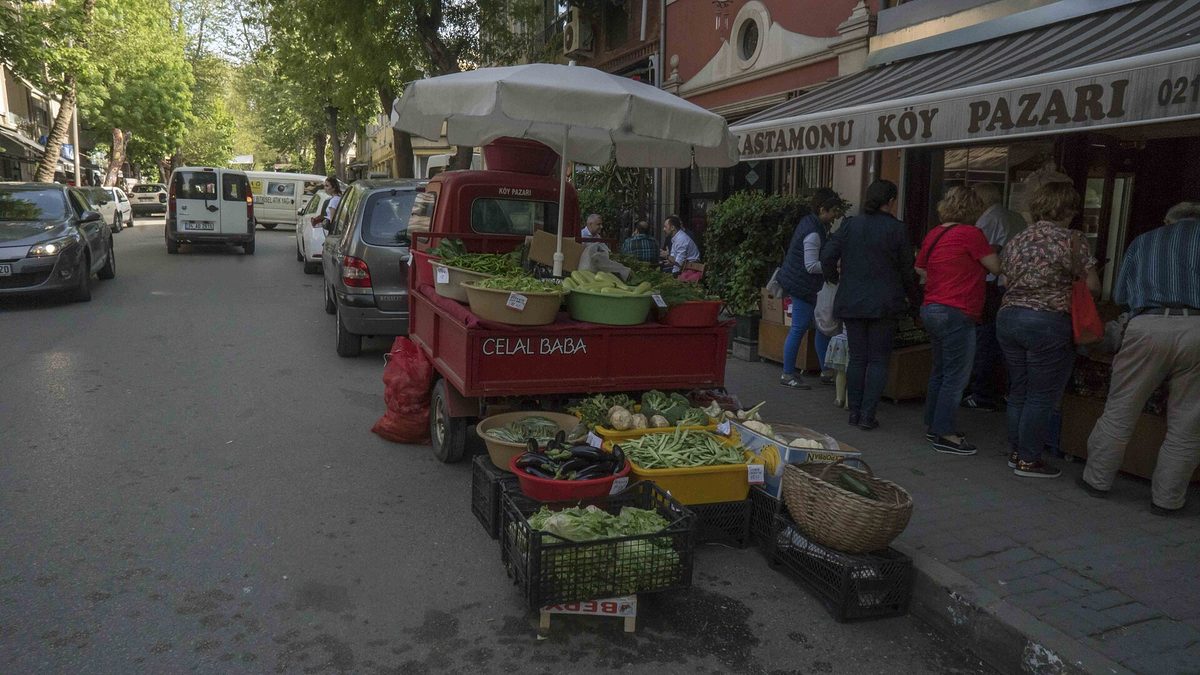
Kuzguncuk, on the Asian shore just north of Üsküdar, is the village every other Bosphorus village wants to be. It has two synagogues, Bet Nissim from the 1840s and Bet Yaakov from 1878; an Armenian church, Surp Krikor Lusavoriç, first built in 1835; Greek Orthodox churches; and a mosque that was built in 1952 in the courtyard of the Armenian church, with building funds that included donations from the Armenian congregation. The main street, İcadiye Caddesi, climbs from the shore past greengrocers, bakeries and painted timber houses. Turkish television discovered it with the comedy series Perihan Abla in the mid-1980s and has filmed here ever since, which tells you how it looks. Come on a weekday morning; at weekends half of Istanbul has the same idea.
24. Çengelköy
Çengelköy, between Beylerbeyi and Kuleli, was famous across Turkey for its small cucumbers, which these days are grown mostly in Kandıra, so the name travels further than the produce. What remains is a waterfront square with tea houses under big trees, a ferry pier and a slow, village pace. Sit with a glass of tea by the water and watch the tankers slide past a few hundred metres away; it is the cheapest Bosphorus show going. The square is busiest at weekend breakfast time, when Istanbul comes out for a long Turkish breakfast; on a weekday afternoon you may have the view to yourself.
25. Kanlıca
Kanlıca’s claim to fame is its yoghurt, sold in the cafés by the pier and eaten with a dusting of caster sugar on top. It is better than it sounds. Just inland from the pier, the İskender Paşa Mosque is a small lesson in how this city reuses things: Sinan built it in 1559–60, and it has since been rebuilt so completely that none of his work survives. A road from the pier climbs to the Khedive’s Palace (number 22). Şehir Hatları ferries call at Kanlıca and link it with both shores of the strait, so check the timetable and you can make the yoghurt part of a zigzag up the strait; our Bosphorus cruise guide covers the public boats.
26. Arnavutköy
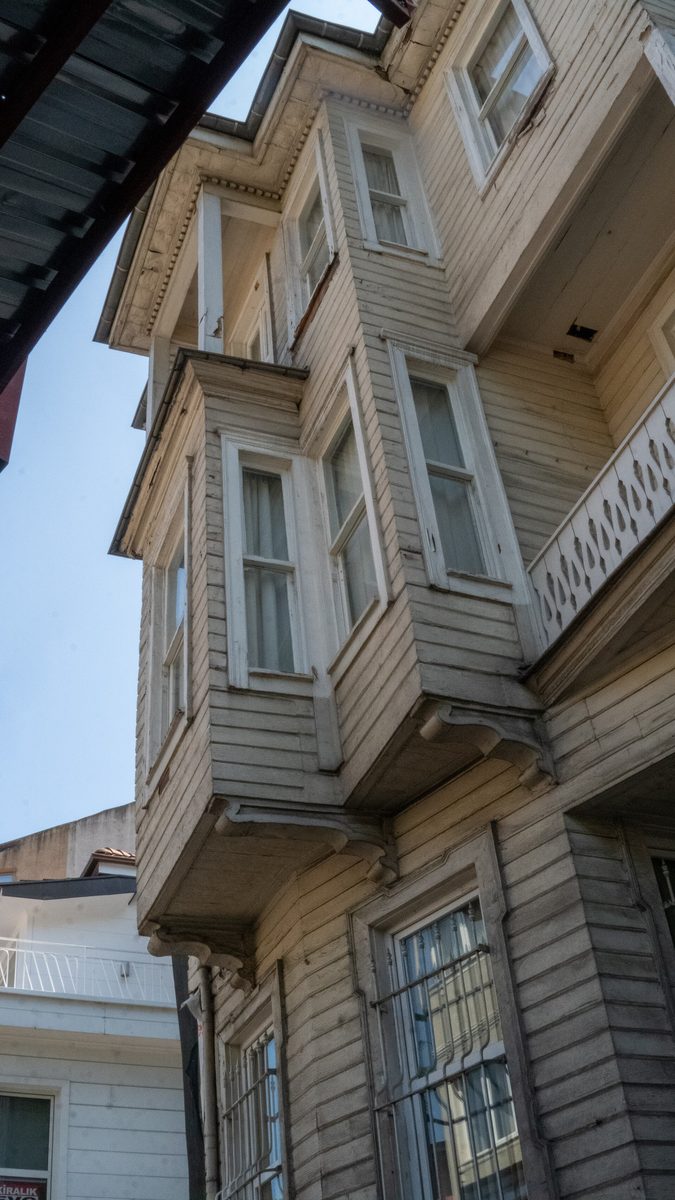
On the European shore between Kuruçeşme and Bebek, Arnavutköy has kept rows of old timber houses with bay windows stacked one above the other, along the shore road and up the steep lanes behind it. Most visitors see it only from a cruise boat. Get off the bus, walk the backstreets, then follow the shore path north to Bebek, which is the fashionable end of the same walk. In good weather the fish restaurants on the front are full of Istanbul families on a Sunday; on a weekday the lanes are yours.
27. Samatya
On the Marmara shore inside the land walls, Samatya takes its name from the Greek Psamatheia, “sandy”. Mehmed II settled Armenians here in 1458, and their church of Surp Kevork, also called Sulu Manastır, was an Orthodox church before the conquest; Greek churches stand nearby too. Today it is a neighbourhood of apartment blocks and old houses, a small square with tea houses and fish restaurants, and very few foreign visitors. The restored Sirkeci–Kazlıçeşme railway stops at Kocamustafapaşa station on its edge, which makes it an easy half-day, and the southern end of the land walls at Yedikule is just beyond.
28. Heybeliada
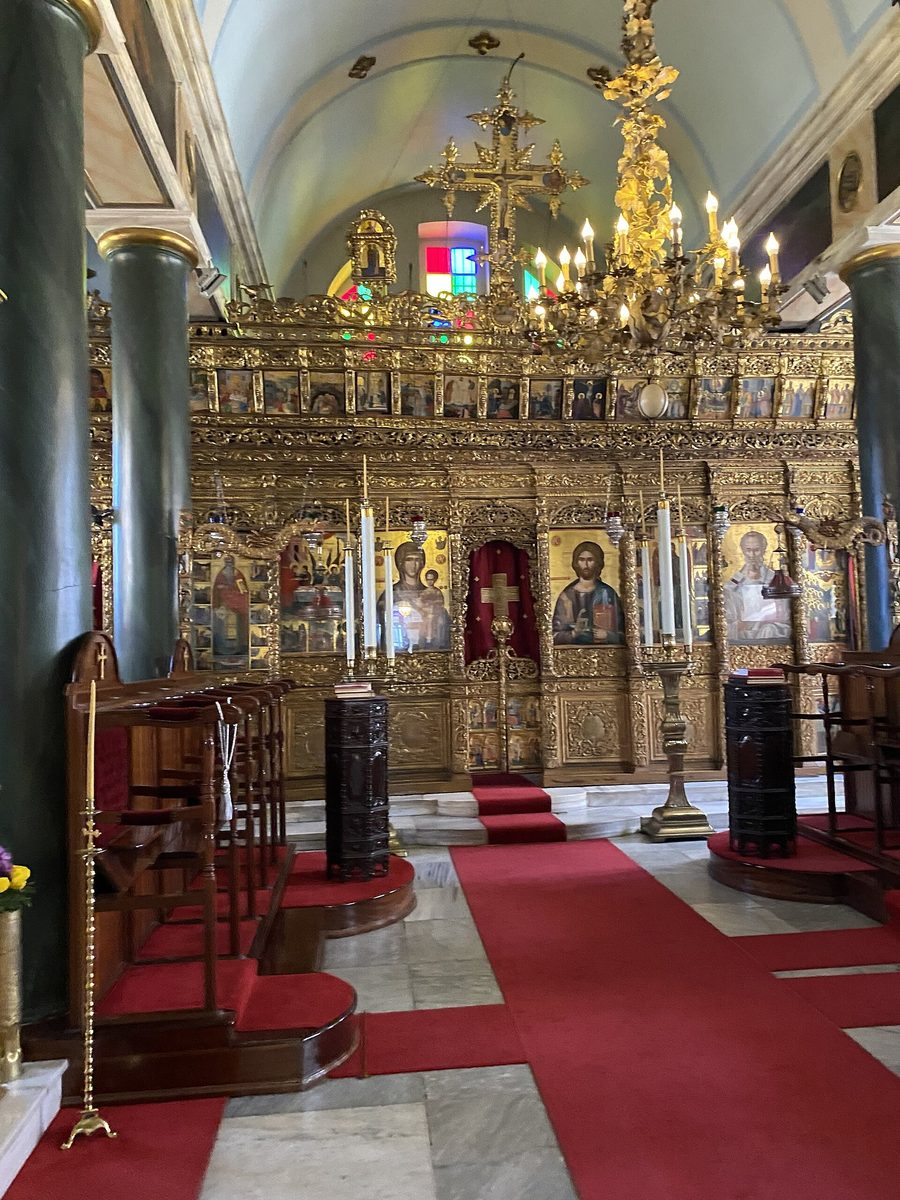
Büyükada is the Princes’ Island everyone visits. Heybeliada, the second-largest, is the one Istanbul people often prefer: quieter, greener, with pine woods to walk in and a harbour town of timber villas. On the hill above it stands the Halki seminary, which trained Orthodox clergy from its founding in 1844 until a 1971 law on private higher education closed it, and whose reopening has been a diplomatic question for half a century, so check with the Ecumenical Patriarchate whether the grounds are open to visitors. The two smaller islands on the way, Kınalıada and Burgazada, are quieter still. Our Princes’ Islands guide has the ferries and which pier to use.
Two places to eat like you live here
29. Vefa Bozacısı
Boza is a thick, faintly sour drink of fermented millet, served in a glass with cinnamon on top and roasted chickpeas to scatter in, and it is a winter thing: you drink it on a cold evening, standing at the counter. Vefa Bozacısı, which gives 1876 as its founding year, is the place for it, in the old Vefa quarter a short walk from the Süleymaniye. It tastes like nothing else in the city and divides people at the first sip; I would rather you tried it and hated it than never tried it. Our guide to what to eat in Istanbul has the rest of the winter menu.
30. Kanaat Lokantası, Üsküdar
Kanaat is an esnaf lokantası, a tradesmen’s restaurant: the Istanbul institution where you look at trays of the day’s stews, vegetables in olive oil and pilafs, point, and get a proper lunch at a fair price. It is an Üsküdar fixture, close to the ferry and a natural lunch stop on the Asian-shore route below, and the puddings are worth leaving room for. Go at lunchtime, when the trays are fullest, and order whatever is selling fastest.
Hidden gems that aren’t (or aren’t any more)
Some places on every “secret Istanbul” list are no secret at all, and a few are closed. Save yourself the trip.
Balat’s coloured houses. Real, lovely and the opposite of hidden: at weekends the steep lanes around Kiremit Caddesi are a queue of photo shoots. Go early on a weekday, or put the time into Fener and the walls instead.
Pierre Loti at sunset. The view down the Golden Horn is as good as the photographs, and the café terrace at sunset is where everyone else is too. Go mid-morning and you can choose your table.
Rüstem Paşa Mosque. Once the old city’s best-kept secret, now on every list, ours included. Its tiles are still worth the stairs, but don’t expect it to yourself.
The roof of Büyük Valide Han. Reported closed to visitors after collapse damage in 2017, as above. No view is worth a fall through a rotten roof.
The Great Palace Mosaic Museum. It has been temporarily closed for restoration since 9 April 2023, and the Ministry of Culture’s list of closed museums keeps it shut until the works are completed. Hagia Sophia’s gallery mosaics will have to do.
Yedikule Fortress. The Seven Towers at the southern end of the land walls should be a headline gem, but access for foreign visitors and the ticket price are both subject to change, so check its current status on the Ministry of Culture’s museum site before you make the trip; Samatya (number 27) is a good consolation prize next door.
“Secret” rooftop bars. If a rooftop bar is on a list of hidden gems, it is not hidden; it is a bar with a view and prices to match. Our Istanbul nightlife guide picks the ones worth paying for.
Four half-day routes that join them up
Most of the thirty sit in clusters, and you can string them together without crossing the city twice.
The old city underneath
Start at the Şerefiye Cistern, then try the Binbirdirek close by. Walk down past the Hippodrome to Little Hagia Sophia and on to the Sokollu Mehmet Paşa Mosque in Kadırga. If you still have legs, climb back up through Çemberlitaş to Nuruosmaniye and the hans behind the Grand Bazaar. The T1 tram stops at Sultanahmet, Çemberlitaş and Beyazıt-Kapalıçarşı bracket the route. Avoid Sundays, when the Grand Bazaar is shut and the hans are quiet.
Zeyrek and the land walls
Take the M2 to Vezneciler or Haliç for the Zeyrek Çinili Hamam’s museum (closed Mondays, free on Thursdays), walk to the Zeyrek Mosque, then take a taxi out to Tekfur Palace at Edirnekapı. From there it is downhill to Balat and the Golden Horn. Don’t do this one on a Monday.
Karaköy and Tophane
From the Karaköy piers, walk into Perşembe Pazarı and Arap Camii, double back to Yeraltı Camii, then follow the tram line to Tophane for the Kılıç Ali Paşa Mosque. Climb into Çukurcuma for the Museum of Innocence (closed Mondays) and its antique shops, and finish in Cihangir or on İstiklal; our Beyoğlu guide takes over from there. A weekday is best, when Perşembe Pazarı is open.
The Asian shore
Take the ferry to Üsküdar, look in at the Şemsi Paşa Mosque on the water, climb to the Çinili and Atik Valide mosques, and have lunch at Kanaat. Then head north along the shore road: Kuzguncuk for a walk, Çengelköy for tea, Kanlıca for yoghurt, with the Küçüksu Pavilion (closed Mondays) and the Khedive’s Palace as options. Buses run along the shore road from Üsküdar, and a Şehir Hatları boat from Kanlıca can bring you back across the water if the timetable suits. Our guide to the Asian side of Istanbul covers the rest of this shore.
Practical notes: closed days, mosques and money
| Place | Closed | Foreign adult ticket, autumn 2026 |
|---|---|---|
| Küçüksu Pavilion | Mondays, 1 January, first day of each bayram | 300 TL |
| Aynalıkavak Pavilion | Mondays, 1 January, first day of each bayram | 280 TL (gardens only 50 TL) |
| Ihlamur Pavilions | Mondays | 280 TL |
| Yıldız Palace | Wednesdays | 900 TL |
| Museum of Innocence | Mondays, 1 January, first day of each Eid | 800 TL |
| Zeyrek Çinili Hamam | Mondays | Museum free on Thursdays; check bath prices |
| Şerefiye Cistern | Check before you go | Check the operator’s site |
| Mosques on this list | To sightseers during prayers; longer on Friday midday | Free |
Mosques. Cover shoulders and knees; women cover their hair (a scarf in your bag solves it); shoes come off at the door and go in the racks or a plastic bag. Prayer times shift every day, so check them on the Diyanet’s official prayer-time page for Istanbul and plan your visits for the gaps. Friday midday is the one time not to try.
Money. The palaces and pavilions price in lira, and lira prices drift with inflation, so treat the figures above as autumn 2026 prices and expect them to rise. The mosques, neighbourhoods and markets cost nothing. Public-transport fares change twice a year, so we keep them in one place: our Istanbulkart guide has the current figures, and the same card works on the trams, metro, Marmaray, buses and Şehir Hatları ferries that reach every place on this list.
Timing. Monday is the worst day for this list, with three of the pavilions, the Museum of Innocence and the Zeyrek hamam all shut; Sunday is the worst for the markets. Tuesday to Saturday is the safe window for most of it, with Yıldız Palace’s Wednesday closure the exception, and prayer times always apply at the mosques.
Frequently asked questions
What are the best hidden gems in Istanbul?
For history, the Şerefiye Cistern, Tekfur Palace, Arap Camii and the Sokollu Mehmet Paşa Mosque. For palaces, the Küçüksu, Ihlamur and Aynalıkavak pavilions. For neighbourhoods, Kuzguncuk, Çengelköy and Kanlıca on the Asian shore, and Zeyrek and Samatya on the old city side. Most are free, and none of them has the queues of the famous sights.
Is there another cistern in Istanbul besides the Basilica Cistern?
Yes. The Şerefiye (Theodosius) Cistern near Sultanahmet is the best alternative: 32 columns, far fewer visitors, run by the city’s culture company İBB Kültür AŞ. The Binbirdirek Cistern, with 224 double-height columns, is close by; check that it is open on the day. The museum at the Zeyrek Çinili Hamam also takes you into the Byzantine cistern beneath the bath.
Where do locals go in Istanbul at the weekend?
Mostly to the water. The Asian-shore villages of Kuzguncuk, Çengelköy and Kanlıca, Moda and Yeldeğirmeni in Kadıköy, the parks at Yıldız and Emirgan, and in summer the Princes’ Islands all fill up on Saturdays and Sundays. If you want them quiet, go on a weekday.
Which of the Princes’ Islands is the least touristy?
Büyükada, the biggest, takes most of the day-trippers. Heybeliada is quieter and greener and has the Halki seminary on its hill; Kınalıada and Burgazada, the two smaller islands on the way out, are quieter still.
Can you still go up on the roof of Büyük Valide Han?
Don’t count on it. Turkish press reported the roof closed to visitors in 2017 after collapse damage, with the door sealed. Don’t look for another way up; the hans’ courtyards below are still worth a wander.
Is Kuzguncuk worth visiting?
Yes, for a slow half-day. It is a Bosphorus village with two synagogues, Armenian and Greek churches and a mosque built in 1952 in the Armenian church’s courtyard, a main street of greengrocers and timber houses, and an easy walk from Üsküdar. Go on a weekday morning.
Are Istanbul’s hidden gems expensive?
Most cost nothing: the mosques, neighbourhoods and markets on this list are free. The small National Palaces pavilions cost 280–300 TL for foreign adults, Yıldız Palace 900 TL and the Museum of Innocence 800 TL, all checked in autumn 2026.
What are some unusual things to do in Istanbul?
Bathe in a Sinan hamam whose original tiles ended up in a London museum, at the Zeyrek Çinili Hamam. Stand in a mosque made from a Byzantine cellar, Yeraltı Camii. Drink boza at Vefa on a winter night, eat Kanlıca’s yoghurt with sugar on top, and walk the hardware lanes of Perşembe Pazarı on a weekday morning.